


Más información sobre el libro
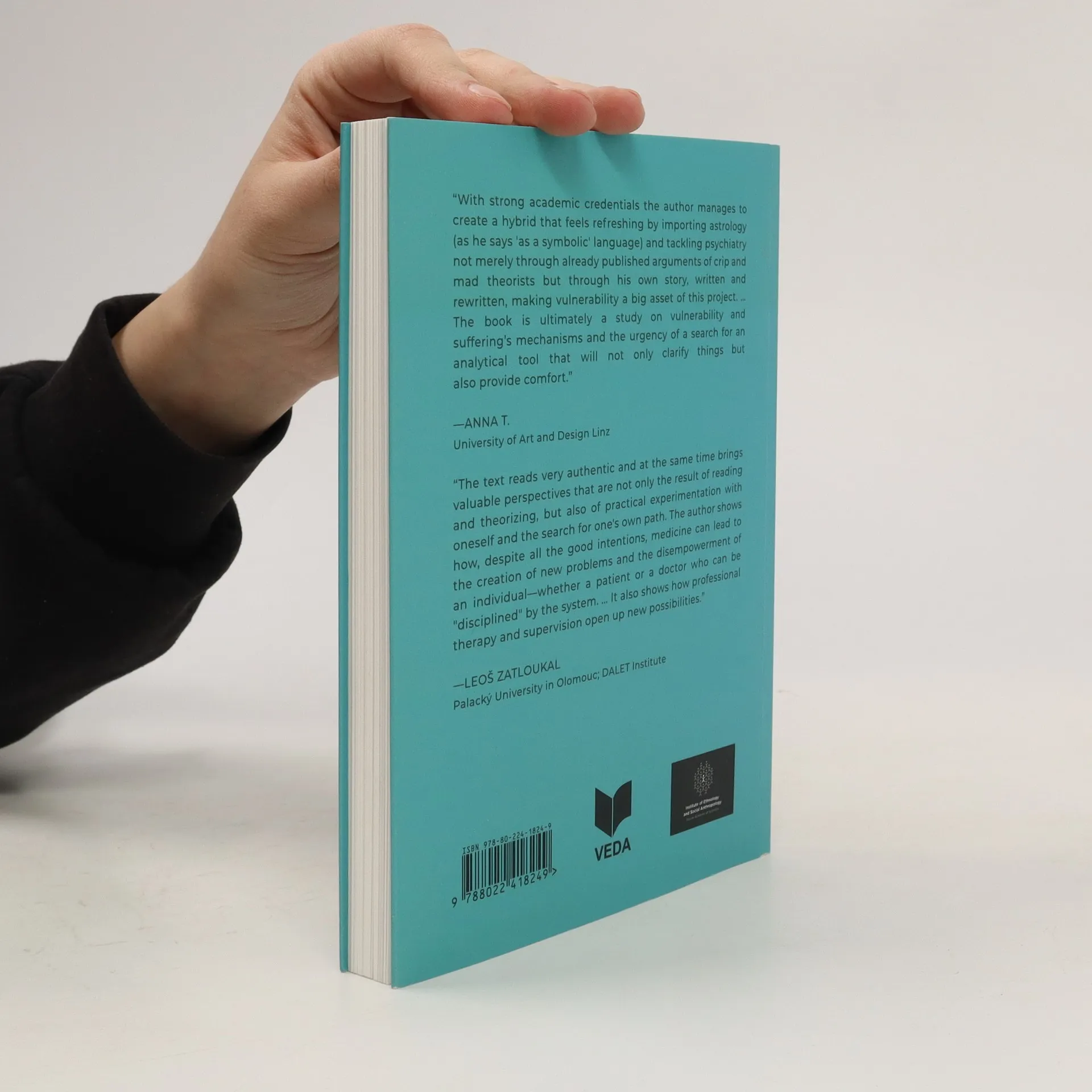
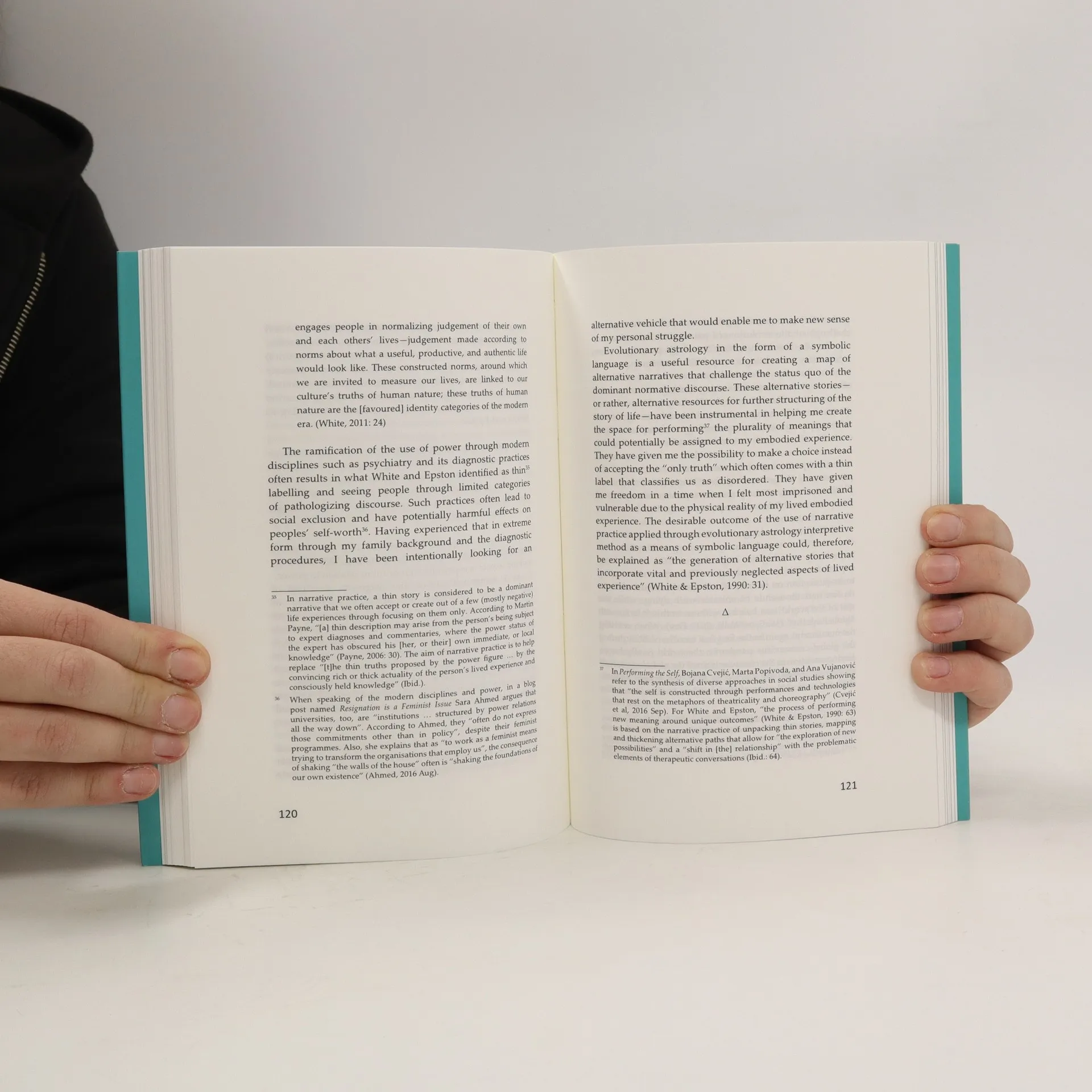
With a conscious attempt to contribute to contemporary discussions in mad/trans/queer/ monster studies, the monograph approaches complex postmodern theories and contextualizes them from an autoethnographic methodological perspective. As the self-explanatory subtitle reads, the book introduces several topics as revelatory fields for the author’s self-exploration at the moment of an intense epistemological and ontological crisis. Reflexively written, it does not solely focus on a personal experience, as it also aims at bridging the gap between the individual and the collective in times of global uncertainty. There are no solid outcomes defined; nevertheless, the narrative points to a certain—more fluid—way out. Through introducing alternative ways of hermeneutics and meaning-making, the book offers a synthesis of postmodern philosophy and therapy, evolutionary astrology as a symbolic language, embodied inquiry, and Buddhist thought that together represent a critical attempt to challenge the pathologizing discursive practices of modern, Western disciplines during the neoliberal capitalist era.
Compra de libros
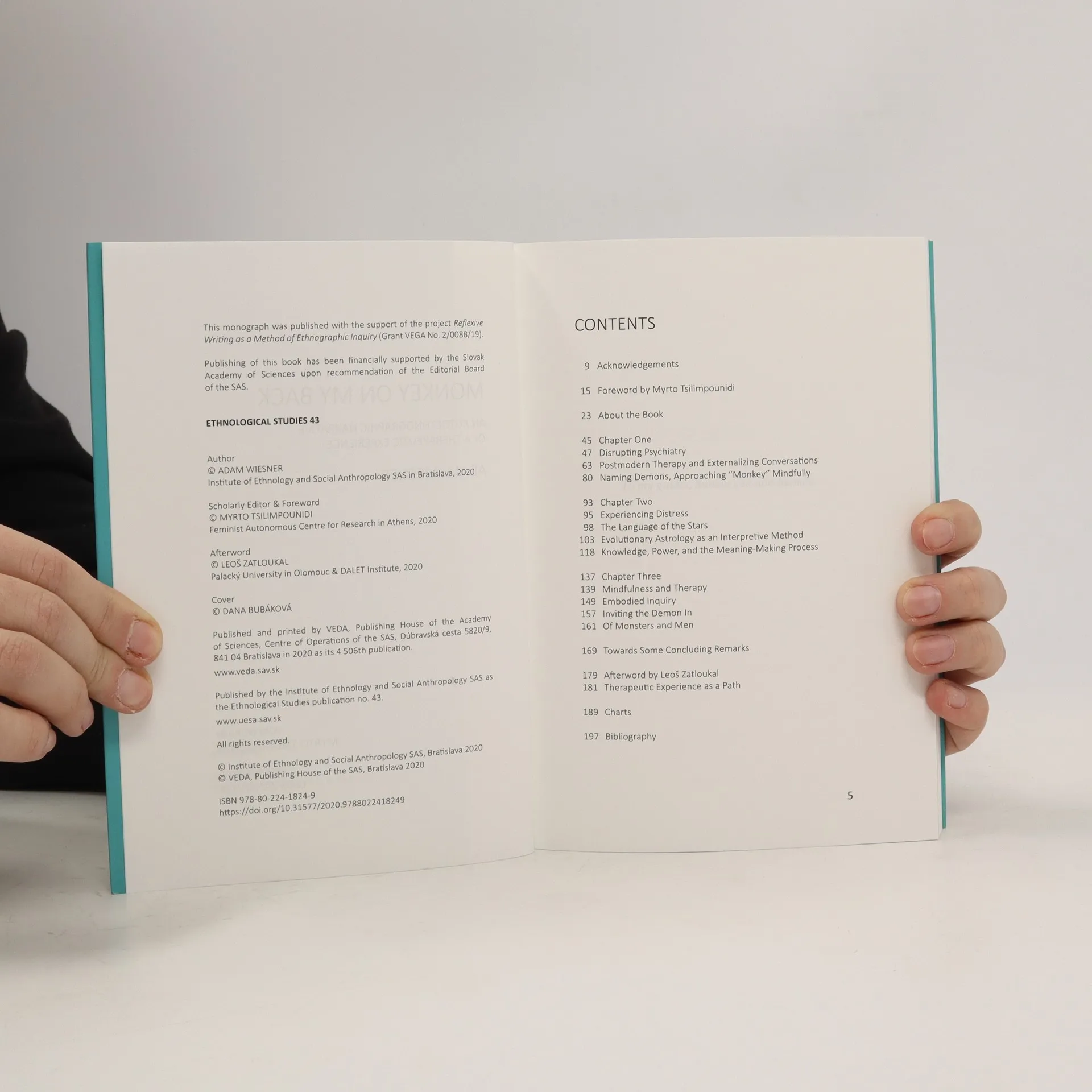
Monkey on my back : an autoethnographic narrative of a therapeutic experience, Adam Wiesner
- Idioma

- Publicado en
- 2020
Métodos de pago
Nadie lo ha calificado todavía.
- Título
- Monkey on my back : an autoethnographic narrative of a therapeutic experience
- Idioma
- Inglés
- Autores
- Adam Wiesner
- Editorial
- Veda
- Publicado en
- 2020
- Páginas
- 224
- ISBN10
- 8022418242
- ISBN13
- 9788022418249
- Serie
- Categorías
- Etiquetas
- Descripción
- With a conscious attempt to contribute to contemporary discussions in mad/trans/queer/ monster studies, the monograph approaches complex postmodern theories and contextualizes them from an autoethnographic methodological perspective. As the self-explanatory subtitle reads, the book introduces several topics as revelatory fields for the author’s self-exploration at the moment of an intense epistemological and ontological crisis. Reflexively written, it does not solely focus on a personal experience, as it also aims at bridging the gap between the individual and the collective in times of global uncertainty. There are no solid outcomes defined; nevertheless, the narrative points to a certain—more fluid—way out. Through introducing alternative ways of hermeneutics and meaning-making, the book offers a synthesis of postmodern philosophy and therapy, evolutionary astrology as a symbolic language, embodied inquiry, and Buddhist thought that together represent a critical attempt to challenge the pathologizing discursive practices of modern, Western disciplines during the neoliberal capitalist era.