


Valoración del libro
Parámetros
- 750 páginas
- 27 horas de lectura
Más información sobre el libro
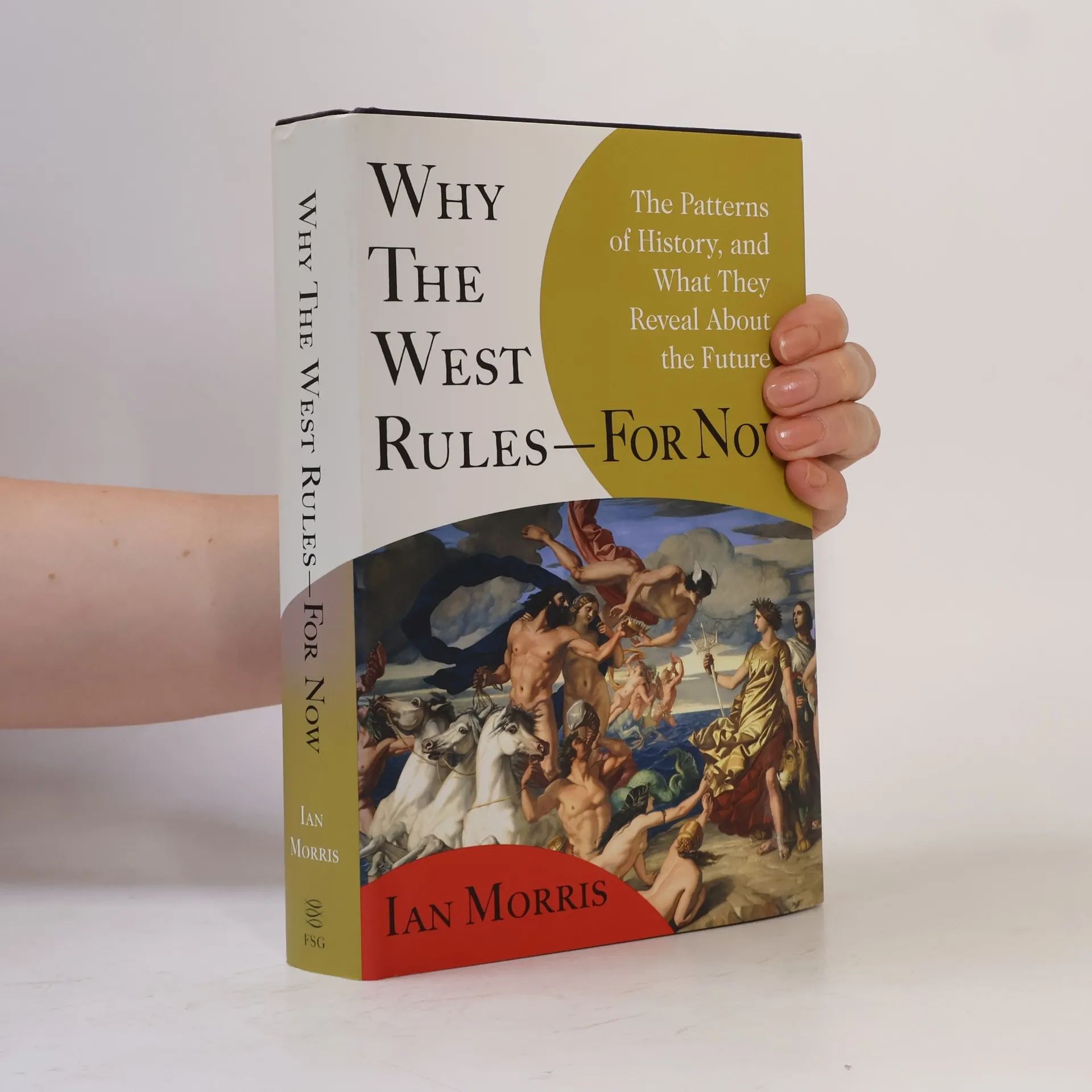
A New York Times Notable Book for 2011 explores the transformative impact of steam and coal around 1750, which led to the rise of factories, railroads, and gunboats, establishing Western dominance in the nineteenth century. The advancements in computers and nuclear weapons further solidified this power into the twentieth century. However, as the twenty-first century unfolds, concerns arise regarding the economic ascendance of China and India, prompting questions about the future of Western supremacy. To address these concerns, the author examines historical patterns to understand the reasons behind two centuries of Western dominance and its potential longevity. Contrary to common beliefs, the book argues that it is not race, culture, or individual ambition that account for this power but rather the influence of geography on the daily lives of people facing resource crises, disease, migration, and climate challenges. As geography and human creativity continue to shape our world, significant transformations are anticipated, affecting Western rule. Drawing on extensive research and interdisciplinary findings, the work spans fifty thousand years of history, providing fresh insights into why the West has ruled and what the next century may hold.



Compra de libros
Why the West Rules-for Now, Ian Morris
- Idioma

- Publicado en
- 2010
- Encuadernación
- (Tapa dura)
Métodos de pago
Nos falta tu reseña aquí
- Subtítulo
- The Patterns of History & What They Reveal about the Future
- Idioma
- Inglés
- Autores
- Ian Morris
- Editorial
- Farrar, Straus and Giroux
- Publicado en
- 2010
- Formato
- Tapa dura
- Páginas
- 750
- ISBN10
- 0374290024
- ISBN13
- 9780374290023
- Serie
- Categorías
- Etiquetas
- No ficción, Ciencias sociales, Tema histórico, Historia, Esoterismo y religión, Comercio, Negocios & Gestión, Ciencias políticas & Política, Temas religiosos, Guías y Manuales, Religión, Política, Economía, Sociología, Europa, África, Antropología, Asia, China, Arqueología, América, Historia Cultural
- Calificación
- 4,15 de 5
- Descripción
- A New York Times Notable Book for 2011 explores the transformative impact of steam and coal around 1750, which led to the rise of factories, railroads, and gunboats, establishing Western dominance in the nineteenth century. The advancements in computers and nuclear weapons further solidified this power into the twentieth century. However, as the twenty-first century unfolds, concerns arise regarding the economic ascendance of China and India, prompting questions about the future of Western supremacy. To address these concerns, the author examines historical patterns to understand the reasons behind two centuries of Western dominance and its potential longevity. Contrary to common beliefs, the book argues that it is not race, culture, or individual ambition that account for this power but rather the influence of geography on the daily lives of people facing resource crises, disease, migration, and climate challenges. As geography and human creativity continue to shape our world, significant transformations are anticipated, affecting Western rule. Drawing on extensive research and interdisciplinary findings, the work spans fifty thousand years of history, providing fresh insights into why the West has ruled and what the next century may hold.