

Parámetros
- 452 páginas
- 16 horas de lectura
Más información sobre el libro
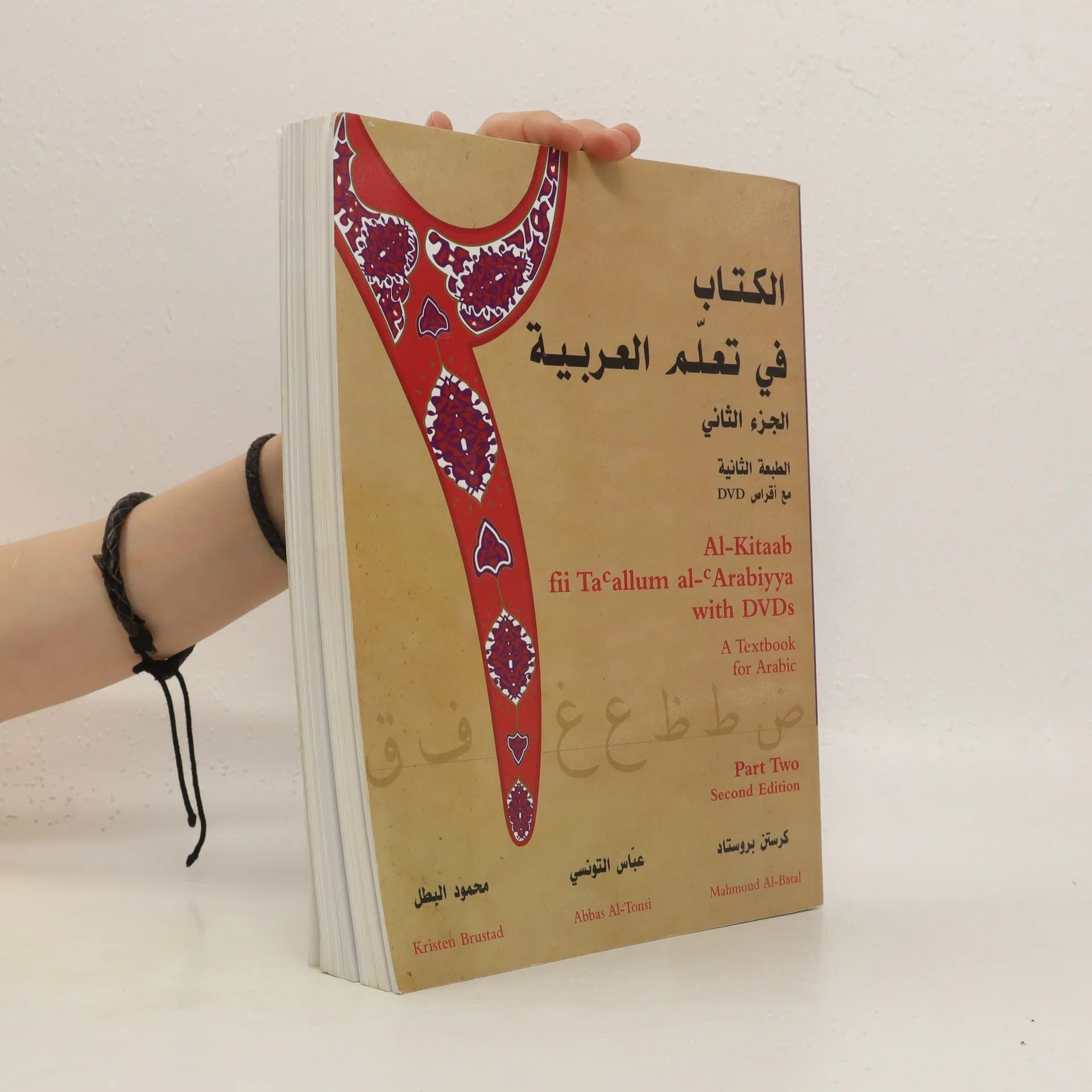
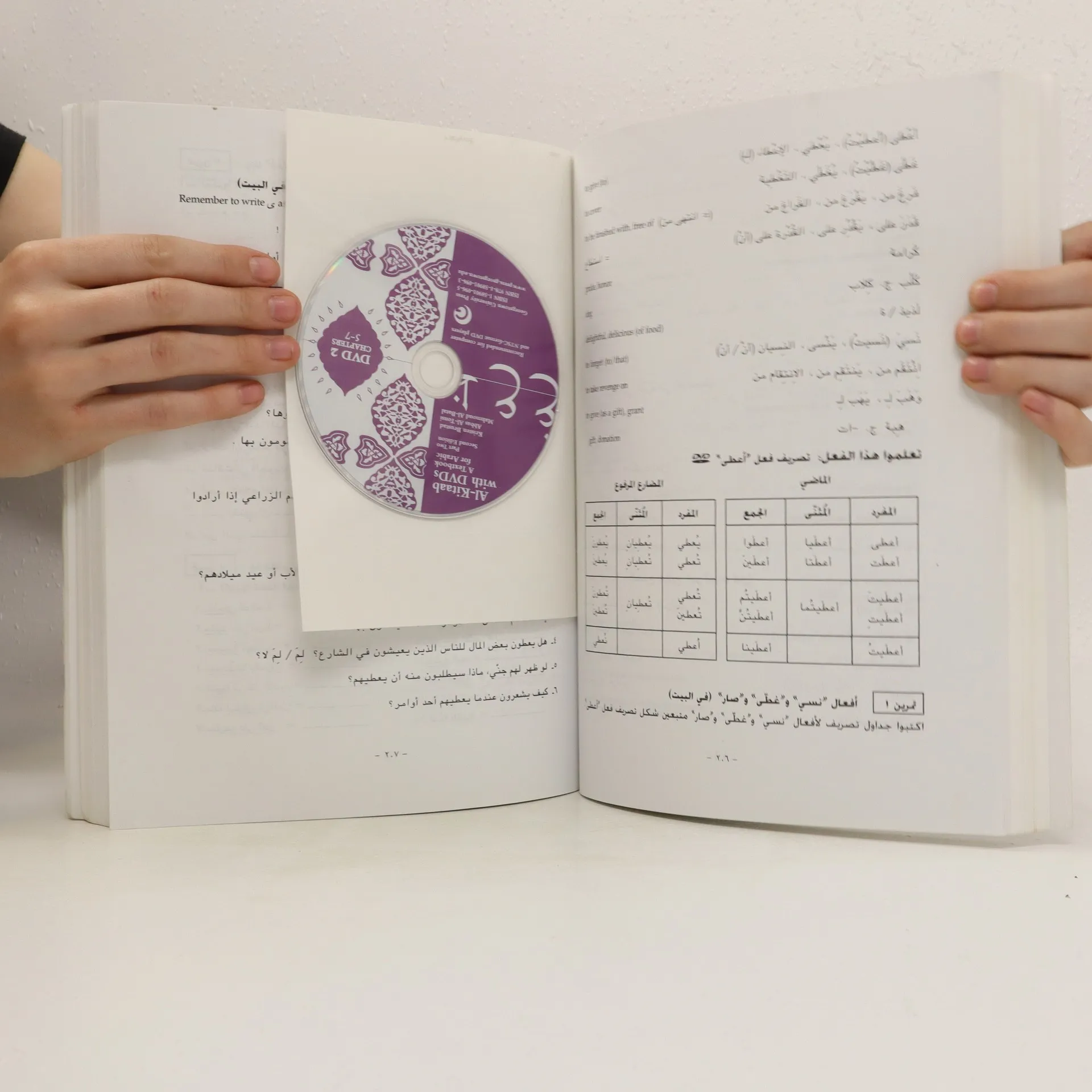
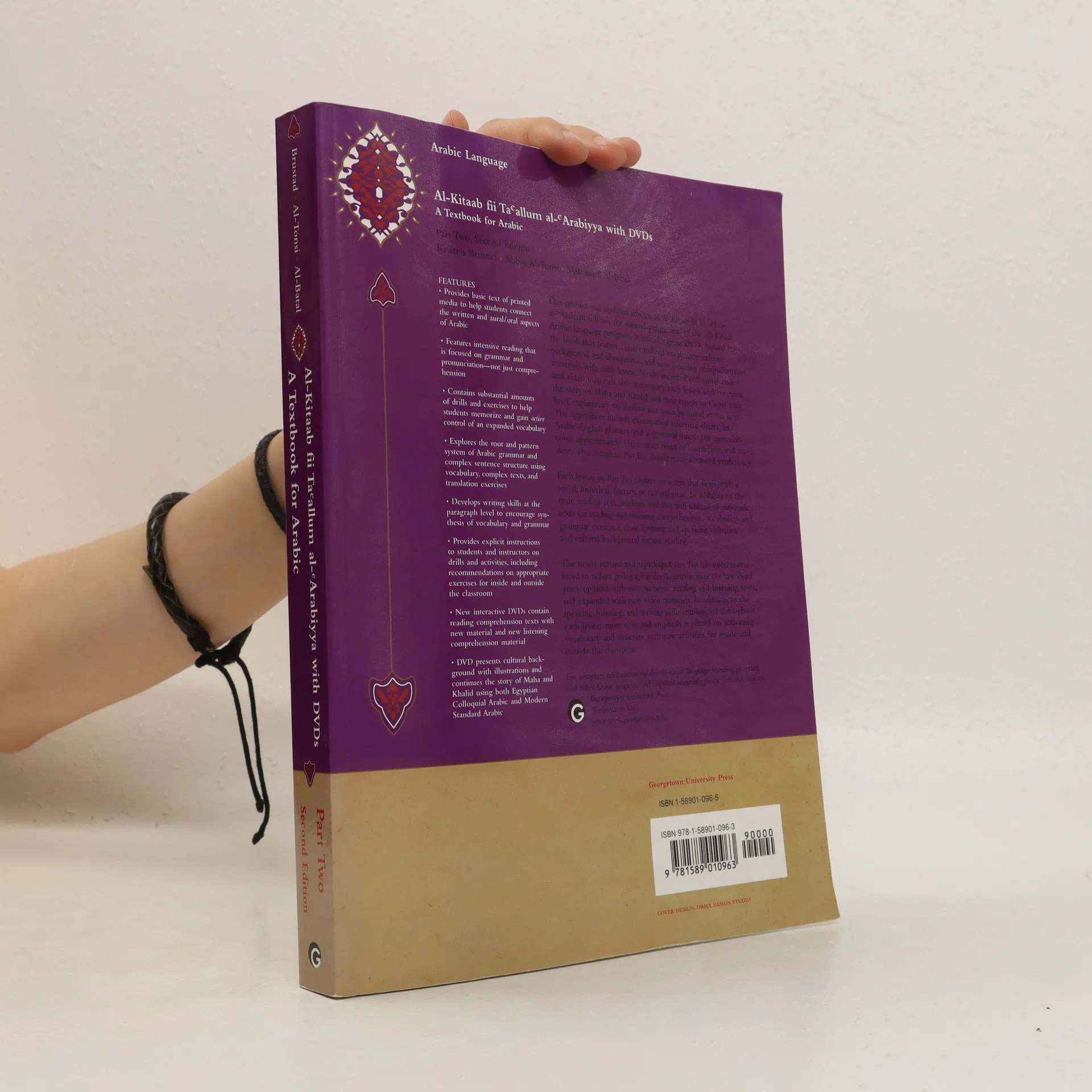
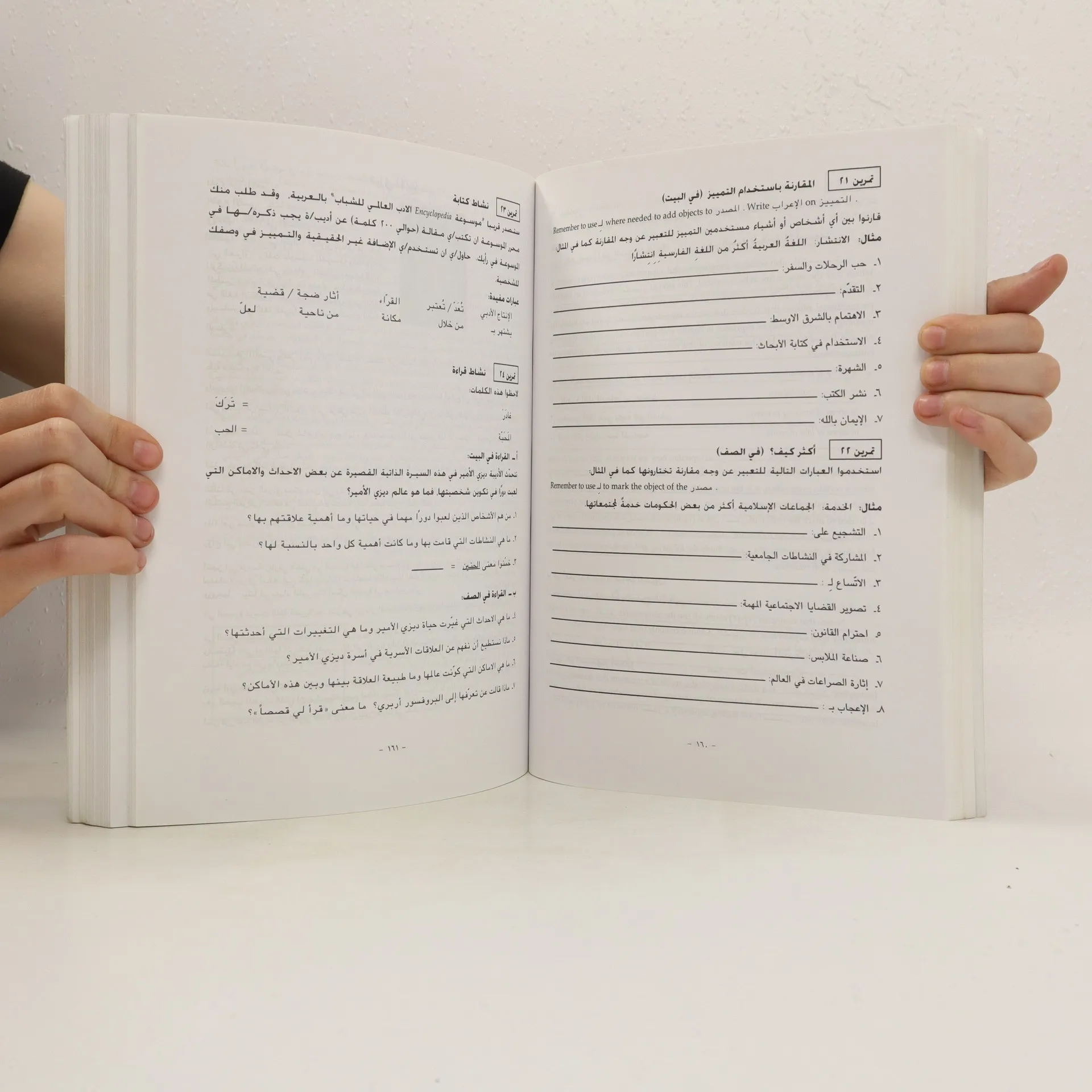
This Arabic language textbook program uses a communicative, proficiency-oriented approach with fully integrated audio-visual media to teach modern Arabic as a living language. It focuses on developing skills in standard Arabic and gradually introduces students to the most widely spoken dialect in the Arabic-speaking world. Features include lessons that build on authentic reading passages, ten chapters each dealing with a social, historical, literary, or cultural issue, and additional authentic texts for reading and listening comprehension. The book introduces a wide range of styles and genres from the modern and classical periods. Each lesson includes vocabulary and grammar exercises as well as close listening and speaking activities, with a separate section providing cultural background for the reading. The appendices contain an Arabic-English glossary and grammatical reference charts. It covers approximately 130 contact hours of instruction, and students completing this part should reach the threshold of an advanced level of proficiency.
Compra de libros
al-Kitāb fī ta'allum al-'Arabīyah = A textbook for beginning Arabic, Kristen Brustad, Abbas Al-Tonsi, Mahmoud Al-Batal
- Idioma


- Publicado en
- 2014
- product-detail.submit-box.info.binding
- (Tapa blanda)
Métodos de pago
Nos falta tu reseña aquí
- Título
- al-Kitāb fī ta'allum al-'Arabīyah = A textbook for beginning Arabic
- Idioma
- Inglés, Árabe
- Editorial
- Georgetown University Press
- Publicado en
- 2014
- Formato
- Tapa blanda
- Páginas
- 452
- ISBN10
- 1589010965
- ISBN13
- 9781589010963
- Serie
- Etiquetas
- No ficción, Ciencias sociales, Libros de texto, Diccionarios y libros de texto de idiomas, Guías y Manuales, Idiomas, Escuela, Libros de idiomas
- Calificación
- 3,7 de 5
- Descripción
- This Arabic language textbook program uses a communicative, proficiency-oriented approach with fully integrated audio-visual media to teach modern Arabic as a living language. It focuses on developing skills in standard Arabic and gradually introduces students to the most widely spoken dialect in the Arabic-speaking world. Features include lessons that build on authentic reading passages, ten chapters each dealing with a social, historical, literary, or cultural issue, and additional authentic texts for reading and listening comprehension. The book introduces a wide range of styles and genres from the modern and classical periods. Each lesson includes vocabulary and grammar exercises as well as close listening and speaking activities, with a separate section providing cultural background for the reading. The appendices contain an Arabic-English glossary and grammatical reference charts. It covers approximately 130 contact hours of instruction, and students completing this part should reach the threshold of an advanced level of proficiency.