

Más información sobre el libro
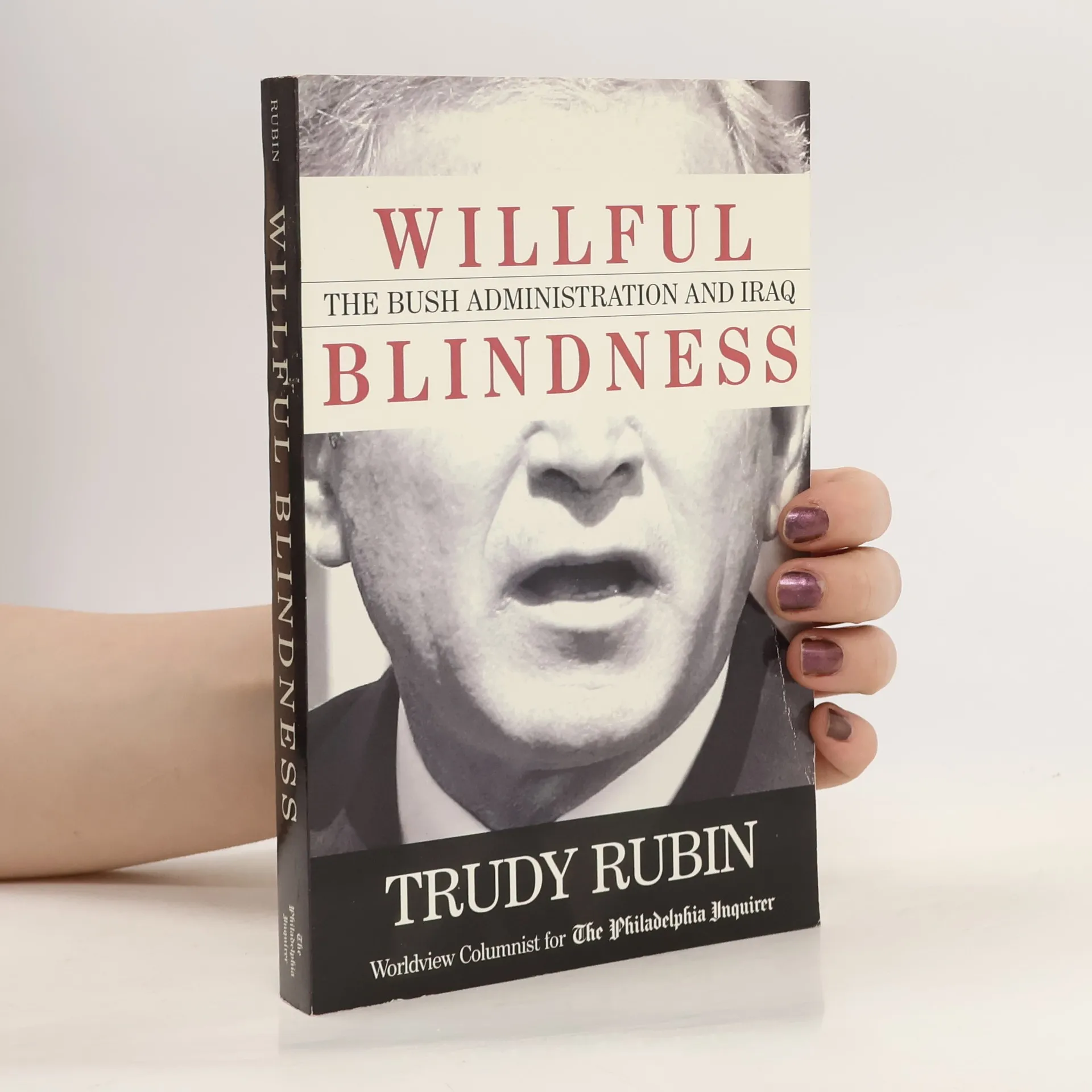
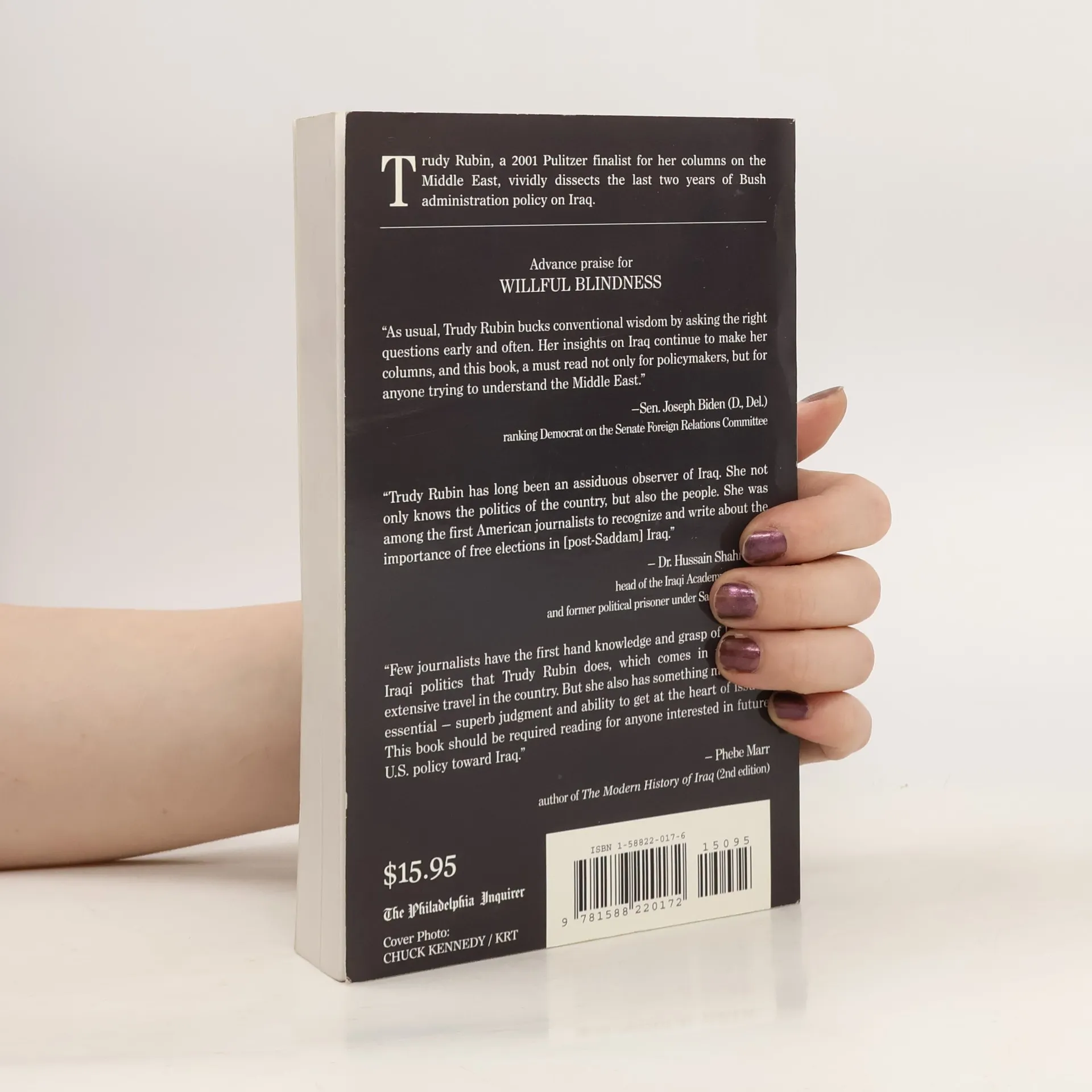
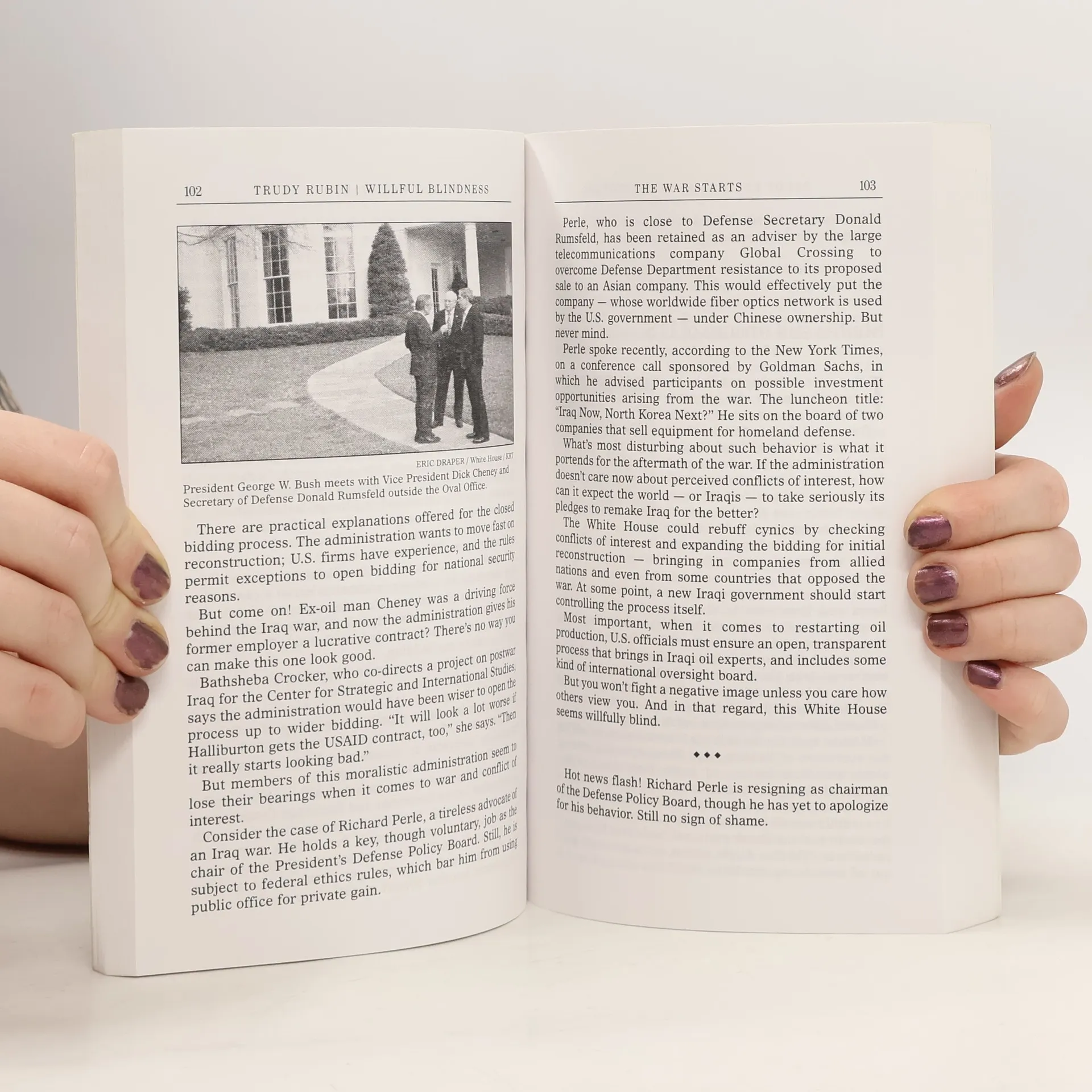
Just weeks before a presidential election in which Iraq is the hottest issue, one of America's sharpest foreign affairs commentators lays out how the Bush team marched into a quagmire. This collection of columns from July 2002 - June 2004 vividly portrays how the administration misconceived the Iraq war and mishandled the postwar. The book draws on her three lengthy trips to Iraq since the fall of Baghdad, and her close contacts with members of the new Iraqi government, Iraqi clerics, and a broad range of ordinary Iraqis. Rubin is one of the few foreign policy commentators who knows this story from both the Iraqi and American angles. As the situation worsens daily, and Washington belatedly tries to adopt many of the strategies she advocated from the start of the occupation, Rubin looks at what must be done to prevent Iraq from deteriorating into a terrorist haven and to enable the United States to draw down its troops. At a critical time when Americans need to make an informed decision about their country's political future and its role in Iraq, Rubin simplifies a complex story in a way that lets the readers understand what is really going on behind the headlines.
Compra de libros
Willful Blindness, Trudy Rubin
- Idioma

- Publicado en
- 2004
- Encuadernación
- (Tapa blanda)
Métodos de pago
Nos falta tu reseña aquí
- Título
- Willful Blindness
- Idioma
- Inglés
- Autores
- Trudy Rubin
- Publicado en
- 2004
- Formato
- Tapa blanda
- Páginas
- 368
- ISBN10
- 1588220176
- ISBN13
- 9781588220172
- Serie
- Categorías
- Etiquetas
- Calificación
- 3 de 5
- Descripción
- Just weeks before a presidential election in which Iraq is the hottest issue, one of America's sharpest foreign affairs commentators lays out how the Bush team marched into a quagmire. This collection of columns from July 2002 - June 2004 vividly portrays how the administration misconceived the Iraq war and mishandled the postwar. The book draws on her three lengthy trips to Iraq since the fall of Baghdad, and her close contacts with members of the new Iraqi government, Iraqi clerics, and a broad range of ordinary Iraqis. Rubin is one of the few foreign policy commentators who knows this story from both the Iraqi and American angles. As the situation worsens daily, and Washington belatedly tries to adopt many of the strategies she advocated from the start of the occupation, Rubin looks at what must be done to prevent Iraq from deteriorating into a terrorist haven and to enable the United States to draw down its troops. At a critical time when Americans need to make an informed decision about their country's political future and its role in Iraq, Rubin simplifies a complex story in a way that lets the readers understand what is really going on behind the headlines.