

Parámetros
- 264 páginas
- 10 horas de lectura
Más información sobre el libro
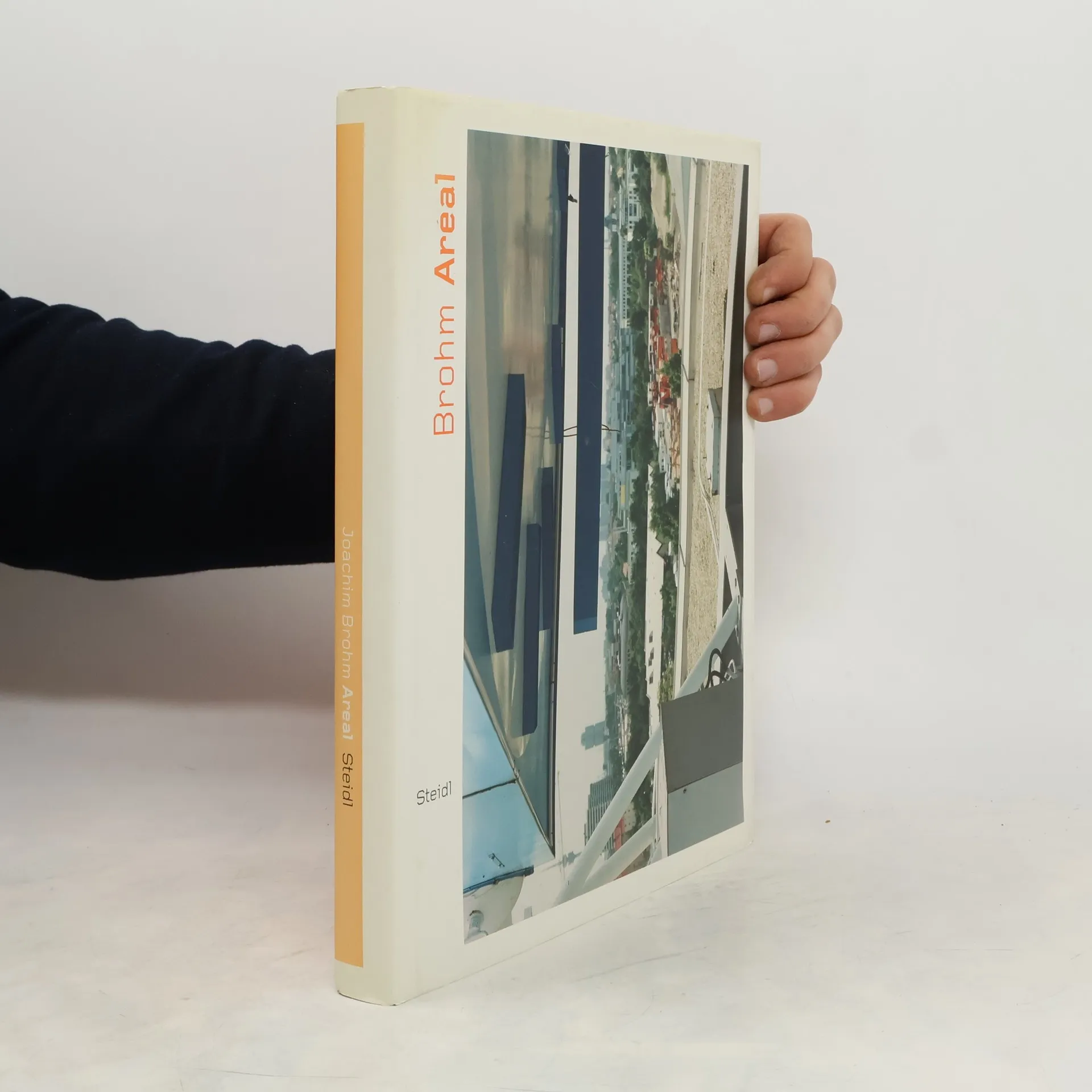
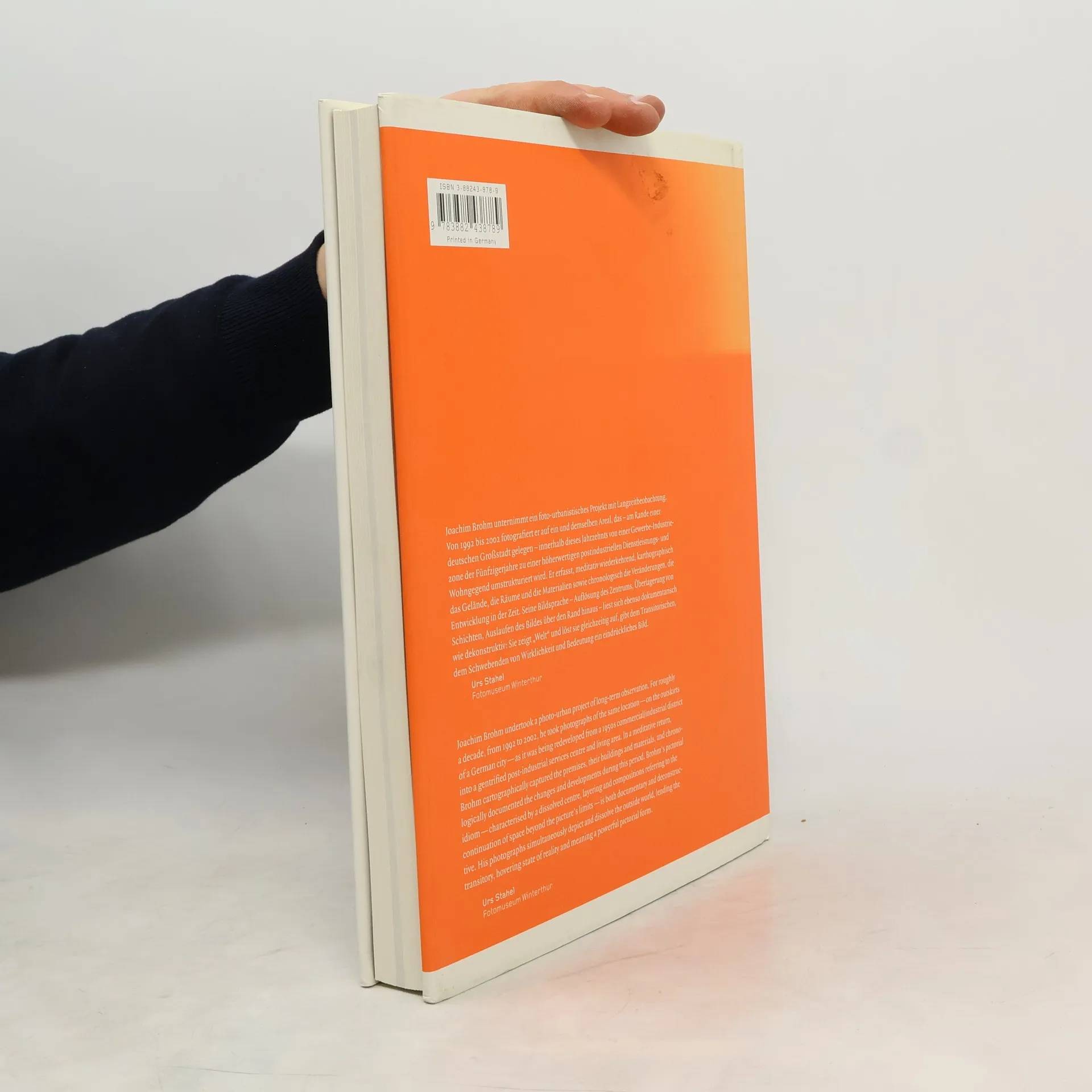
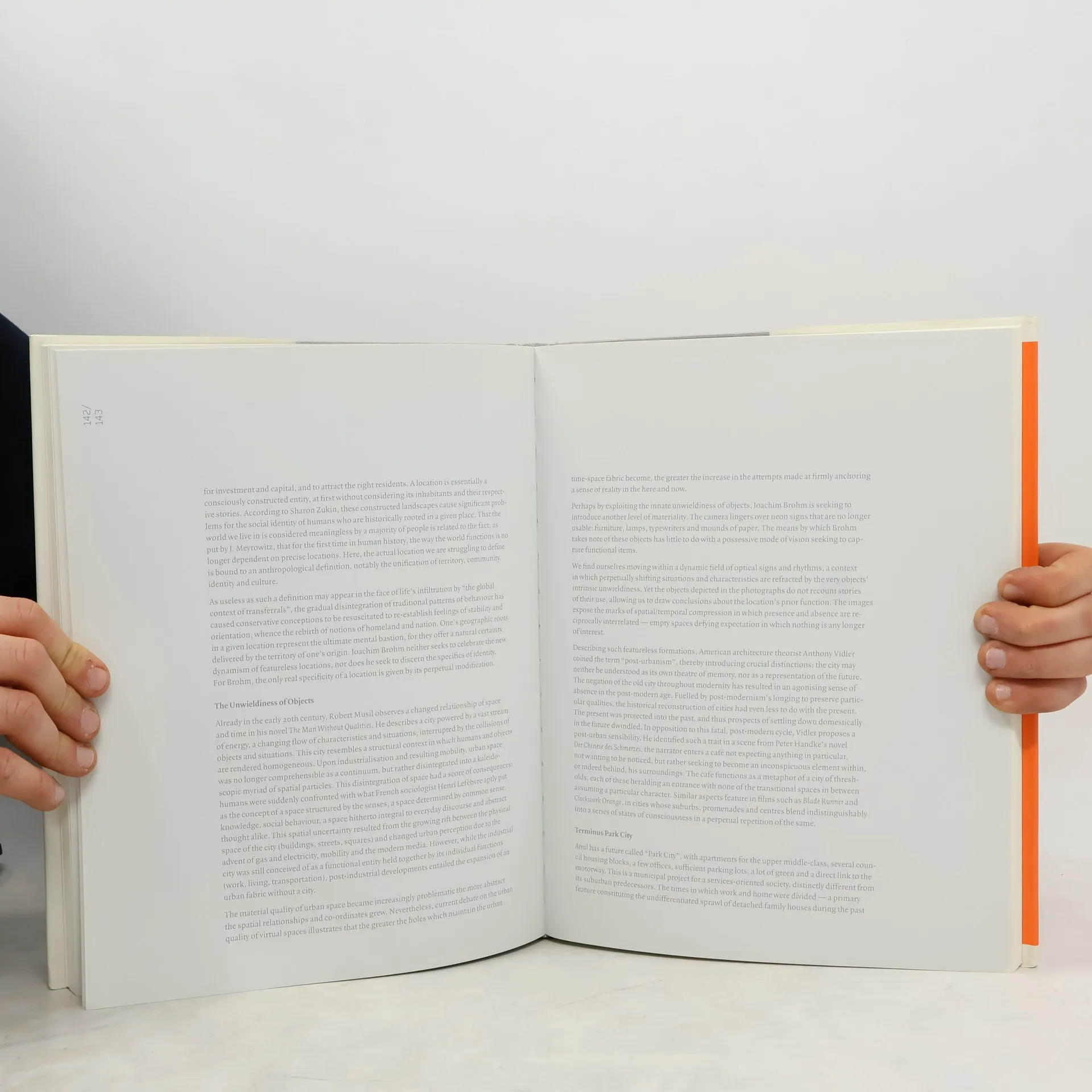
For roughly a decade, from 1992 to 2002, Joachim Brohm undertook a photographic project of long-term urban observation. At the same location on the outskirts of a German city, he took hundreds of pictures of redevelopment, recording the place as it was transformed from a 1950s commercial/industrial district into a gentrified post-industrial services center and living area. In a meditative response to these changes, Brohm cartographically captured the premises, their buildings and materials, and chronologically documented the developments during this period. Brohm's pictorial idiom--characterized by a dissolved center, with layering and composition referencing the continuation of space beyond the frame's limits--is both documentary and deconstructive. His photographs simultaneously depict and dissolve the outside world, lending the transitory, hovering state of reality and meaning a powerful pictorial form.
Compra de libros
Joachim Brohm, Regina Bittner, Joachim Brohm, Oliver Kossack, Urs Stahel
- Idioma

- Publicado en
- 2003
- Encuadernación
- (Tapa dura)
Métodos de pago
Nadie lo ha calificado todavía.
- Título
- Joachim Brohm
- Subtítulo
- Areal
- Idioma
- Inglés
- Autores
- Regina Bittner, Joachim Brohm, Oliver Kossack, Urs Stahel
- Editorial
- Steidl
- Publicado en
- 2003
- Formato
- Tapa dura
- Páginas
- 264
- ISBN10
- 3882438789
- ISBN13
- 9783882438789
- Serie
- Categorías
- Descripción
- For roughly a decade, from 1992 to 2002, Joachim Brohm undertook a photographic project of long-term urban observation. At the same location on the outskirts of a German city, he took hundreds of pictures of redevelopment, recording the place as it was transformed from a 1950s commercial/industrial district into a gentrified post-industrial services center and living area. In a meditative response to these changes, Brohm cartographically captured the premises, their buildings and materials, and chronologically documented the developments during this period. Brohm's pictorial idiom--characterized by a dissolved center, with layering and composition referencing the continuation of space beyond the frame's limits--is both documentary and deconstructive. His photographs simultaneously depict and dissolve the outside world, lending the transitory, hovering state of reality and meaning a powerful pictorial form.