

Parámetros
- 280 páginas
- 10 horas de lectura
Más información sobre el libro
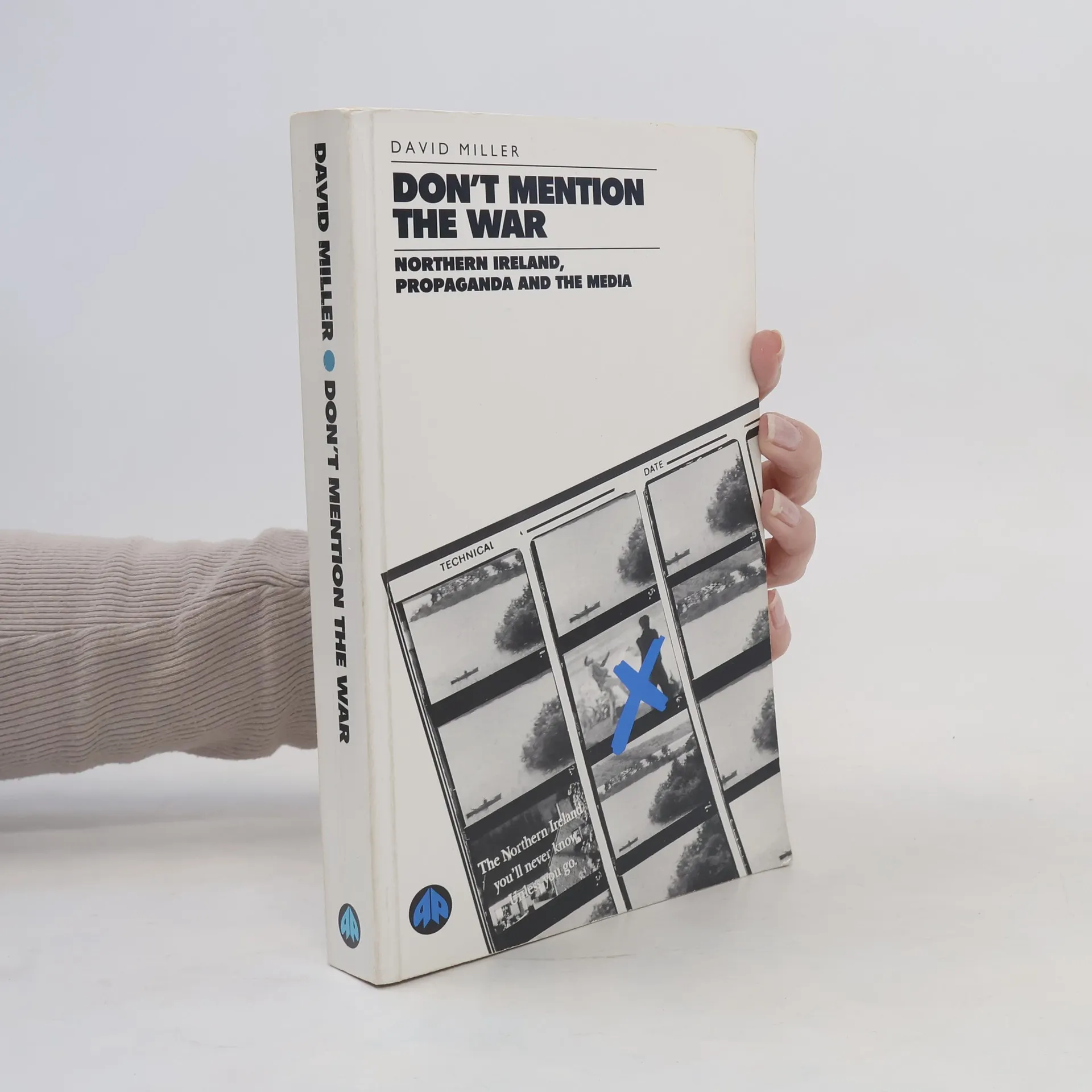
For over twenty-five years, the media have portrayed the conflict in Northern Ireland as an irrational confrontation -- a war that was not called a war and had no objective social basis. 'Terrorism' caused 'the Troubles'; the British Army kept the peace. The conflict was effectively marginalised in the minds of the public at large. In Don't Mention the War , David Miller chronicles the propaganda and (mis)information management which did so much to distort and impoverish media reporting of the conflict. Given unprecedented access to senior officials, as well as the key spokespersons for all the major political groupings in Northern Ireland, Miller paints a disturbing picture of the success of the media managers in manipulating public perceptions of the issues, and breaks new ground in exploring the complex relationships between propaganda, public opinion and power.
Compra de libros
Don't Mention the War, David Miller
- Idioma

- Publicado en
- 1994
- Encuadernación
- (Tapa blanda)
Métodos de pago
Nos falta tu reseña aquí
- Título
- Don't Mention the War
- Subtítulo
- Northern Ireland, Propaganda and the Media
- Idioma
- Inglés
- Autores
- David Miller
- Editorial
- Pluto Press
- Publicado en
- 1994
- Formato
- Tapa blanda
- Páginas
- 280
- ISBN10
- 0745308368
- ISBN13
- 9780745308364
- Serie
- Categorías
- Etiquetas
- Tema histórico, Europa, Literatura especializada, Teorías Políticas, Irlanda, Medios y comunicación mediática, Terrorismo, Propaganda, Derecho Civil, Irlanda del Norte
- Calificación
- 3,8 de 5
- Descripción
- For over twenty-five years, the media have portrayed the conflict in Northern Ireland as an irrational confrontation -- a war that was not called a war and had no objective social basis. 'Terrorism' caused 'the Troubles'; the British Army kept the peace. The conflict was effectively marginalised in the minds of the public at large. In Don't Mention the War , David Miller chronicles the propaganda and (mis)information management which did so much to distort and impoverish media reporting of the conflict. Given unprecedented access to senior officials, as well as the key spokespersons for all the major political groupings in Northern Ireland, Miller paints a disturbing picture of the success of the media managers in manipulating public perceptions of the issues, and breaks new ground in exploring the complex relationships between propaganda, public opinion and power.