

Más información sobre el libro
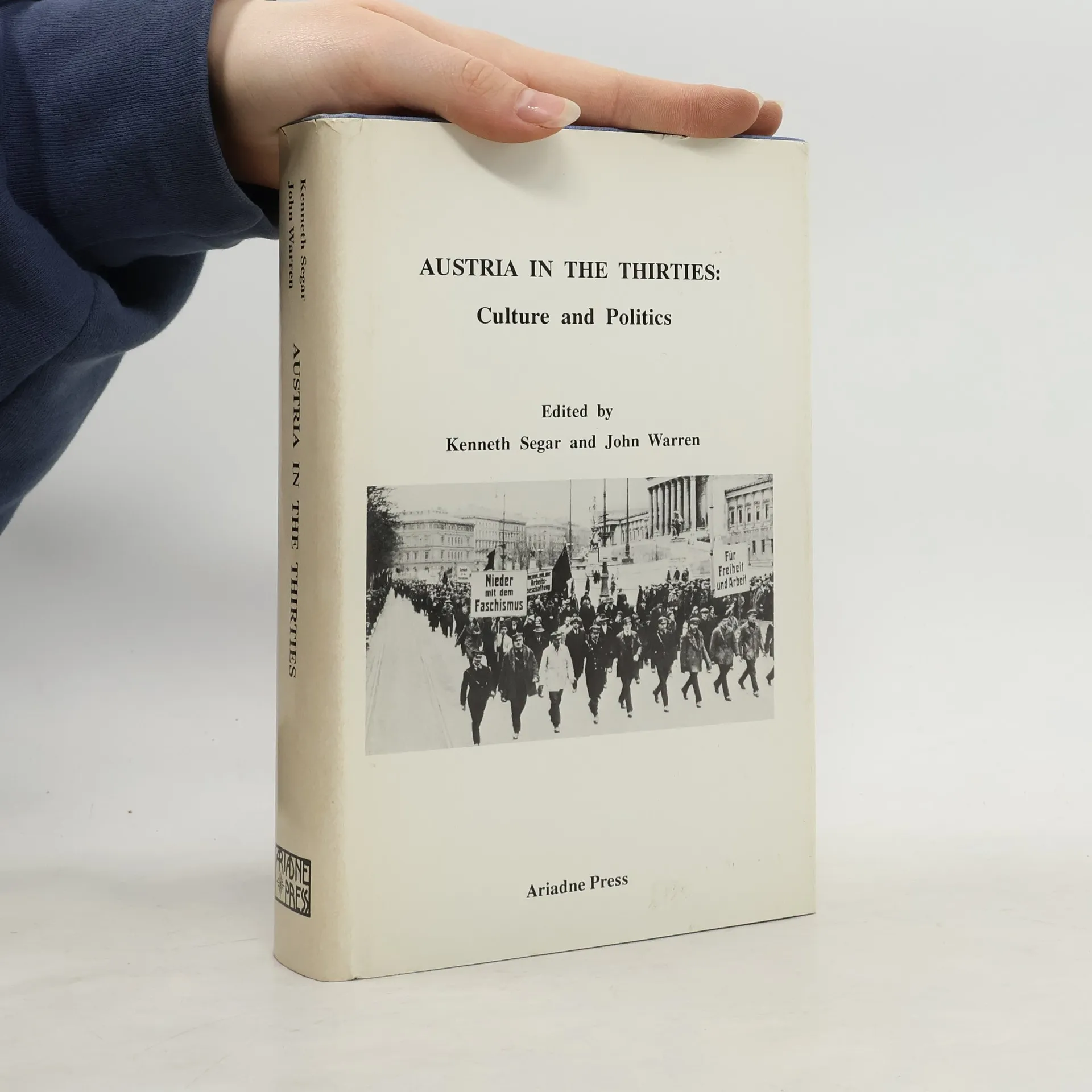
These essays deal with the interaction between culture and politics during the period of the Austrian Corporate State, the five years preceding the Anschluss in 1938. The contributions show that no aspect of literary and cultural life remained unchanged by the National Socialist infiltration that took place in the 1930s. All Austrian writers, publishers, theater directors, and film makers had to decide whether to face economic penalty by opposing National Socialism and being blacklisted in Germany or to seek financial advantage by joining the Nazi movement. Jewish writers and political activists had no choice but were forced to flee into exile or face imprisonment in concentration camps after the Anschluss.
Compra de libros
Studies in Austrian Literature, Culture, and Thought: Austria in the Thirties, Kenneth Segar, John Warren
- Idioma

- Publicado en
- 1990
Métodos de pago
Nadie lo ha calificado todavía.
- Título
- Studies in Austrian Literature, Culture, and Thought: Austria in the Thirties
- Subtítulo
- Culture and Politics
- Idioma
- Inglés
- Autores
- Kenneth Segar, John Warren
- Editorial
- Ariadne Press
- Publicado en
- 1990
- Páginas
- 391
- ISBN10
- 0929497104
- ISBN13
- 9780929497105
- Serie
- Etiquetas
- Tema histórico, Austria, Nazismo, Cultura y Política
- Descripción
- These essays deal with the interaction between culture and politics during the period of the Austrian Corporate State, the five years preceding the Anschluss in 1938. The contributions show that no aspect of literary and cultural life remained unchanged by the National Socialist infiltration that took place in the 1930s. All Austrian writers, publishers, theater directors, and film makers had to decide whether to face economic penalty by opposing National Socialism and being blacklisted in Germany or to seek financial advantage by joining the Nazi movement. Jewish writers and political activists had no choice but were forced to flee into exile or face imprisonment in concentration camps after the Anschluss.