

Parámetros
- 176 páginas
- 7 horas de lectura
Más información sobre el libro
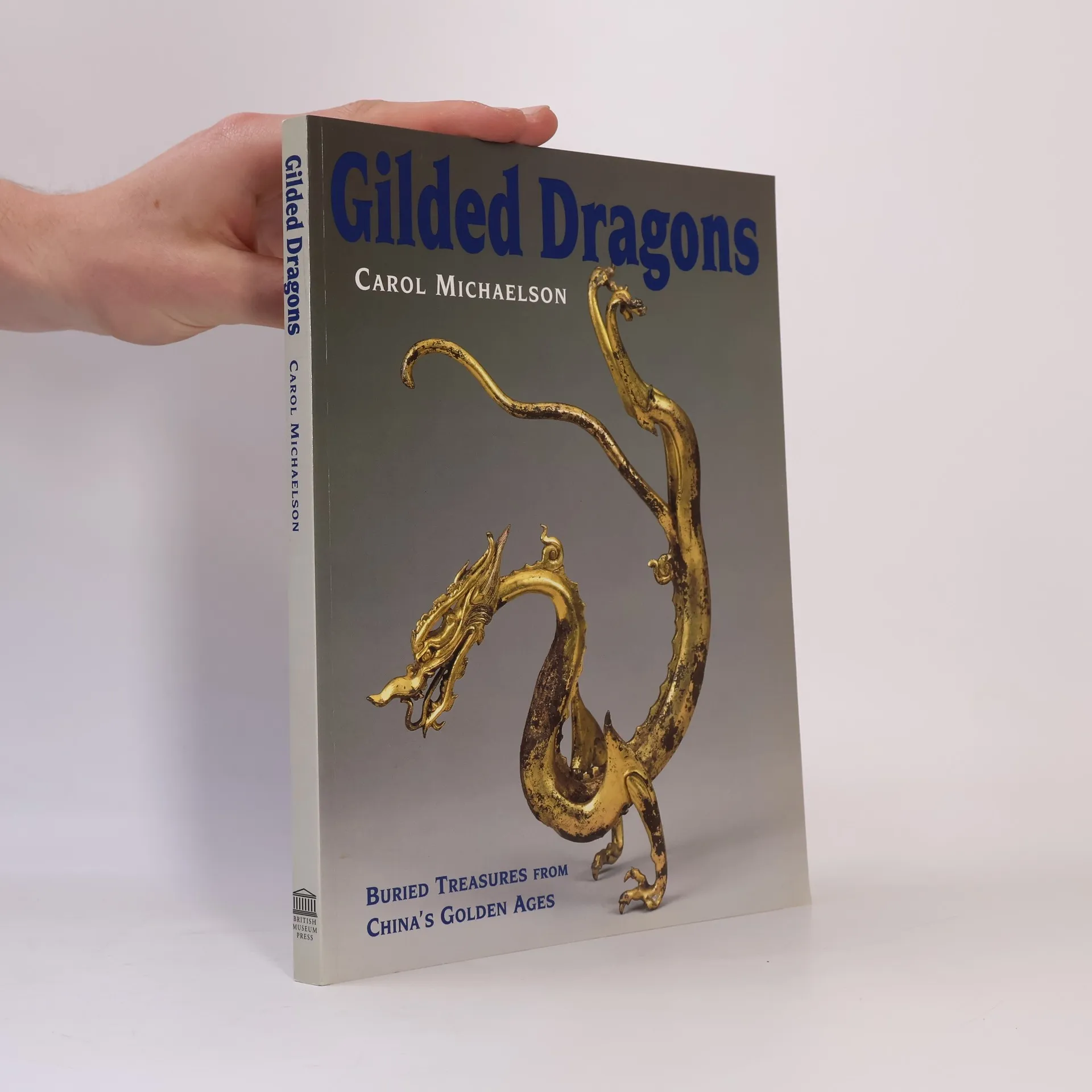
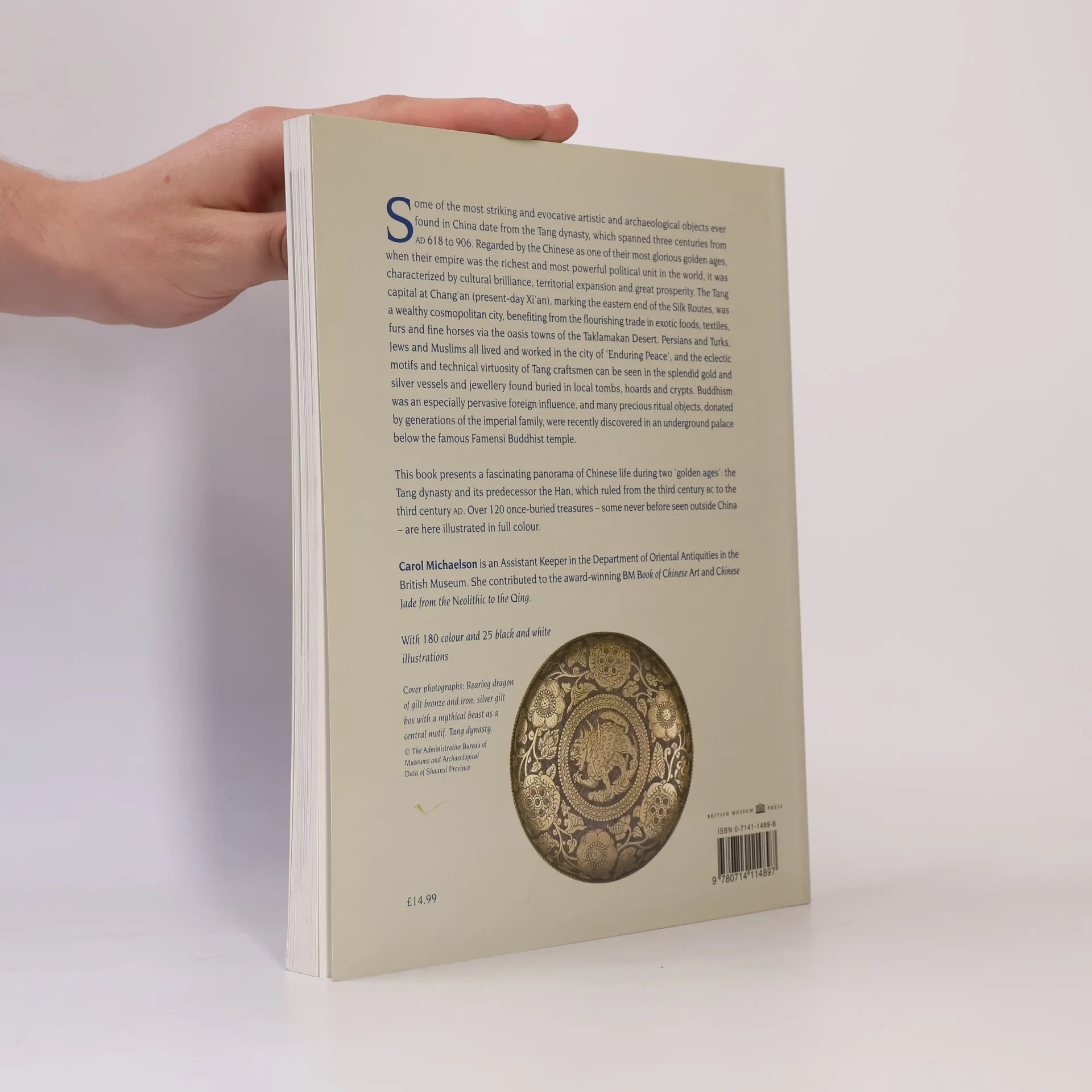
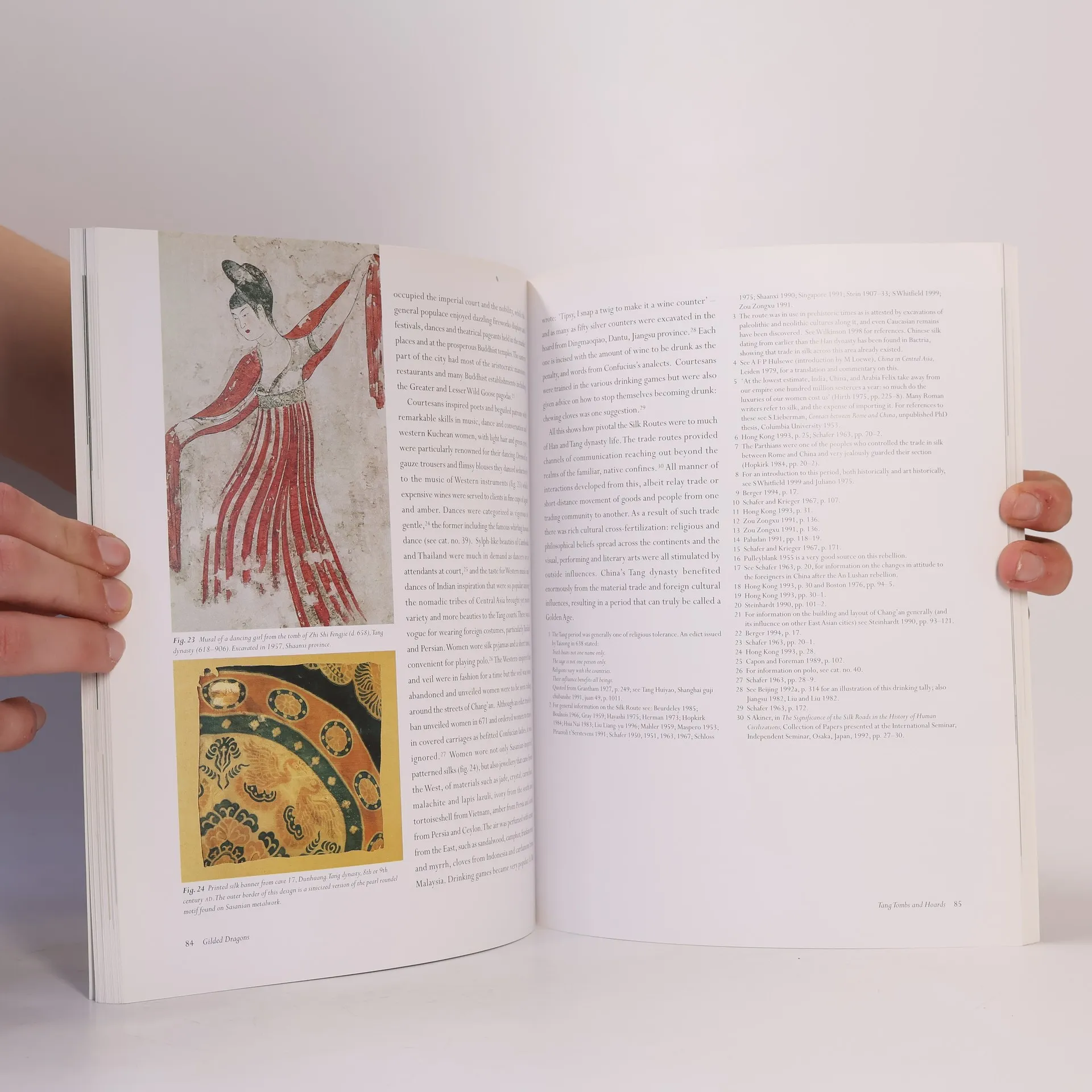
Some of the most evocative artistic and archaeological objects found in China date from the Tang Dynasty (AD 618-906), a period regarded as one of the nation's most glorious. Characterized by cultural brilliance, territorial expansion, and great prosperity, the Tang era saw the empire become the richest and most powerful political unit in the world. The capital, Chang'an (present-day Xi'an), was a cosmopolitan hub at the eastern end of the Silk Routes, thriving on trade in exotic goods like foods, textiles, and fine horses. The city was home to diverse communities, including Persians, Turks, Jews, and Muslims, contributing to the eclectic motifs and technical virtuosity of Tang craftsmanship, evident in splendid gold and silver vessels and jewelry found in tombs and crypts. Buddhism emerged as a significant foreign influence, with precious ritual objects donated by the imperial family discovered in an underground palace beneath the Famensi Buddhist temple. This book explores a succession of golden ages in Chinese history, from the reign of the First Emperor Qin Shi Huangdi in the early third century BC through the Han Dynasty to the Tang. It features an illustrated historical introduction and a catalogue showcasing every object, many never before seen outside China, each illustrated in color on its own page.
Compra de libros
Gilded Dragons, Carol Michaelson
- Idioma

- Publicado en
- 1999
- Encuadernación
- (Tapa blanda)
Métodos de pago
Nos falta tu reseña aquí
- Título
- Gilded Dragons
- Subtítulo
- Buried Treasures from China's Golden Ages
- Idioma
- Inglés
- Autores
- Carol Michaelson
- Editorial
- Art Media Resources Ltd
- Publicado en
- 1999
- Formato
- Tapa blanda
- Páginas
- 176
- ISBN10
- 0714114898
- ISBN13
- 9780714114897
- Serie
- Etiquetas
- Tema histórico, Arte, Catálogos de exposiciones, Antigüedad, Asia, China, Arqueología
- Calificación
- 4 de 5
- Descripción
- Some of the most evocative artistic and archaeological objects found in China date from the Tang Dynasty (AD 618-906), a period regarded as one of the nation's most glorious. Characterized by cultural brilliance, territorial expansion, and great prosperity, the Tang era saw the empire become the richest and most powerful political unit in the world. The capital, Chang'an (present-day Xi'an), was a cosmopolitan hub at the eastern end of the Silk Routes, thriving on trade in exotic goods like foods, textiles, and fine horses. The city was home to diverse communities, including Persians, Turks, Jews, and Muslims, contributing to the eclectic motifs and technical virtuosity of Tang craftsmanship, evident in splendid gold and silver vessels and jewelry found in tombs and crypts. Buddhism emerged as a significant foreign influence, with precious ritual objects donated by the imperial family discovered in an underground palace beneath the Famensi Buddhist temple. This book explores a succession of golden ages in Chinese history, from the reign of the First Emperor Qin Shi Huangdi in the early third century BC through the Han Dynasty to the Tang. It features an illustrated historical introduction and a catalogue showcasing every object, many never before seen outside China, each illustrated in color on its own page.