


Más información sobre el libro
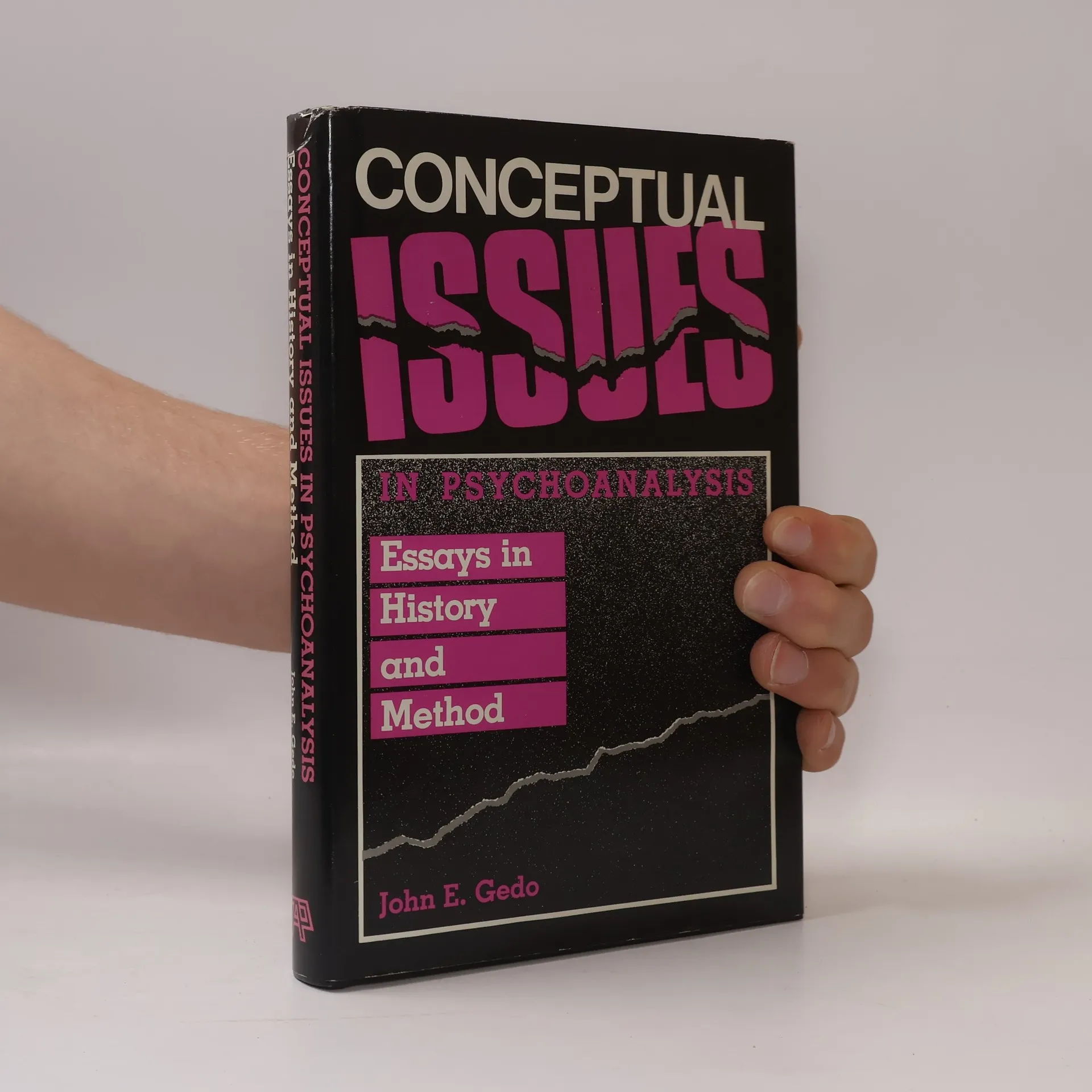
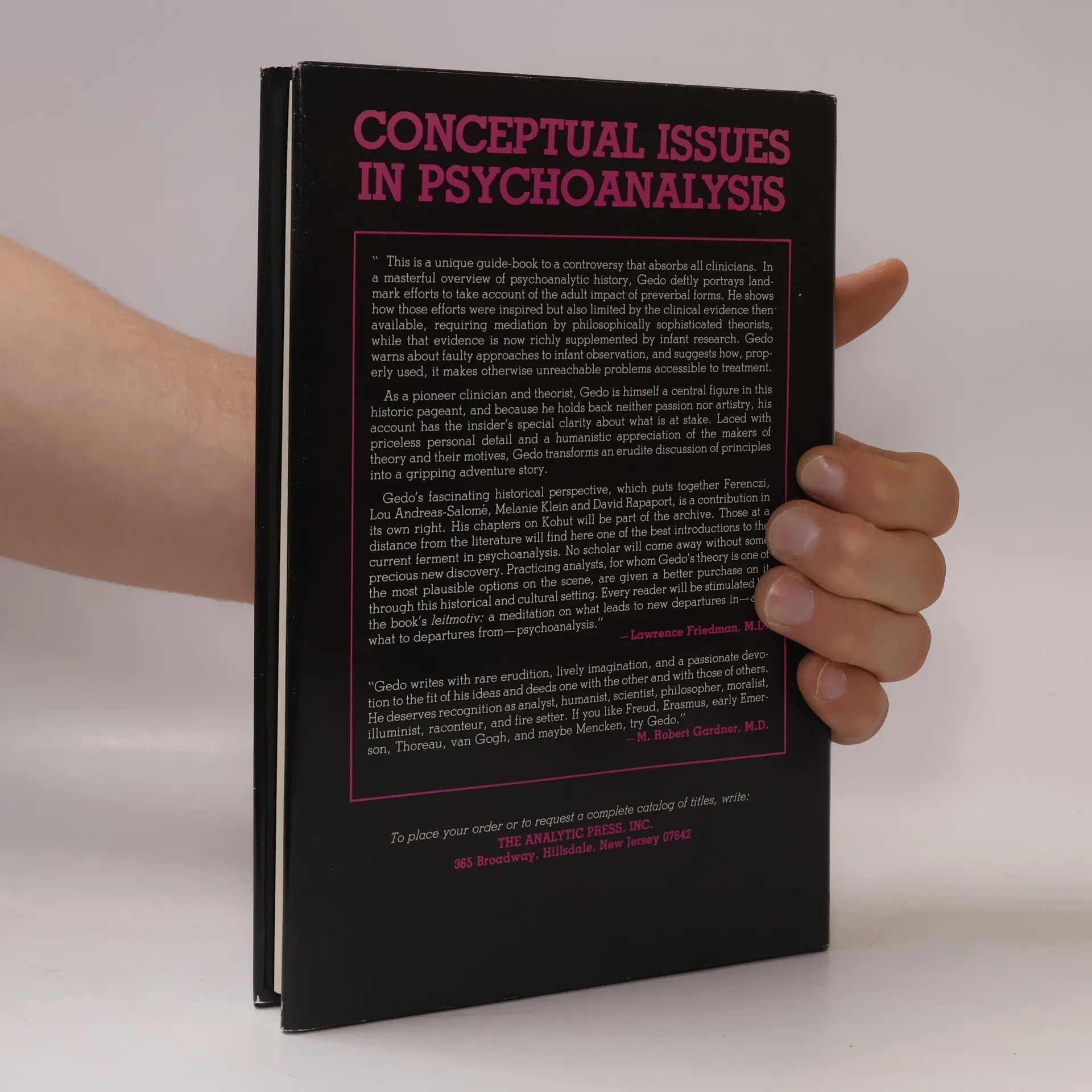
In Conceptual Issues in Psychoanalysis, John Gedo explores "dissidence" within the field, drawing on his expertise in Freudian theory and historical context. He begins by examining recent portrayals of Freud's character, critiquing the intellectual and personal biases of figures like Frank Sulloway, Jeffrey Masson, and Peter Swales. This sets the stage for Gedo's own historical definition of psychoanalysis. He then delves into the works of Sandor Ferenczi, Melanie Klein, and Heinz Kohut, highlighting the shared themes among these three generations of dissidents who sought to challenge Freud's foundational theories. Gedo also provides insightful analyses of Lou Andreas-Salome and David Rapaport, whom he regards as "epistemological referees" striving to bridge the unique perspectives of their times. In the book's second part, Gedo posits that psychoanalysis can evolve beyond its historical dissidence by utilizing observational research on infancy and early childhood to assess its clinical hypotheses. He critiques recent attempts to connect infant research with psychoanalytic developmental theory, ultimately offering his own measured view on the "legacy of infancy and the technique of psychoanalysis." The concluding chapters address the implications of scientific methods for analysis and its role in enriching "vocabularies of moral deliberation."
Compra de libros
Conceptual Issues in Psychoanalysis, John E. Gedo
- Idioma

- Publicado en
- 1986
- Encuadernación
- (Tapa dura)
Métodos de pago
Nadie lo ha calificado todavía.
- Título
- Conceptual Issues in Psychoanalysis
- Subtítulo
- Essays in History and Method
- Idioma
- Inglés
- Autores
- John E. Gedo
- Editorial
- Routledge
- Publicado en
- 1986
- Formato
- Tapa dura
- Páginas
- 243
- ISBN10
- 0881630500
- ISBN13
- 9780881630503
- Serie
- Categorías
- Etiquetas
- Temas psicológicos, Salud mental, Psicoterapia, Psicoanálisis, Barroco, Psicopatología, Vincent van Gogh, Ego
- Descripción
- In Conceptual Issues in Psychoanalysis, John Gedo explores "dissidence" within the field, drawing on his expertise in Freudian theory and historical context. He begins by examining recent portrayals of Freud's character, critiquing the intellectual and personal biases of figures like Frank Sulloway, Jeffrey Masson, and Peter Swales. This sets the stage for Gedo's own historical definition of psychoanalysis. He then delves into the works of Sandor Ferenczi, Melanie Klein, and Heinz Kohut, highlighting the shared themes among these three generations of dissidents who sought to challenge Freud's foundational theories. Gedo also provides insightful analyses of Lou Andreas-Salome and David Rapaport, whom he regards as "epistemological referees" striving to bridge the unique perspectives of their times. In the book's second part, Gedo posits that psychoanalysis can evolve beyond its historical dissidence by utilizing observational research on infancy and early childhood to assess its clinical hypotheses. He critiques recent attempts to connect infant research with psychoanalytic developmental theory, ultimately offering his own measured view on the "legacy of infancy and the technique of psychoanalysis." The concluding chapters address the implications of scientific methods for analysis and its role in enriching "vocabularies of moral deliberation."