

Parámetros
- 259 páginas
- 10 horas de lectura
Más información sobre el libro
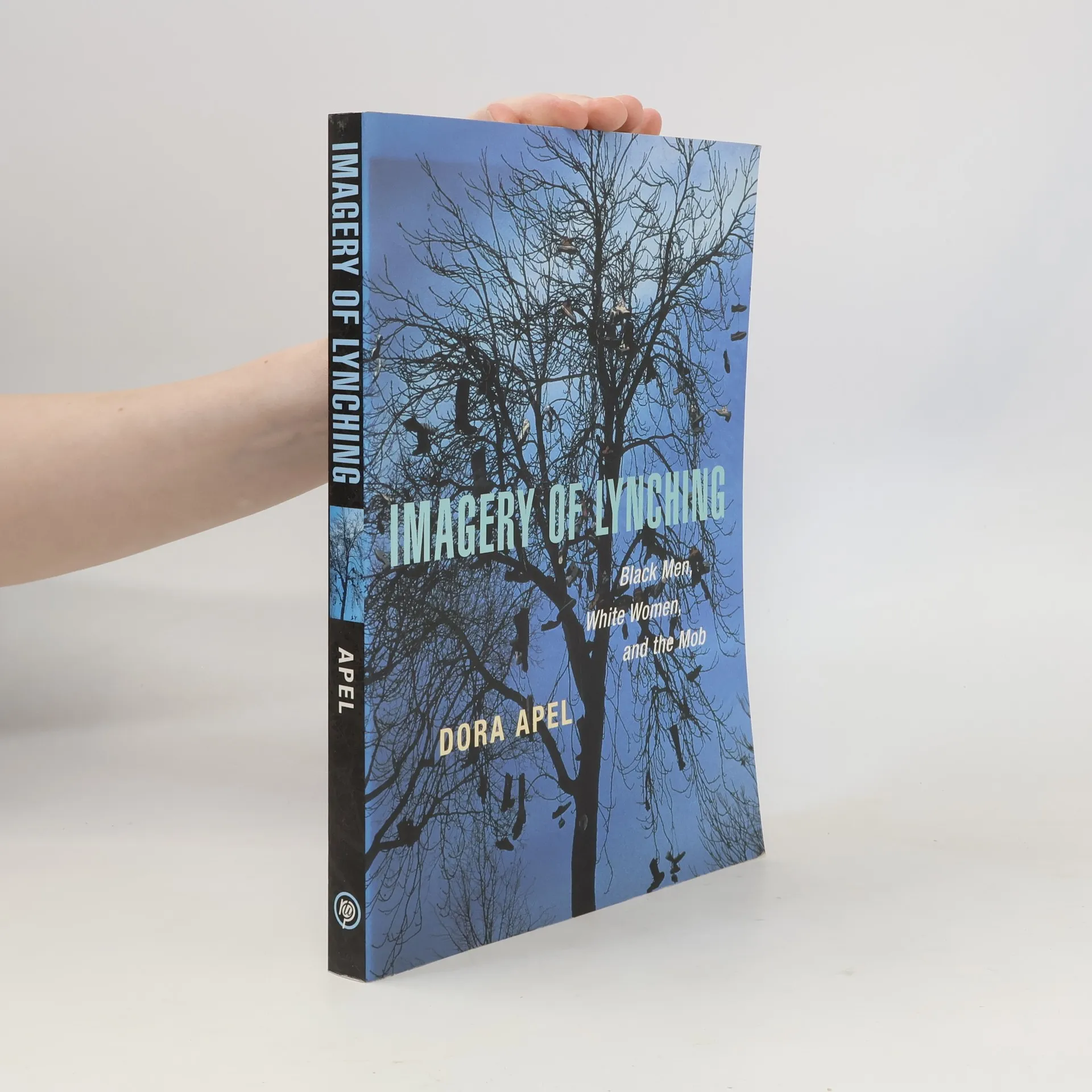
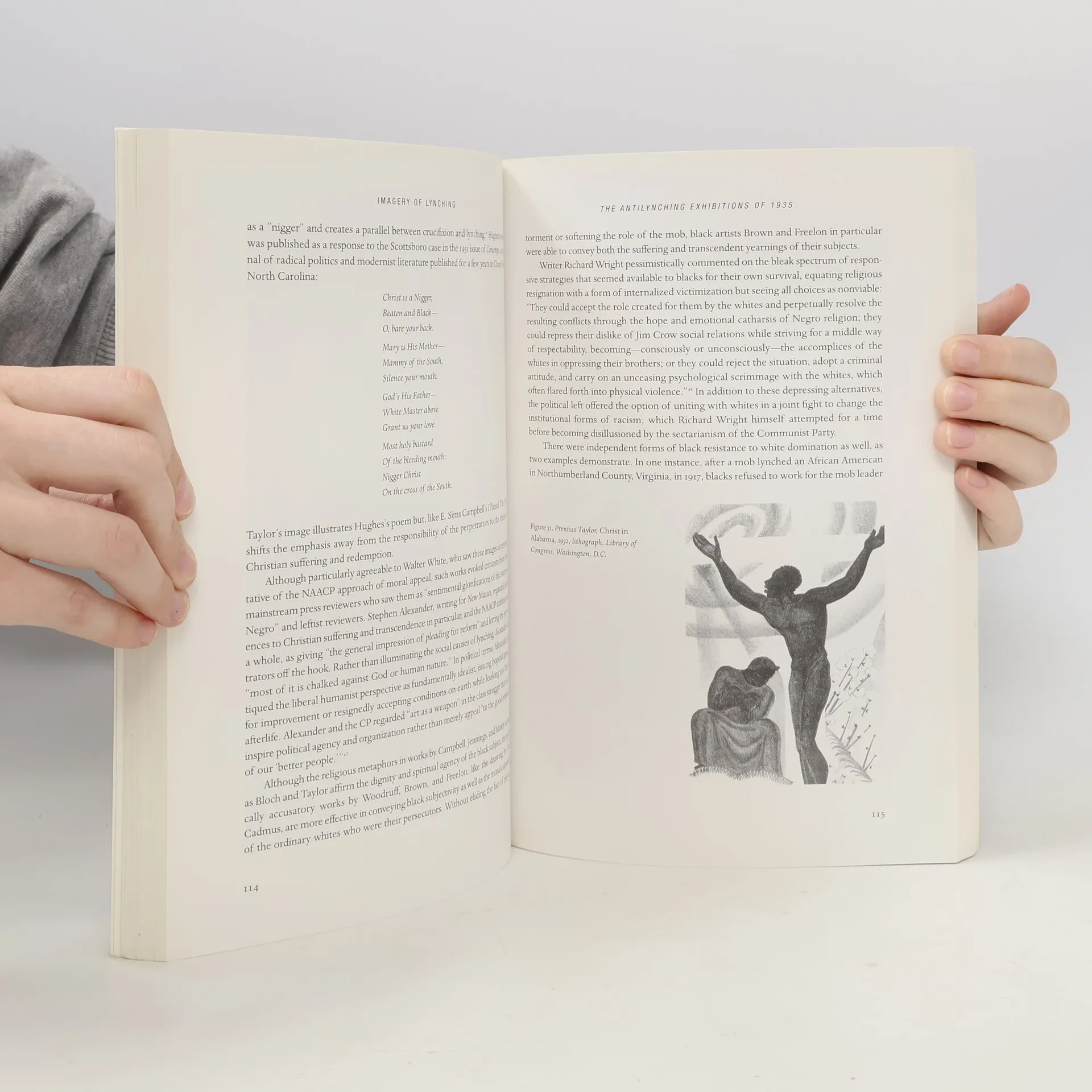
Outside of the classroom and scholarly publications, lynching has long been a taboo subject. Nice people, it is felt, do not talk about it, and they certainly do not look at images representing the atrocity. In Imagery of Lynching , Dora Apel contests this adopted stance of ignorance. Through a careful and compelling analysis of over one hundred representations of lynching, she shows how the visual documentation of such crimes can be a central vehicle for both constructing and challenging racial hierarchies. She examines how lynching was often orchestrated explicitly for the camera and how these images circulated on postcards, but also how they eventually were appropriated by antilynching forces and artists from the 1930s to the present. She further investigates how photographs were used to construct ideologies of "whiteness" and "blackness," the role that gender played in these visual representations, and how interracial desire became part of the imagery. Offering the fullest and most systematic discussion of the depiction of lynching in diverse visual forms, this book addresses questions about race, class, gender, and dissent in the shaping of American society. Although we may want to avert our gaze, Apel holds it with her sophisticated interpretations of traumatic images and the uses to which they have been put.
Compra de libros
Imagery of Lynching, Dora Apel
- Idioma

- Publicado en
- 2004
- Encuadernación
- (Tapa blanda)
Métodos de pago
Nadie lo ha calificado todavía.
- Título
- Imagery of Lynching
- Subtítulo
- Black Men, White Women, and the Mob
- Idioma
- Inglés
- Autores
- Dora Apel
- Editorial
- Rutgers University Press
- Publicado en
- 2004
- Formato
- Tapa blanda
- Páginas
- 259
- ISBN10
- 0813534593
- ISBN13
- 9780813534596
- Serie
- Categorías
- Etiquetas
- Tema histórico, Arte, EE.UU., Siglo XX, Literatura americana, Historia del arte, Raza, Racismo, Género, Justicia Social, Literatura afroamericana, Trauma, Discriminación, Postales, Etnicidad, Cultura Visual
- Descripción
- Outside of the classroom and scholarly publications, lynching has long been a taboo subject. Nice people, it is felt, do not talk about it, and they certainly do not look at images representing the atrocity. In Imagery of Lynching , Dora Apel contests this adopted stance of ignorance. Through a careful and compelling analysis of over one hundred representations of lynching, she shows how the visual documentation of such crimes can be a central vehicle for both constructing and challenging racial hierarchies. She examines how lynching was often orchestrated explicitly for the camera and how these images circulated on postcards, but also how they eventually were appropriated by antilynching forces and artists from the 1930s to the present. She further investigates how photographs were used to construct ideologies of "whiteness" and "blackness," the role that gender played in these visual representations, and how interracial desire became part of the imagery. Offering the fullest and most systematic discussion of the depiction of lynching in diverse visual forms, this book addresses questions about race, class, gender, and dissent in the shaping of American society. Although we may want to avert our gaze, Apel holds it with her sophisticated interpretations of traumatic images and the uses to which they have been put.