


Más información sobre el libro
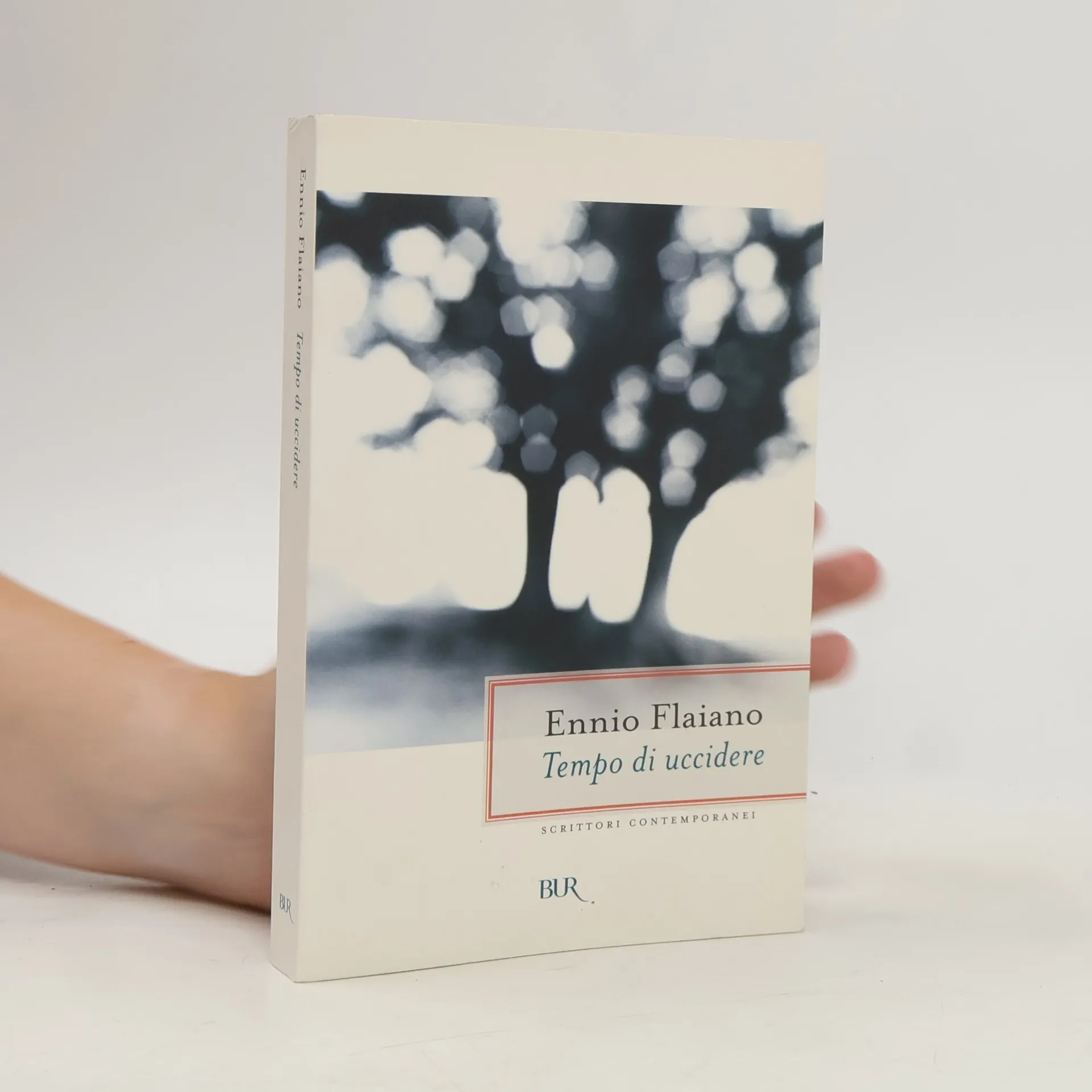
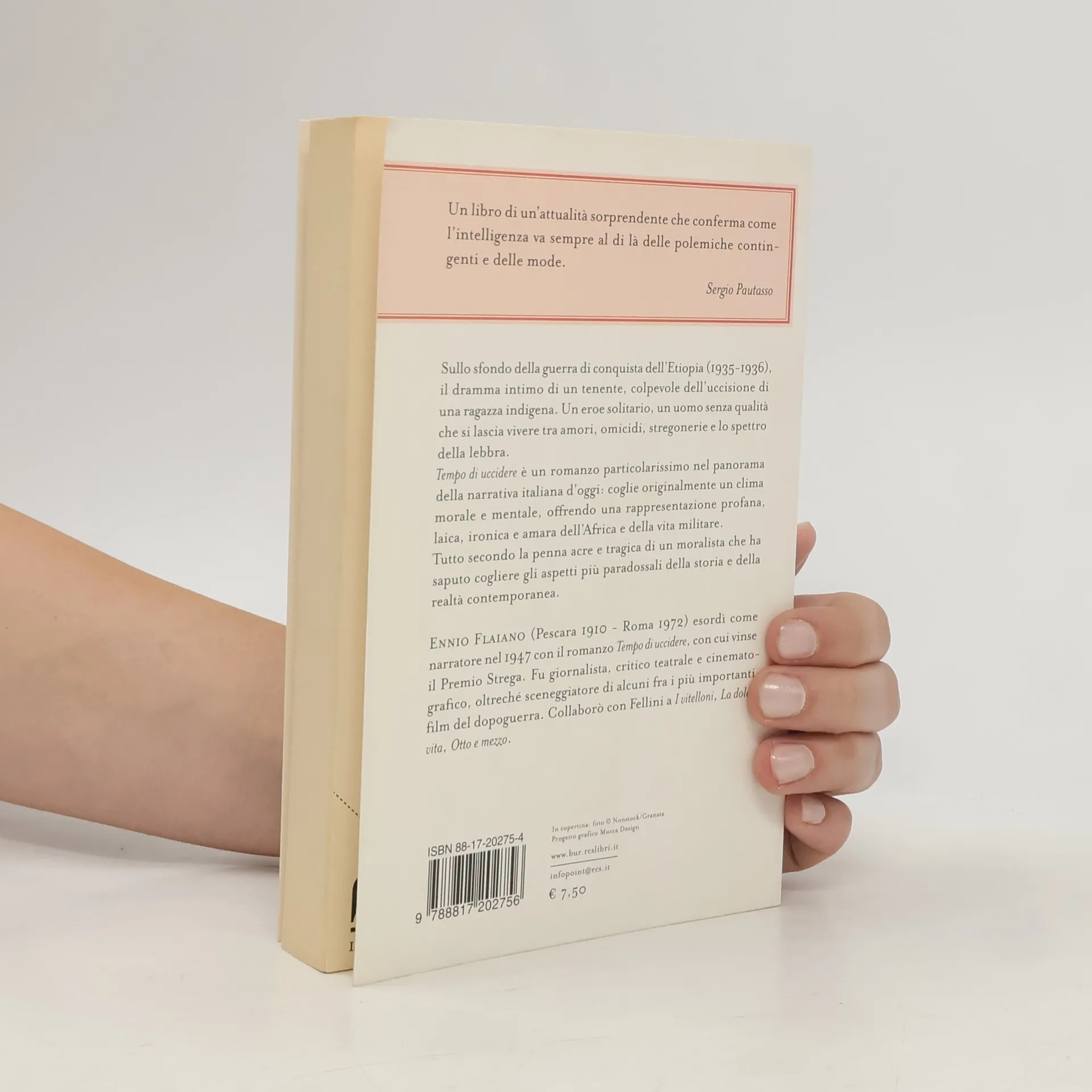
This fine novel, Flaiano's only full-length work of fiction, was published in 1947 and won the Strega Prize. Translated into English as The Short Cut in 1950, it resonates with contemporary readers who can appreciate the plight of the young Italian officer at its center. Set in Abyssinia during its conquest by a major European power in 1935-36, the story follows a lieutenant who, bothered by a toothache, seeks a dentist and takes a shortcut through a sinister valley. There, he encounters a native woman bathing in a stream, and after a brief encounter, tragedy strikes when he accidentally shoots her while trying to fend off what he believes to be a threat. Unable to seek help, he commits a further crime by killing her as she sleeps. The narrative unfolds as he grapples with guilt and attempts to evade responsibility, ultimately realizing that the chain of events is tied to his own actions. Albert Guerard notes that unlike Dostoevsky's characters, the lieutenant lacks redemption or divine intervention. The haunting memories of his crime linger, symbolized by a sickly odor that follows him, representing his inescapable guilt and the threat of impunity that looms over him.




Compra de libros
Tempo di uccidere, Ennio Flaiano
- Idioma

- Publicado en
- 2000
- product-detail.submit-box.info.binding
- (Tapa blanda),
- Estado del libro
- Muy Bueno
- Precio
- 18,49 €
Métodos de pago
Nos falta tu reseña aquí
- Título
- Tempo di uccidere
- Idioma
- Italiano
- Autores
- Ennio Flaiano
- Editorial
- BUR
- Publicado en
- 2000
- Formato
- Tapa blanda
- Páginas
- 282
- ISBN10
- 8817202754
- ISBN13
- 9788817202756
- Serie
- Etiquetas
- Ficción, Prosa bélica, Europa del Sur, Italia, Literatura Italiana, Fascismo, Etiopía, Pecados, Lepra
- Primera publicación
- 1947
- Título original
- Tempo di uccidere
- Calificación
- 3,75 de 5
- Descripción
- This fine novel, Flaiano's only full-length work of fiction, was published in 1947 and won the Strega Prize. Translated into English as The Short Cut in 1950, it resonates with contemporary readers who can appreciate the plight of the young Italian officer at its center. Set in Abyssinia during its conquest by a major European power in 1935-36, the story follows a lieutenant who, bothered by a toothache, seeks a dentist and takes a shortcut through a sinister valley. There, he encounters a native woman bathing in a stream, and after a brief encounter, tragedy strikes when he accidentally shoots her while trying to fend off what he believes to be a threat. Unable to seek help, he commits a further crime by killing her as she sleeps. The narrative unfolds as he grapples with guilt and attempts to evade responsibility, ultimately realizing that the chain of events is tied to his own actions. Albert Guerard notes that unlike Dostoevsky's characters, the lieutenant lacks redemption or divine intervention. The haunting memories of his crime linger, symbolized by a sickly odor that follows him, representing his inescapable guilt and the threat of impunity that looms over him.