

Parámetros
- 262 páginas
- 10 horas de lectura
Más información sobre el libro
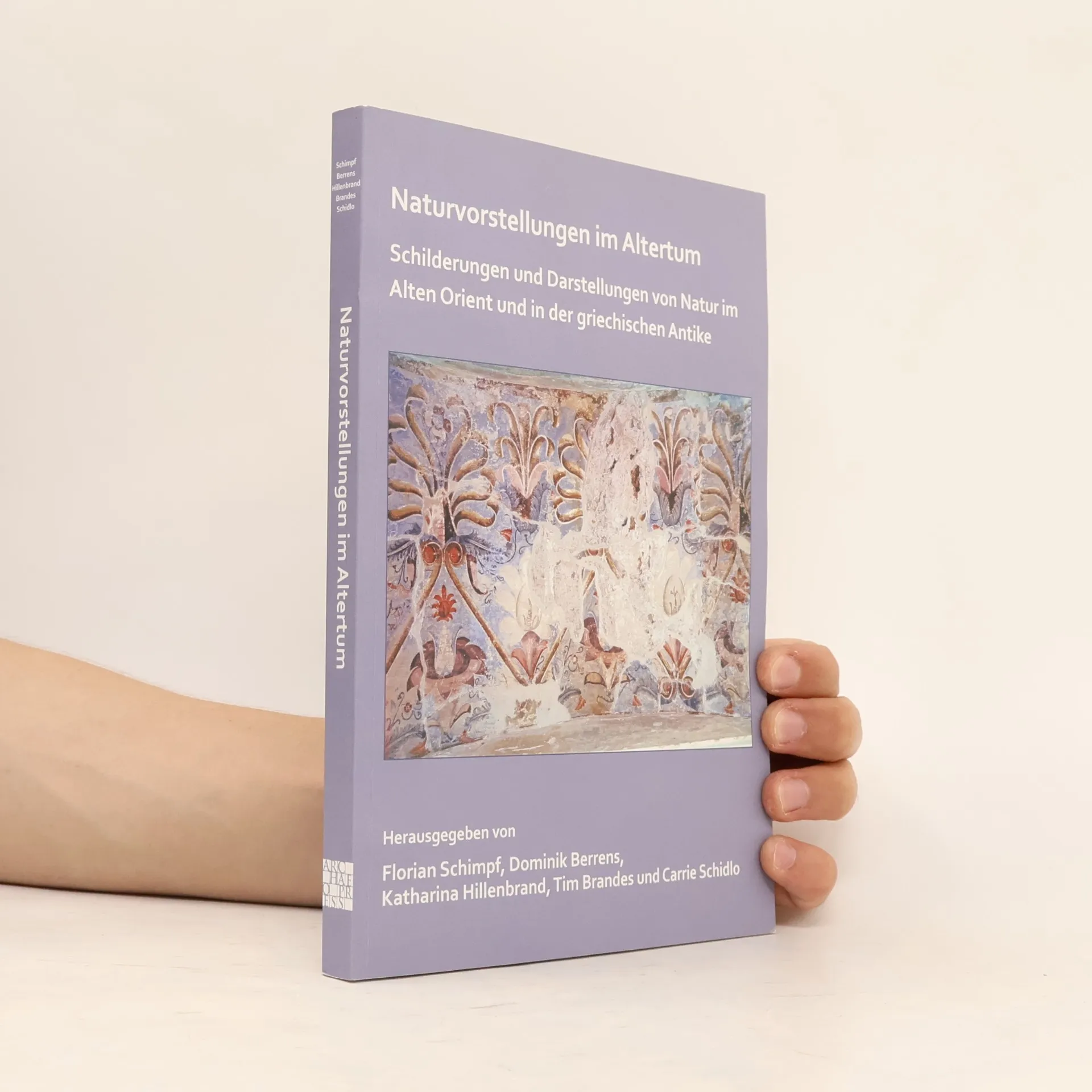
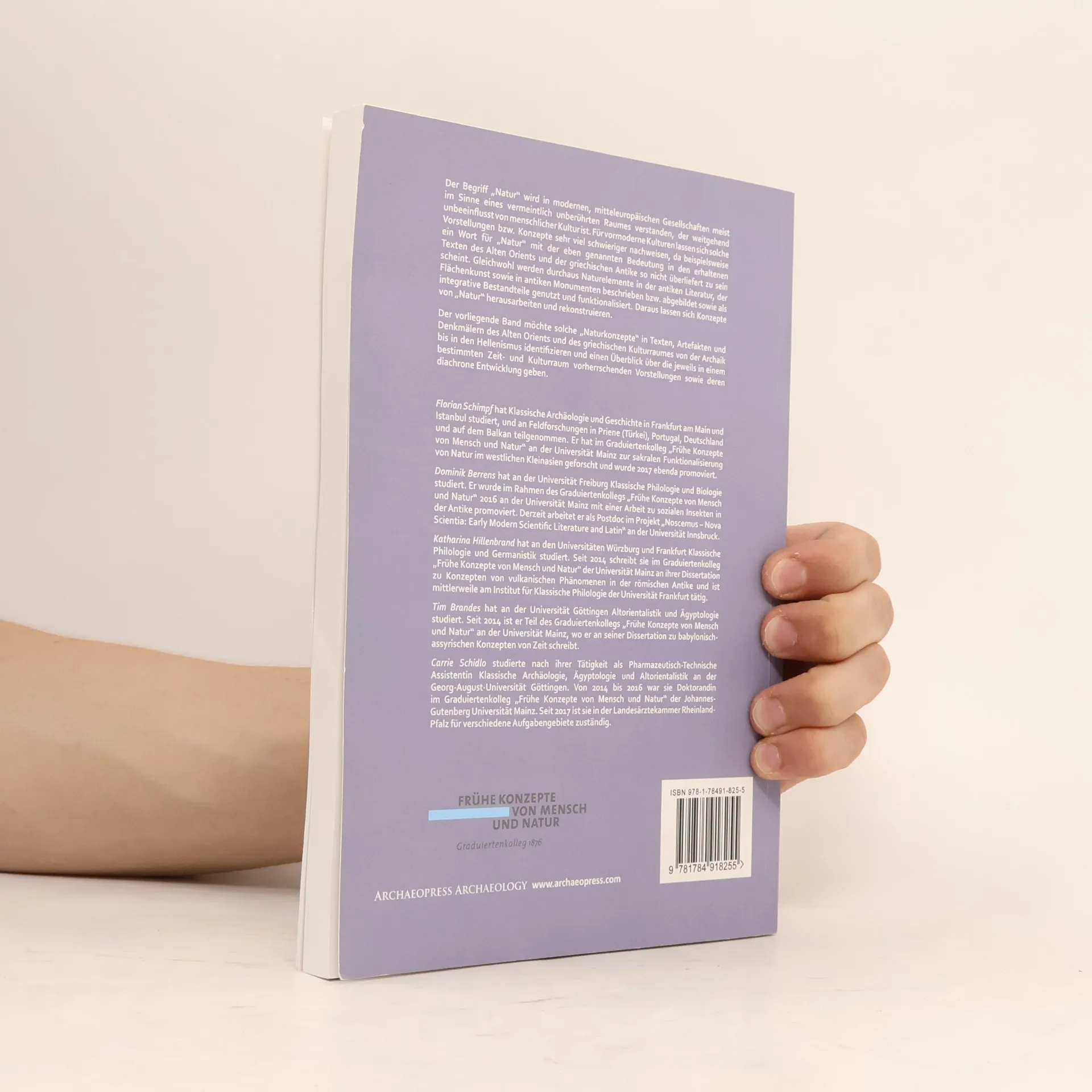
Investigating pre-modern concepts of nature necessitates a critical reflection on ancient understandings. Here, “nature” refers to a seemingly untouched space, largely independent of human culture—a prevalent notion in modern times. However, reconstructing ancient ideas is challenging, as concepts of nature often emphasize different aspects. For instance, the Greek term φύσις in pre-Hellenistic times defines the essence of a thing rather than an untouched environment. No equivalent term for “nature” in this sense has survived in the texts from the Ancient Near East and Classical Antiquity. Nonetheless, concepts can be reconstructed from literary descriptions and artistic representations of natural elements. The volume aims to identify these concepts in texts and archaeological remains from the Ancient Near Eastern and Greek cultures, spanning from the Archaic to the Hellenistic period. Contributions from archaeology and philology are organized chronologically for each period, providing a comprehensive overview of prevailing concepts of nature across different cultures and times. The exploration reveals how nature elements are depicted and utilized in ancient literature, art, and monuments, allowing for a nuanced understanding of ancient perspectives on nature and its significance in their cultural contexts.
Compra de libros
Naturvorstellungen im Altertum, Florian Schimpf, Dominik Berrens, Katharina Hillenbrand, Tim Brandes, Carrie Schidlo
- Idioma

- Publicado en
- 2018
- Encuadernación
- (Tapa blanda),
- Estado del libro
- Bueno
- Precio
- 7,39 €
Métodos de pago
Nadie lo ha calificado todavía.
- Título
- Naturvorstellungen im Altertum
- Subtítulo
- Schilderungen und Darstellungen von Natur im Alten Orient und in der griechischen Antike
- Idioma
- Alemán
- Editorial
- Archaeopress Archaeology
- Publicado en
- 2018
- Formato
- Tapa blanda
- Páginas
- 262
- ISBN10
- 1784918253
- ISBN13
- 9781784918255
- Serie
- Descripción
- Investigating pre-modern concepts of nature necessitates a critical reflection on ancient understandings. Here, “nature” refers to a seemingly untouched space, largely independent of human culture—a prevalent notion in modern times. However, reconstructing ancient ideas is challenging, as concepts of nature often emphasize different aspects. For instance, the Greek term φύσις in pre-Hellenistic times defines the essence of a thing rather than an untouched environment. No equivalent term for “nature” in this sense has survived in the texts from the Ancient Near East and Classical Antiquity. Nonetheless, concepts can be reconstructed from literary descriptions and artistic representations of natural elements. The volume aims to identify these concepts in texts and archaeological remains from the Ancient Near Eastern and Greek cultures, spanning from the Archaic to the Hellenistic period. Contributions from archaeology and philology are organized chronologically for each period, providing a comprehensive overview of prevailing concepts of nature across different cultures and times. The exploration reveals how nature elements are depicted and utilized in ancient literature, art, and monuments, allowing for a nuanced understanding of ancient perspectives on nature and its significance in their cultural contexts.