

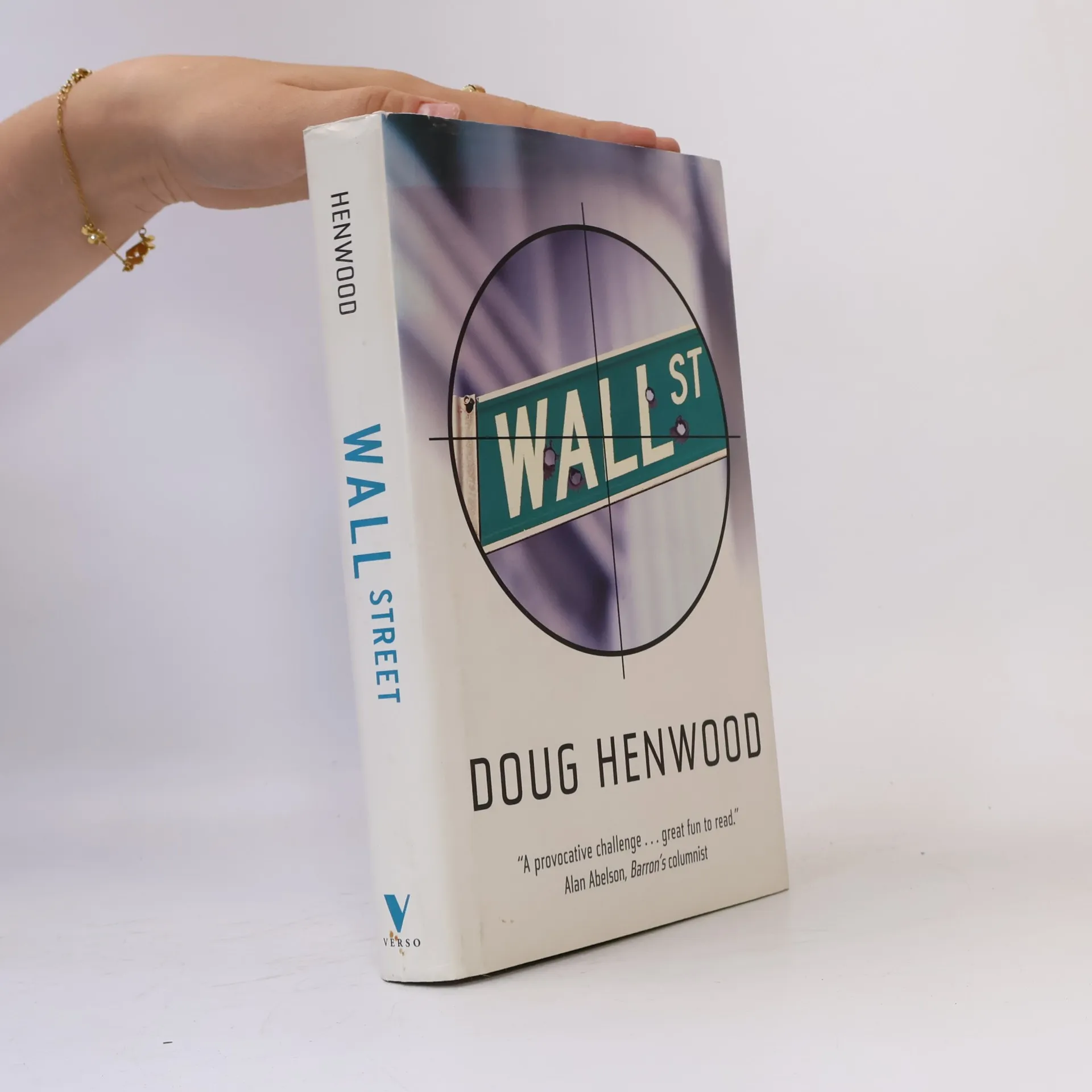


Más información sobre el libro
This annotation offers a critical examination of the financial dealings in the world's leading financial hub. The complex vocabulary of the market—spot rates, futures, options—can seem daunting, yet financial news permeates everyday life, with major newspapers and television regularly reporting on market activities. The relevance of this information extends beyond the small fraction of individuals with substantial stock or bond investments. Doug Henwood, known for his sharp critiques of the stock exchange through his publication, Left Business Observer, tackles these issues head-on. His work has garnered praise from notable figures like J.K. Galbraith, while also attracting criticism, including harsh remarks from Norman Pearlstine of the Wall Street Journal. Henwood's analysis reveals a troubling picture of Wall Street, characterized by poor regulation, mismanagement, and corruption. Despite contributing little to the actual economy, the financial markets wield significant power, with over a trillion dollars transacted daily among global banks. Ultimately, Henwood argues that these financial entities not only influence government policy but essentially act as the government itself, highlighting the disconnect between financial markets and the real economy where goods and jobs are created.
Compra de libros
Wall Street, Doug Henwood
- Idioma

- Publicado en
- 1997
- Encuadernación
- (Tapa dura),
- Estado del libro
- Bueno
- Precio
- 1,99 €
Métodos de pago
Nadie lo ha calificado todavía.
- Título
- Wall Street
- Subtítulo
- How It Works and for Whom
- Idioma
- Inglés
- Autores
- Doug Henwood
- Editorial
- Verso
- Publicado en
- 1997
- Formato
- Tapa dura
- Páginas
- 372
- ISBN10
- 086091495X
- ISBN13
- 9780860914952
- Serie
- Descripción
- This annotation offers a critical examination of the financial dealings in the world's leading financial hub. The complex vocabulary of the market—spot rates, futures, options—can seem daunting, yet financial news permeates everyday life, with major newspapers and television regularly reporting on market activities. The relevance of this information extends beyond the small fraction of individuals with substantial stock or bond investments. Doug Henwood, known for his sharp critiques of the stock exchange through his publication, Left Business Observer, tackles these issues head-on. His work has garnered praise from notable figures like J.K. Galbraith, while also attracting criticism, including harsh remarks from Norman Pearlstine of the Wall Street Journal. Henwood's analysis reveals a troubling picture of Wall Street, characterized by poor regulation, mismanagement, and corruption. Despite contributing little to the actual economy, the financial markets wield significant power, with over a trillion dollars transacted daily among global banks. Ultimately, Henwood argues that these financial entities not only influence government policy but essentially act as the government itself, highlighting the disconnect between financial markets and the real economy where goods and jobs are created.