

Más información sobre el libro
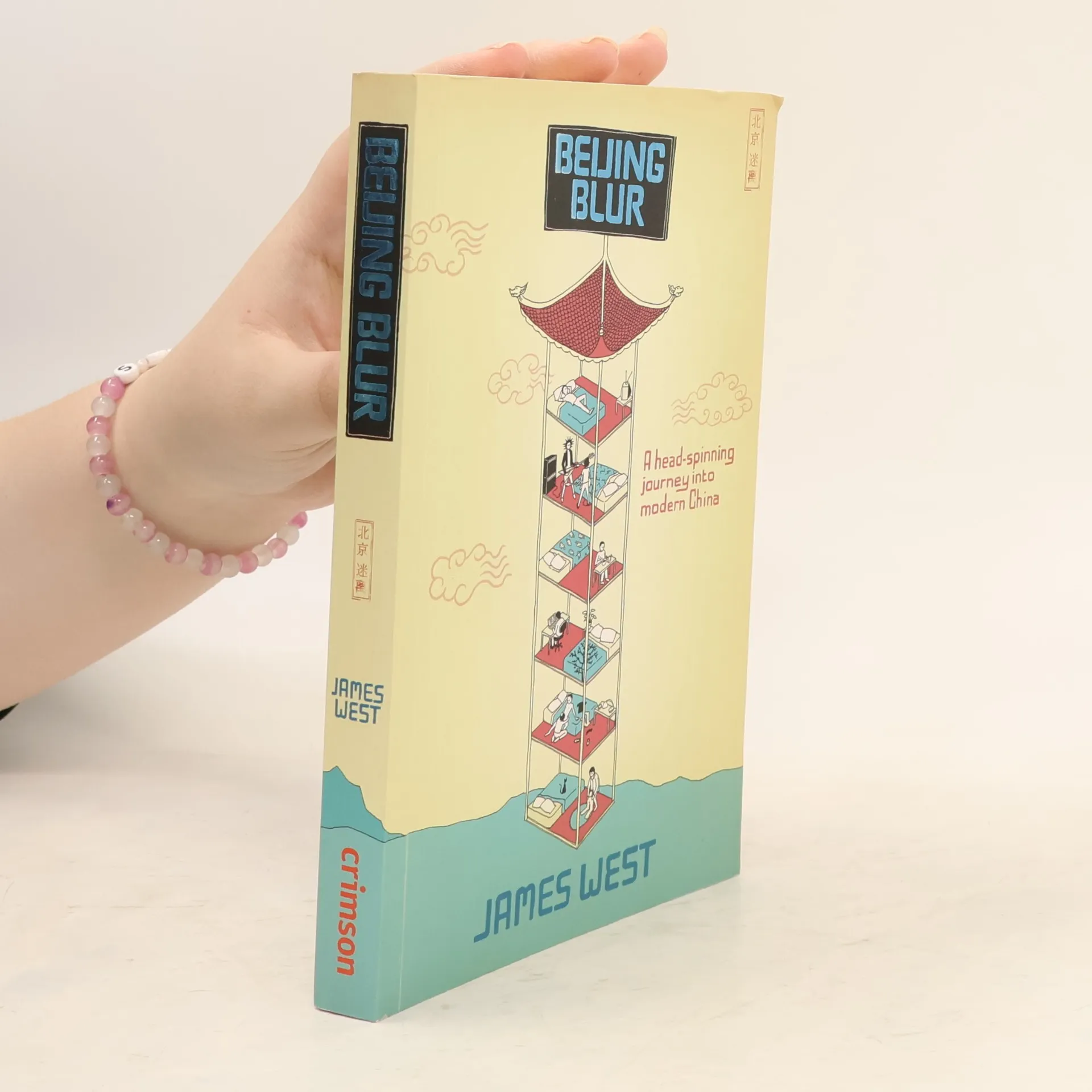
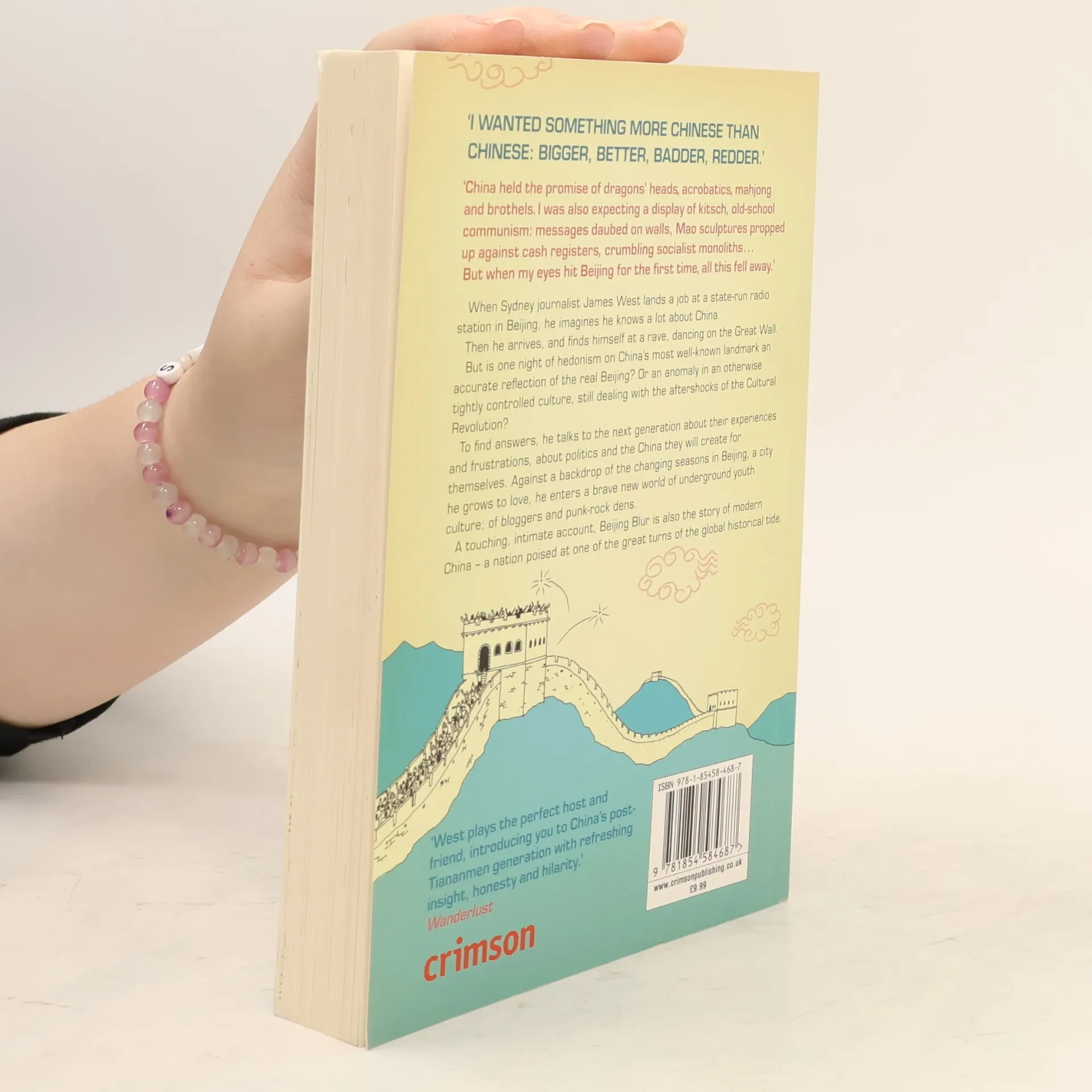
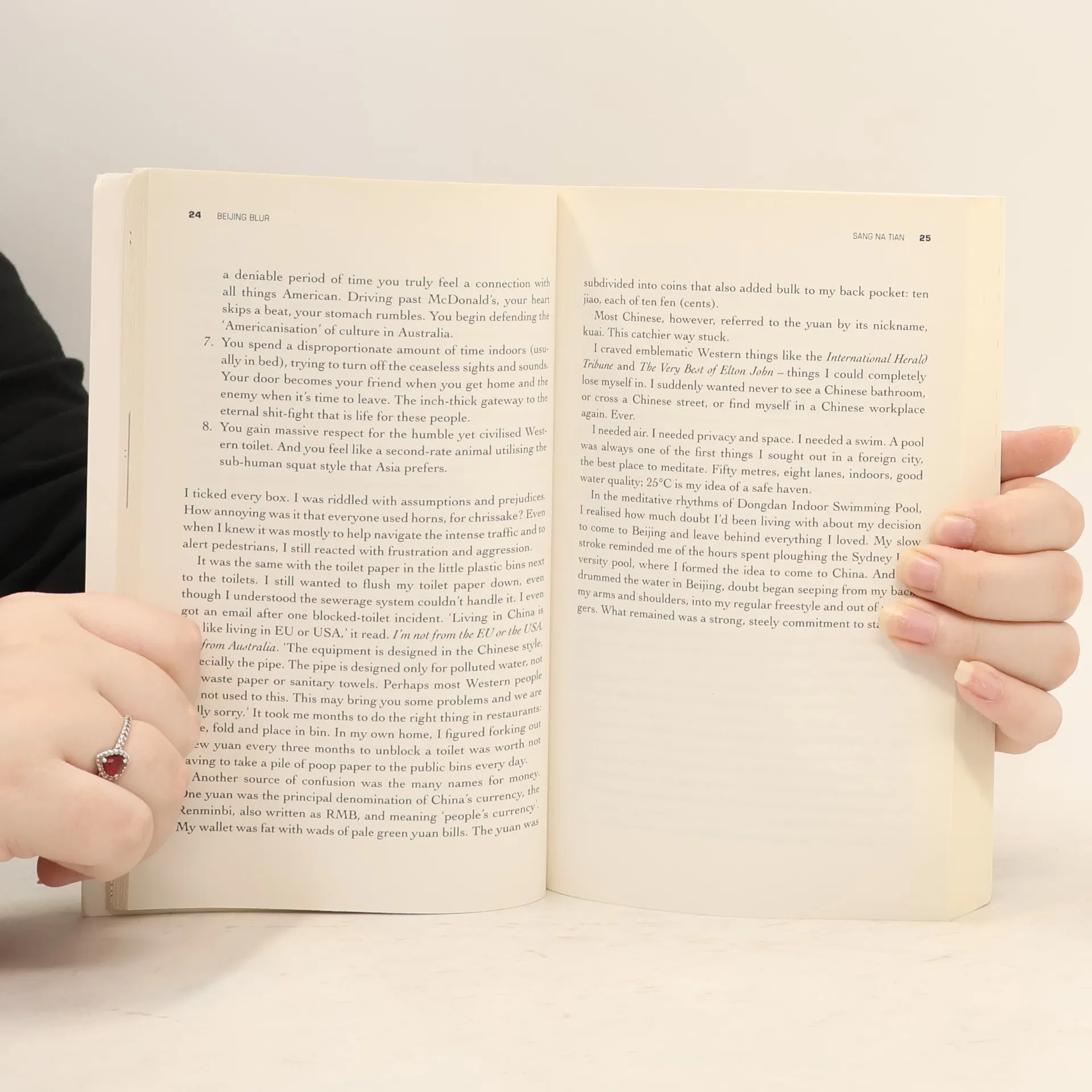
James West, a 23-year-old ABC Radio journalist from Sydney, embarks on a year-long exchange in Beijing with China Radio International. His insightful and humorous observations reveal a China often overlooked by tourists. From dancing on the Great Wall at raves to engaging with entrepreneurs and exploring underground cultures, West captures the vibrant essence of the city. He highlights the significance of CRI broadcasting in English and Chinese, especially during the 2008 Olympics, noting that the number of English speakers in China is projected to surpass those in the rest of the world. By 2005, China had already become the largest market for English-language services, with Western brands navigating the complexities of translation. West shares amusing anecdotes, such as Coca-Cola's early Chinese name, which humorously translated to "bite the wax tadpole," and KFC's slogan that suggested a rather extreme interpretation. He reflects on the challenges and nuances of language, finding that the space between translations can be a rich ground for cultural understanding. A memorable CRI radio ad and a hilariously awkward hospital sign exemplify the intriguing language barriers he encounters, making his experience in Beijing both challenging and enlightening.
Compra de libros
Beijing Blur, James West
- Idioma

- Publicado en
- 2009
- Encuadernación
- (Tapa blanda)
Métodos de pago
Nadie lo ha calificado todavía.
- Título
- Beijing Blur
- Subtítulo
- A Head-spinning Journey into Modern China
- Idioma
- Inglés
- Autores
- James West
- Editorial
- Crimson Publishing
- Publicado en
- 2009
- Formato
- Tapa blanda
- Páginas
- 240
- ISBN10
- 1854584685
- ISBN13
- 9781854584687
- Serie
- Categorías
- Etiquetas
- Cultura y Sociedad, China
- Descripción
- James West, a 23-year-old ABC Radio journalist from Sydney, embarks on a year-long exchange in Beijing with China Radio International. His insightful and humorous observations reveal a China often overlooked by tourists. From dancing on the Great Wall at raves to engaging with entrepreneurs and exploring underground cultures, West captures the vibrant essence of the city. He highlights the significance of CRI broadcasting in English and Chinese, especially during the 2008 Olympics, noting that the number of English speakers in China is projected to surpass those in the rest of the world. By 2005, China had already become the largest market for English-language services, with Western brands navigating the complexities of translation. West shares amusing anecdotes, such as Coca-Cola's early Chinese name, which humorously translated to "bite the wax tadpole," and KFC's slogan that suggested a rather extreme interpretation. He reflects on the challenges and nuances of language, finding that the space between translations can be a rich ground for cultural understanding. A memorable CRI radio ad and a hilariously awkward hospital sign exemplify the intriguing language barriers he encounters, making his experience in Beijing both challenging and enlightening.