

Parámetros
- 370 páginas
- 13 horas de lectura
Más información sobre el libro
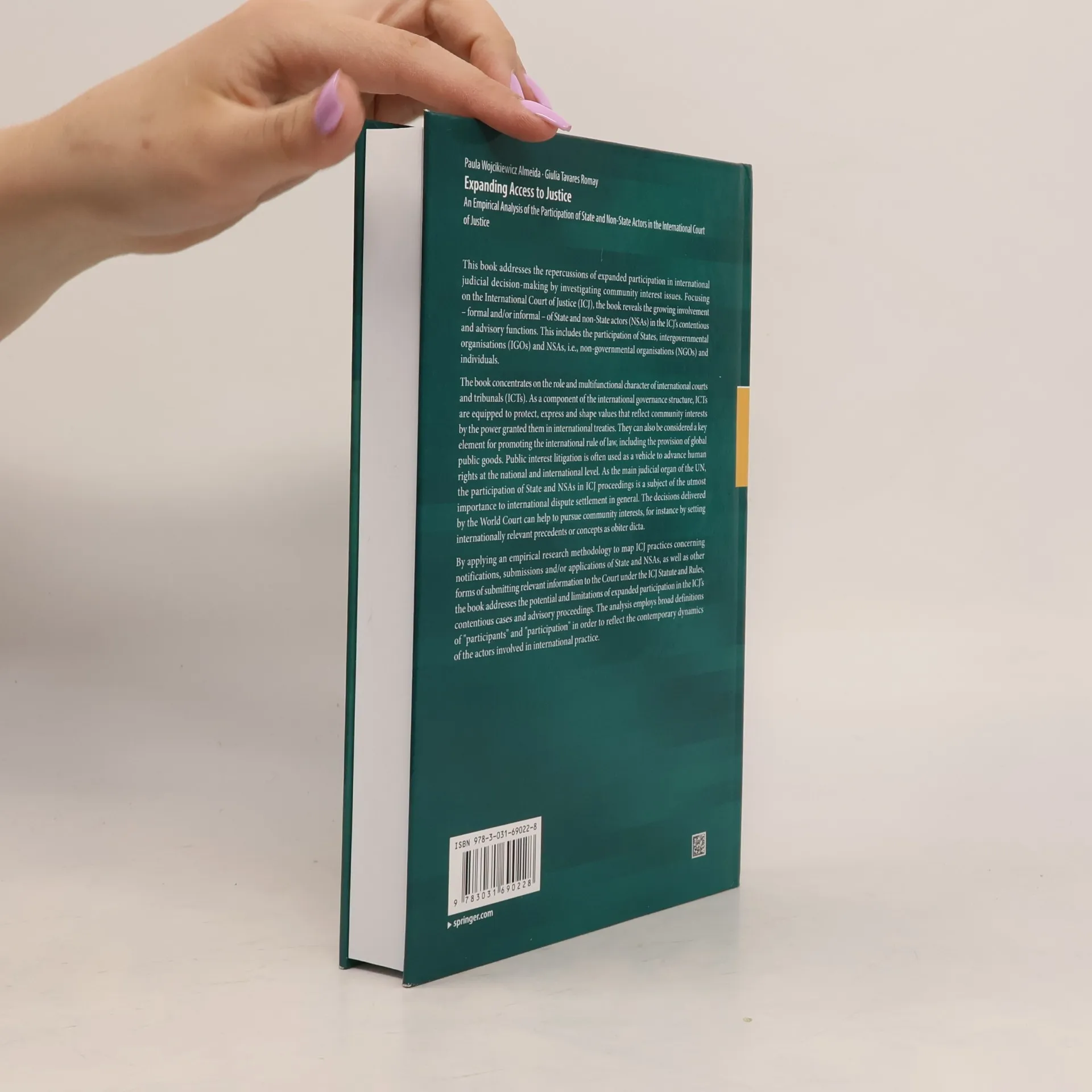
This book examines the consequences of increased participation in international judicial decision-making, focusing on community interest issues. It highlights the growing involvement of State and non-State actors (NSAs) in the International Court of Justice (ICJ), including States, intergovernmental organizations (IGOs), and non-governmental organizations (NGOs). The text emphasizes the multifunctional role of international courts and tribunals (ICTs) within the international governance structure, which enables them to protect and shape values that align with community interests, thereby promoting the international rule of law and global public goods. Public interest litigation is identified as a crucial means of advancing human rights at both national and international levels. The participation of State and NSAs in ICJ proceedings is vital for international dispute resolution, as the World Court's decisions can establish significant precedents and concepts relevant to community interests. Utilizing an empirical research methodology, the book maps ICJ practices regarding notifications, submissions, and applications from State and NSAs, as well as other relevant information submitted under the ICJ Statute and Rules. It explores the potential and limitations of expanded participation in the ICJ's contentious and advisory proceedings, employing broad definitions of "participants" and "participation" to reflect the evolving dynami
Compra de libros
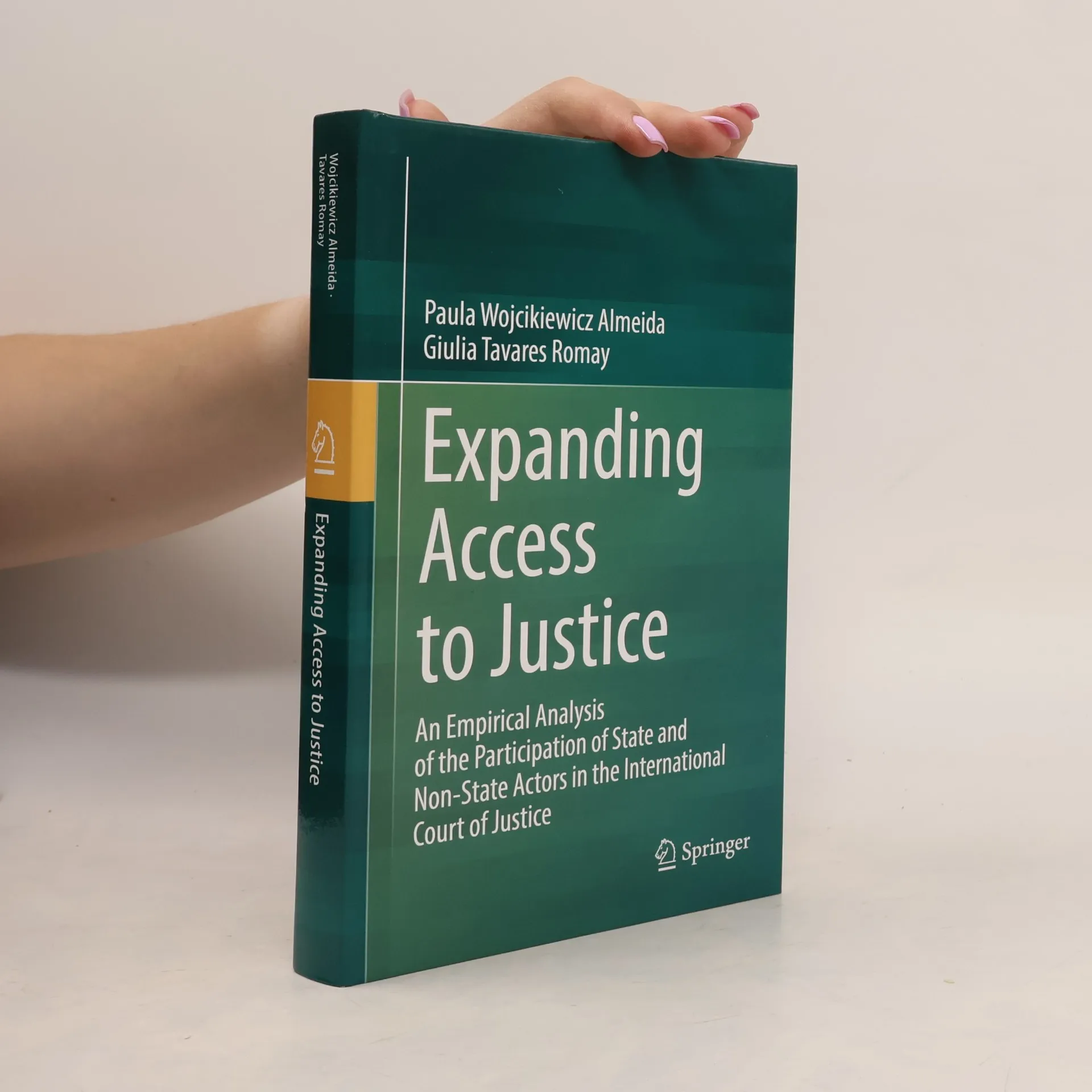
Expanding Access to Justice, Paula Wojcikiewicz Almeida, Giulia Tavares Romay
- Idioma

- Publicado en
- 2024
- Encuadernación
- (Tapa dura)
Métodos de pago
Nadie lo ha calificado todavía.
- Título
- Expanding Access to Justice
- Subtítulo
- An Empirical Analysis of the Participation of State and Non-State Actors in the International Court of Justice
- Idioma
- Inglés
- Editorial
- Springer
- Publicado en
- 2024
- Formato
- Tapa dura
- Páginas
- 370
- ISBN10
- 3031690222
- ISBN13
- 9783031690228
- Serie
- Descripción
- This book examines the consequences of increased participation in international judicial decision-making, focusing on community interest issues. It highlights the growing involvement of State and non-State actors (NSAs) in the International Court of Justice (ICJ), including States, intergovernmental organizations (IGOs), and non-governmental organizations (NGOs). The text emphasizes the multifunctional role of international courts and tribunals (ICTs) within the international governance structure, which enables them to protect and shape values that align with community interests, thereby promoting the international rule of law and global public goods. Public interest litigation is identified as a crucial means of advancing human rights at both national and international levels. The participation of State and NSAs in ICJ proceedings is vital for international dispute resolution, as the World Court's decisions can establish significant precedents and concepts relevant to community interests. Utilizing an empirical research methodology, the book maps ICJ practices regarding notifications, submissions, and applications from State and NSAs, as well as other relevant information submitted under the ICJ Statute and Rules. It explores the potential and limitations of expanded participation in the ICJ's contentious and advisory proceedings, employing broad definitions of "participants" and "participation" to reflect the evolving dynami