


Más información sobre el libro
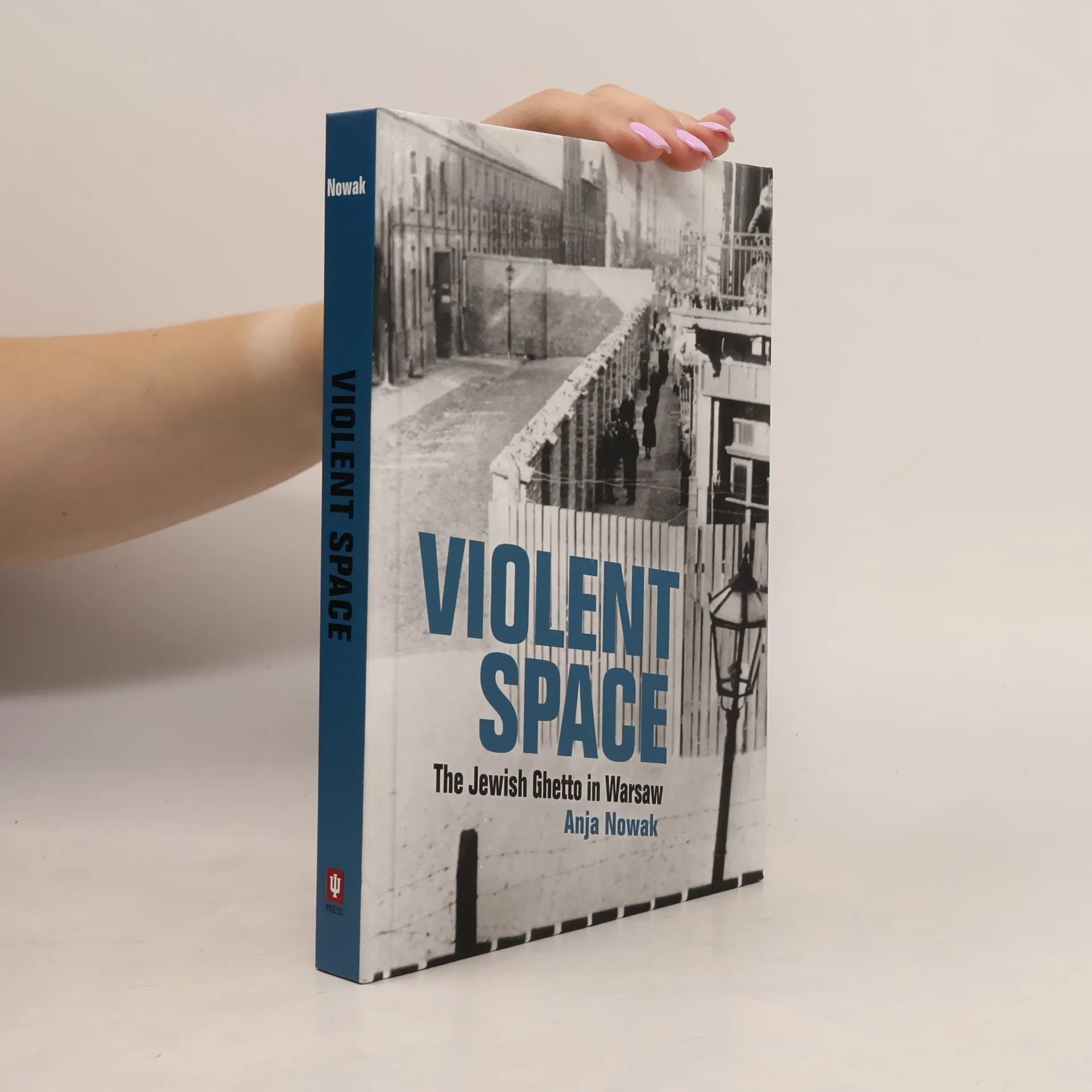
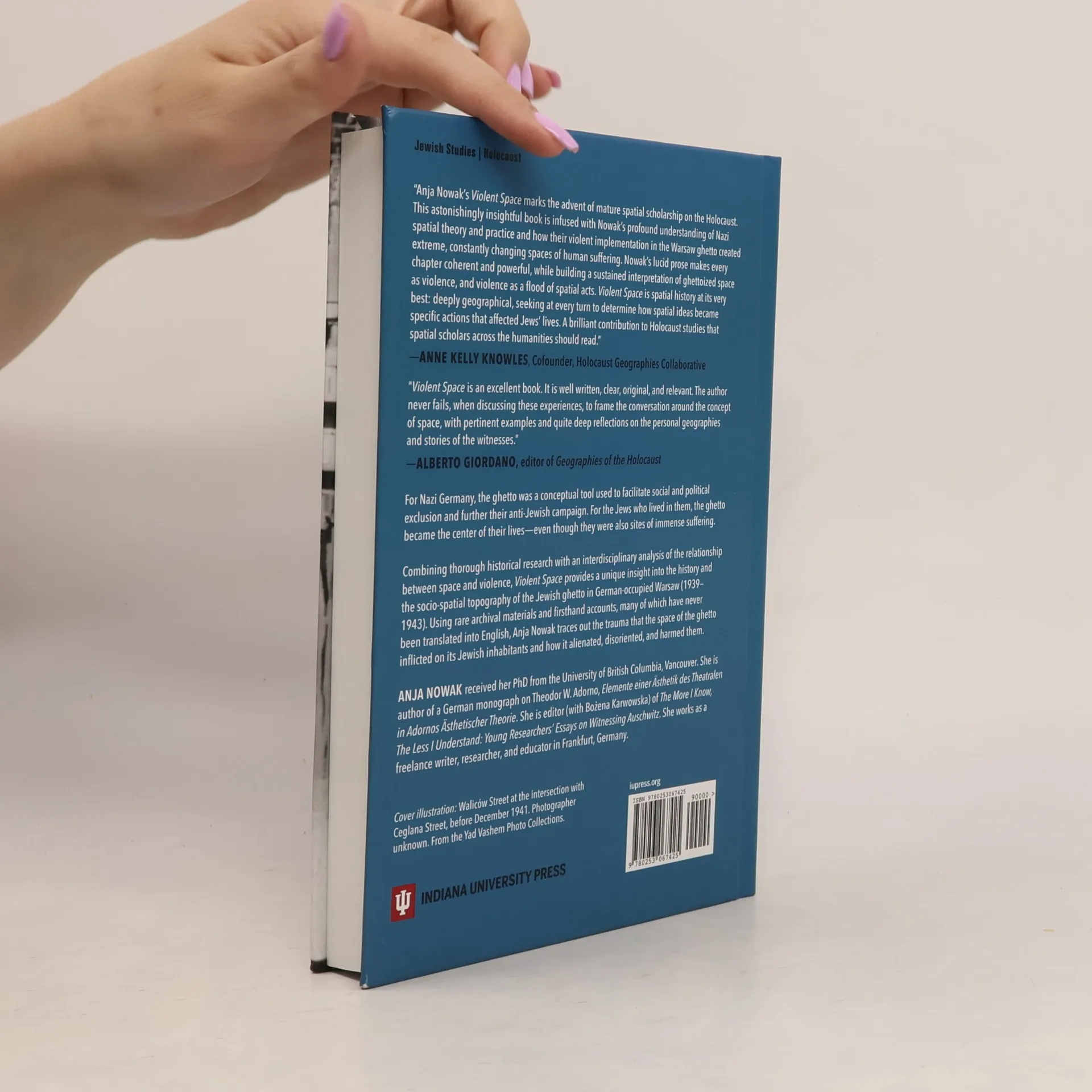
For Nazi Germany, the ghetto was a conceptual tool used to facilitate social and political exclusion and further their anti-Jewish campaign. For the Jews who lived in them, the ghetto became the center of their lives—even though they were also sites of immense suffering. Combining thorough historical research with an interdisciplinary analysis of the relationship between space and violence, Violent Space provides a unique insight into the history and the socio-spatial topography of the Jewish ghetto in German-occupied Warsaw (1939–1943). Using rare archival materials and firsthand accounts, many of which have never been translated into English, Anja Nowak traces out the trauma that the space of the ghetto inflicted on its Jewish inhabitants, and how it alienated, disoriented, and harmed them. While the physical ghetto—its buildings, boundaries, and streets—has been reabsorbed and redefined by modern-day Warsaw's urban structure, Violent Space shows us that its presence still lingers in the narratives of those who were forced into this first phase of the Holocaust.
Compra de libros
Violent Space, Anja Nowak
- Idioma

- Publicado en
- 2023
- Encuadernación
- (Tapa dura),
- Estado del libro
- Muy Bueno
- Precio
- 24,89 €
Métodos de pago
Nadie lo ha calificado todavía.
- Título
- Violent Space
- Subtítulo
- The Jewish Ghetto in Warsaw
- Idioma
- Inglés
- Autores
- Anja Nowak
- Editorial
- Indiana University Press
- Publicado en
- 2023
- Formato
- Tapa dura
- Páginas
- 362
- ISBN10
- 0253067421
- ISBN13
- 9780253067425
- Serie
- Etiquetas
- Tema histórico, Siglo XX, Segunda Guerra Mundial, Europa, Historia de Europa, Judíos, Holocausto, Literatura Judía, Polonia, Varsovia, Ghetto, Guetos Judíos
- Descripción
- For Nazi Germany, the ghetto was a conceptual tool used to facilitate social and political exclusion and further their anti-Jewish campaign. For the Jews who lived in them, the ghetto became the center of their lives—even though they were also sites of immense suffering. Combining thorough historical research with an interdisciplinary analysis of the relationship between space and violence, Violent Space provides a unique insight into the history and the socio-spatial topography of the Jewish ghetto in German-occupied Warsaw (1939–1943). Using rare archival materials and firsthand accounts, many of which have never been translated into English, Anja Nowak traces out the trauma that the space of the ghetto inflicted on its Jewish inhabitants, and how it alienated, disoriented, and harmed them. While the physical ghetto—its buildings, boundaries, and streets—has been reabsorbed and redefined by modern-day Warsaw's urban structure, Violent Space shows us that its presence still lingers in the narratives of those who were forced into this first phase of the Holocaust.