

Parámetros
- 664 páginas
- 24 horas de lectura
Más información sobre el libro
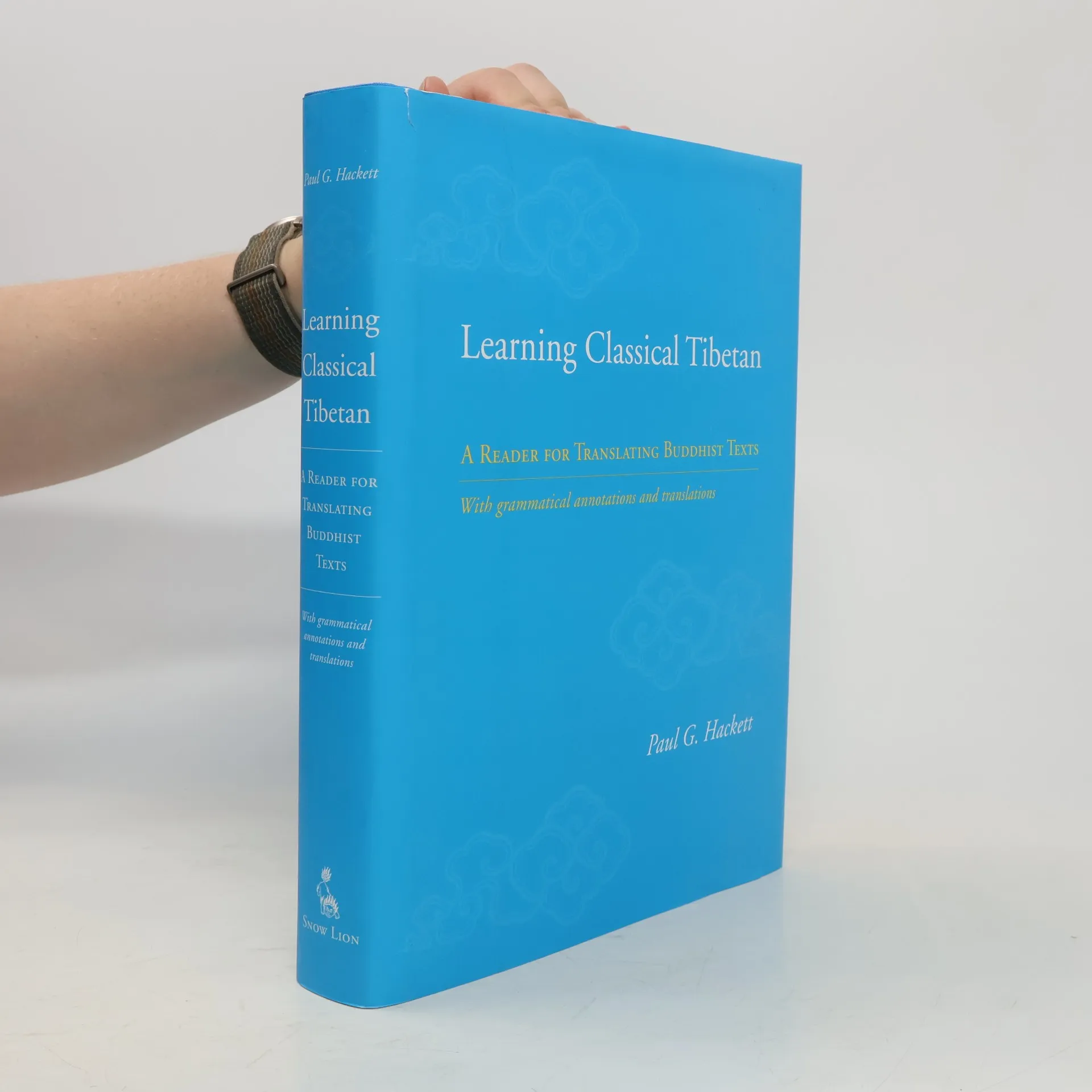
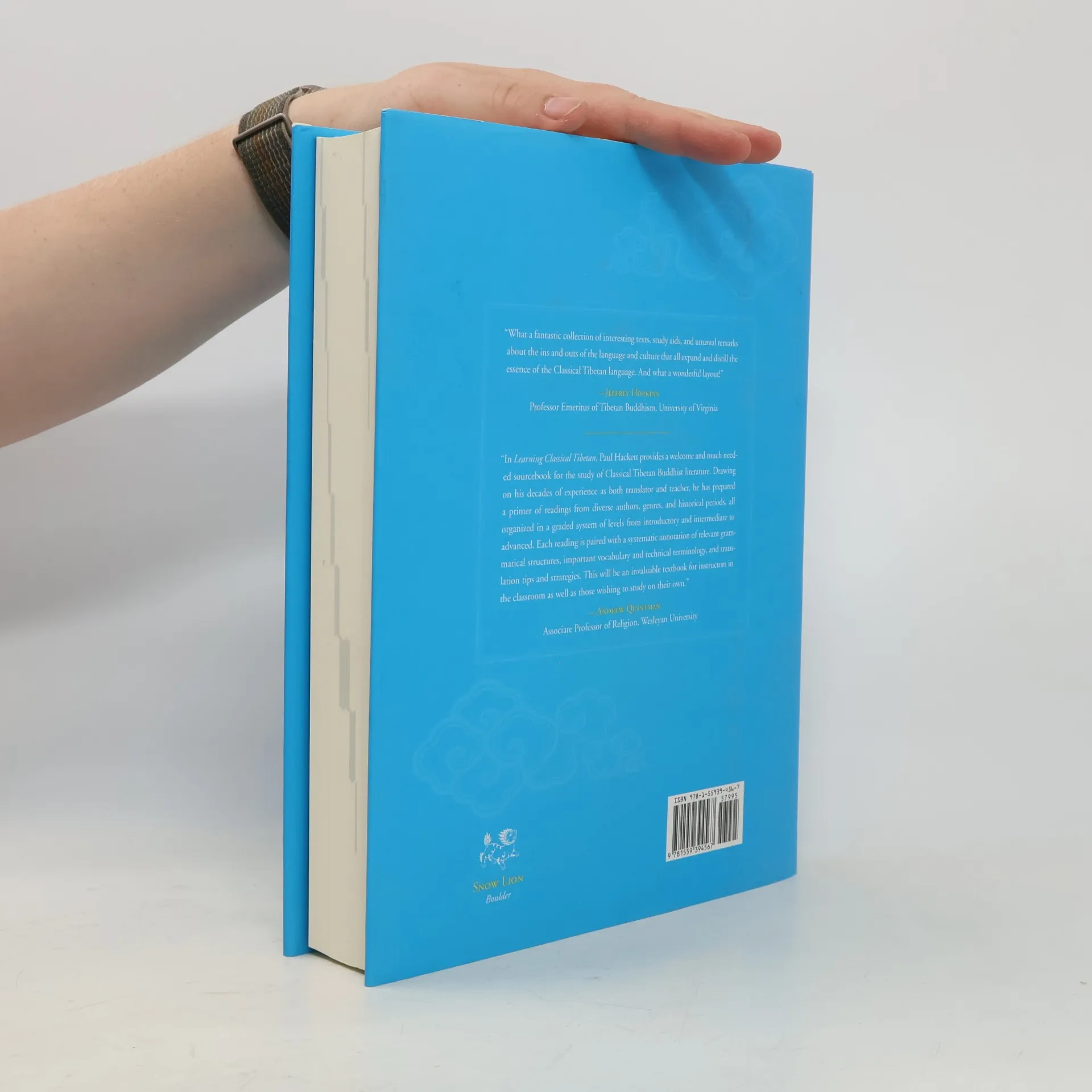
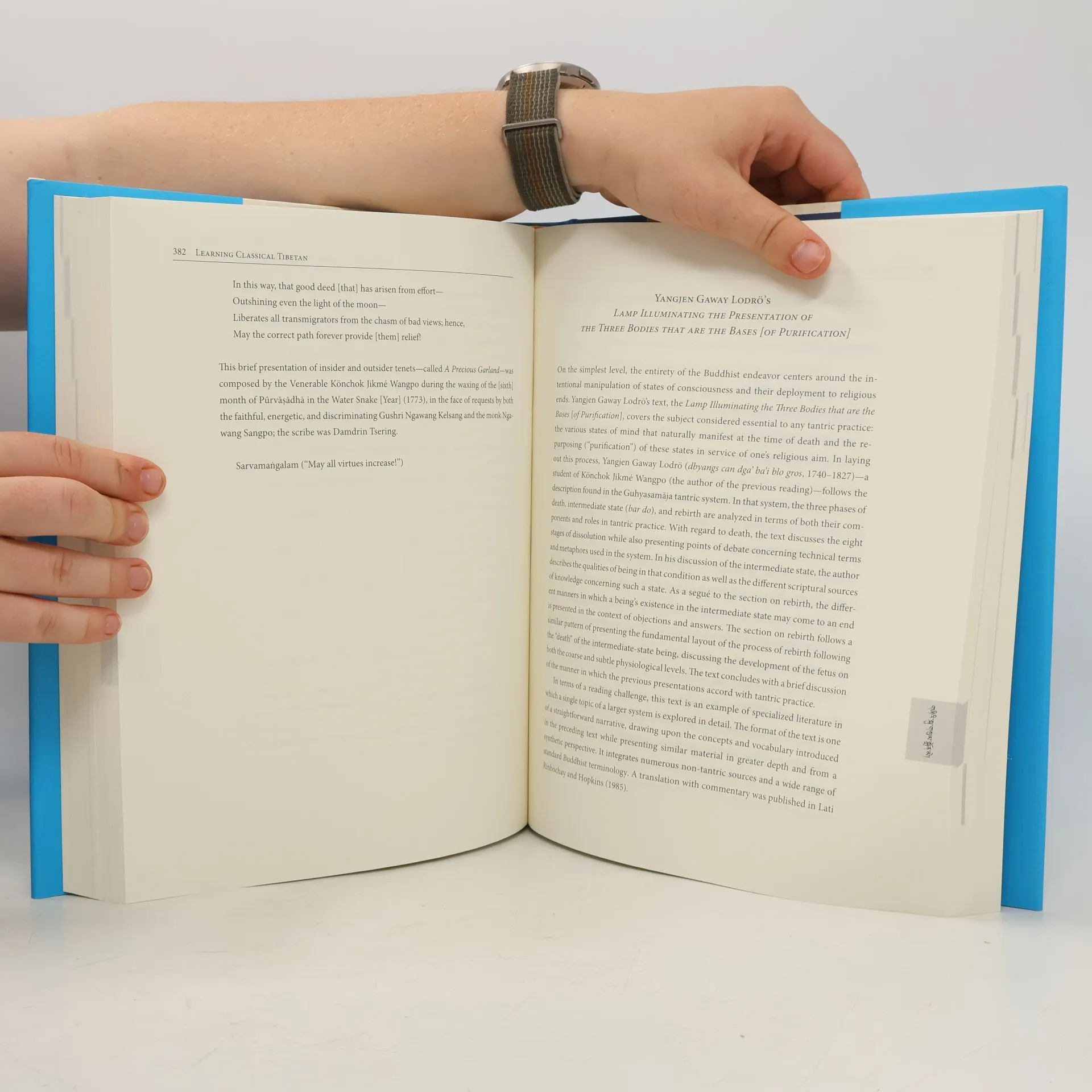
This modern and accessible reader is designed for studying Classical Tibetan Buddhist texts, suitable for both classroom use and independent study. It serves as a comprehensive manual for navigating Tibetan Buddhist literature, drawing on a traditional monastic curriculum. Utilizing up-to-date teaching methods, students learn grammar, vocabulary, syntax, and style while engaging with Buddhist philosophical works. Each chapter features a contextual introduction, a Tibetan text with annotations that progressively explain grammar, cultural notes, translation hints, and insights into the Sanskrit origins of Tibetan expressions. A literal translation of the text is also provided. Additionally, the reader includes study plans, discussions on dictionaries and resources, a glossary of English grammatical terms, and more. This resource can be used alongside Paul Hackett’s expanded edition of his Tibetan Verb Lexicon. With a clear and approachable style, this manual is designed to benefit all students of Classical Tibetan, making it an invaluable tool for understanding and engaging with these traditional texts.
Compra de libros
Learning Classical Tibetan, Paul G. Hackett
- Idioma

- Publicado en
- 2019
- Encuadernación
- (Tapa dura)
Métodos de pago
Nadie lo ha calificado todavía.
- Título
- Learning Classical Tibetan
- Subtítulo
- A Reader for Translating Buddhist Texts
- Idioma
- Inglés
- Autores
- Paul G. Hackett
- Editorial
- Snow Lion
- Publicado en
- 2019
- Formato
- Tapa dura
- Páginas
- 664
- ISBN10
- 1559394560
- ISBN13
- 9781559394567
- Serie
- Categorías
- Etiquetas
- Comercio, Diccionarios y libros de texto de idiomas, Libros de cocina, Temas psicológicos, Temas religiosos, Temática filosófica, Compilaciones, antologías, Espiritualidad y Religión, EE.UU., Salud, Comida, Educación, Teología, Libros de idiomas, Lingüística, Libros de texto de historia, Vegetarianismo, Vocabulario, Tíbet, Buda, Budismo Tibetano, Karma, Sufismo, Dharma, Sánscrito
- Descripción
- This modern and accessible reader is designed for studying Classical Tibetan Buddhist texts, suitable for both classroom use and independent study. It serves as a comprehensive manual for navigating Tibetan Buddhist literature, drawing on a traditional monastic curriculum. Utilizing up-to-date teaching methods, students learn grammar, vocabulary, syntax, and style while engaging with Buddhist philosophical works. Each chapter features a contextual introduction, a Tibetan text with annotations that progressively explain grammar, cultural notes, translation hints, and insights into the Sanskrit origins of Tibetan expressions. A literal translation of the text is also provided. Additionally, the reader includes study plans, discussions on dictionaries and resources, a glossary of English grammatical terms, and more. This resource can be used alongside Paul Hackett’s expanded edition of his Tibetan Verb Lexicon. With a clear and approachable style, this manual is designed to benefit all students of Classical Tibetan, making it an invaluable tool for understanding and engaging with these traditional texts.