



Parámetros
- 319 páginas
- 12 horas de lectura
Más información sobre el libro
Few challenges to modern democratic citizenship are as significant as the severe ethnic, religious, and linguistic divisions present in society. Southeast Asian nations like Malaysia, Singapore, and Indonesia have faced this issue since gaining independence after World War II, often experiencing violence over how to accommodate pluralism. Despite these challenges, they enjoyed an unprecedented economic expansion until the 1997 Asian financial crisis. This volume unites fifteen leading specialists to analyze the impact of two generations of nation-building and market-making on pluralism and citizenship in these divided societies. The studies explore pluralism through the lenses of markets, politics, gender, and religion, revealing that each country has crafted distinct responses to citizenship and diversity challenges. Contributors, primarily from Southeast Asia, focus on the tension between state and societal approaches to citizenship. They argue that achieving an effective participatory public sphere relies on a synergy between state and society, fostering a public culture that can bridge ethnic, religious, and gender divides. This work is particularly relevant for students of Southeast Asian history, anthropologists examining citizenship and culture, political scientists studying democracy, and anyone interested in the prospects for civility and tolerance in a multicultural world.
Compra de libros
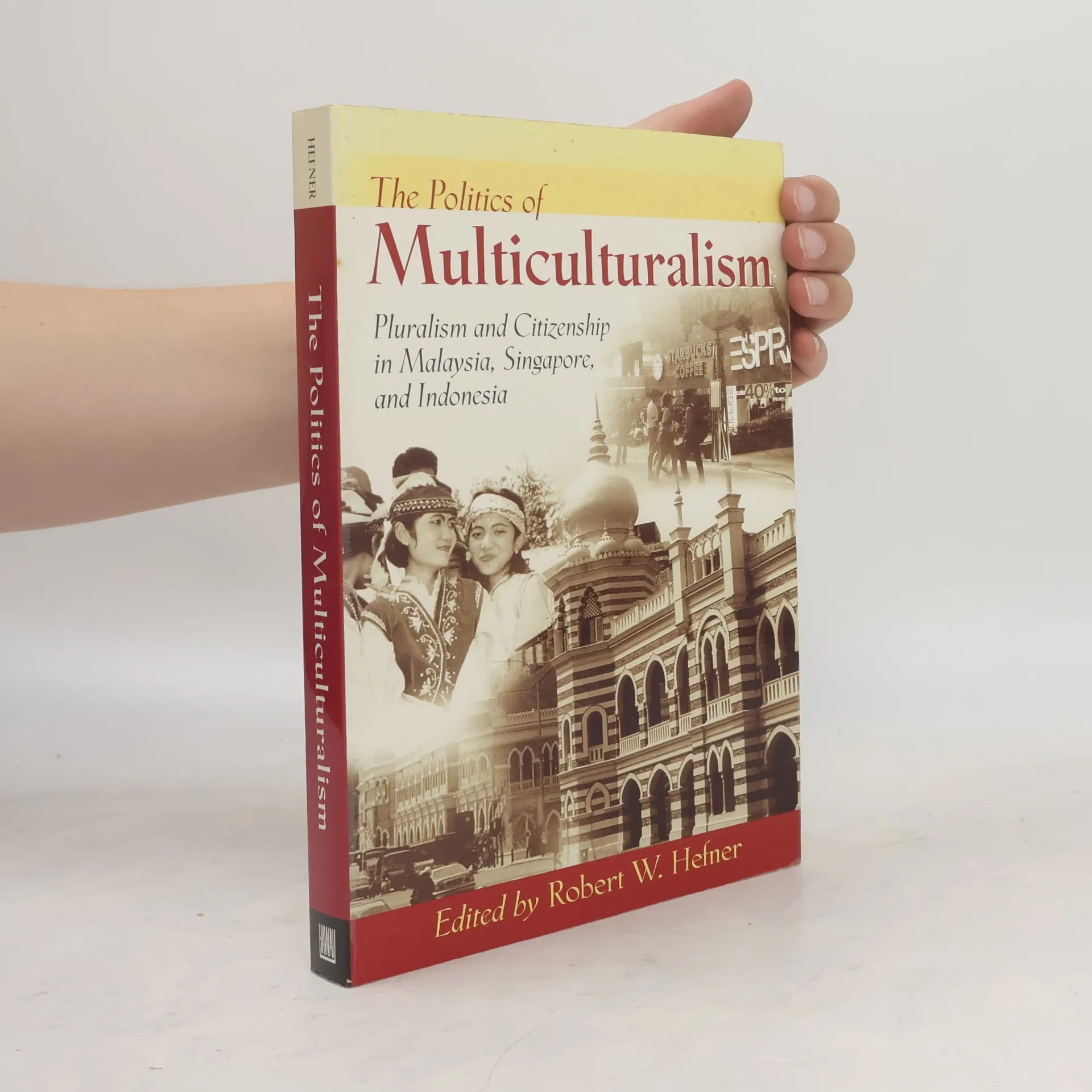
The Politics of Multiculturalism, Robert W. Hefner
- Idioma

- Publicado en
- 2001
- Encuadernación
- (Tapa blanda)
Métodos de pago
Nadie lo ha calificado todavía.
- Título
- The Politics of Multiculturalism
- Subtítulo
- Pluralism and Citizenship in Malaysia, Singapore, and Indonesia
- Idioma
- Inglés
- Autores
- Robert W. Hefner
- Editorial
- University of Hawaii Press
- Publicado en
- 2001
- Formato
- Tapa blanda
- Páginas
- 319
- ISBN10
- 0824824873
- ISBN13
- 9780824824877
- Serie
- Categorías
- Descripción
- Few challenges to modern democratic citizenship are as significant as the severe ethnic, religious, and linguistic divisions present in society. Southeast Asian nations like Malaysia, Singapore, and Indonesia have faced this issue since gaining independence after World War II, often experiencing violence over how to accommodate pluralism. Despite these challenges, they enjoyed an unprecedented economic expansion until the 1997 Asian financial crisis. This volume unites fifteen leading specialists to analyze the impact of two generations of nation-building and market-making on pluralism and citizenship in these divided societies. The studies explore pluralism through the lenses of markets, politics, gender, and religion, revealing that each country has crafted distinct responses to citizenship and diversity challenges. Contributors, primarily from Southeast Asia, focus on the tension between state and societal approaches to citizenship. They argue that achieving an effective participatory public sphere relies on a synergy between state and society, fostering a public culture that can bridge ethnic, religious, and gender divides. This work is particularly relevant for students of Southeast Asian history, anthropologists examining citizenship and culture, political scientists studying democracy, and anyone interested in the prospects for civility and tolerance in a multicultural world.