

Parámetros
- 336 páginas
- 12 horas de lectura
Más información sobre el libro
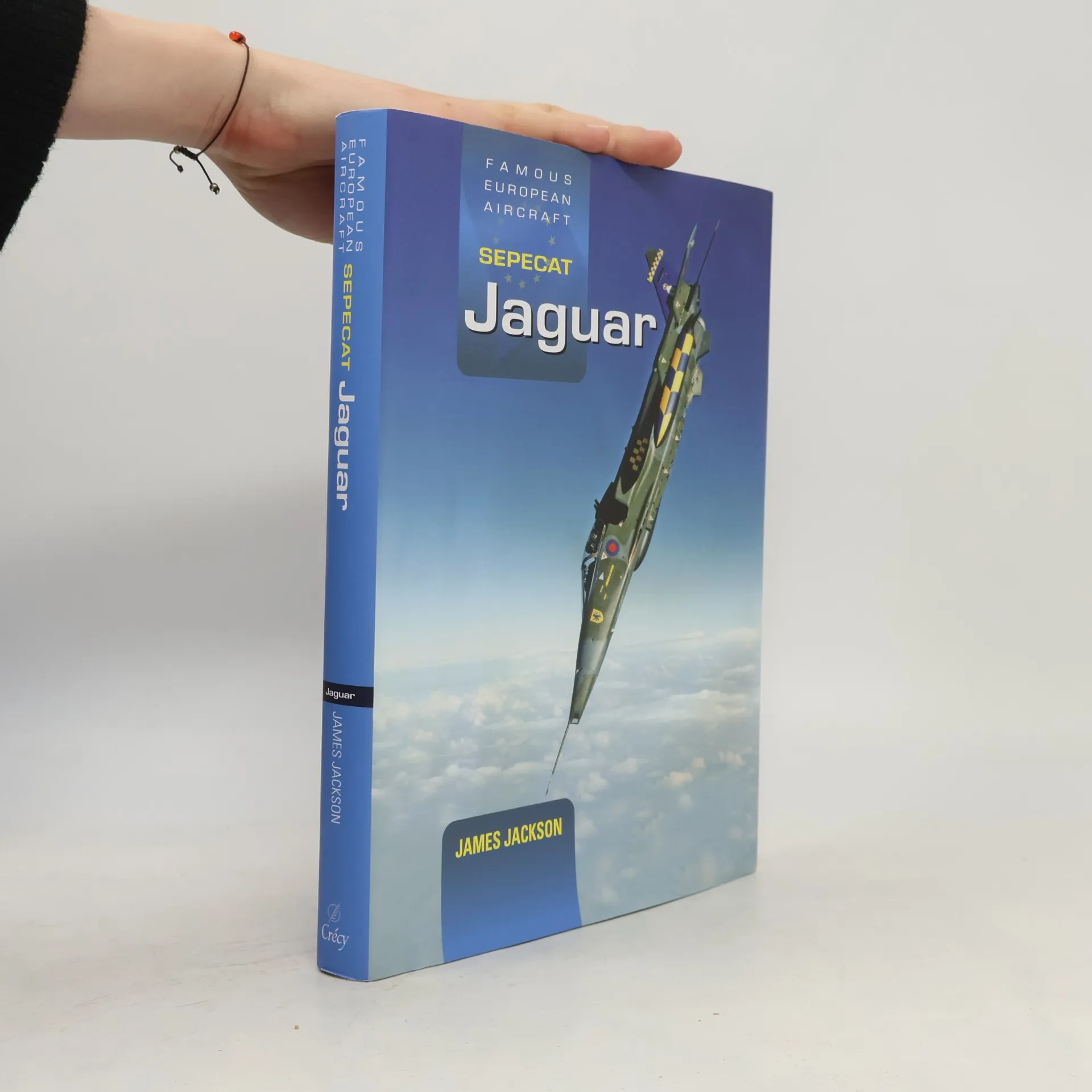
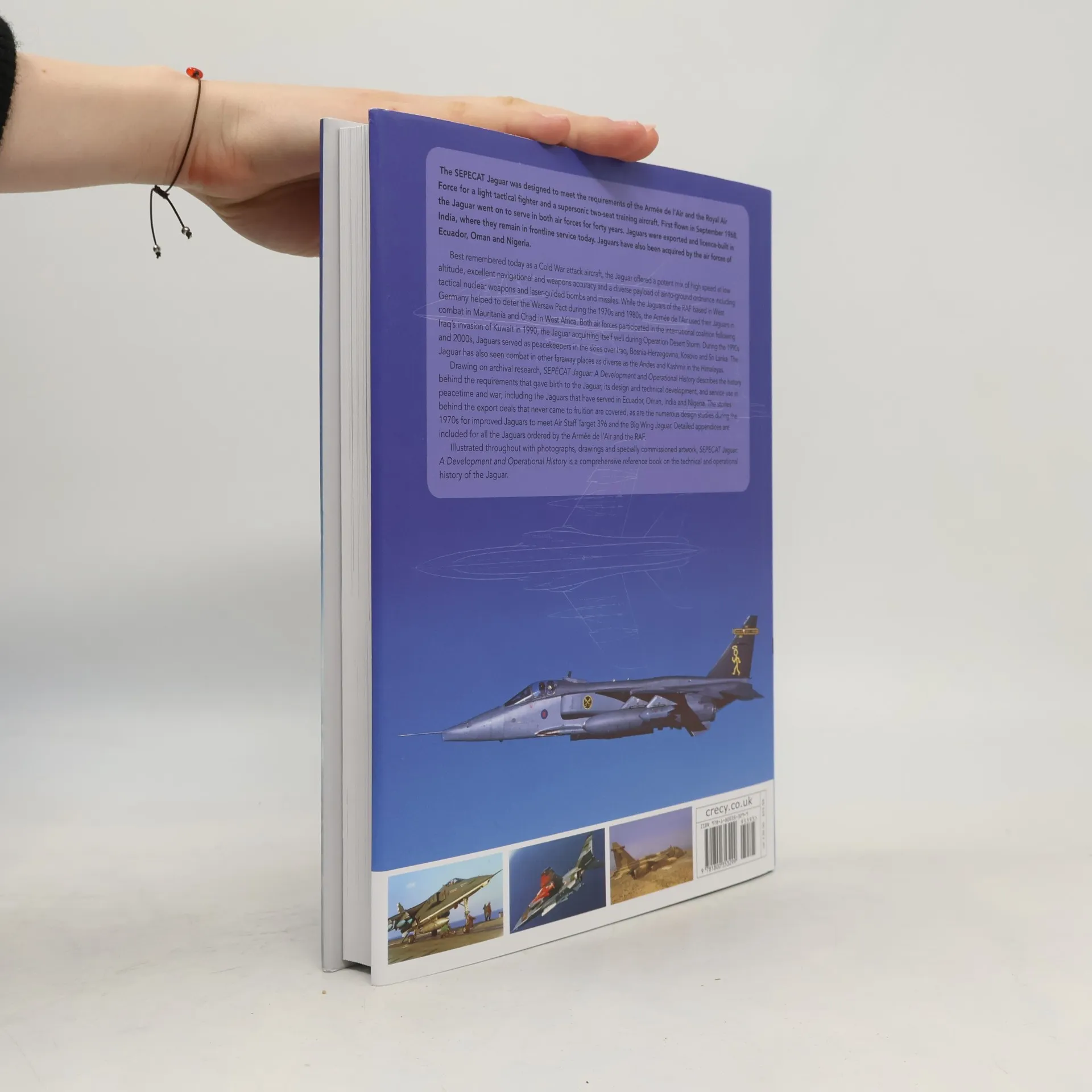
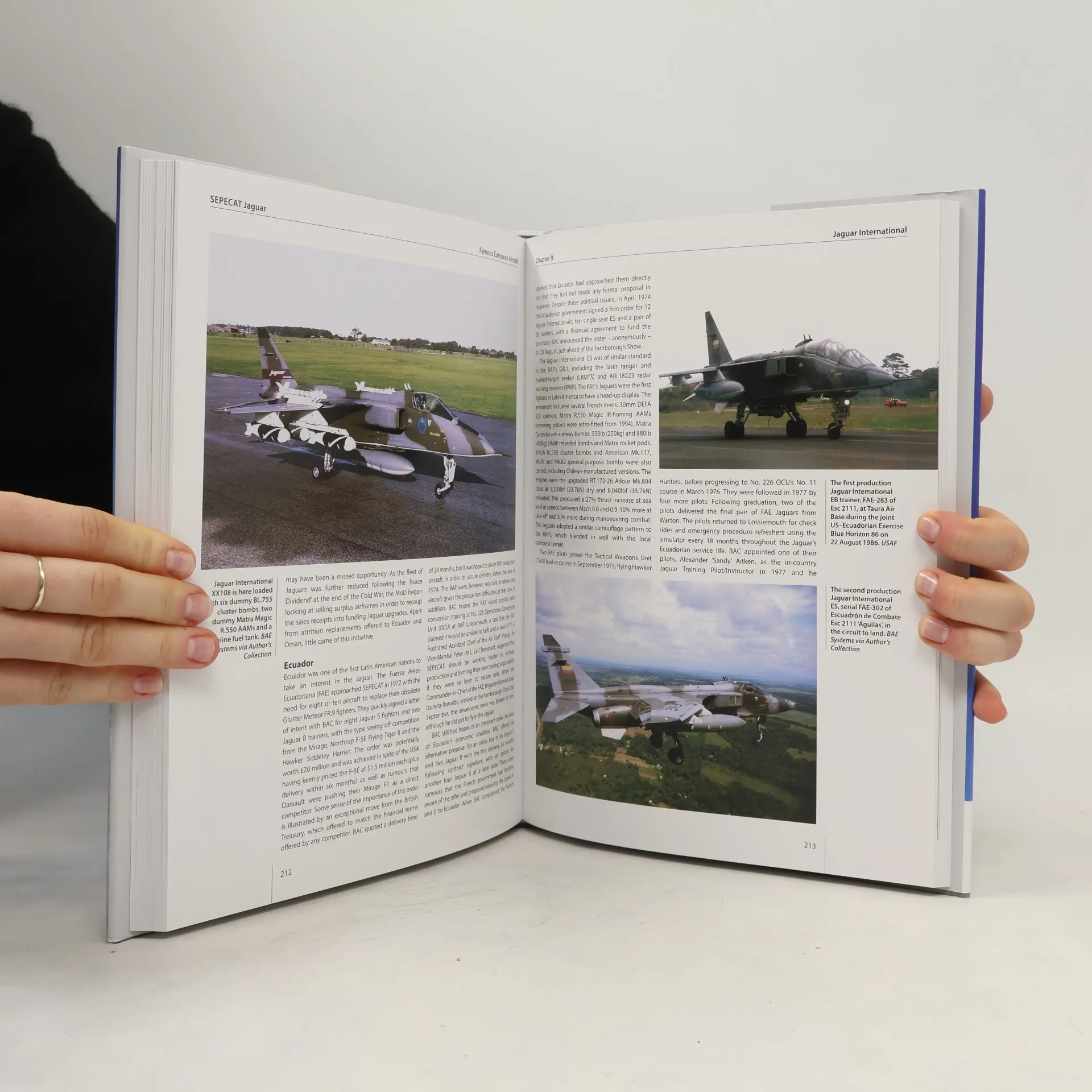
The SEPECAT Jaguar was created to fulfill the needs of the Armée de l'Air and the Royal Air Force for a light tactical fighter and a supersonic two-seat trainer. First flown in September 1968, it served both air forces for forty years and was exported and license-built in India, where it remains in service. The aircraft was also acquired by Ecuador, Oman, and Nigeria. Known as a Cold War attack aircraft, the Jaguar combined high speed at low altitude with excellent navigational and weapons accuracy, capable of carrying a diverse array of air-to-ground ordnance, including tactical nuclear weapons and laser-guided munitions. RAF Jaguars stationed in West Germany helped deter the Warsaw Pact, while the Armée de l'Air employed them in combat in Mauritania and Chad. Both forces participated in the international coalition during the Gulf War, with the Jaguar performing admirably in Operation Desert Storm. Throughout the 1990s and 2000s, they served as peacekeepers over Iraq, Bosnia-Herzegovina, Kosovo, and Sri Lanka, and saw combat in varied locations like the Andes and Kashmir. Drawing on archival research, this work details the Jaguar's development, operational history, and the stories behind export deals and design studies, accompanied by photographs, drawings, and artwork, making it a comprehensive reference on the aircraft.
Compra de libros
SEPECAT Jaguar, James Jackson
- Idioma

- Publicado en
- 2025
- Encuadernación
- (Tapa dura)
Métodos de pago
Nadie lo ha calificado todavía.
- Título
- SEPECAT Jaguar
- Subtítulo
- A Development and Operational History
- Idioma
- Inglés
- Autores
- James Jackson
- Editorial
- Crecy Publishing
- Publicado en
- 2025
- Formato
- Tapa dura
- Páginas
- 336
- ISBN10
- 1800353294
- ISBN13
- 9781800353299
- Serie
- Categorías
- Etiquetas
- Tema histórico, Francia, Siglo XX, Europa, Gran Bretaña, Aviación, Guerra Fría, Aviones militares, Pacto de Varsovia
- Descripción
- The SEPECAT Jaguar was created to fulfill the needs of the Armée de l'Air and the Royal Air Force for a light tactical fighter and a supersonic two-seat trainer. First flown in September 1968, it served both air forces for forty years and was exported and license-built in India, where it remains in service. The aircraft was also acquired by Ecuador, Oman, and Nigeria. Known as a Cold War attack aircraft, the Jaguar combined high speed at low altitude with excellent navigational and weapons accuracy, capable of carrying a diverse array of air-to-ground ordnance, including tactical nuclear weapons and laser-guided munitions. RAF Jaguars stationed in West Germany helped deter the Warsaw Pact, while the Armée de l'Air employed them in combat in Mauritania and Chad. Both forces participated in the international coalition during the Gulf War, with the Jaguar performing admirably in Operation Desert Storm. Throughout the 1990s and 2000s, they served as peacekeepers over Iraq, Bosnia-Herzegovina, Kosovo, and Sri Lanka, and saw combat in varied locations like the Andes and Kashmir. Drawing on archival research, this work details the Jaguar's development, operational history, and the stories behind export deals and design studies, accompanied by photographs, drawings, and artwork, making it a comprehensive reference on the aircraft.