



Más información sobre el libro
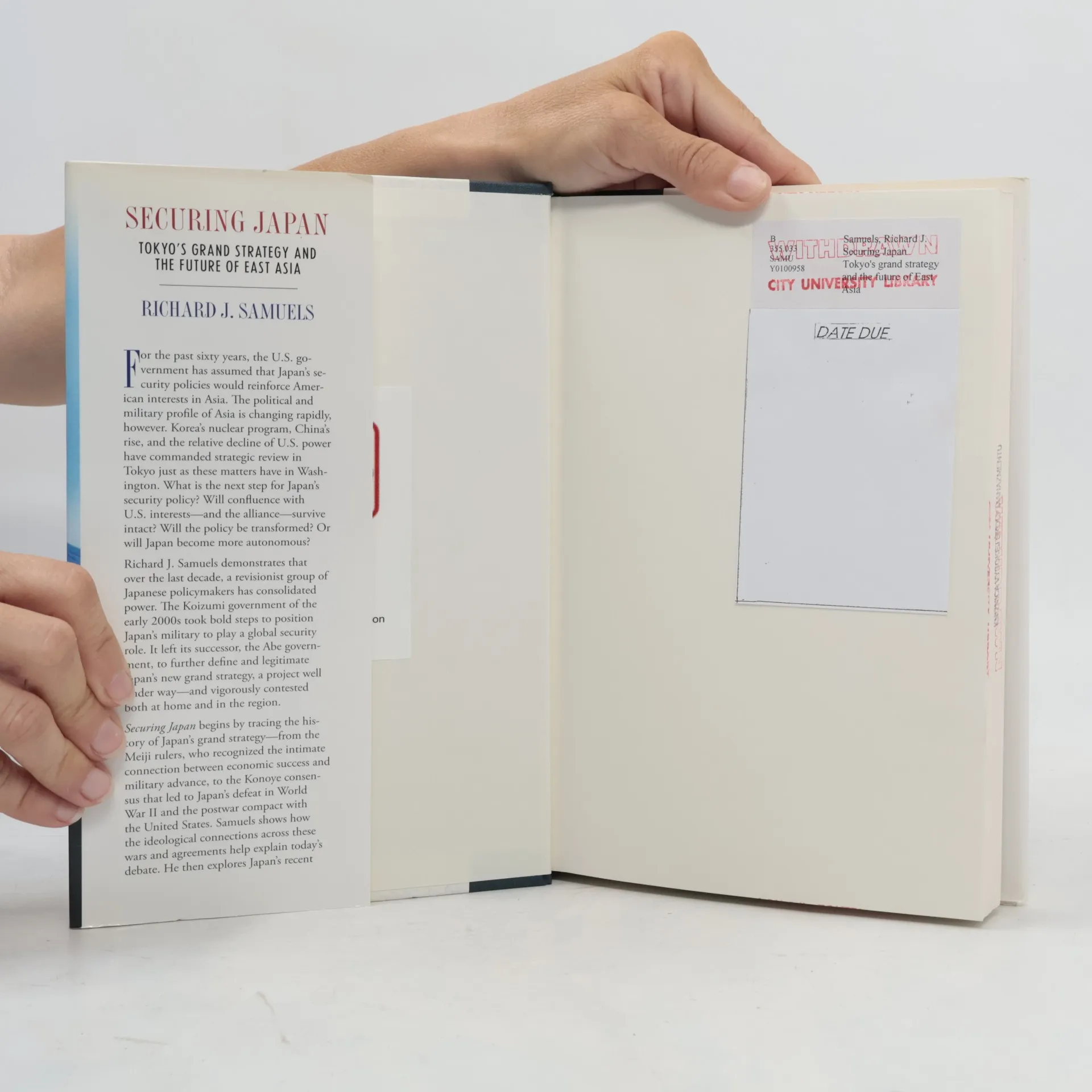
For the past sixty years, the U.S. government has relied on Japan's security policies to support American interests in Asia. However, the political and military landscape in Asia is rapidly evolving due to Korea's nuclear ambitions, China's rise, and the relative decline of U.S. power. This shift prompts a strategic reassessment in Tokyo, mirroring discussions in Washington. What direction will Japan's security policy take? Will it continue to align with U.S. interests, transform, or become more autonomous? Richard J. Samuels reveals that a revisionist faction of Japanese policymakers has gained influence over the last decade. The early 2000s Koizumi government initiated significant changes to enable Japan's military to assume a global security role, paving the way for the Abe administration to further develop and legitimize Japan's new grand strategy—a process that is currently contentious both domestically and regionally. The book traces Japan's strategic evolution from the Meiji era, emphasizing the link between economic success and military strength, through to the post-World War II U.S. alliance. Samuels argues that Japan will seek a balance between national strength and autonomy, ensuring security without excessive dependence on the U.S. or vulnerability to China. His extensive insights, drawn from interviews and archival research, provide a comprehensive analysis of Japanese security policy and its future implications f
Compra de libros
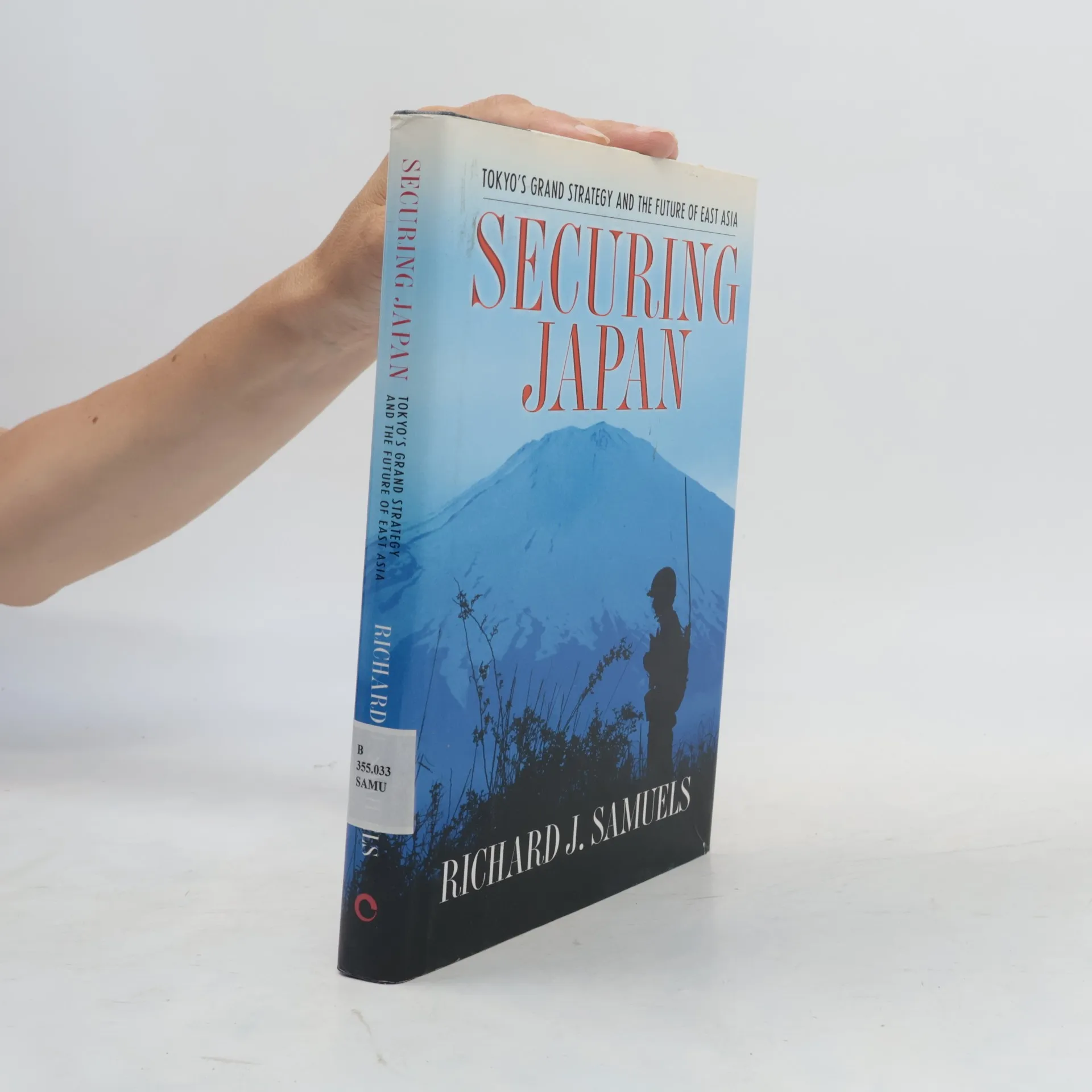
Securing Japan, Richard J. Samuels
- Idioma

- Publicado en
- 2007
- Encuadernación
- (Tapa dura),
- Estado del libro
- Dañado
- Precio
- 1,61 €
Métodos de pago
Nadie lo ha calificado todavía.
- Título
- Securing Japan
- Subtítulo
- Tokyo's Grand Strategy and the Future of East Asia
- Idioma
- Inglés
- Autores
- Richard J. Samuels
- Editorial
- Cornell University Press
- Publicado en
- 2007
- Formato
- Tapa dura
- Páginas
- 296
- ISBN10
- 0801446120
- ISBN13
- 9780801446122
- Serie
- Categorías
- Etiquetas
- No ficción, Ciencias sociales, Política, Japón, Relaciones Internacionales
- Descripción
- For the past sixty years, the U.S. government has relied on Japan's security policies to support American interests in Asia. However, the political and military landscape in Asia is rapidly evolving due to Korea's nuclear ambitions, China's rise, and the relative decline of U.S. power. This shift prompts a strategic reassessment in Tokyo, mirroring discussions in Washington. What direction will Japan's security policy take? Will it continue to align with U.S. interests, transform, or become more autonomous? Richard J. Samuels reveals that a revisionist faction of Japanese policymakers has gained influence over the last decade. The early 2000s Koizumi government initiated significant changes to enable Japan's military to assume a global security role, paving the way for the Abe administration to further develop and legitimize Japan's new grand strategy—a process that is currently contentious both domestically and regionally. The book traces Japan's strategic evolution from the Meiji era, emphasizing the link between economic success and military strength, through to the post-World War II U.S. alliance. Samuels argues that Japan will seek a balance between national strength and autonomy, ensuring security without excessive dependence on the U.S. or vulnerability to China. His extensive insights, drawn from interviews and archival research, provide a comprehensive analysis of Japanese security policy and its future implications f