

Más información sobre el libro
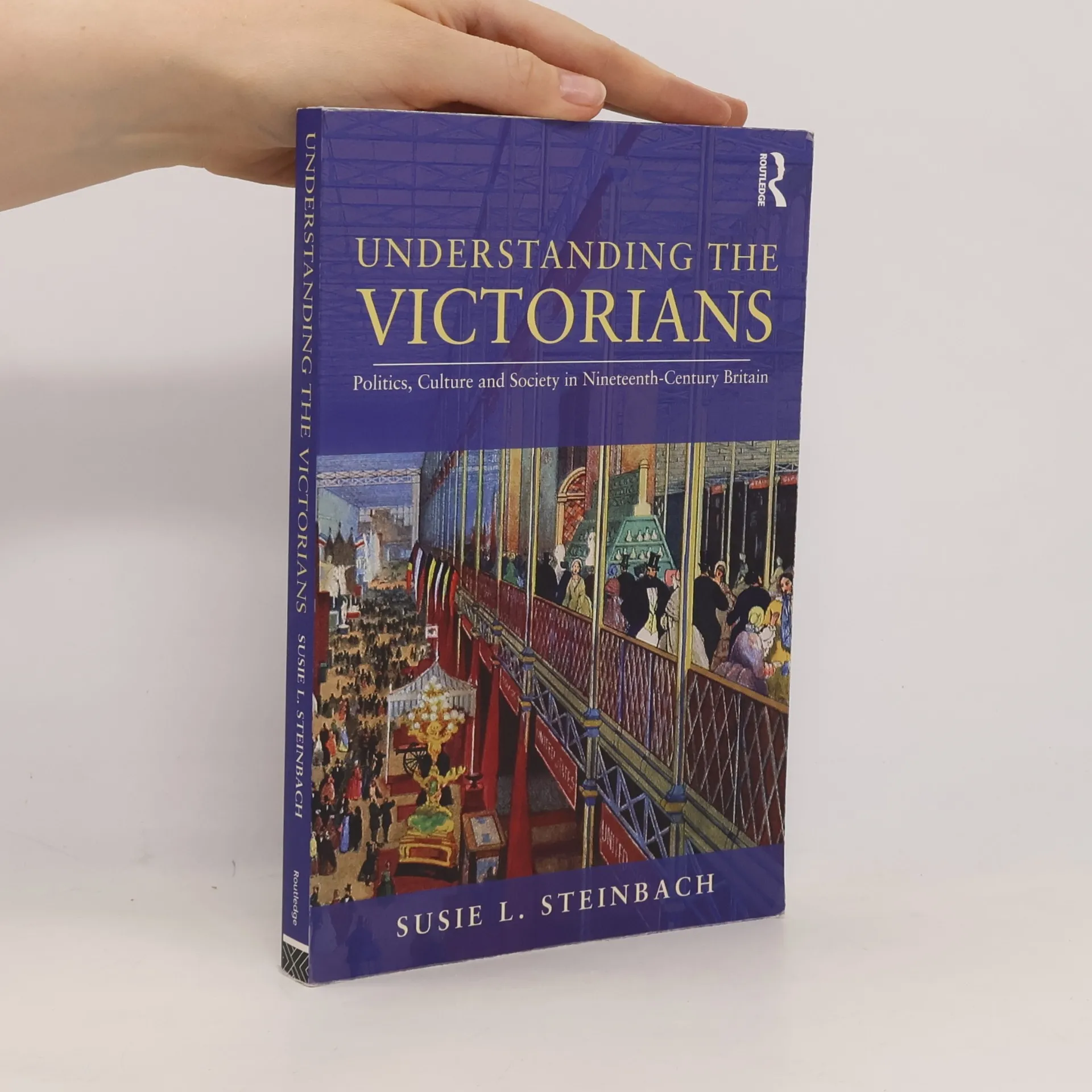
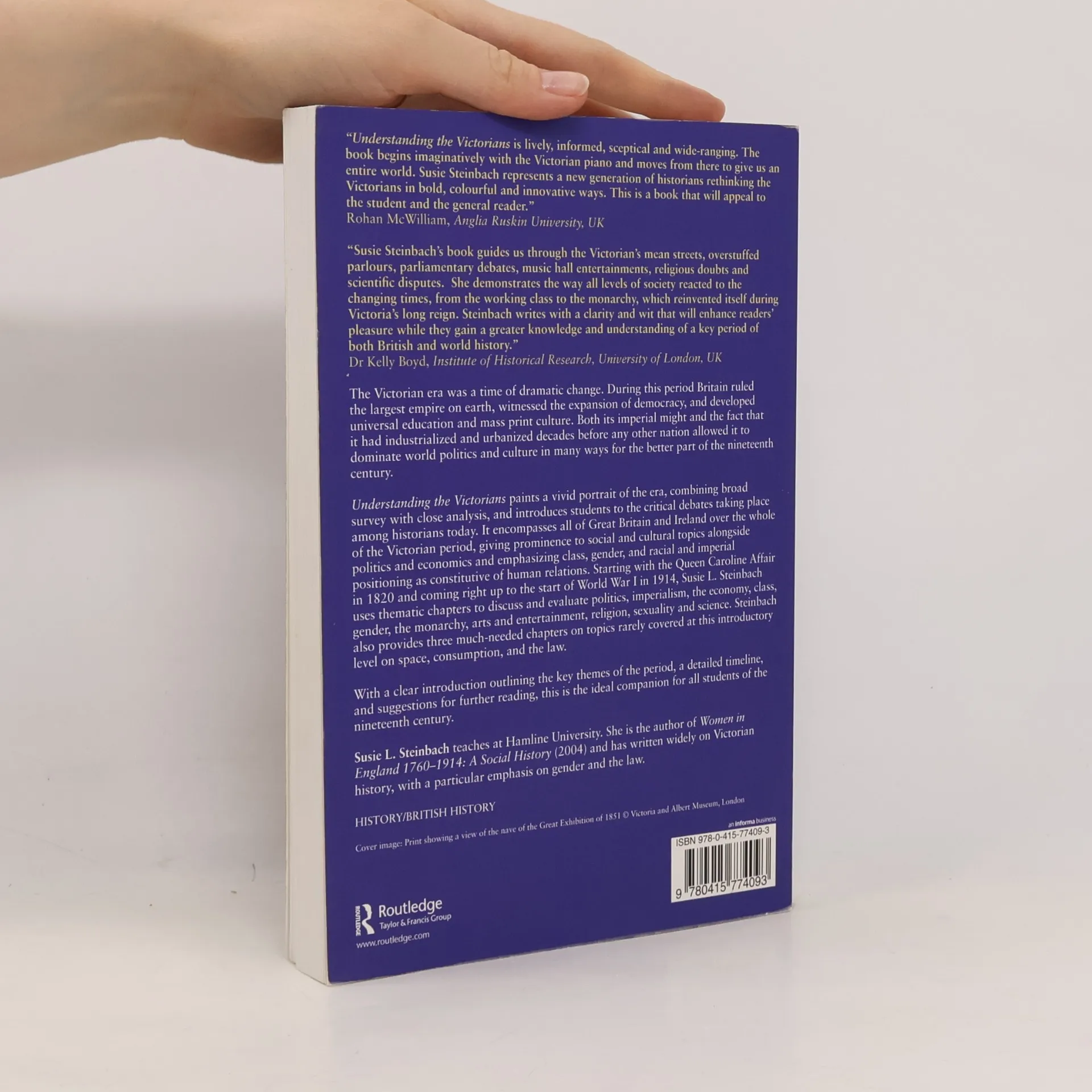
The Victorian era was marked by significant transformation, as Britain dominated the largest empire, expanded democracy, and developed universal education and mass print culture. This period of industrialization and urbanization positioned Britain as a leader in global politics and culture throughout the nineteenth century. The text offers a vivid portrait of this era, blending broad surveys with in-depth analysis while engaging with contemporary historical debates. It covers all of Great Britain and Ireland, emphasizing social and cultural topics alongside politics and economics, and highlights the roles of class, gender, and imperial positioning in shaping human relations. Beginning with the Queen Caroline Affair in 1820 and concluding with the onset of World War I in 1914, thematic chapters explore politics, imperialism, the economy, class, gender, monarchy, arts, entertainment, religion, sexuality, and science. Additionally, the author includes three essential chapters on space, consumption, and law—topics often overlooked at the introductory level. With a clear introduction to key themes, a detailed timeline, and suggestions for further reading, this work serves as an excellent companion for students studying the nineteenth century.
Compra de libros
Understanding the Victorians, Susie Steinbach
- Idioma

- Publicado en
- 2012
- Encuadernación
- (Tapa blanda)
Métodos de pago
Nadie lo ha calificado todavía.
- Título
- Understanding the Victorians
- Subtítulo
- Politics, Culture And Society In Nineteenth Century Britain
- Idioma
- Inglés
- Autores
- Susie Steinbach
- Editorial
- Routledge
- Publicado en
- 2012
- Formato
- Tapa blanda
- Páginas
- 312
- ISBN10
- 0415774098
- ISBN13
- 9780415774093
- Serie
- Categorías
- Etiquetas
- Tema histórico, Política, Europa, Siglo XIX, Gran Bretaña, Historia de Europa, Lectura obligatoria, Época Victoriana, Historia social, Condiciones sociales
- Descripción
- The Victorian era was marked by significant transformation, as Britain dominated the largest empire, expanded democracy, and developed universal education and mass print culture. This period of industrialization and urbanization positioned Britain as a leader in global politics and culture throughout the nineteenth century. The text offers a vivid portrait of this era, blending broad surveys with in-depth analysis while engaging with contemporary historical debates. It covers all of Great Britain and Ireland, emphasizing social and cultural topics alongside politics and economics, and highlights the roles of class, gender, and imperial positioning in shaping human relations. Beginning with the Queen Caroline Affair in 1820 and concluding with the onset of World War I in 1914, thematic chapters explore politics, imperialism, the economy, class, gender, monarchy, arts, entertainment, religion, sexuality, and science. Additionally, the author includes three essential chapters on space, consumption, and law—topics often overlooked at the introductory level. With a clear introduction to key themes, a detailed timeline, and suggestions for further reading, this work serves as an excellent companion for students studying the nineteenth century.