

Parámetros
- 288 páginas
- 11 horas de lectura
Más información sobre el libro
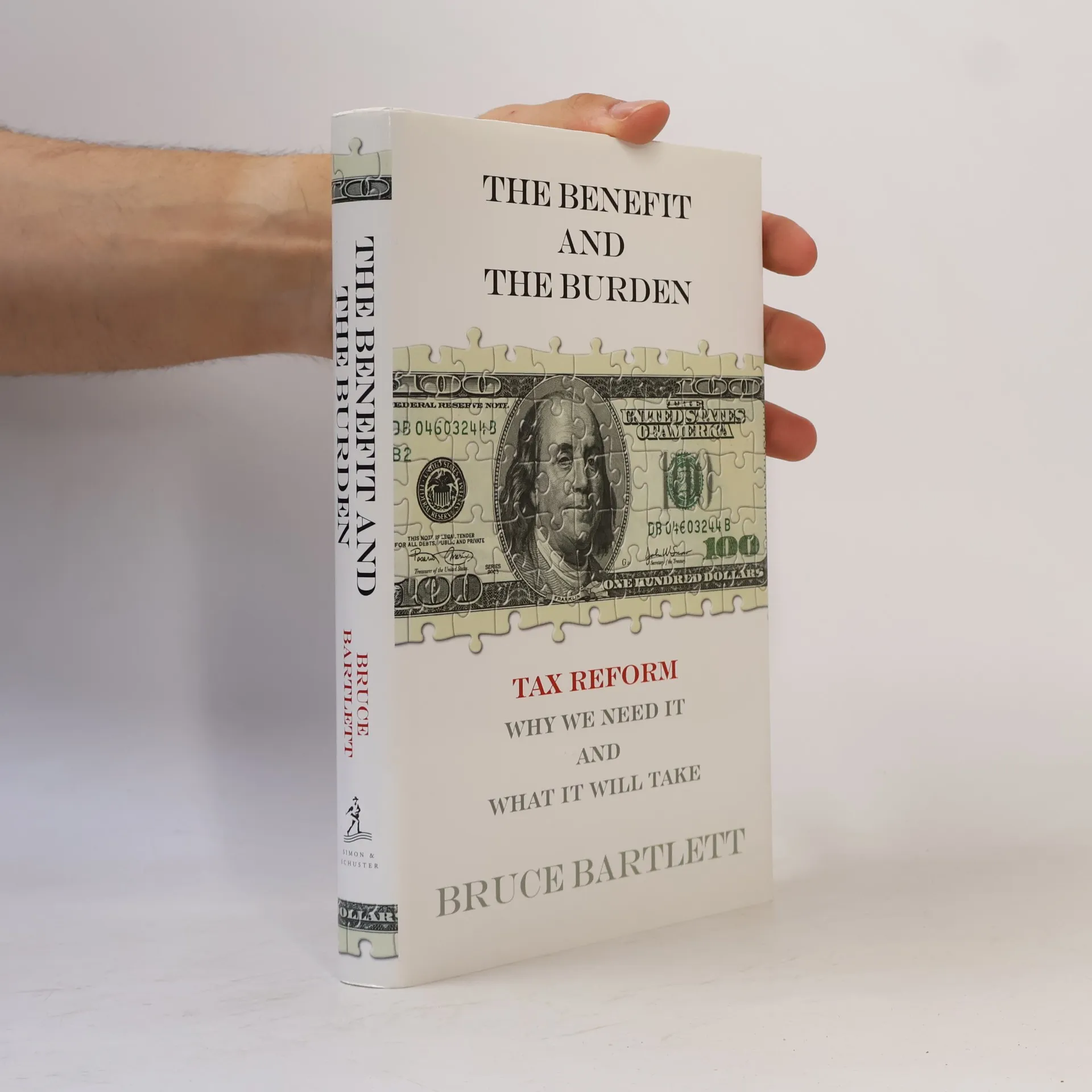
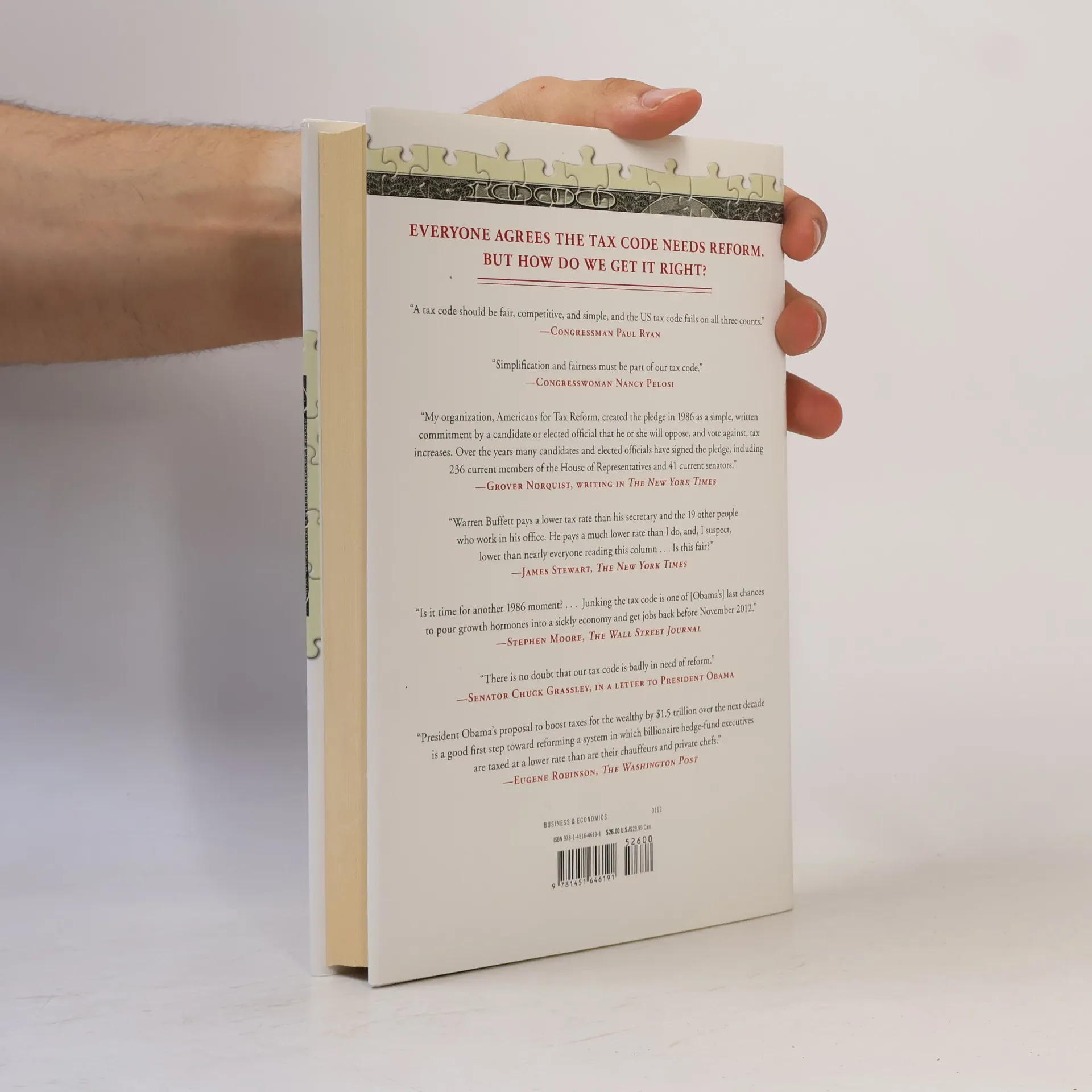
This insightful examination highlights the urgent need for American tax reform, a crucial political debate that has been long overdue. The U.S. Tax Code has not seen serious reform since 1986, leading to a complex web of loopholes, exemptions, and deductions that have muddled its clarity and increased inequity. At its essence, a tax system is designed to generate the revenue necessary for government operations, but critical questions arise regarding its structure: Should it be progressive, requiring the wealthy to contribute more than the poor? Should we focus on taxing income, consumption, or both? Bartlett evaluates various proposals from economists and politicians, ranging from tax increases to cuts, and examines successful models from other countries. He delves into the historical context of the U.S. tax system while identifying the benefits and burdens it entails. With growing budget deficits and the impending expiration of tax cuts, tax reform is shifting from a theoretical discussion to a practical necessity. By outlining the dominant tax philosophies, Bartlett assesses the distributional, technical, and political implications of the proposals likely to shape America's future political landscape.
Compra de libros
The Benefit and The Burden, Bruce R. Bartlett
- Idioma

- Publicado en
- 2012
- Encuadernación
- (Tapa dura),
- Estado del libro
- Bueno
- Precio
- 7,49 €
Métodos de pago
Nadie lo ha calificado todavía.
- Título
- The Benefit and The Burden
- Subtítulo
- Tax Reform-Why We Need It and What It Will Take
- Idioma
- Inglés
- Autores
- Bruce R. Bartlett
- Editorial
- Simon & Schuster
- Publicado en
- 2012
- Formato
- Tapa dura
- Páginas
- 288
- ISBN10
- 1451646194
- ISBN13
- 9781451646191
- Serie
- Categorías
- Etiquetas
- Comercio, Política, EE.UU., Historia de EE. UU., Política económica, Impuesto sobre la renta
- Descripción
- This insightful examination highlights the urgent need for American tax reform, a crucial political debate that has been long overdue. The U.S. Tax Code has not seen serious reform since 1986, leading to a complex web of loopholes, exemptions, and deductions that have muddled its clarity and increased inequity. At its essence, a tax system is designed to generate the revenue necessary for government operations, but critical questions arise regarding its structure: Should it be progressive, requiring the wealthy to contribute more than the poor? Should we focus on taxing income, consumption, or both? Bartlett evaluates various proposals from economists and politicians, ranging from tax increases to cuts, and examines successful models from other countries. He delves into the historical context of the U.S. tax system while identifying the benefits and burdens it entails. With growing budget deficits and the impending expiration of tax cuts, tax reform is shifting from a theoretical discussion to a practical necessity. By outlining the dominant tax philosophies, Bartlett assesses the distributional, technical, and political implications of the proposals likely to shape America's future political landscape.