



Parámetros
- 270 páginas
- 10 horas de lectura
Más información sobre el libro
Pragmatic Perspectives in Phenomenology offers a nuanced analysis of pragmatic themes in the works of key phenomenological figures, including Husserl, Levinas, Scheler, and Patocka, alongside Heidegger and Merleau-Ponty. The volume begins with a critical reassessment of existing pragmatic interpretations, particularly focusing on Heidegger’s concept of Being-in-the-world. It explores themes that justify the pragmatic turn, emphasizing the primacy of practical understanding over theoretical frameworks, critiquing representationalist views of perception and consciousness, and analyzing language and truth within social and cultural practices. By examining these pragmatic readings of essential phenomenological concepts, the book situates them within a broader historical and thematic context, introducing previously overlooked themes such as freedom, alterity, transcendence, normativity, distance, and self-knowledge. This work aims to invigorate discussions about the phenomenological legacy and its contemporary relevance by expanding the thematic scope of pragmatic motives in phenomenology. It is designed for advanced students and scholars interested in bridging the analytic-continental divide and exploring the interplay between practice and theory.
Compra de libros
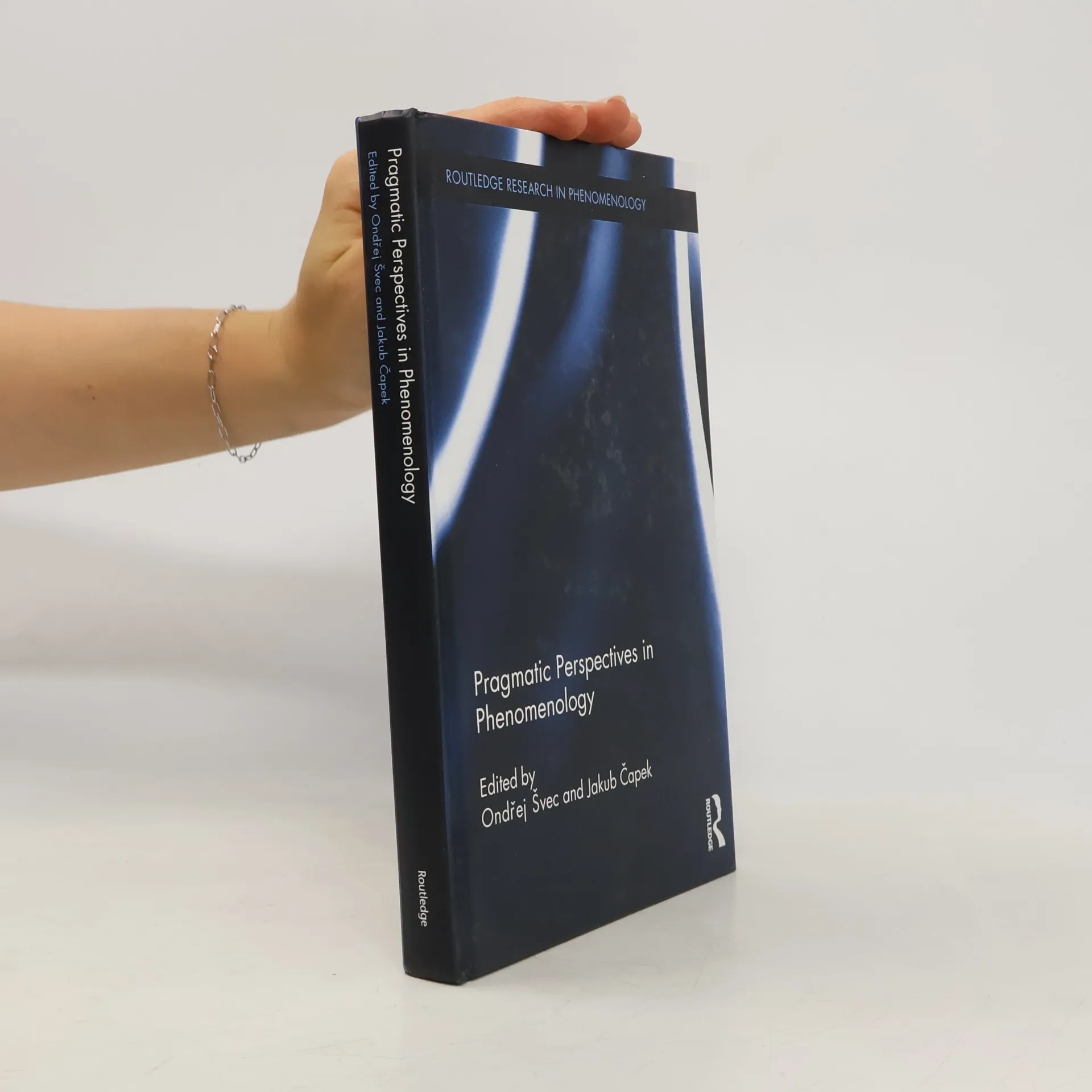
Routledge Research in Phenomenology - 6: Pragmatic Perspectives in Phenomenology, Ondřej Švec, Jakub Čapek
- Idioma

- Publicado en
- 2017
- Encuadernación
- (Tapa dura),
- Estado del libro
- Muy Bueno
- Precio
- 55,39 €
Métodos de pago
Nadie lo ha calificado todavía.
- Título
- Routledge Research in Phenomenology - 6: Pragmatic Perspectives in Phenomenology
- Idioma
- Inglés
- Autores
- Ondřej Švec, Jakub Čapek
- Editorial
- Routledge
- Publicado en
- 2017
- Formato
- Tapa dura
- Páginas
- 270
- ISBN10
- 1138210978
- ISBN13
- 9781138210974
- Serie
- Categorías
- Etiquetas
- Temática filosófica, Literatura especializada, Obras completas, Investigación, Existencialismo, Fenomenología, Pragmatismo
- Descripción
- Pragmatic Perspectives in Phenomenology offers a nuanced analysis of pragmatic themes in the works of key phenomenological figures, including Husserl, Levinas, Scheler, and Patocka, alongside Heidegger and Merleau-Ponty. The volume begins with a critical reassessment of existing pragmatic interpretations, particularly focusing on Heidegger’s concept of Being-in-the-world. It explores themes that justify the pragmatic turn, emphasizing the primacy of practical understanding over theoretical frameworks, critiquing representationalist views of perception and consciousness, and analyzing language and truth within social and cultural practices. By examining these pragmatic readings of essential phenomenological concepts, the book situates them within a broader historical and thematic context, introducing previously overlooked themes such as freedom, alterity, transcendence, normativity, distance, and self-knowledge. This work aims to invigorate discussions about the phenomenological legacy and its contemporary relevance by expanding the thematic scope of pragmatic motives in phenomenology. It is designed for advanced students and scholars interested in bridging the analytic-continental divide and exploring the interplay between practice and theory.