

Parámetros
- 345 páginas
- 13 horas de lectura
Más información sobre el libro
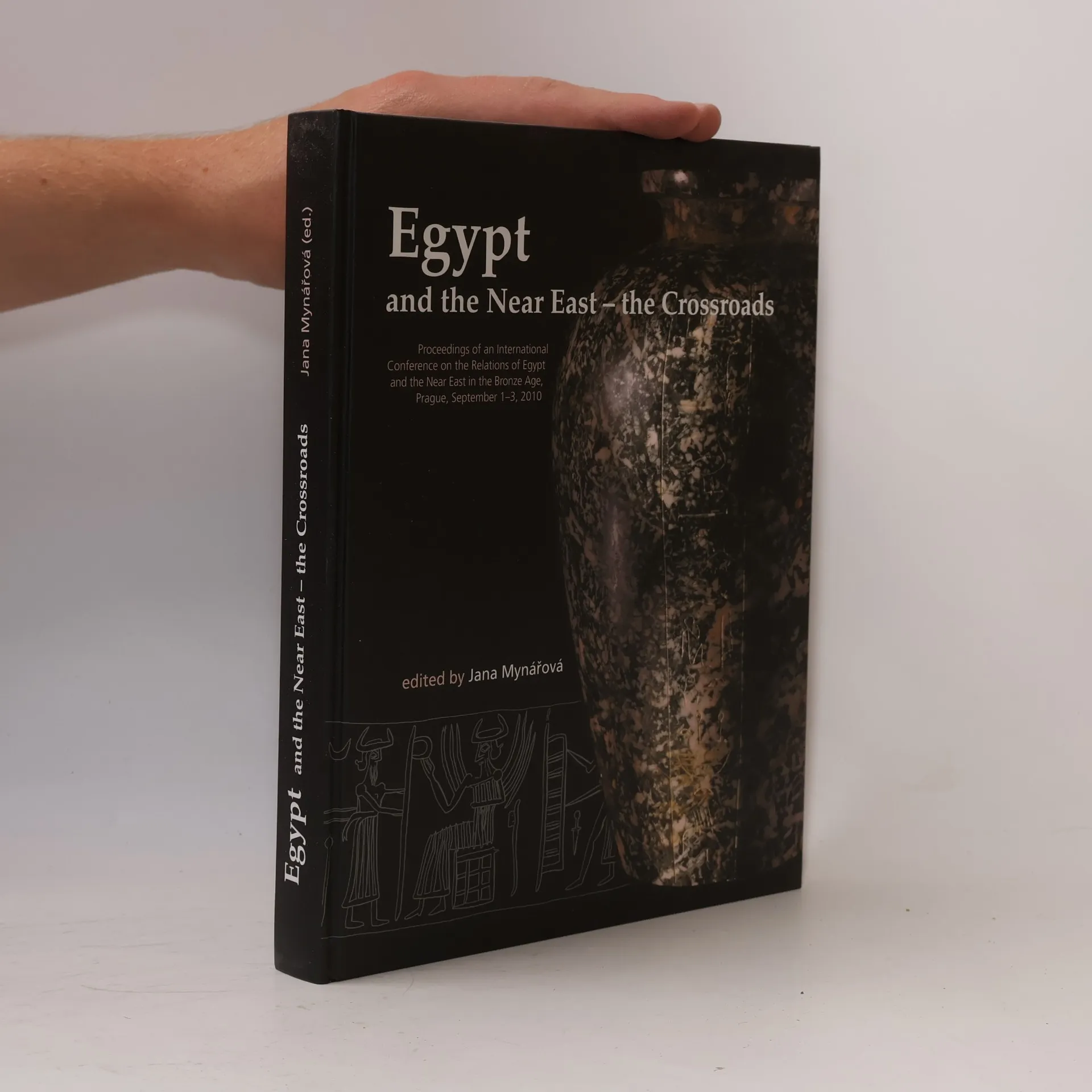
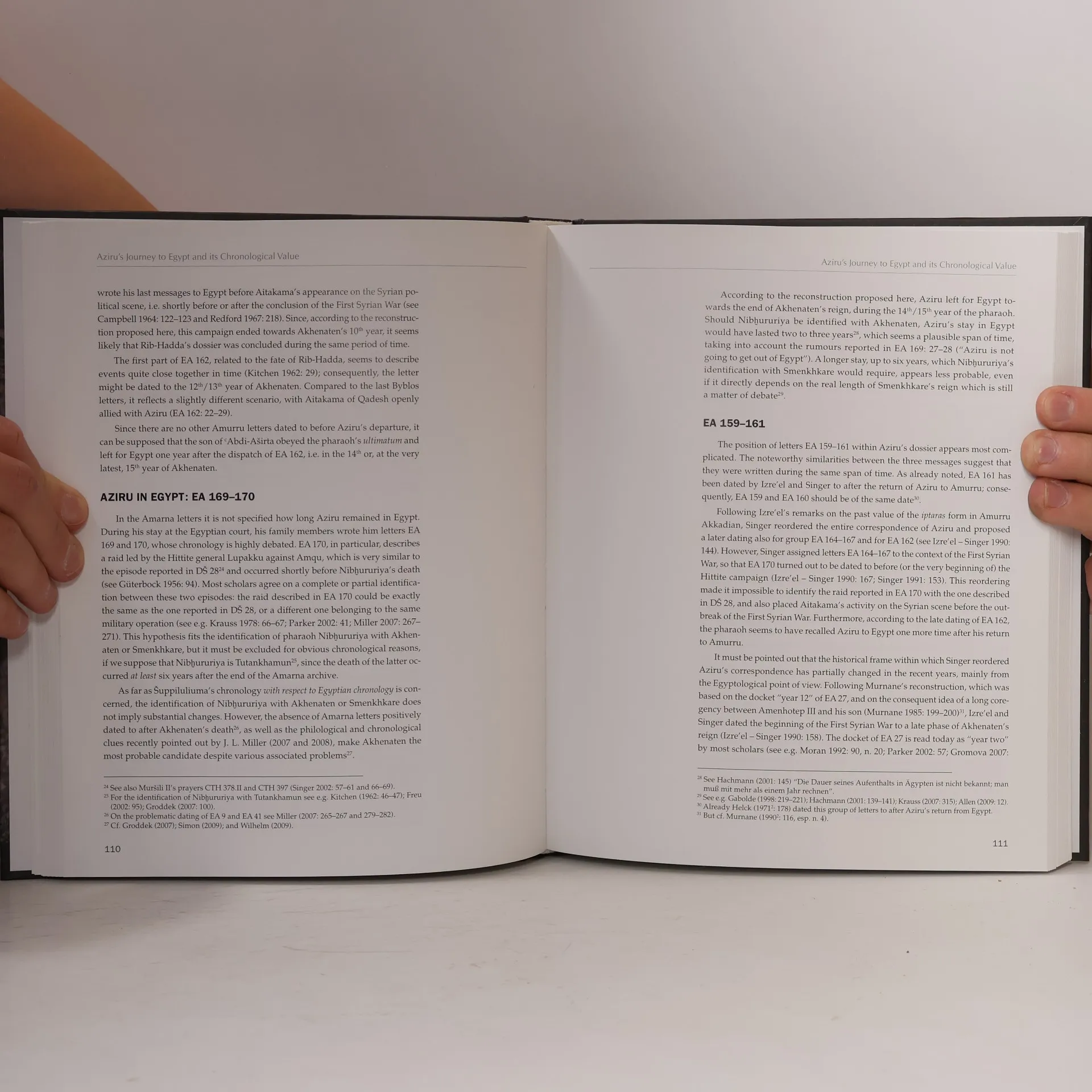
This volume presents the proceedings from the international workshop titled "Egypt and the Near East - the Crossroads," held from September 1-3, 2010, at Charles University in Prague. The workshop aimed to deepen the understanding of the complex historical relations between Egypt and the Near East, particularly from the end of the Chalcolithic Period to the dawn of the Iron Age, with a focus on Syria-Palestine. The discussions incorporated both archaeological and philological perspectives. The volume includes 14 papers, divided into two groups: seven focusing on material culture and archaeology, and seven on written sources. The archaeological studies cover topics such as Egyptian statuary from Qatna, findings from a late Middle Kingdom settlement at Tell el-Dabca, recent excavations at Tell Tweini and Tell el-Farkha, predynastic Egyptian influence at Tall Hujayrat al-Ghuzlan, religious symbolism in the Southern Levant during the Bronze Age, and Levantine combed ware from Heit el-Ghurab. The written evidence section features a reappraisal of the tale of Wenamun in the context of Ancient Near Eastern law, a revision of the Amarna letters' chronology, an analysis of terminology referring to kings in Egyptian and Hittite texts, historical topography concerning the toponym Qode, translation processes in the Amarna letters, and the relations between Egypt, Kush, and Assyria before the battle of Eltekeh.
Compra de libros
Egypt and the Near East - The Crossroads, Jana Mynářová
- Idioma

- Publicado en
- 2011
- Encuadernación
- (Tapa dura),
- Estado del libro
- Muy Bueno
- Precio
- 34,89 €
Métodos de pago
Nadie lo ha calificado todavía.
- Título
- Egypt and the Near East - The Crossroads
- Subtítulo
- Proceedings of an International Conference on the Relations of Egypt and the Near East in the Bronze Age, Prague, September 1-3, 2010
- Idioma
- Inglés
- Autores
- Jana Mynářová
- Editorial
- Czech Institute of Egyptology
- Publicado en
- 2011
- Formato
- Tapa dura
- Páginas
- 345
- ISBN10
- 8073083620
- ISBN13
- 9788073083625
- Serie
- Categorías
- Etiquetas
- Tema histórico, Arte, Arqueología, Egipto, Relaciones Internacionales, Antiguo Egipto, Egiptología, Palestina, Medio Oriente y Cercano Oriente
- Descripción
- This volume presents the proceedings from the international workshop titled "Egypt and the Near East - the Crossroads," held from September 1-3, 2010, at Charles University in Prague. The workshop aimed to deepen the understanding of the complex historical relations between Egypt and the Near East, particularly from the end of the Chalcolithic Period to the dawn of the Iron Age, with a focus on Syria-Palestine. The discussions incorporated both archaeological and philological perspectives. The volume includes 14 papers, divided into two groups: seven focusing on material culture and archaeology, and seven on written sources. The archaeological studies cover topics such as Egyptian statuary from Qatna, findings from a late Middle Kingdom settlement at Tell el-Dabca, recent excavations at Tell Tweini and Tell el-Farkha, predynastic Egyptian influence at Tall Hujayrat al-Ghuzlan, religious symbolism in the Southern Levant during the Bronze Age, and Levantine combed ware from Heit el-Ghurab. The written evidence section features a reappraisal of the tale of Wenamun in the context of Ancient Near Eastern law, a revision of the Amarna letters' chronology, an analysis of terminology referring to kings in Egyptian and Hittite texts, historical topography concerning the toponym Qode, translation processes in the Amarna letters, and the relations between Egypt, Kush, and Assyria before the battle of Eltekeh.