

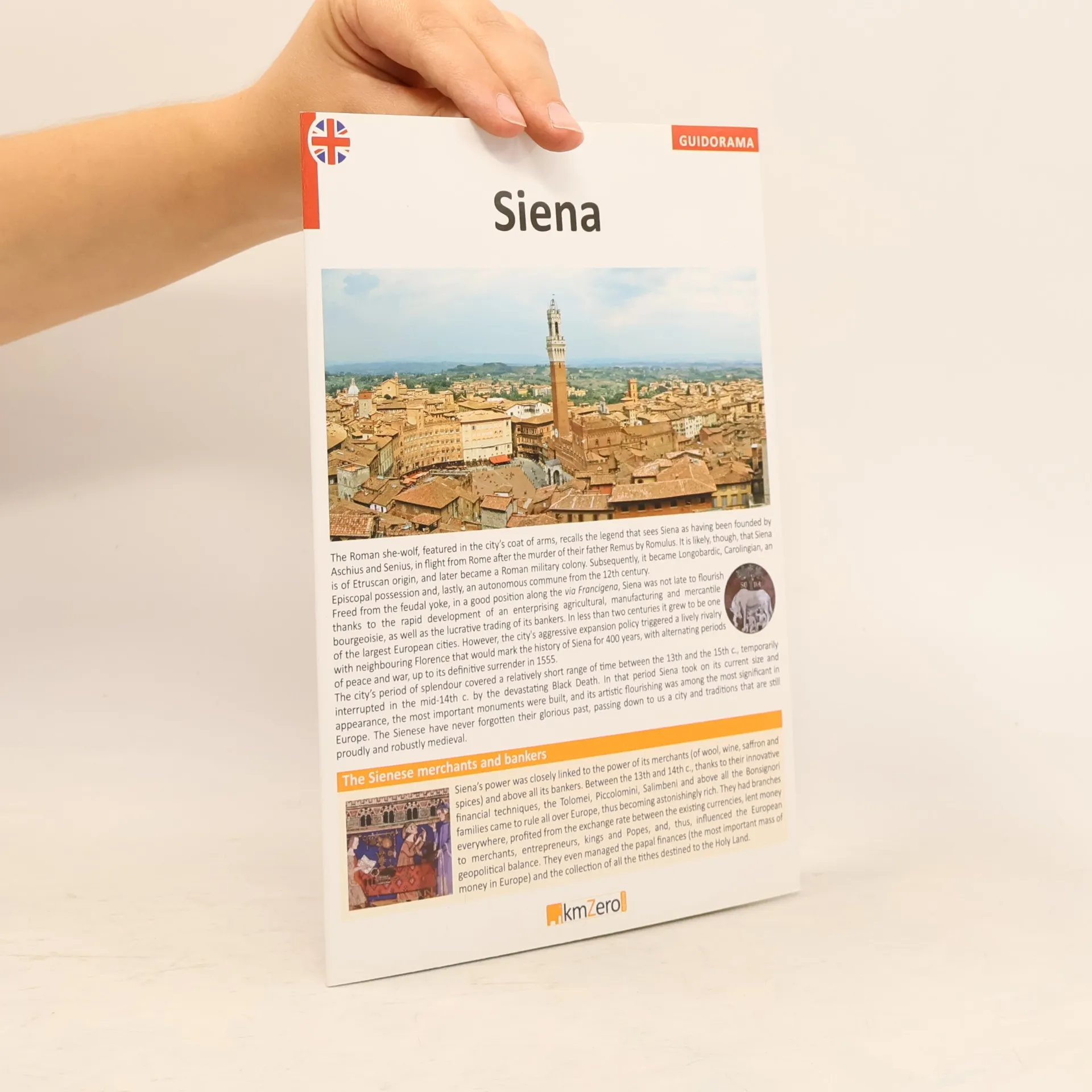
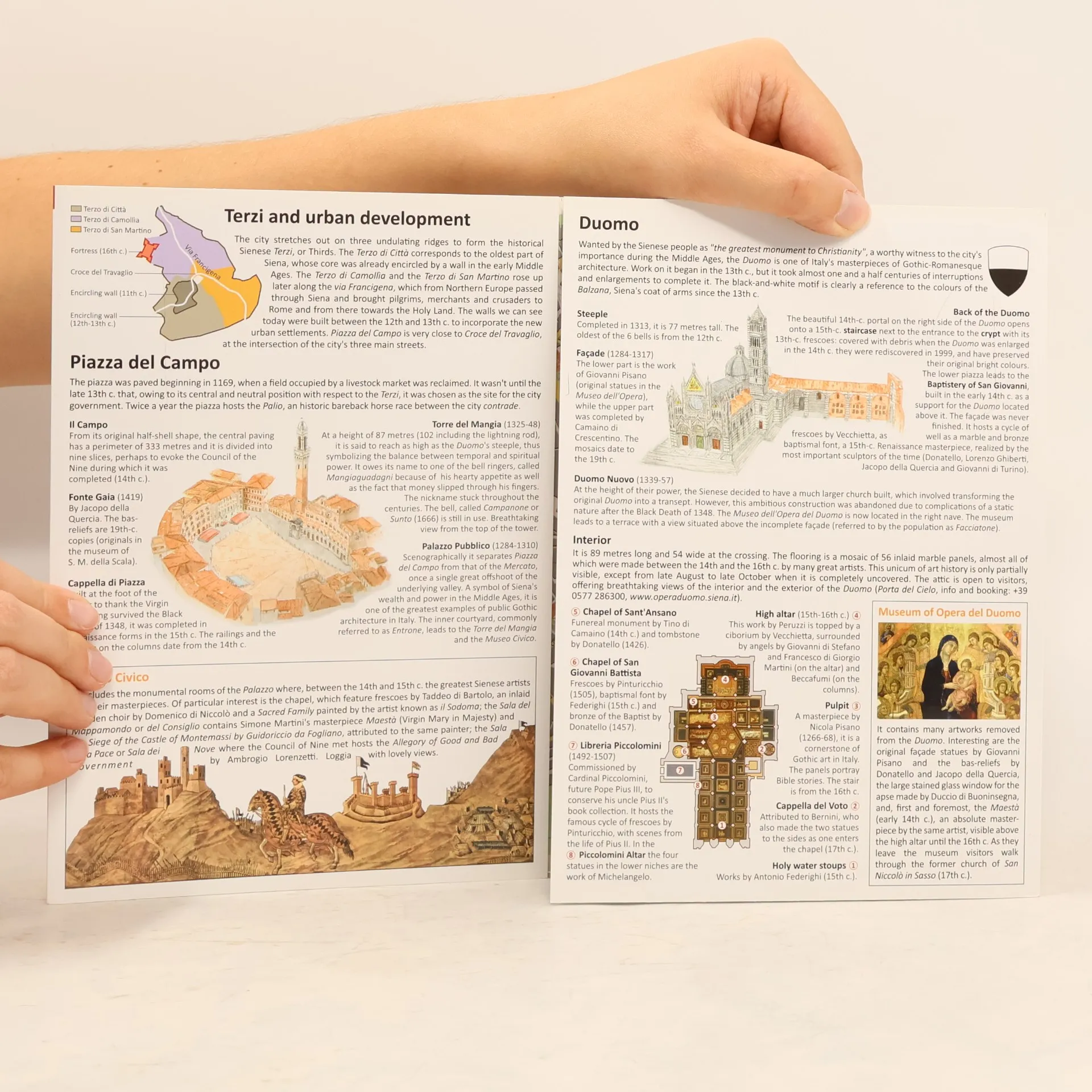
Más información sobre el libro
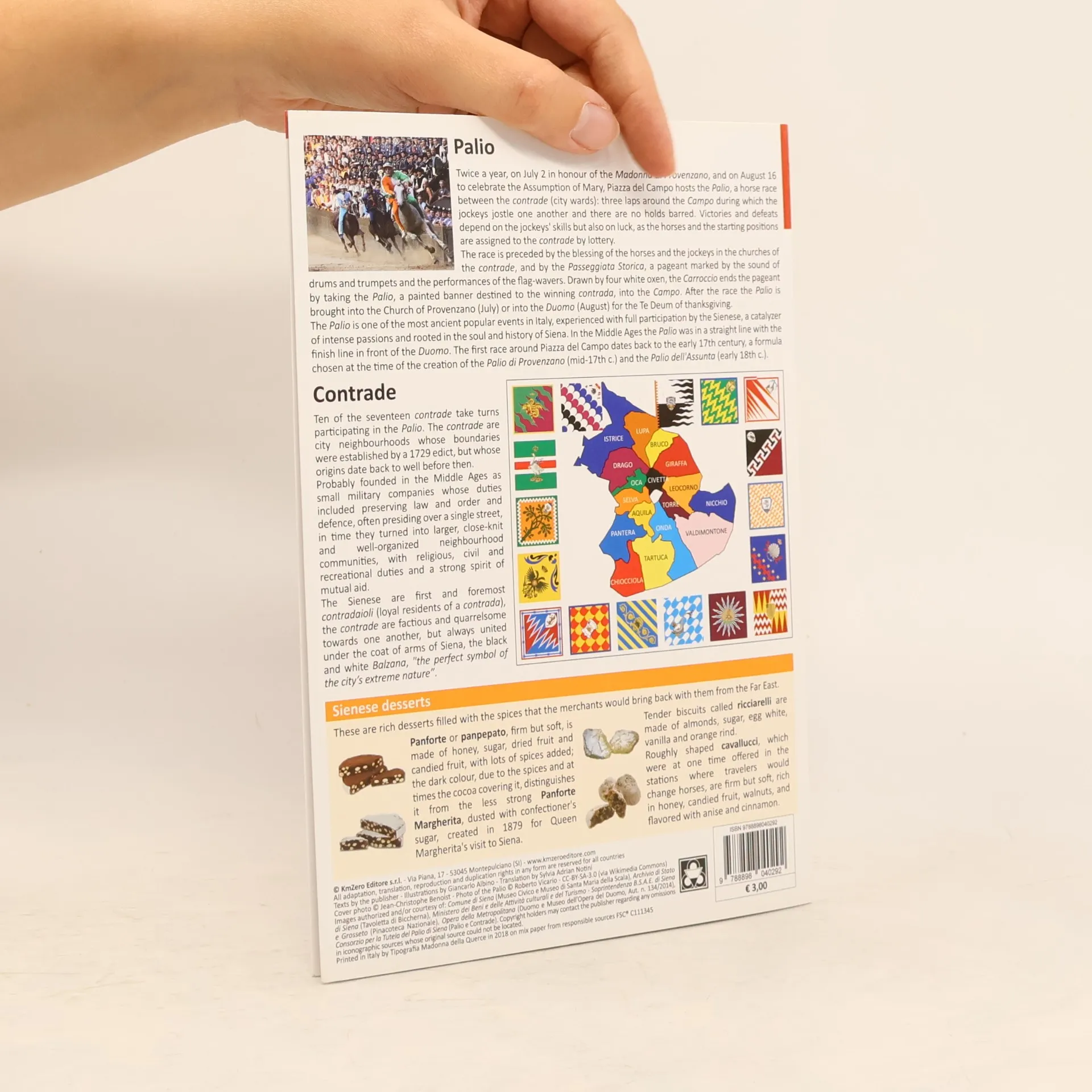
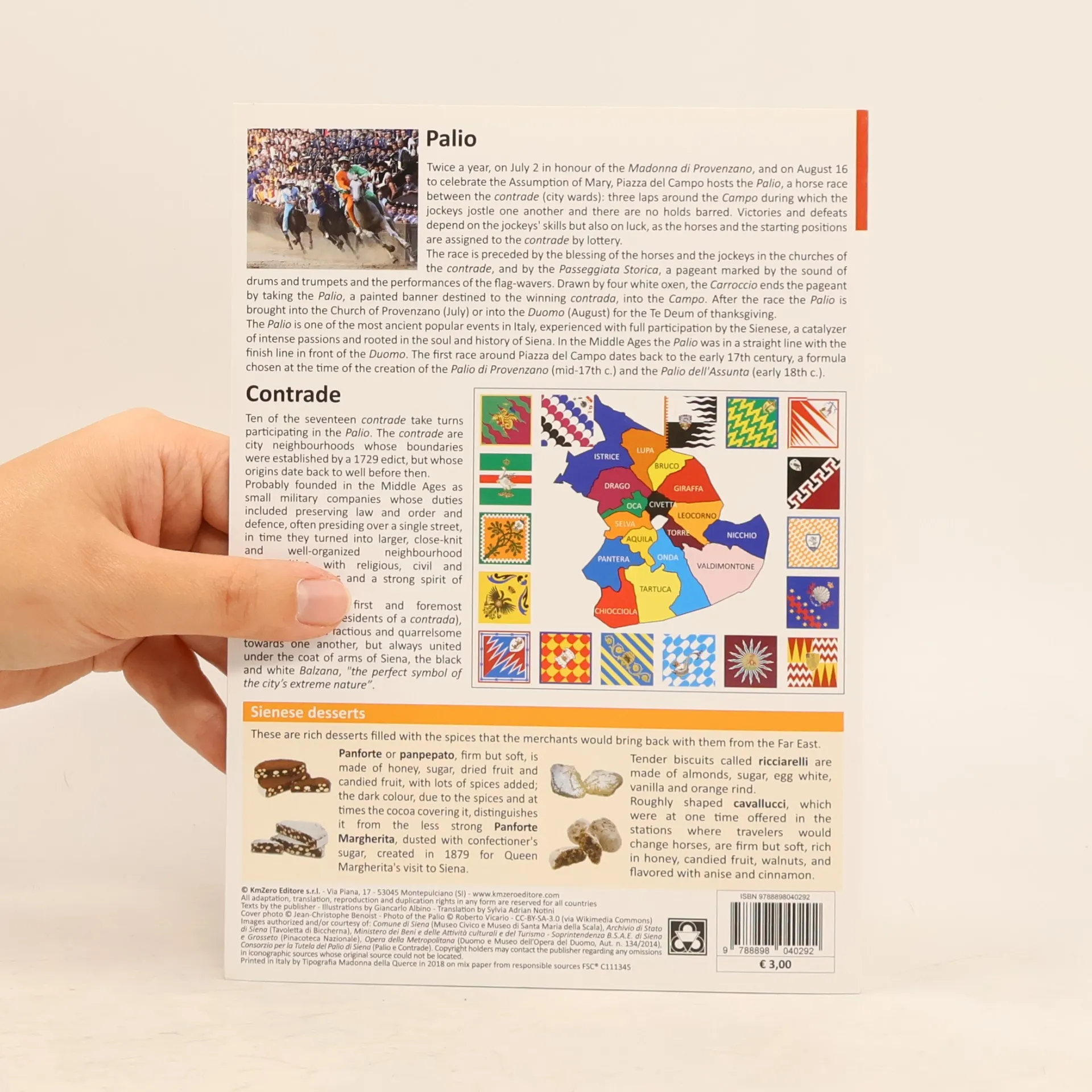
Twice a year, Piazza del Campo hosts the Palio, a thrilling horse race that takes place on July 2 and August 16, celebrating the Madonna di Provenzano and the Assumption of Mary, respectively. The race features jockeys from the contrade (city wards) competing in three laps, where skill and luck play crucial roles, as horses and starting positions are assigned by lottery. Preceding the race, there is a blessing of the horses and jockeys, followed by the Passeggiata Storica, a vibrant pageant with drums, trumpets, and flag-wavers. The Carroccio, drawn by white oxen, concludes the procession by bringing the Palio, a painted banner, into the Campo. After the race, the Palio is taken to the Church of Provenzano or the Duomo for a Te Deum of thanksgiving. This ancient event is deeply woven into the fabric of Siena's history and culture, with its origins tracing back to the Middle Ages. The Palio involves ten of the seventeen contrade, established by a 1729 edict but rooted in earlier times as military groups. These neighborhoods evolved into cohesive communities with strong mutual aid and civic responsibilities. The Sienese identify as contradaioli, fiercely loyal to their contrade yet united under Siena's black and white Balzana coat of arms. Sienese desserts reflect the city’s rich culinary heritage, featuring spices from the Far East. Notable treats include panforte, a spiced fruitcake, and ricciarelli, almond cookies, along
Compra de libros
Siena, Giancarlo Albino, Sylvia Adrian Notini
- Idioma

- Publicado en
- 2018
- Encuadernación
- (Tapa blanda),
- Estado del libro
- Muy Bueno
- Precio
- 7,39 €
Métodos de pago
Nadie lo ha calificado todavía.
- Título
- Siena
- Idioma
- Inglés
- Autores
- Giancarlo Albino, Sylvia Adrian Notini
- Editorial
- KmZero
- Publicado en
- 2018
- Formato
- Tapa blanda
- ISBN10
- 8898040296
- ISBN13
- 9788898040292
- Serie
- Etiquetas
- Tema histórico, Italia, Europa del Sur, Cultura y Sociedad
- Descripción
- Twice a year, Piazza del Campo hosts the Palio, a thrilling horse race that takes place on July 2 and August 16, celebrating the Madonna di Provenzano and the Assumption of Mary, respectively. The race features jockeys from the contrade (city wards) competing in three laps, where skill and luck play crucial roles, as horses and starting positions are assigned by lottery. Preceding the race, there is a blessing of the horses and jockeys, followed by the Passeggiata Storica, a vibrant pageant with drums, trumpets, and flag-wavers. The Carroccio, drawn by white oxen, concludes the procession by bringing the Palio, a painted banner, into the Campo. After the race, the Palio is taken to the Church of Provenzano or the Duomo for a Te Deum of thanksgiving. This ancient event is deeply woven into the fabric of Siena's history and culture, with its origins tracing back to the Middle Ages. The Palio involves ten of the seventeen contrade, established by a 1729 edict but rooted in earlier times as military groups. These neighborhoods evolved into cohesive communities with strong mutual aid and civic responsibilities. The Sienese identify as contradaioli, fiercely loyal to their contrade yet united under Siena's black and white Balzana coat of arms. Sienese desserts reflect the city’s rich culinary heritage, featuring spices from the Far East. Notable treats include panforte, a spiced fruitcake, and ricciarelli, almond cookies, along