

Parámetros
- 208 páginas
- 8 horas de lectura
Más información sobre el libro
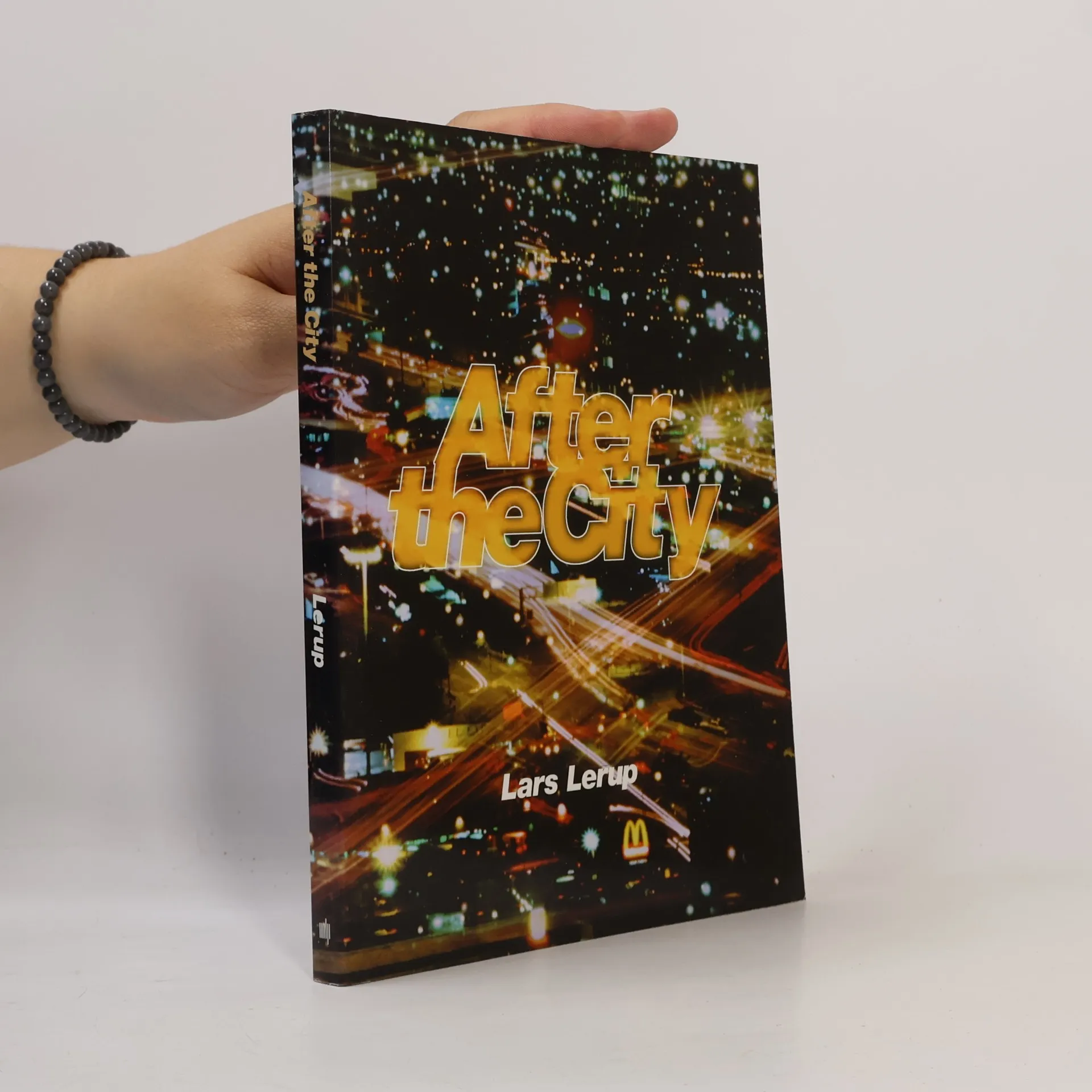
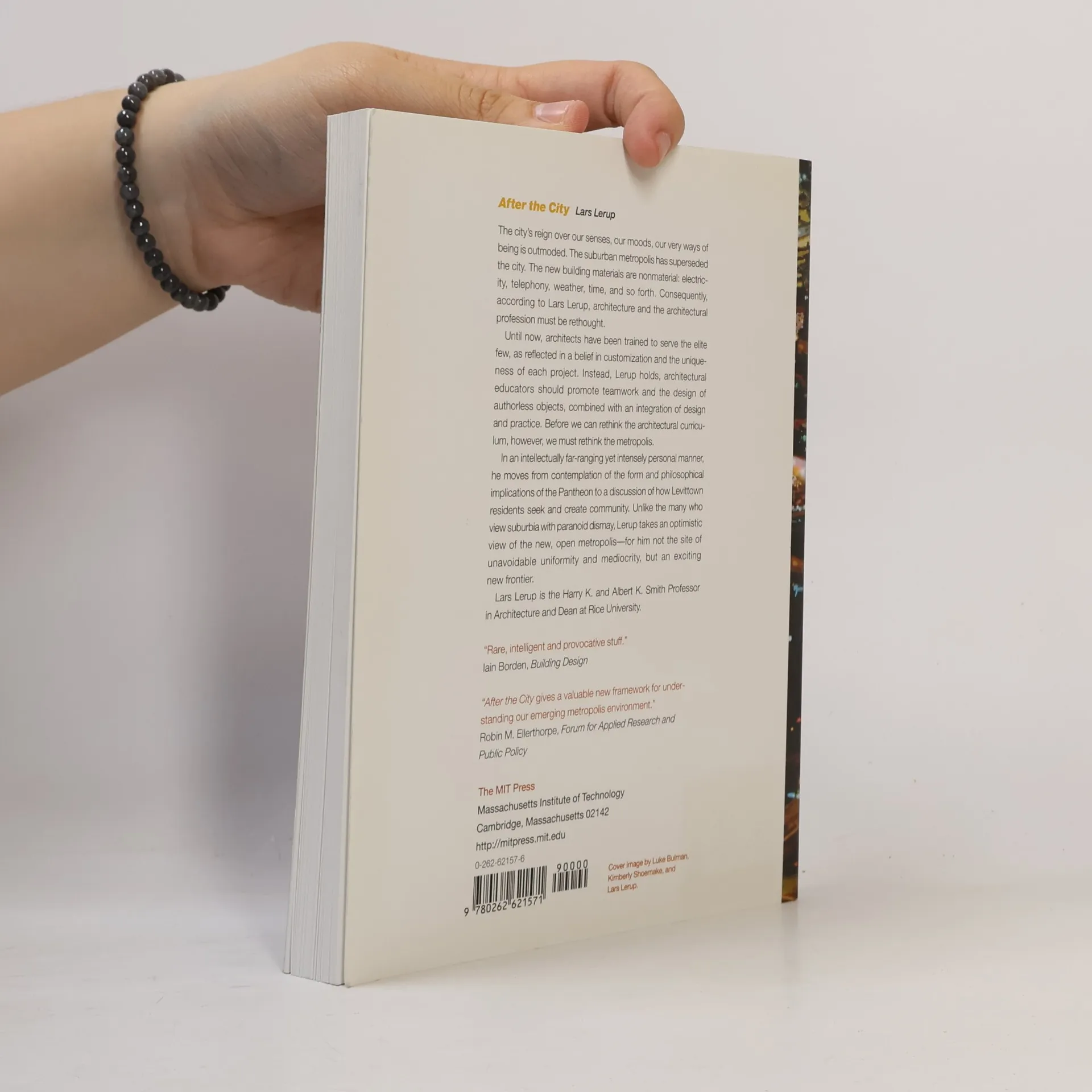
An architect's view of the new metropolitan consciousness and the suburban metropolis as the future frontier. The city's reign over our senses, our moods, our very ways of being is outmoded. The suburban metropolis has superseded the city. The new building materials are electricity, telephony, weather, time, and so forth. Consequently, according to Lars Lerup, architecture and architects must be rethought.Until now, architects have been trained to serve the elite few, as reflected in a belief in customization and the uniqueness of each project. Instead, Lerup holds, architectural educators should promote teamwork and the design of authorless objects, combined with an integration of design and practice. Before we can rethink the architectural curriculum, however, we must rethink the metropolis.And rethink the metropolis is just what Lerup does. In an intellectually far-ranging yet intensely personal manner, he moves from contemplation of the form and philosophical implications of the Pantheon to a discussion of how Levittown residents seek and create community. The result is an exhilarating work with profound practical implications. Unlike the many who view suburbia with paranoid dismay, Lerup takes an optimistic view of the new, open metropolis―for him not the site of unavoidable uniformity and mediocrity, but an exciting new frontier.
Compra de libros
After the City, Lars Lerup
- Idioma

- Publicado en
- 2001
- Encuadernación
- (Tapa blanda),
- Estado del libro
- Bueno
- Precio
- 7,79 €
Métodos de pago
Nadie lo ha calificado todavía.
- Título
- After the City
- Idioma
- Inglés
- Autores
- Lars Lerup
- Editorial
- The MIT press
- Publicado en
- 2001
- Formato
- Tapa blanda
- Páginas
- 208
- ISBN10
- 0262621576
- ISBN13
- 9780262621571
- Serie
- Categorías
- Etiquetas
- Arquitectura, Literatura especializada, Ciudades, Crítica, Derecho Civil, Urbanismo, Diseño de edificios, Teoría de la Arquitectura
- Descripción
- An architect's view of the new metropolitan consciousness and the suburban metropolis as the future frontier. The city's reign over our senses, our moods, our very ways of being is outmoded. The suburban metropolis has superseded the city. The new building materials are electricity, telephony, weather, time, and so forth. Consequently, according to Lars Lerup, architecture and architects must be rethought.Until now, architects have been trained to serve the elite few, as reflected in a belief in customization and the uniqueness of each project. Instead, Lerup holds, architectural educators should promote teamwork and the design of authorless objects, combined with an integration of design and practice. Before we can rethink the architectural curriculum, however, we must rethink the metropolis.And rethink the metropolis is just what Lerup does. In an intellectually far-ranging yet intensely personal manner, he moves from contemplation of the form and philosophical implications of the Pantheon to a discussion of how Levittown residents seek and create community. The result is an exhilarating work with profound practical implications. Unlike the many who view suburbia with paranoid dismay, Lerup takes an optimistic view of the new, open metropolis―for him not the site of unavoidable uniformity and mediocrity, but an exciting new frontier.