


Parámetros
- 261 páginas
- 10 horas de lectura
Más información sobre el libro
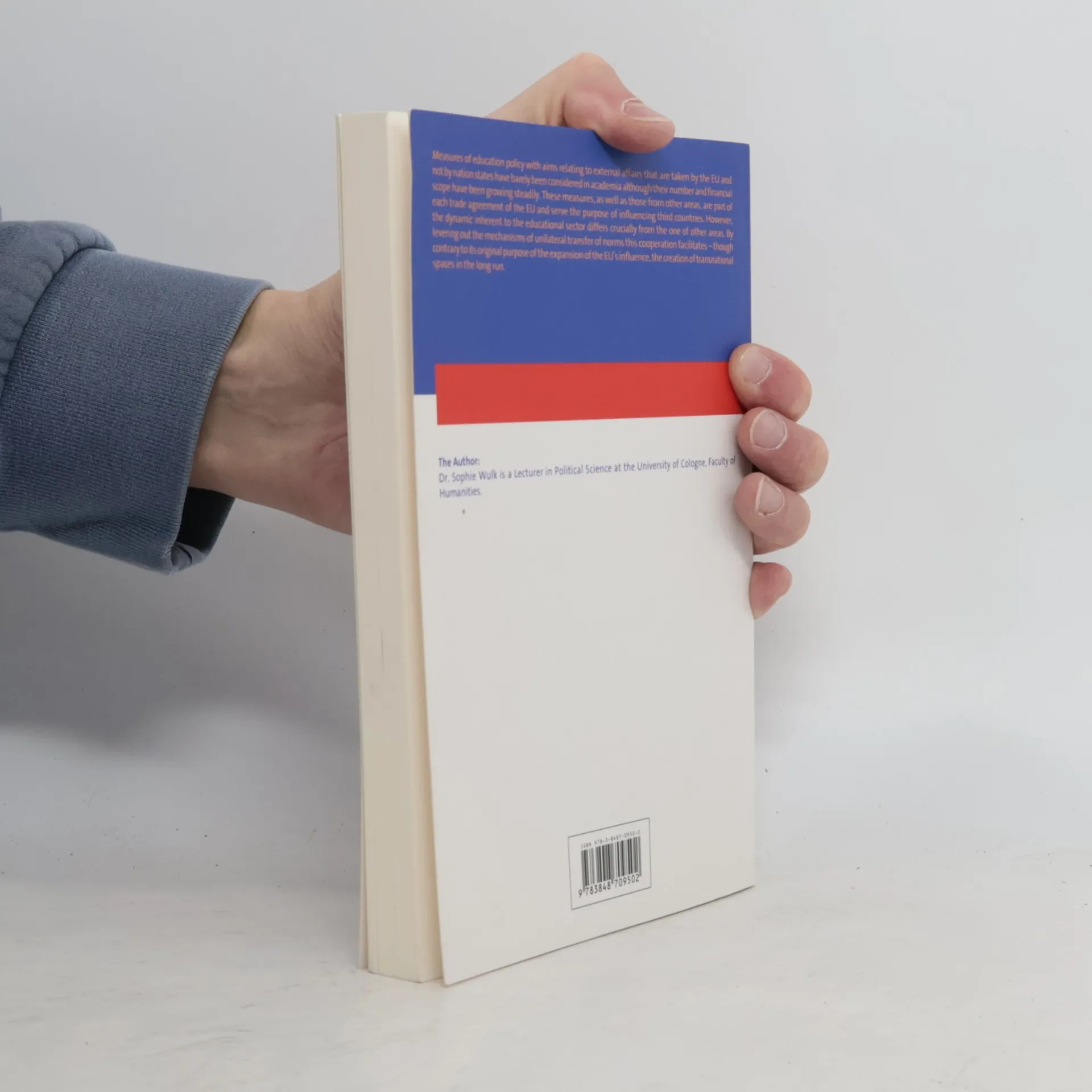
Measures taken by the EU and not by nation states in the context of education policy with aims relating to foreign affairs have barely been considered in academia although their number and financial scope have been growing steadily. These measures, as well as those from other areas, are part of each trade agreement of the EU and serve the purpose of influencing third countries. However, the dynamic inherent in the educational sector differs fundamentally from that of other areas. By levering out the mechanisms of unilateral transfer of norms, this cooperation facilitates the creation of transnational spaces in the long run, even though this is contrary to its original purpose of expanding the EU’s influence.
Compra de libros
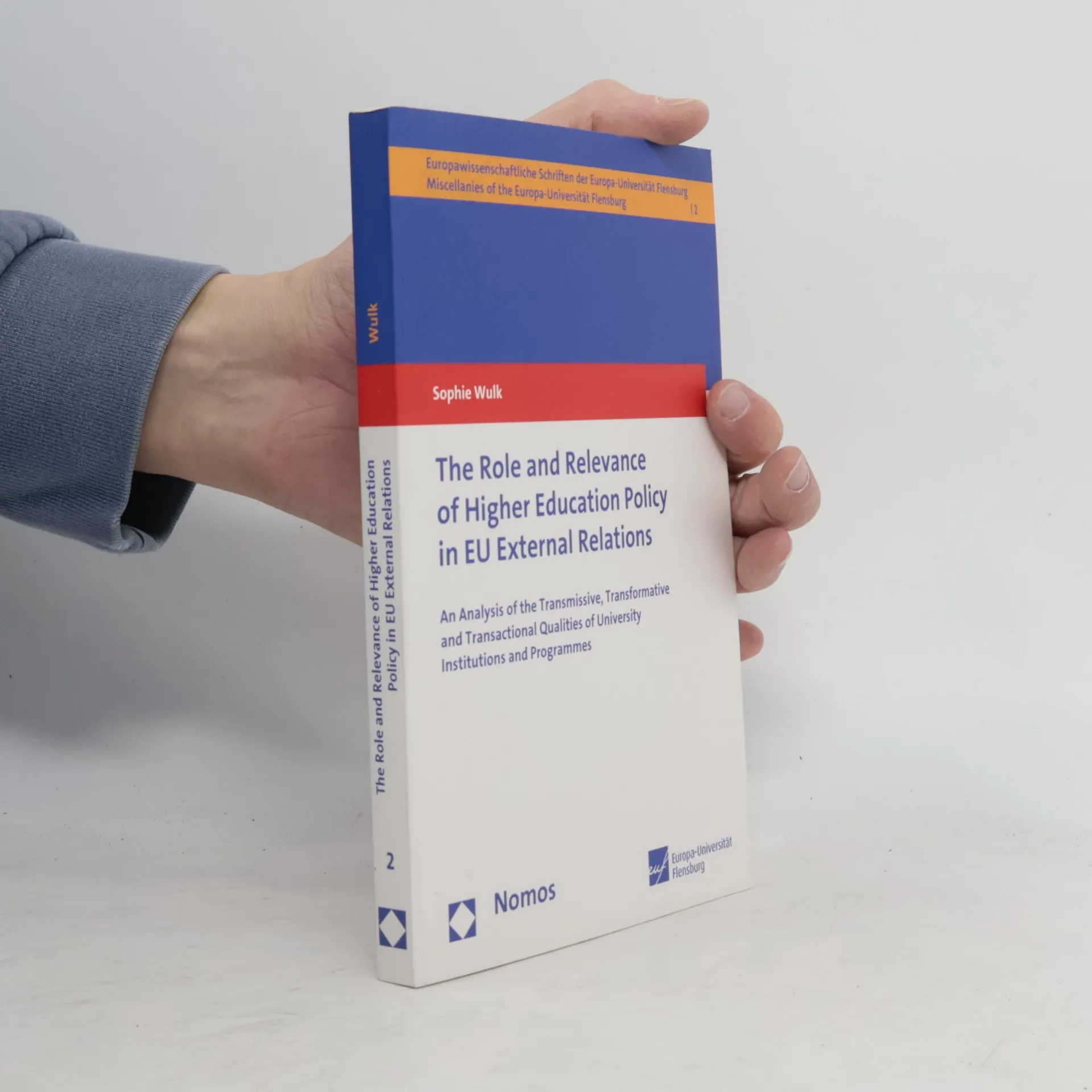
The role and relevance of higher education policy in EU external relations, Sophie Wulk
- Idioma

- Publicado en
- 2015
- Encuadernación
- (Tapa blanda),
- Estado del libro
- Muy Bueno
- Precio
- 23,39 €
Métodos de pago
Nadie lo ha calificado todavía.
- Título
- The role and relevance of higher education policy in EU external relations
- Subtítulo
- An Analysis of the Transmissive, Transformative and Transactional ...
- Idioma
- Inglés
- Autores
- Sophie Wulk
- Editorial
- Nomos
- Publicado en
- 2015
- Formato
- Tapa blanda
- Páginas
- 261
- ISBN10
- 3848709503
- ISBN13
- 9783848709502
- Serie
- Categorías
- Etiquetas
- Temática jurídica, Alemania, Educación, Universidad, Política exterior
- Descripción
- Measures taken by the EU and not by nation states in the context of education policy with aims relating to foreign affairs have barely been considered in academia although their number and financial scope have been growing steadily. These measures, as well as those from other areas, are part of each trade agreement of the EU and serve the purpose of influencing third countries. However, the dynamic inherent in the educational sector differs fundamentally from that of other areas. By levering out the mechanisms of unilateral transfer of norms, this cooperation facilitates the creation of transnational spaces in the long run, even though this is contrary to its original purpose of expanding the EU’s influence.