


Más información sobre el libro
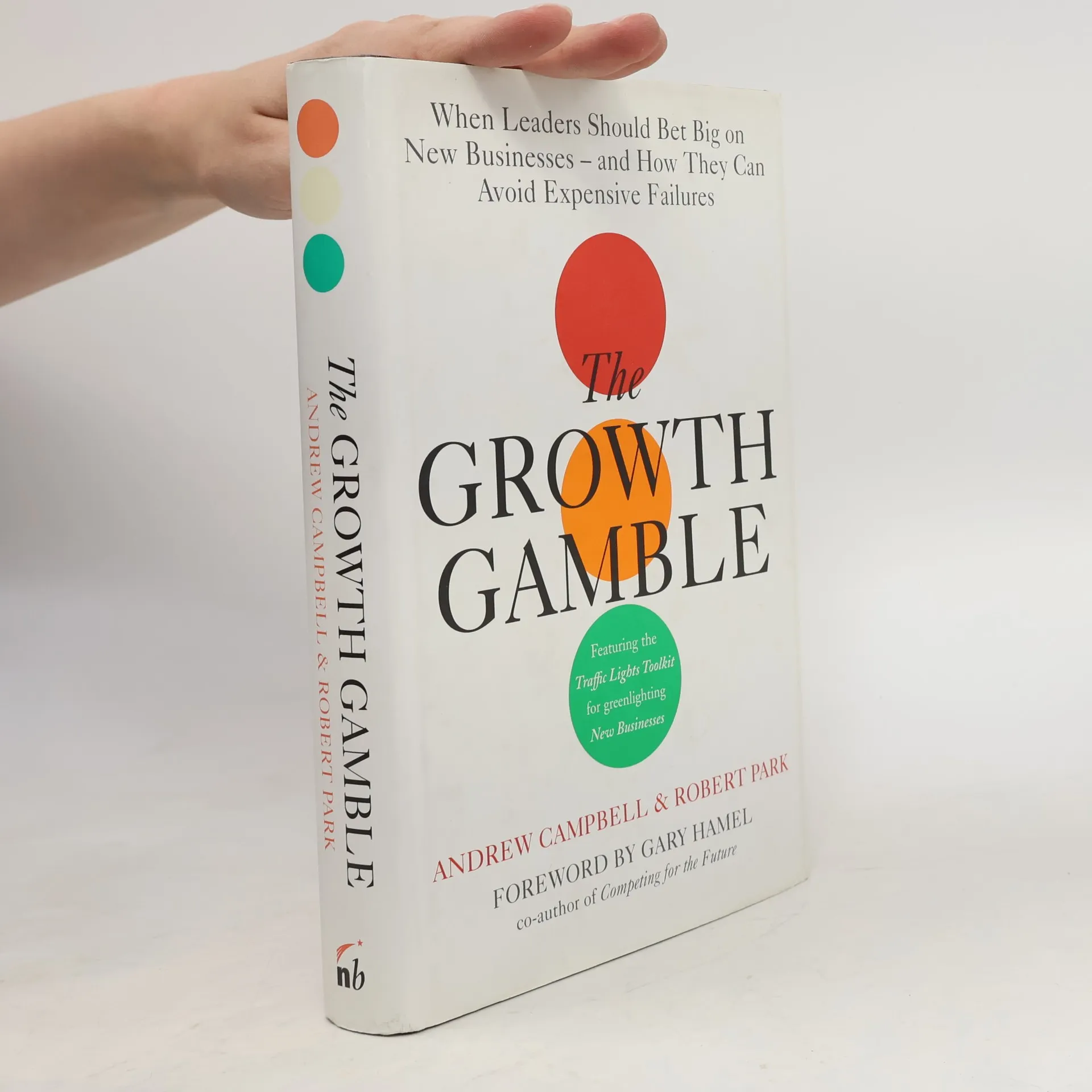
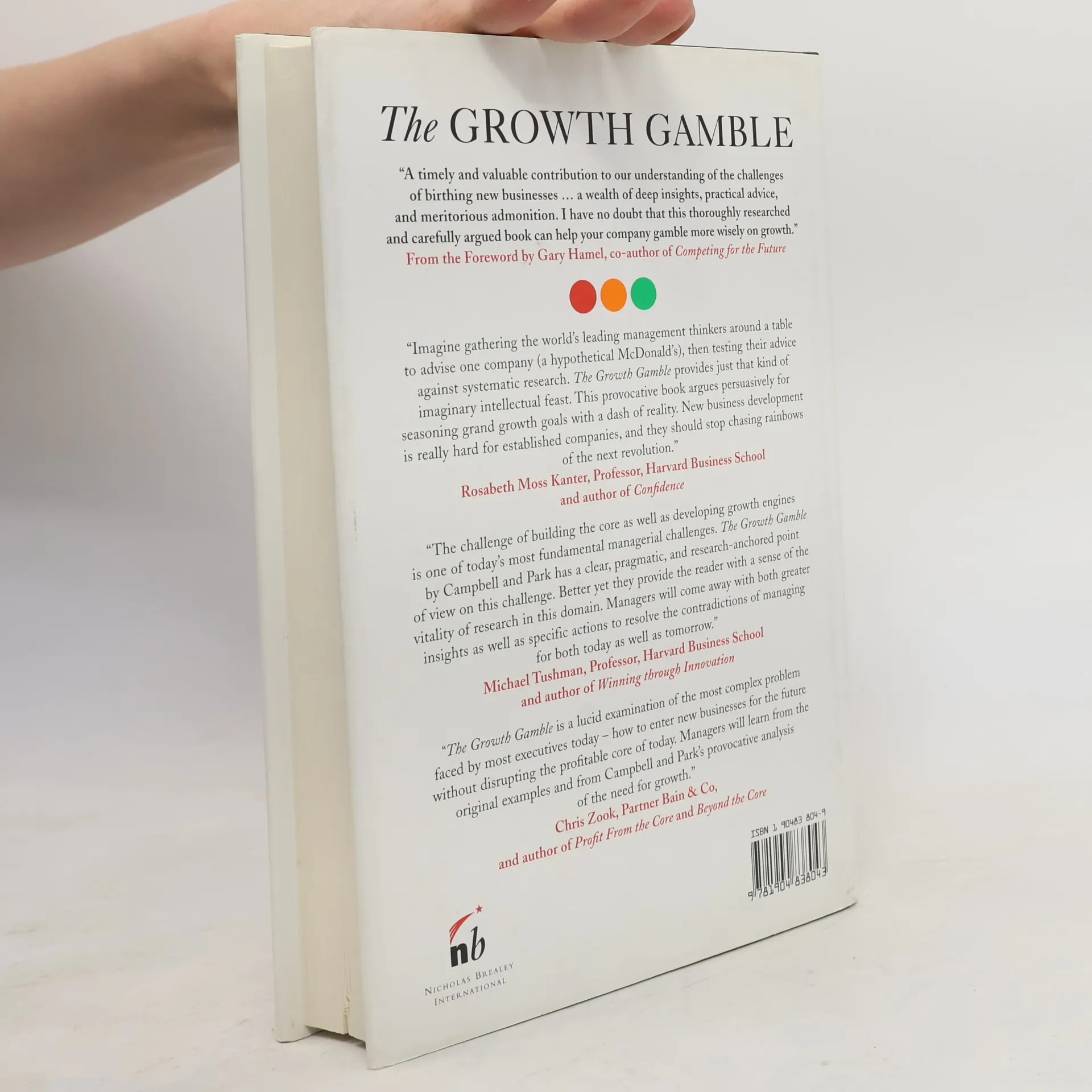
Conventional wisdom tells us to try harder, be more innovative, take more risks - and almost every company tries. Only a tiny percentage of management teams settle for sticking to their core businesses and declining gracefully as their business matures. In reality, at least ninety percent of business attempts fail. Andrew Campbell and Robert Park's The Growth When Leaders Should Bet Big on New Business - and How They Can Avoid Expensive Failures gives managers an alternative. Instead of investing heavily in experimenting with new growth areas and developing an innovative culture, the authors advise managers to be far more selective and to invest in new business only when the opportunity has a high probability of success.
Compra de libros
The Growth Gamble, Andrew C. Campbell, Robert Park, Gary Hamel
- Idioma

- Publicado en
- 2005
- Encuadernación
- (Tapa dura),
- Estado del libro
- Bueno
- Precio
- 6,99 €
Métodos de pago
Nadie lo ha calificado todavía.
- Título
- The Growth Gamble
- Subtítulo
- When Leaders Should Bet Big on New Business - and How They Can Avoid Expensive Failures
- Idioma
- Inglés
- Autores
- Andrew C. Campbell, Robert Park, Gary Hamel
- Editorial
- Nicholas Brealey Publishing
- Publicado en
- 2005
- Formato
- Tapa dura
- Páginas
- 338
- ISBN10
- 1904838049
- ISBN13
- 9781904838043
- Serie
- Categorías
- Etiquetas
- Comercio
- Descripción
- Conventional wisdom tells us to try harder, be more innovative, take more risks - and almost every company tries. Only a tiny percentage of management teams settle for sticking to their core businesses and declining gracefully as their business matures. In reality, at least ninety percent of business attempts fail. Andrew Campbell and Robert Park's The Growth When Leaders Should Bet Big on New Business - and How They Can Avoid Expensive Failures gives managers an alternative. Instead of investing heavily in experimenting with new growth areas and developing an innovative culture, the authors advise managers to be far more selective and to invest in new business only when the opportunity has a high probability of success.