


Más información sobre el libro
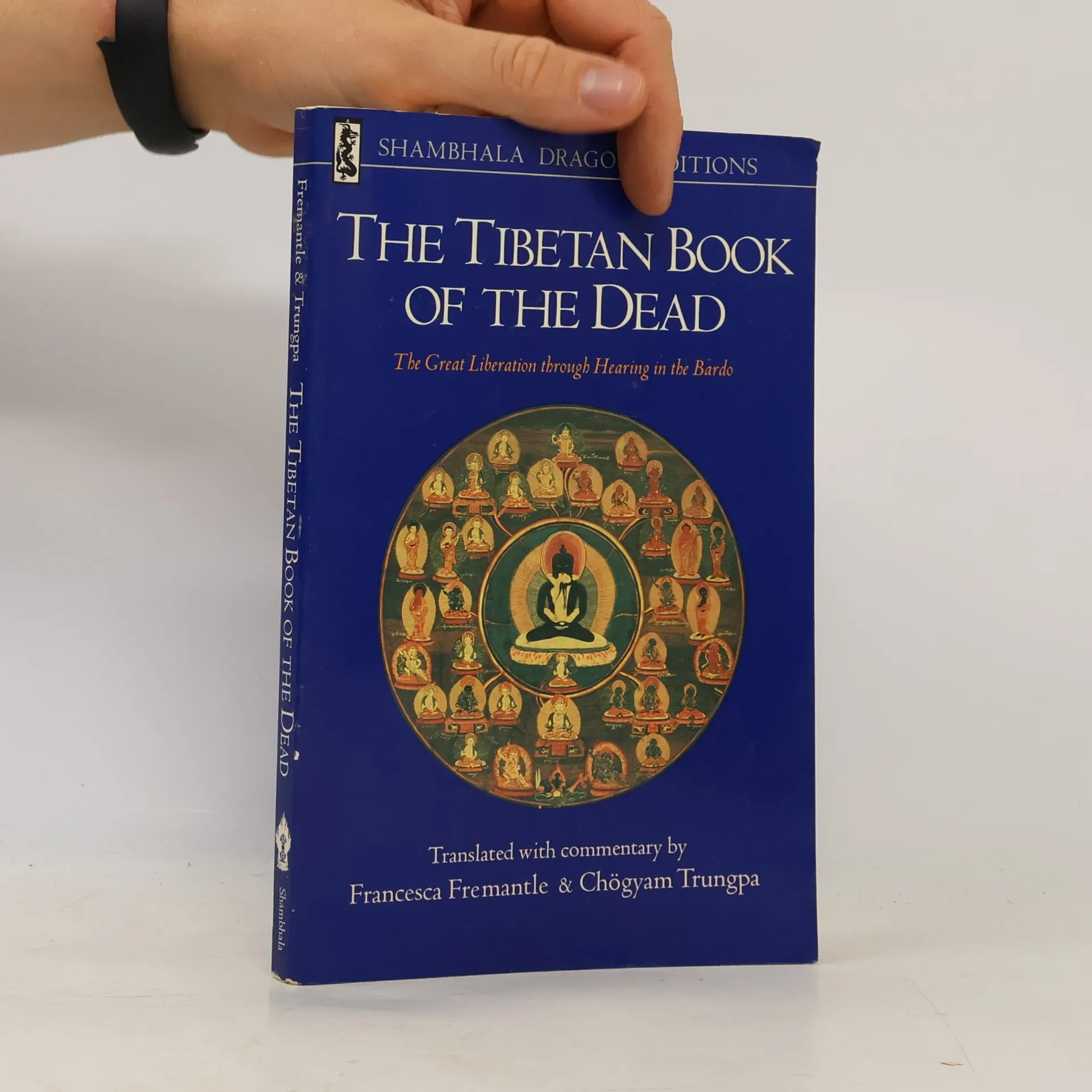
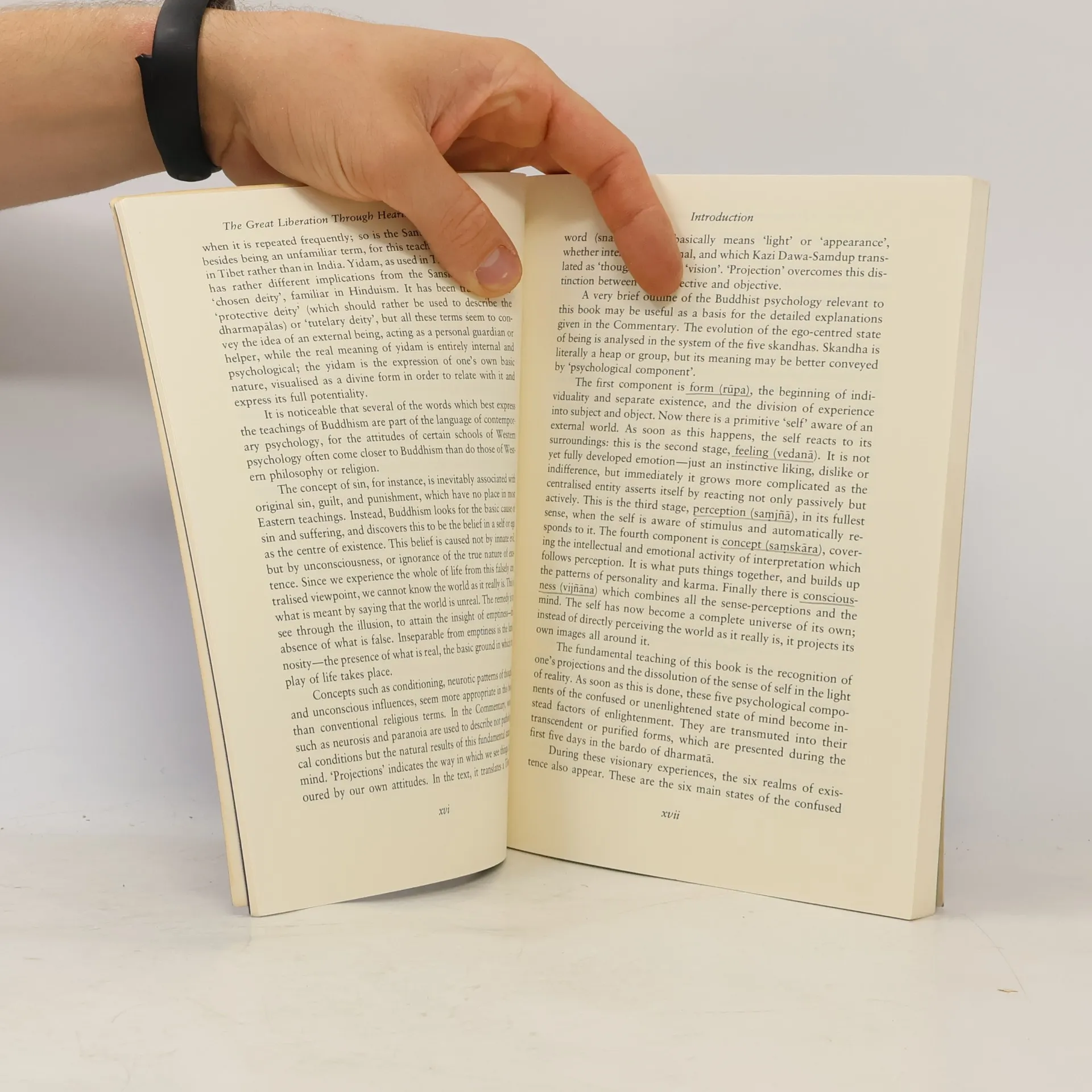
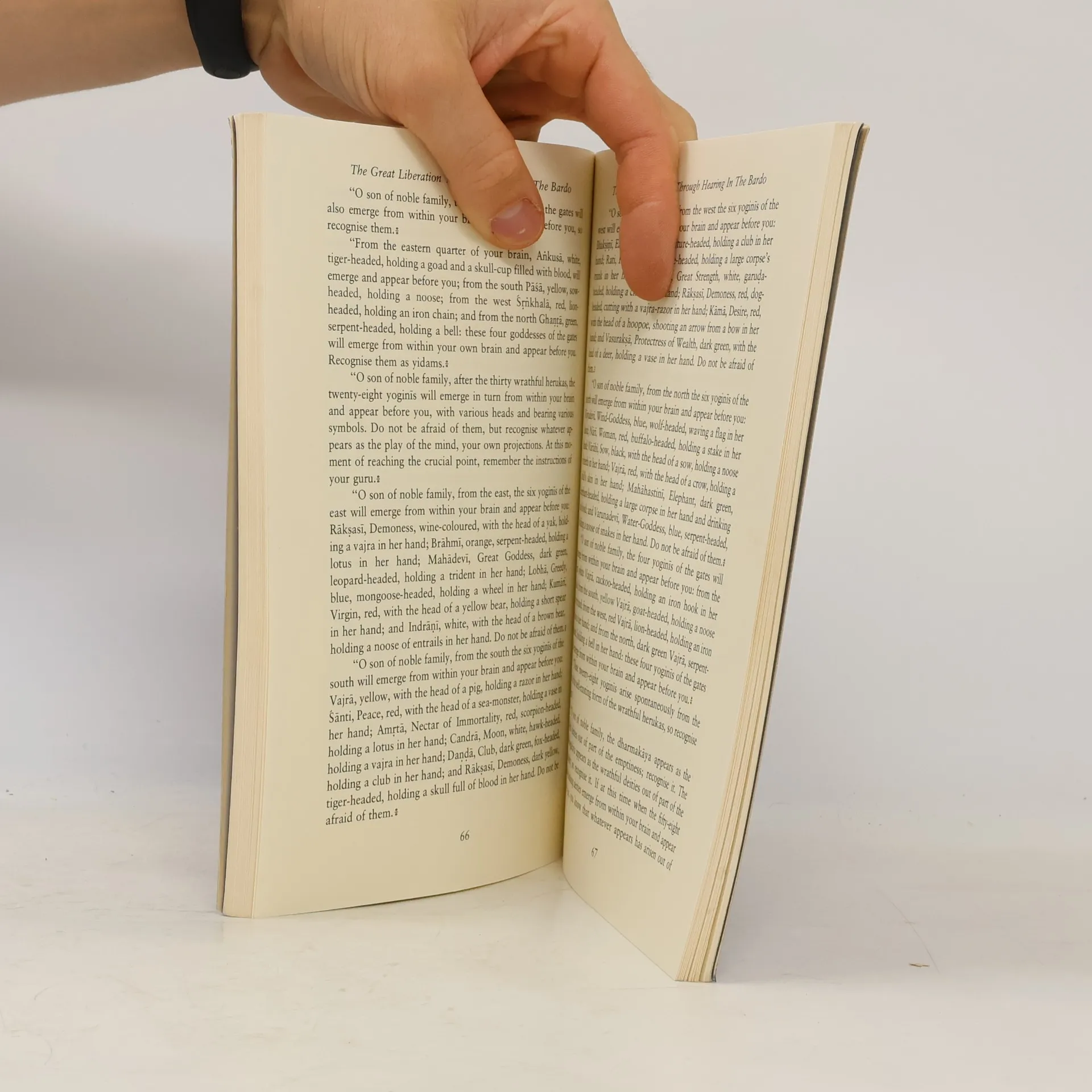
<b>T</b>he Bardo Thötröl is a Tibetan Buddhist scripture of the Nyingma or old tradition. It concerns the nature of the mind and its projections--beautiful or terrible, peaceful or wrathful--which seem to exist objectively and inhabit the external world. In particular it describes these projections as they appear immediately after death, in a much more overwhelming form since the consciousness is no longer grounded and shielded by its connection with a physical body. It teaches recognition of these terrifying and seductive forms, and through recognition attainment of the state of enlightenment. This centuries-old scripture was traditionally read aloud to the dying to help them attain liberation. This translation emphasizes the practical advice that the book offers to the living as well. The insightful commentary by Chögyam Trungpa, written in language anyone can understand, explains what the text teaches us about human psychology. It will interest people concerned with death and dying as well as those who seek spiritual understanding in everyday life. <i>Cover art</i>: mandala of Smantabhadra, Supreme Buddha, Musées Nationaux (Musée Guimet, Paris).
Compra de libros
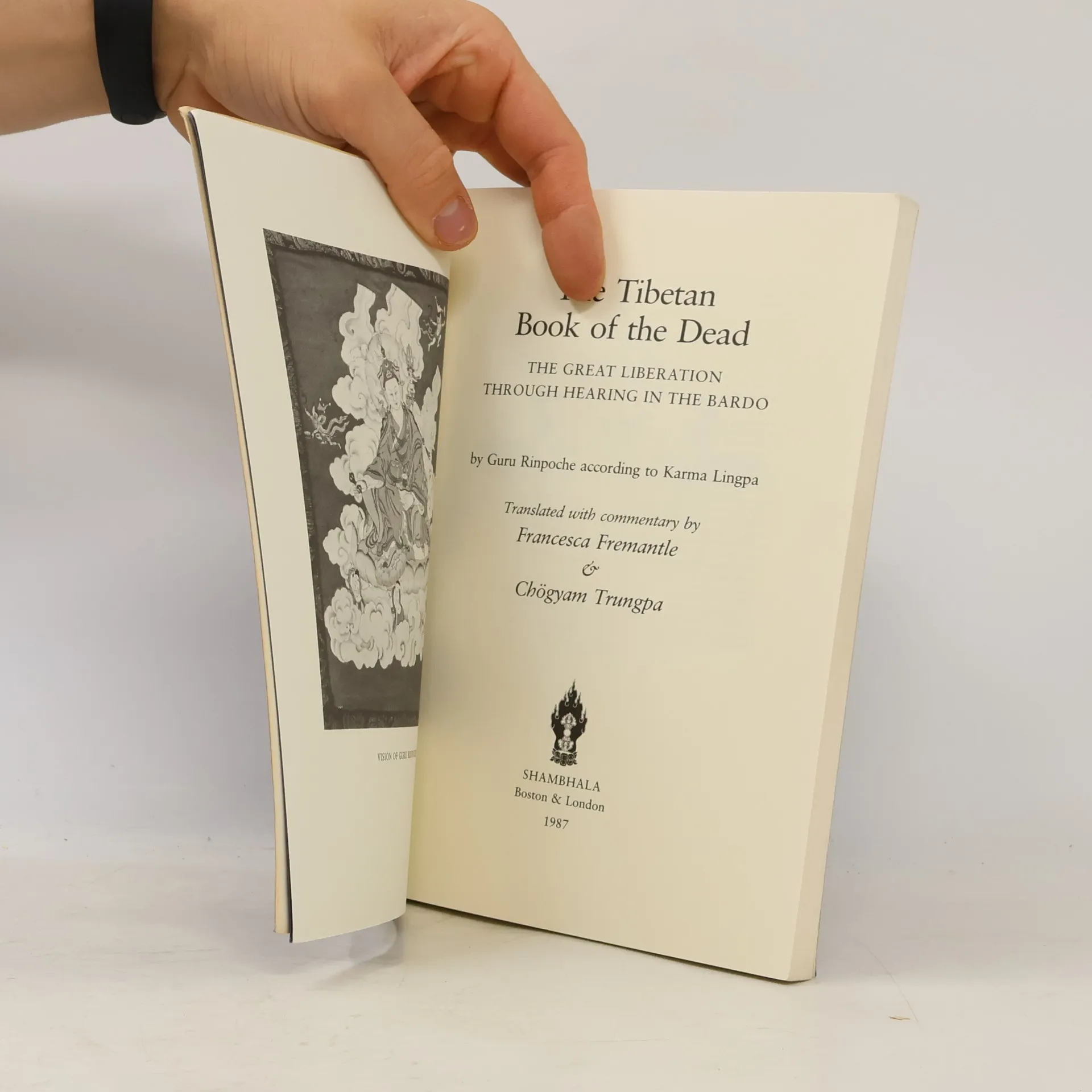
Shambhala Dragon Editions: The Tibetan Book of the Dead, Padmasambhava, Francesca Fremantle, Čhögjam Trungpa, Karma Lingpa
- Idioma

- Publicado en
- 1987
- Encuadernación
- (Tapa blanda),
- Estado del libro
- Dañado
- Precio
- 10,59 €
Métodos de pago
Nadie lo ha calificado todavía.
- Título
- Shambhala Dragon Editions: The Tibetan Book of the Dead
- Subtítulo
- The Great Liberation Through Hearing in the Bardo
- Idioma
- Inglés
- Editorial
- Shambhala Publications
- Publicado en
- 1987
- Formato
- Tapa blanda
- Páginas
- 119
- ISBN10
- 0877730741
- ISBN13
- 9780877730743
- Serie
- Descripción
- <b>T</b>he Bardo Thötröl is a Tibetan Buddhist scripture of the Nyingma or old tradition. It concerns the nature of the mind and its projections--beautiful or terrible, peaceful or wrathful--which seem to exist objectively and inhabit the external world. In particular it describes these projections as they appear immediately after death, in a much more overwhelming form since the consciousness is no longer grounded and shielded by its connection with a physical body. It teaches recognition of these terrifying and seductive forms, and through recognition attainment of the state of enlightenment. This centuries-old scripture was traditionally read aloud to the dying to help them attain liberation. This translation emphasizes the practical advice that the book offers to the living as well. The insightful commentary by Chögyam Trungpa, written in language anyone can understand, explains what the text teaches us about human psychology. It will interest people concerned with death and dying as well as those who seek spiritual understanding in everyday life. <i>Cover art</i>: mandala of Smantabhadra, Supreme Buddha, Musées Nationaux (Musée Guimet, Paris).