


Parámetros
- 122 páginas
- 5 horas de lectura
Más información sobre el libro
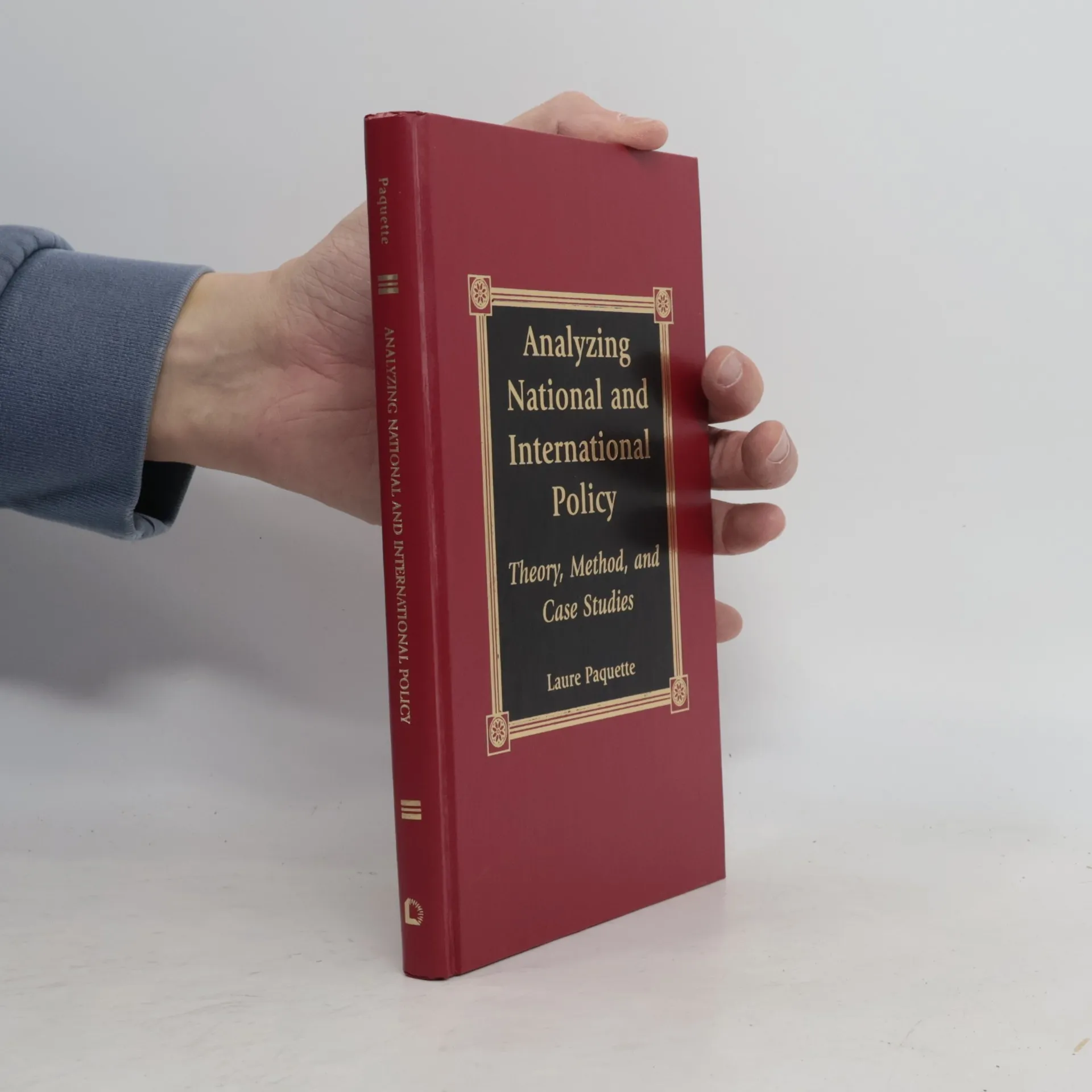
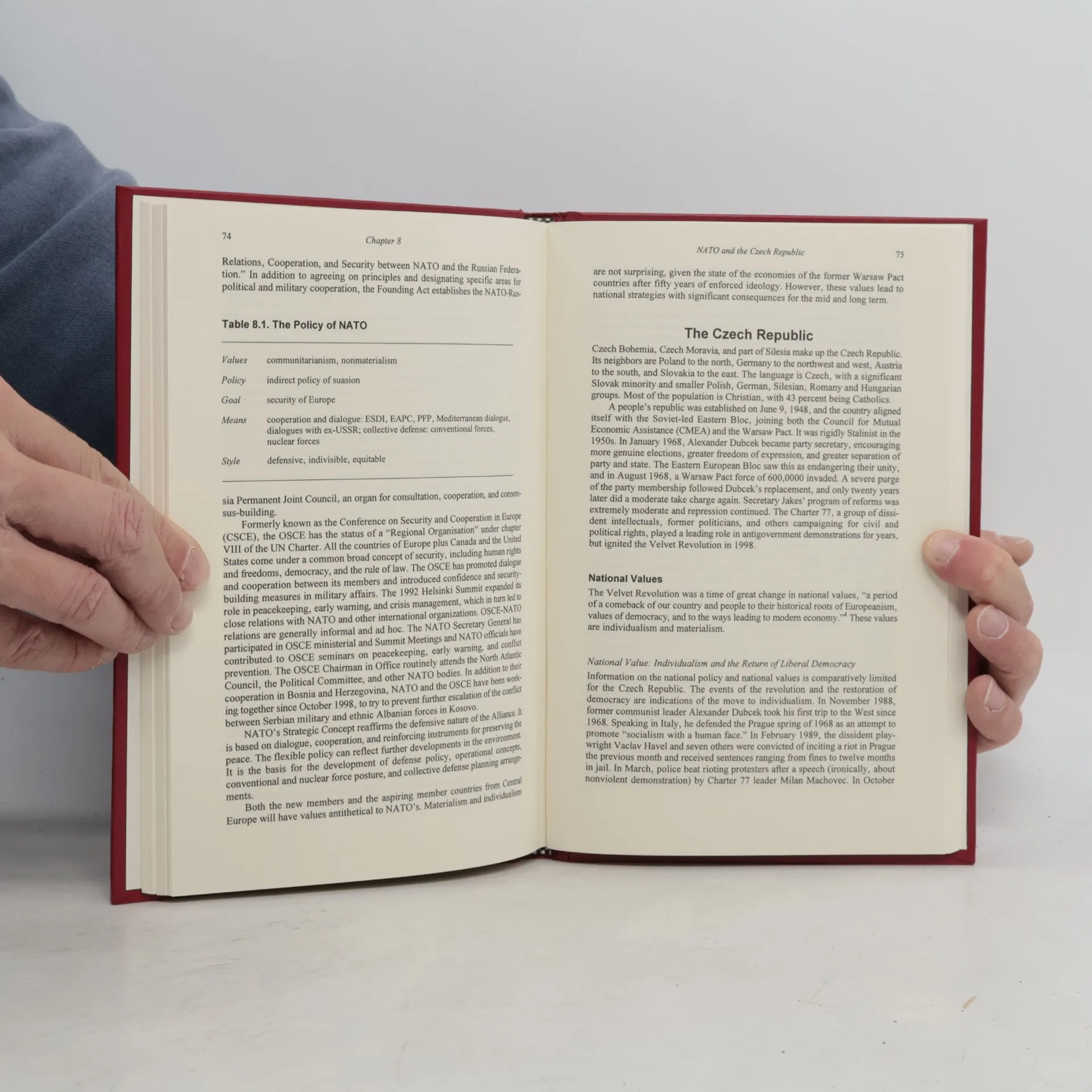
Analyzing National and International Policy presents a new theory and method for the conceptualization and analysis of policy making. Laure Paquette's work draws on a wealth of theoretical and empirical research to analyze the importance of national values as building blocks of national policy. Going beyond the traditional analysis of how states use policy, Paquette examines―through the use of four case studies―the prevalence of national values at every stage of the policy decision-making process. (1) France's nuclear policy (1955-1970) is used to analyze the development of a single policy in a single state. (2) The analysis of bilateral state to state relations is conducted through an examination of North and South Korean policies of Nordpolitik and juche from 1994 to 2000. (3) Canada's Northeast Pacific foreign policy in the 1990s sheds light on the development of a single state's policy in a multilateral setting. (4) The example of the Czech Republic's dealings with NATO (1990 to 2000) is used to examine a single state's bilateral policy in a relationship with a block of states.
Compra de libros
Studies in Public Policy: Analyzing National and International Policy, Laure Paquette
- Idioma

- Publicado en
- 2003
- Encuadernación
- (Tapa dura),
- Estado del libro
- Muy Bueno
- Precio
- 79,99 €
Métodos de pago
Nadie lo ha calificado todavía.
- Título
- Studies in Public Policy: Analyzing National and International Policy
- Subtítulo
- Theory, Method, and Case Studies
- Idioma
- Inglés
- Autores
- Laure Paquette
- Editorial
- Lexington Books
- Publicado en
- 2003
- Formato
- Tapa dura
- Páginas
- 122
- ISBN10
- 0739104047
- ISBN13
- 9780739104040
- Serie
- Descripción
- Analyzing National and International Policy presents a new theory and method for the conceptualization and analysis of policy making. Laure Paquette's work draws on a wealth of theoretical and empirical research to analyze the importance of national values as building blocks of national policy. Going beyond the traditional analysis of how states use policy, Paquette examines―through the use of four case studies―the prevalence of national values at every stage of the policy decision-making process. (1) France's nuclear policy (1955-1970) is used to analyze the development of a single policy in a single state. (2) The analysis of bilateral state to state relations is conducted through an examination of North and South Korean policies of Nordpolitik and juche from 1994 to 2000. (3) Canada's Northeast Pacific foreign policy in the 1990s sheds light on the development of a single state's policy in a multilateral setting. (4) The example of the Czech Republic's dealings with NATO (1990 to 2000) is used to examine a single state's bilateral policy in a relationship with a block of states.