

Más información sobre el libro
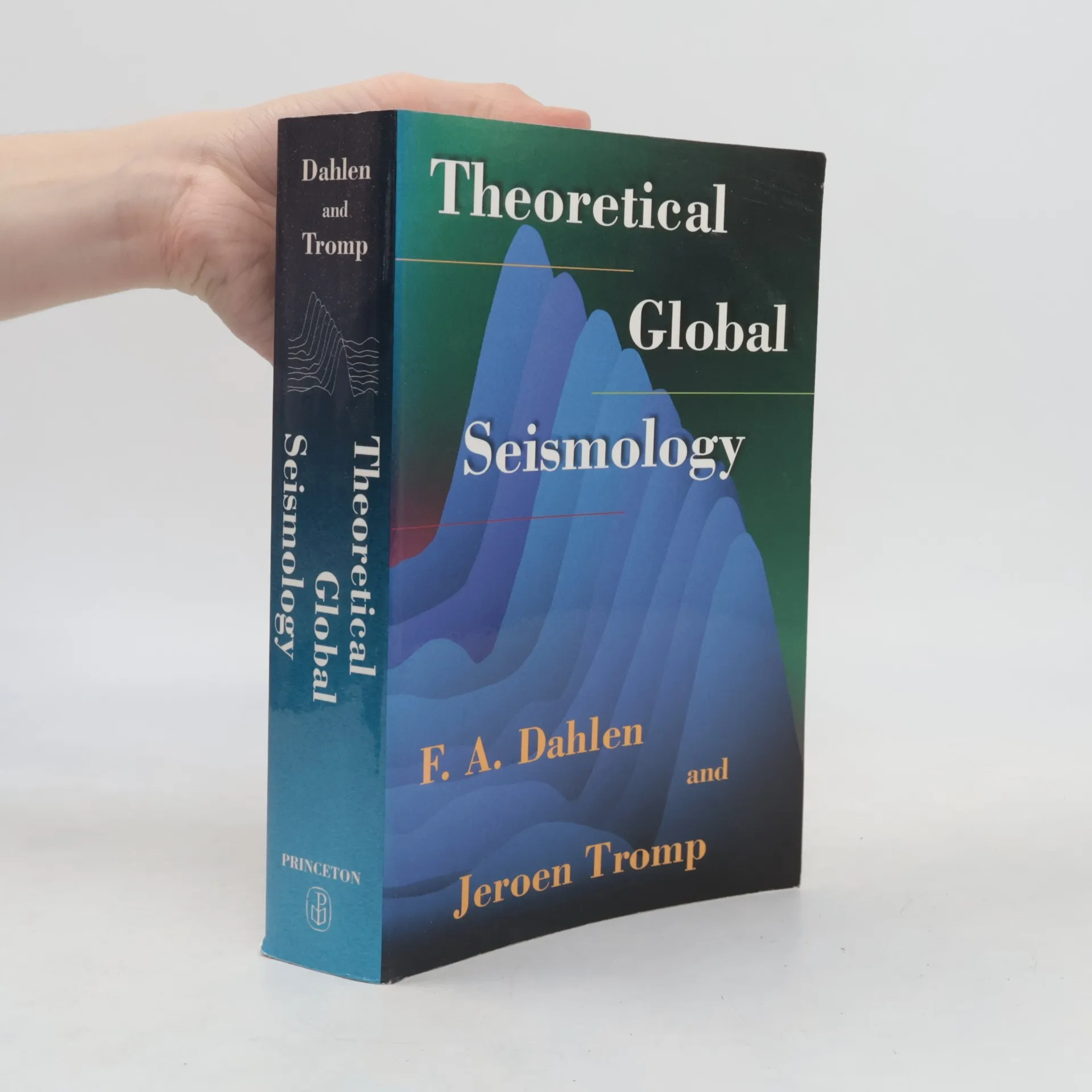
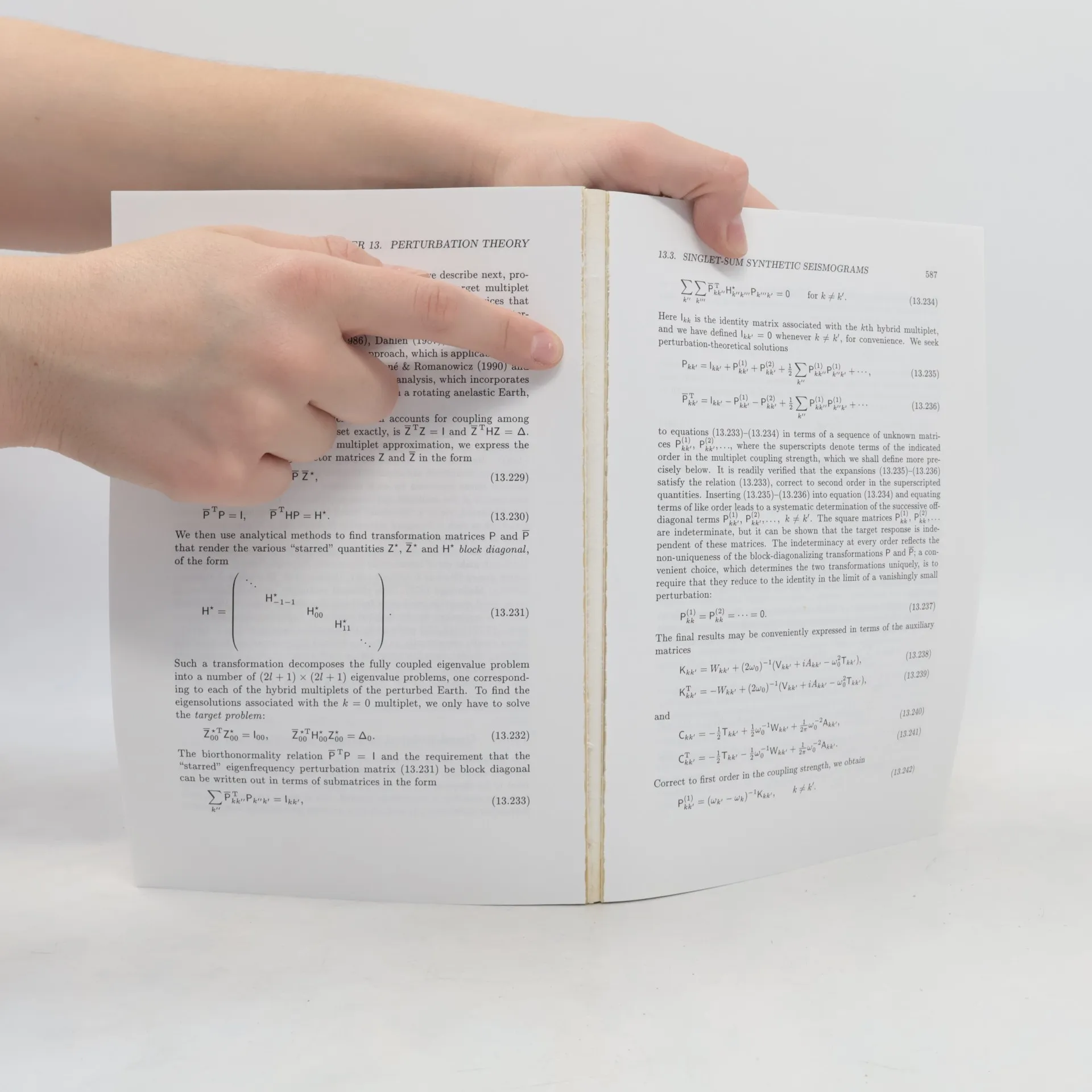
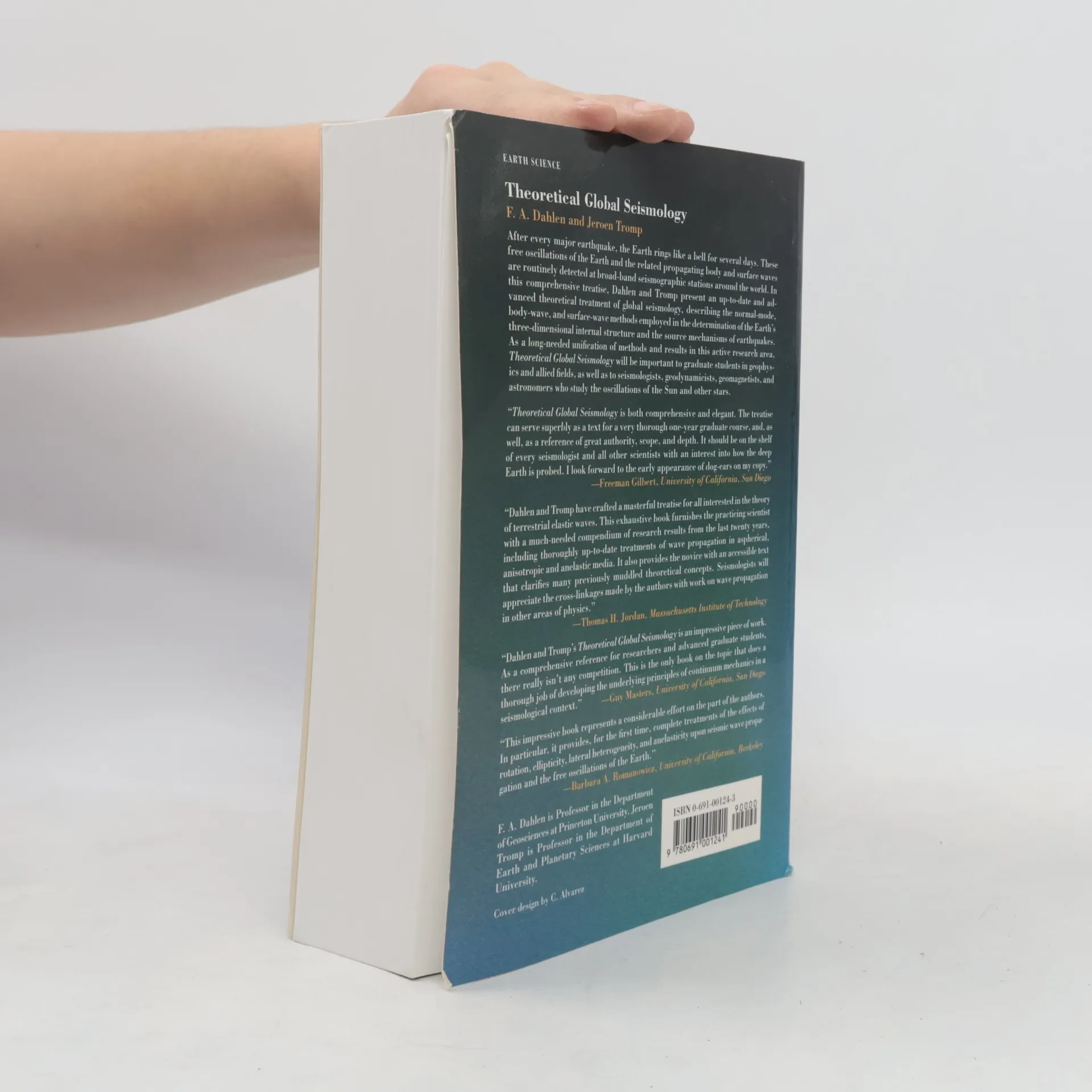
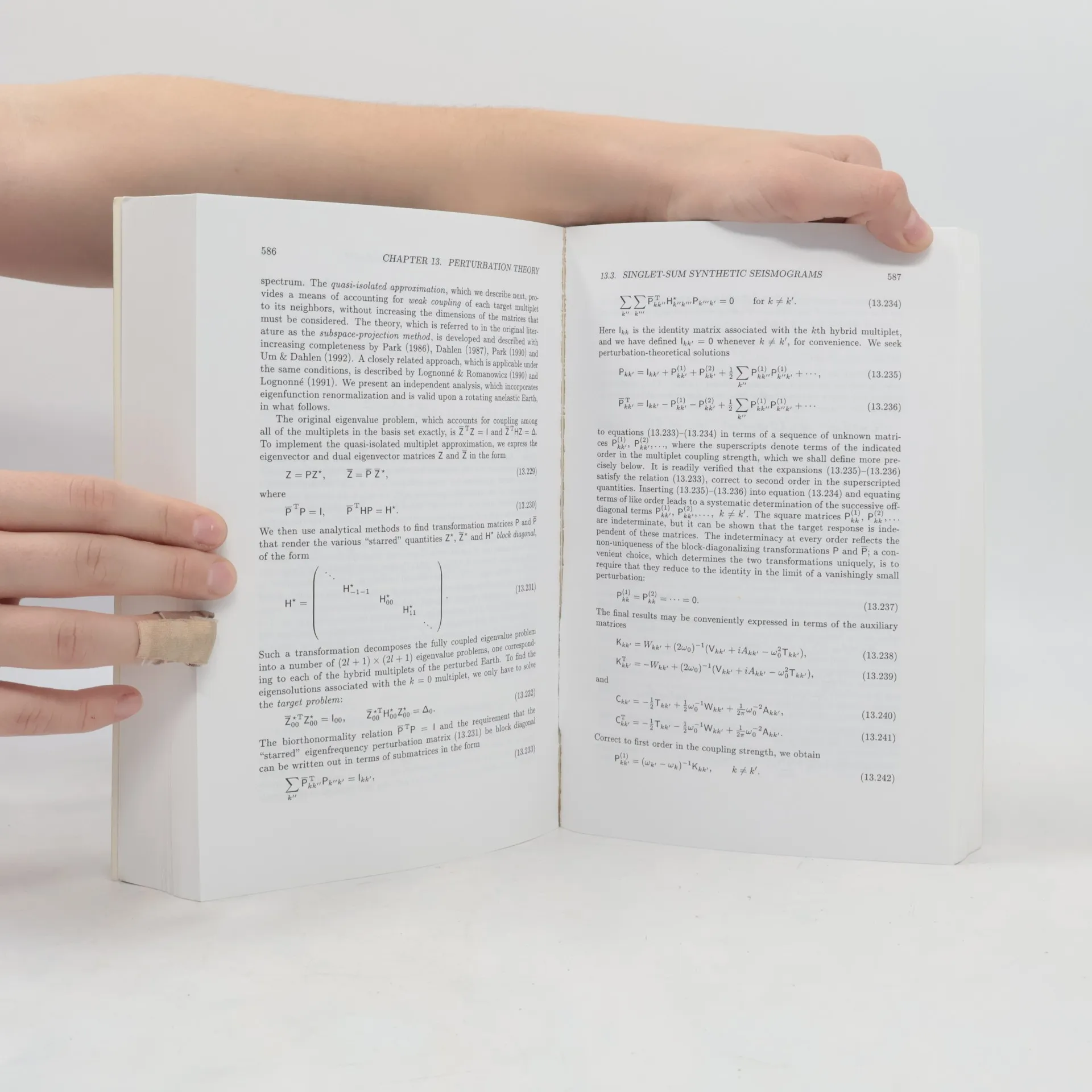
After major earthquakes, the Earth resonates for days, with free oscillations and related waves detected globally. This work by F. A. Dahlen and Jeroen Tromp offers an advanced theoretical exploration of global seismology, detailing the normal-mode, body-wave, and surface-wave methods used to determine the Earth's three-dimensional internal structure and earthquake source mechanisms. The authors review the history of global seismology and recent theoretical and observational advancements. The book is structured into three parts: Foundations, which introduces continuum mechanics and seismic source representation; The Spherical Earth, focusing on free oscillations of a spherically symmetric Earth; and The Aspherical Earth, addressing methods for handling the Earth's three-dimensional heterogeneity. Primarily focused on the forward problem of global seismology, it explains how to calculate and interpret synthetic seismograms and spectra. This comprehensive unification of theories will be invaluable to graduate students, professional seismologists, geodynamicists, geomagnetists, and astronomers studying free oscillations in celestial bodies.
Compra de libros
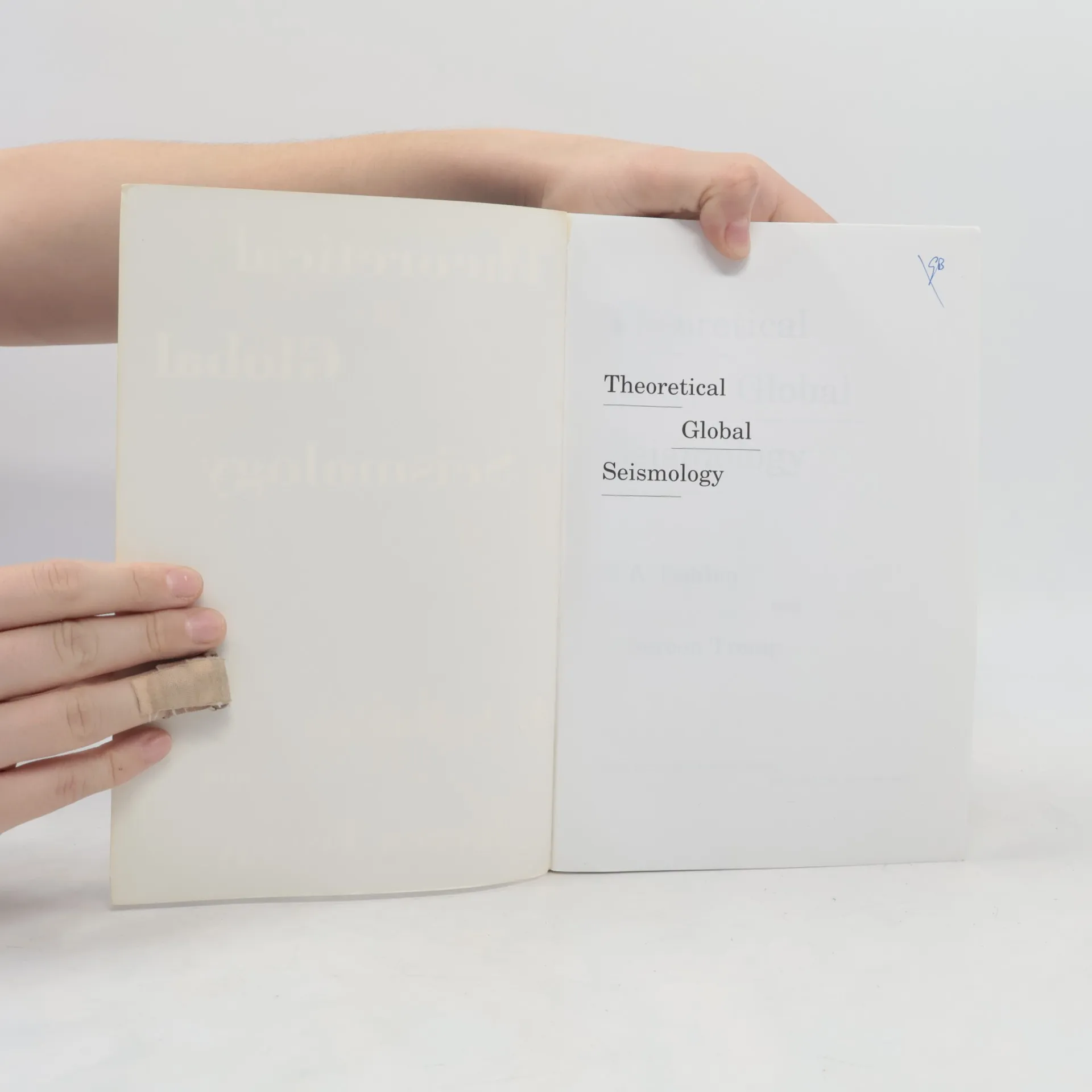
Theoretical Global Seismology, F. A. Dahlen, Jeroen Tromp
- Idioma

- Publicado en
- 1998
- Encuadernación
- (Tapa blanda),
- Estado del libro
- Dañado
- Precio
- 52,99 €
Métodos de pago
Nadie lo ha calificado todavía.
- Título
- Theoretical Global Seismology
- Idioma
- Inglés
- Autores
- F. A. Dahlen, Jeroen Tromp
- Editorial
- Princeton University Press
- Publicado en
- 1998
- Formato
- Tapa blanda
- Páginas
- 944
- ISBN10
- 0691001243
- ISBN13
- 9780691001241
- Serie
- Categorías
- Etiquetas
- Ciencia, Sismología
- Descripción
- After major earthquakes, the Earth resonates for days, with free oscillations and related waves detected globally. This work by F. A. Dahlen and Jeroen Tromp offers an advanced theoretical exploration of global seismology, detailing the normal-mode, body-wave, and surface-wave methods used to determine the Earth's three-dimensional internal structure and earthquake source mechanisms. The authors review the history of global seismology and recent theoretical and observational advancements. The book is structured into three parts: Foundations, which introduces continuum mechanics and seismic source representation; The Spherical Earth, focusing on free oscillations of a spherically symmetric Earth; and The Aspherical Earth, addressing methods for handling the Earth's three-dimensional heterogeneity. Primarily focused on the forward problem of global seismology, it explains how to calculate and interpret synthetic seismograms and spectra. This comprehensive unification of theories will be invaluable to graduate students, professional seismologists, geodynamicists, geomagnetists, and astronomers studying free oscillations in celestial bodies.