

Parámetros
- 510 páginas
- 18 horas de lectura
Más información sobre el libro
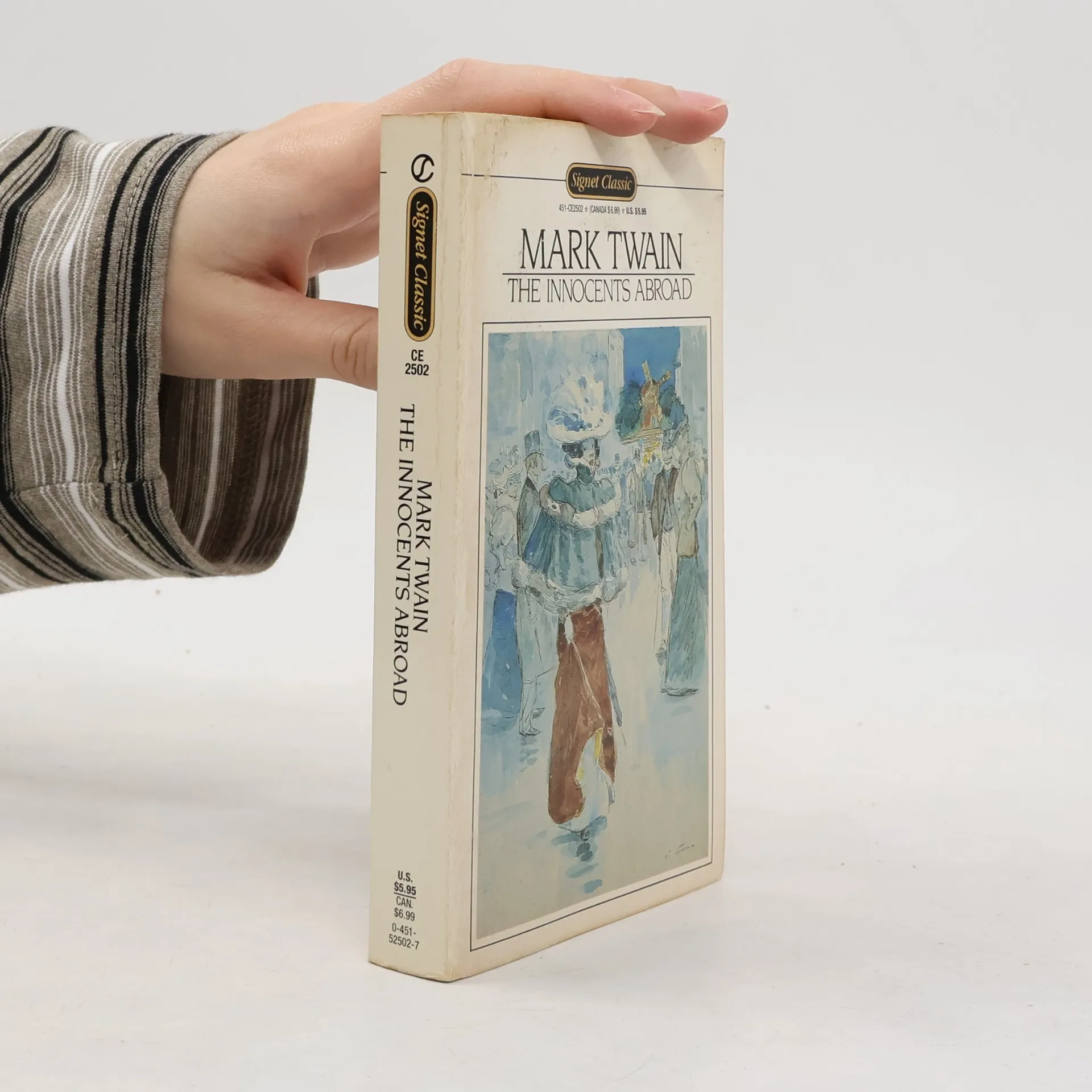
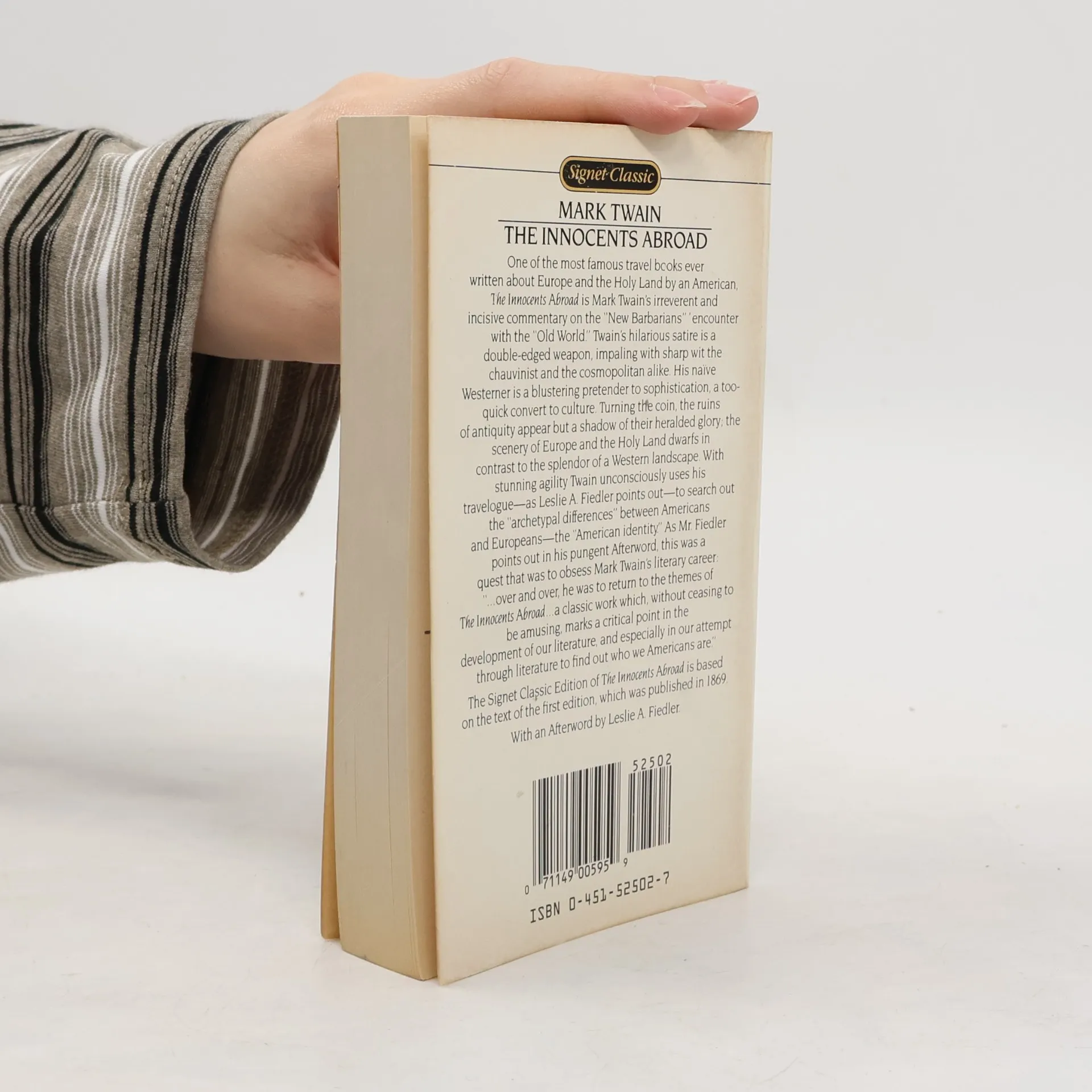
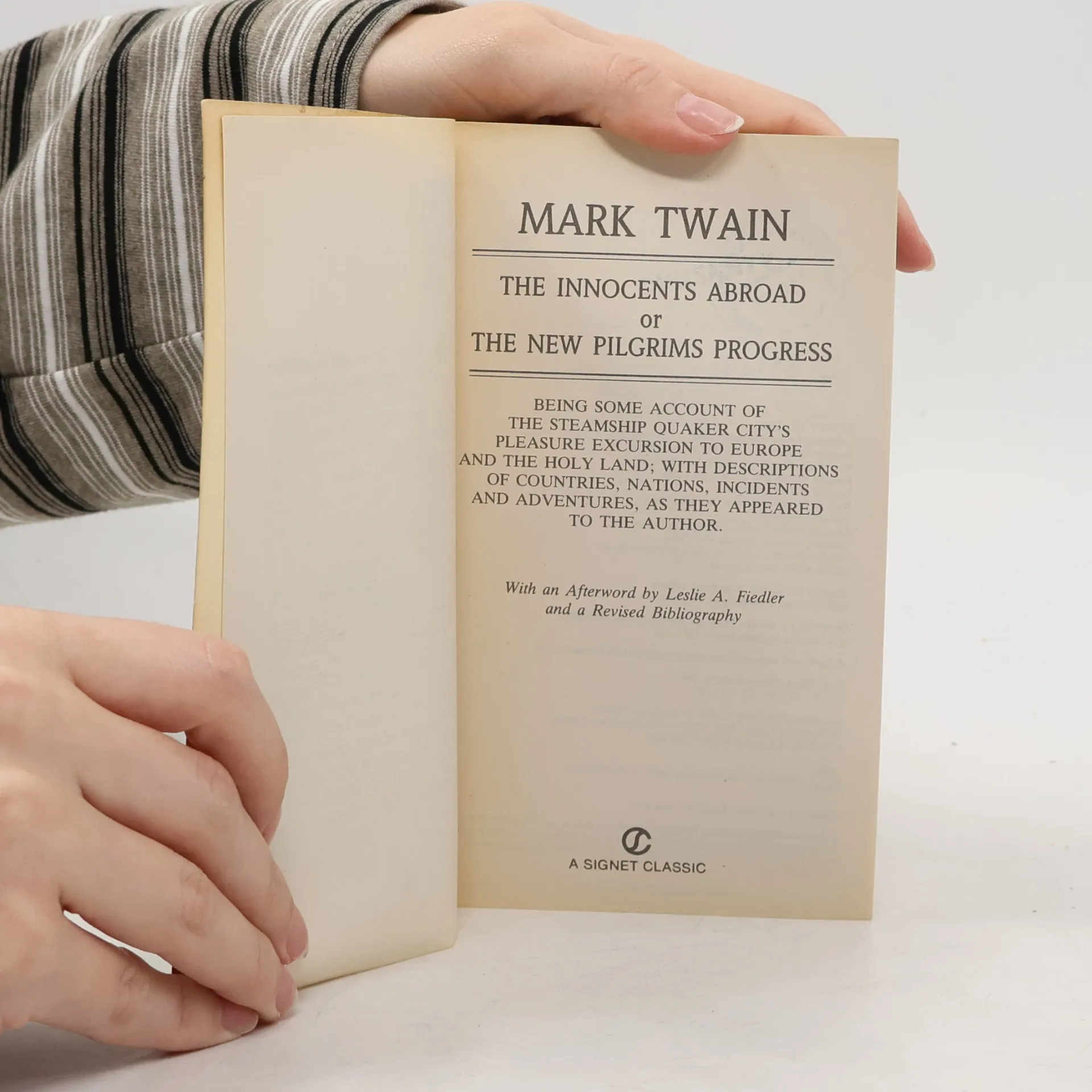
One of the most famous travel books ever written about Europe and the Holy Land by an American, "The Innocents Abroad" is Mark Twain's irreverent and incisive commentary on the "New Barbarians" 'encounter with the "Old World." Twains hilarious satire is a double-edged weapon, impaling with sharp with the chauvinistic and the cosmopolitan alike. His naive Westerner is a blustering pretender to sophistication, a too-quick convert to culture. Turning the coin, the ruins of antiquity appear but a shadow of their heralded glory; the scenery of Europe and the Holy Land dwarfs in contrast to the splendor of a Western landscape. With stunning agility Twain unconsciously uses his travelogue - as Leslie A. Fiedler points out - to search out the "archetypal differences" between Americans and Europeans - the "American identity." As Mrs. Fiedler points out in his pungent Afterword, this was a quest that was to obsess Mark Twain's literary career: "over and over, he was to return to the themes of "The Innocents Abroad..." a classic work which, without ceasing to be amusing, marks a ciritcal point in the development of our literature, and especially in our attempt through literature to find out who we Americans are."
Compra de libros
The Innocents Abroad, Leslie A. Fiedler, Mark Twain
- Idioma

- Publicado en
- 1966
- Encuadernación
- (Tapa blanda),
- Estado del libro
- Dañado
- Precio
- 4,89 €
Métodos de pago
Nadie lo ha calificado todavía.
- Título
- The Innocents Abroad
- Idioma
- Inglés
- Autores
- Leslie A. Fiedler, Mark Twain
- Editorial
- Signet Classics
- Publicado en
- 1966
- Formato
- Tapa blanda
- Páginas
- 510
- ISBN10
- 0451525027
- ISBN13
- 9780451525024
- Serie
- Categorías
- Etiquetas
- Viajes, Aventura, Humor, Literatura americana, Comedias, Sátira, Medio Oriente y Cercano Oriente, Americanos
- Descripción
- One of the most famous travel books ever written about Europe and the Holy Land by an American, "The Innocents Abroad" is Mark Twain's irreverent and incisive commentary on the "New Barbarians" 'encounter with the "Old World." Twains hilarious satire is a double-edged weapon, impaling with sharp with the chauvinistic and the cosmopolitan alike. His naive Westerner is a blustering pretender to sophistication, a too-quick convert to culture. Turning the coin, the ruins of antiquity appear but a shadow of their heralded glory; the scenery of Europe and the Holy Land dwarfs in contrast to the splendor of a Western landscape. With stunning agility Twain unconsciously uses his travelogue - as Leslie A. Fiedler points out - to search out the "archetypal differences" between Americans and Europeans - the "American identity." As Mrs. Fiedler points out in his pungent Afterword, this was a quest that was to obsess Mark Twain's literary career: "over and over, he was to return to the themes of "The Innocents Abroad..." a classic work which, without ceasing to be amusing, marks a ciritcal point in the development of our literature, and especially in our attempt through literature to find out who we Americans are."