

Más información sobre el libro
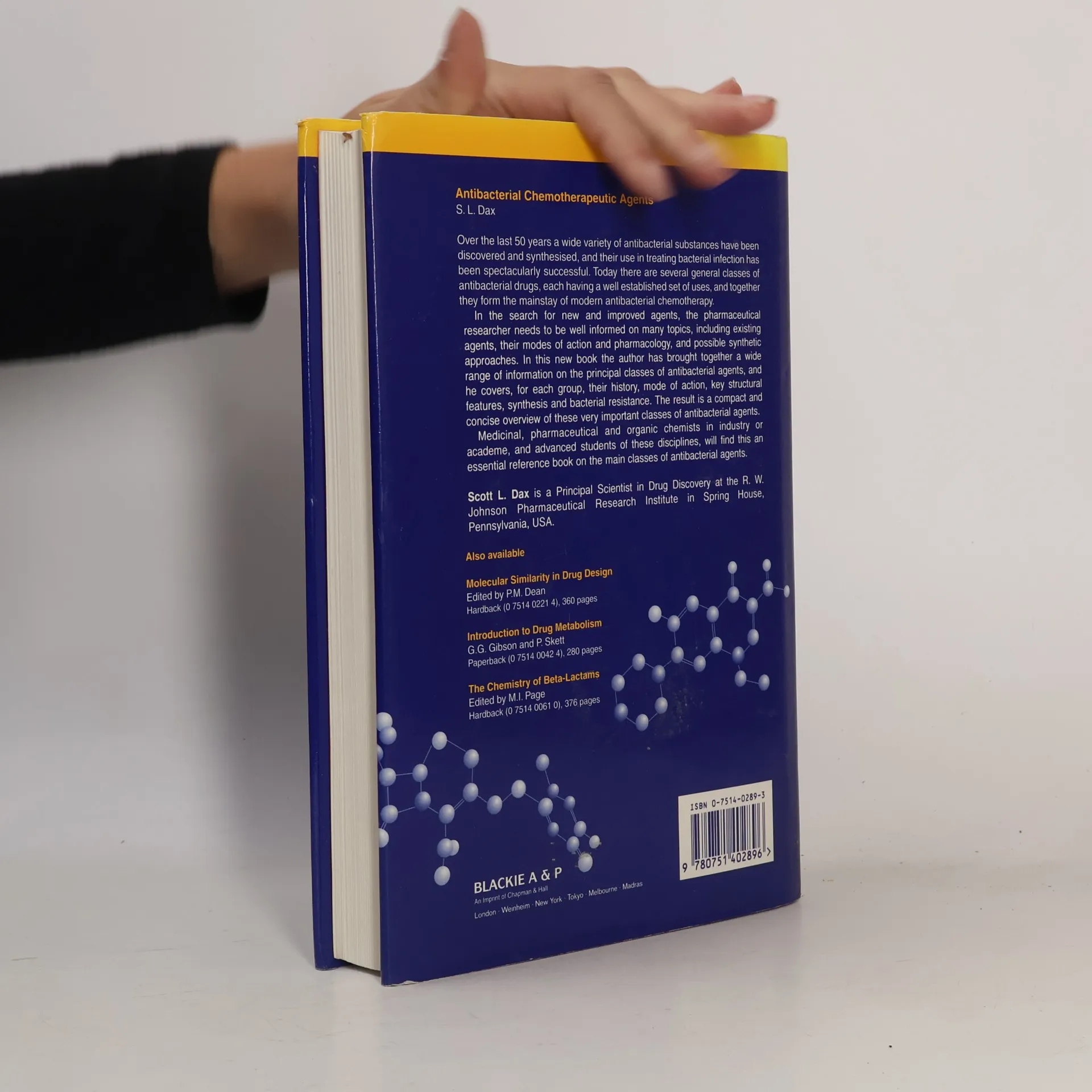
Over the past 50 years a wide variety of antibacterial substances have been discovered and synthesised, and their use in treating bacterial infection has been spectacularly successful. Today there are several general classes of antibacterial drugs, each having a well established set of uses, and together they form the mainstay of modern antibacterial chemotherapy. In search for new and improved agents, the pharmaceutical researcher needs to be well informed on many topics, including existing agents, their modes of action and pharmacology, and possible synthetic approaches. In this new book the author has brought together a wide range of information on the principal classes of antibacterial agents, and he covers, for each group, their history, mode of action, key structural features, synthesis and bacterial resistance. The result is a compact and concise overview of these very important classes of antibacterial agents.
Compra de libros
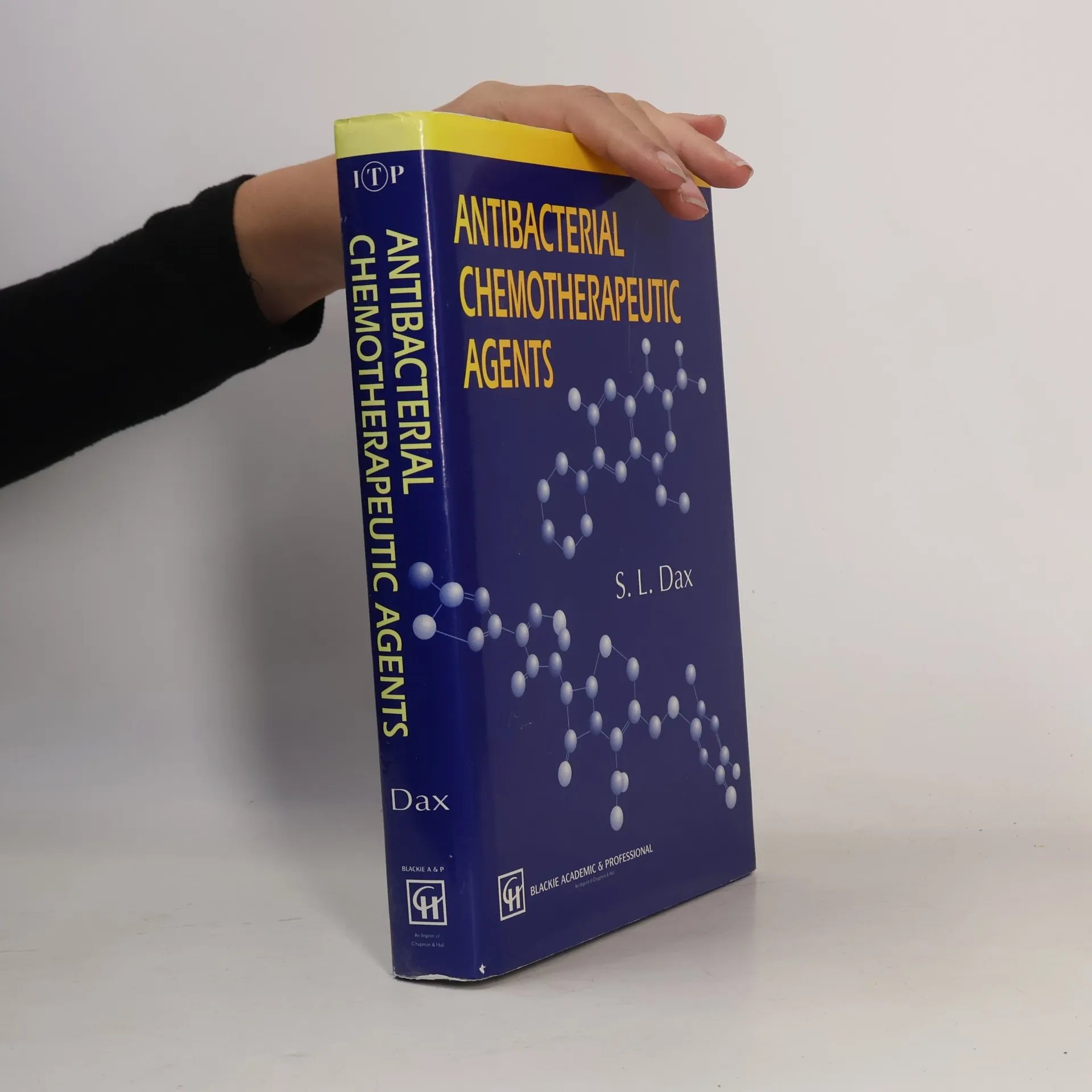
Antibacterial Chemotherapeutic Agents, Scott L. Dax
- Idioma

- Publicado en
- 1996
- Encuadernación
- (Tapa dura),
- Estado del libro
- Bueno
- Precio
- 87,99 €
Métodos de pago
Nadie lo ha calificado todavía.
- Título
- Antibacterial Chemotherapeutic Agents
- Idioma
- Inglés
- Autores
- Scott L. Dax
- Editorial
- Springer
- Publicado en
- 1996
- Formato
- Tapa dura
- Páginas
- 416
- ISBN10
- 0751402893
- ISBN13
- 9780751402896
- Serie
- Etiquetas
- Cómic, Ciencia, Medicina, Investigación, Zoología, Resistencia, oposición, Farmacología, Bioquímica, Química orgánica, Toxicología, Quimioterapia
- Descripción
- Over the past 50 years a wide variety of antibacterial substances have been discovered and synthesised, and their use in treating bacterial infection has been spectacularly successful. Today there are several general classes of antibacterial drugs, each having a well established set of uses, and together they form the mainstay of modern antibacterial chemotherapy. In search for new and improved agents, the pharmaceutical researcher needs to be well informed on many topics, including existing agents, their modes of action and pharmacology, and possible synthetic approaches. In this new book the author has brought together a wide range of information on the principal classes of antibacterial agents, and he covers, for each group, their history, mode of action, key structural features, synthesis and bacterial resistance. The result is a compact and concise overview of these very important classes of antibacterial agents.