

Más información sobre el libro
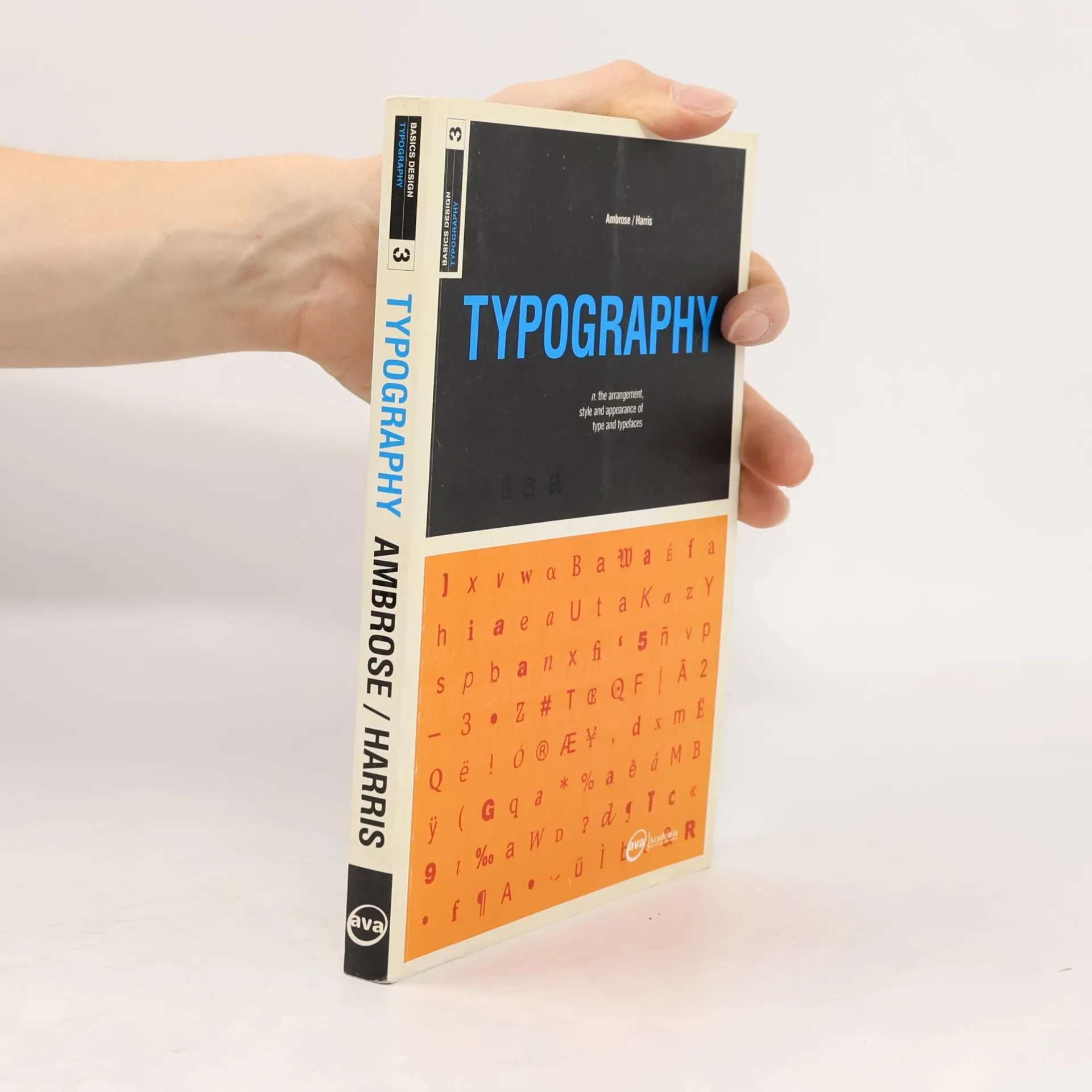
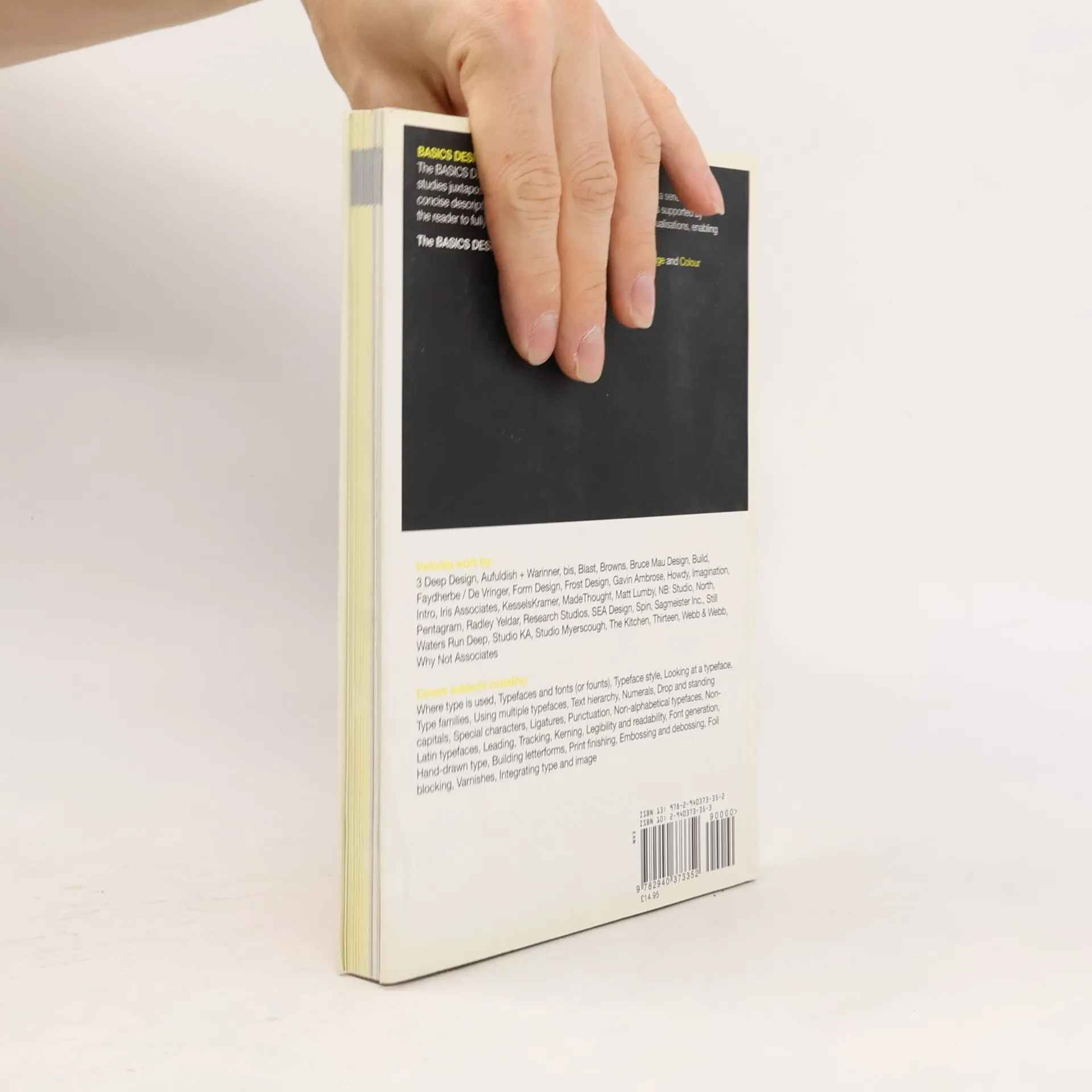
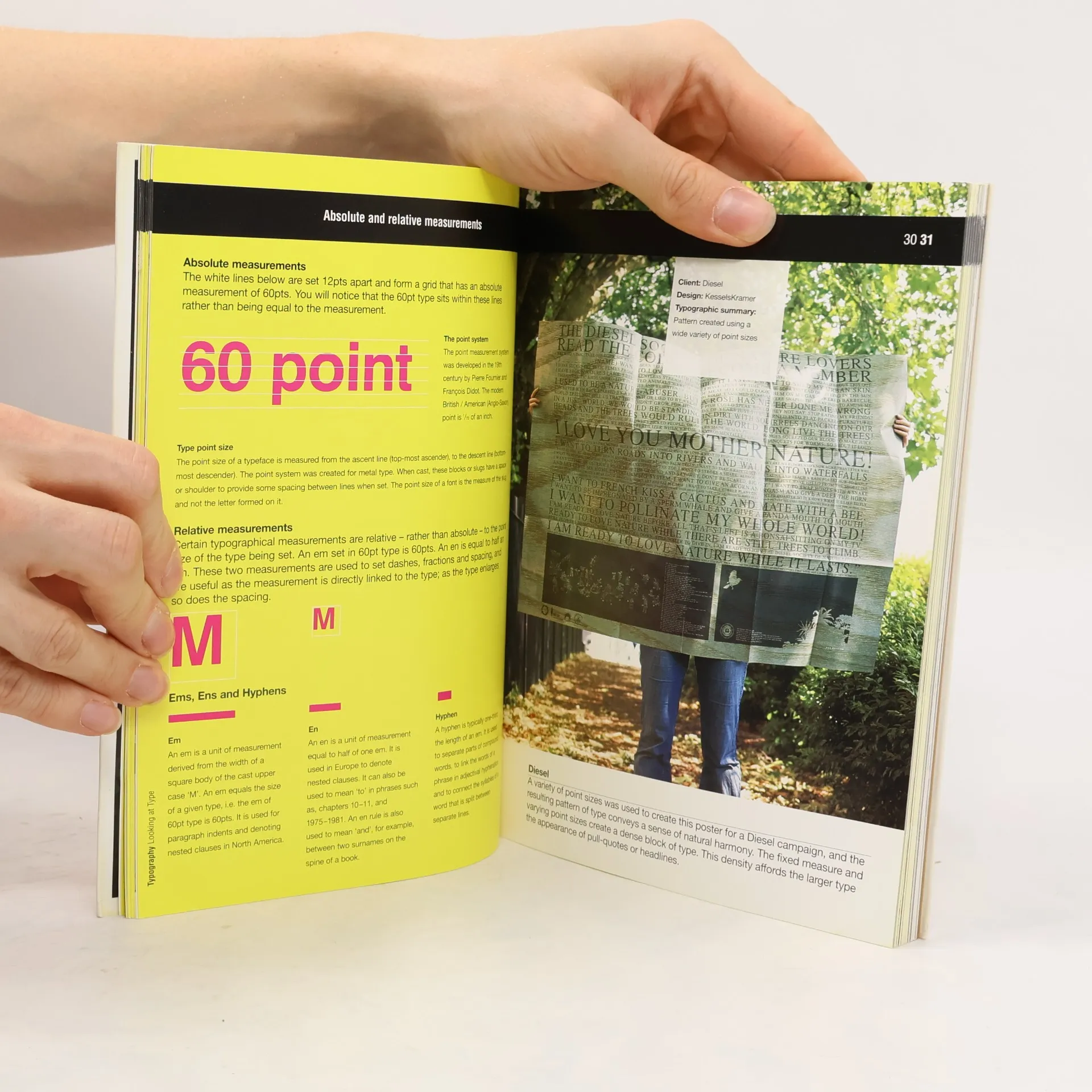
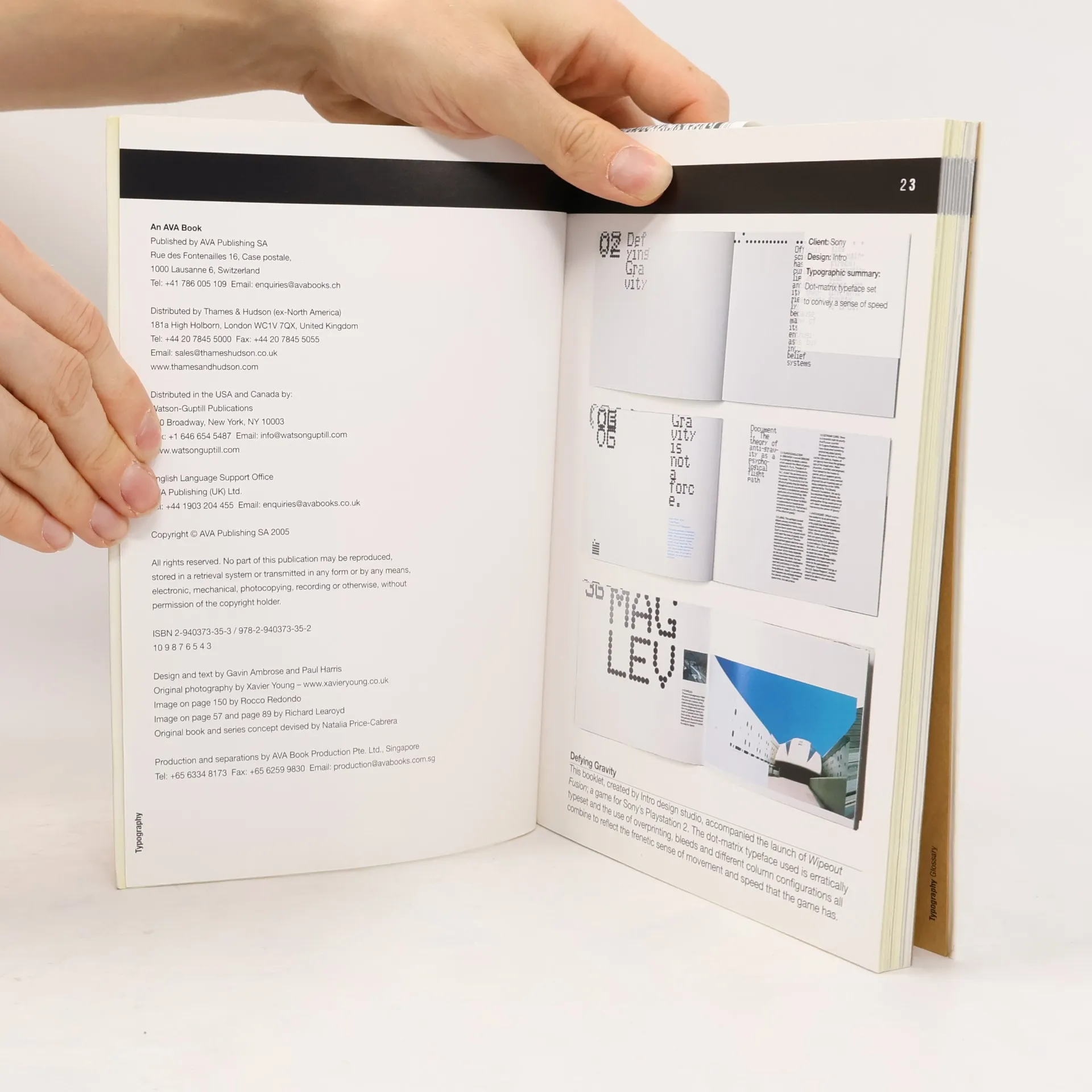
Basics Design: Typography, follows on from Format and Layout to examine a third, fundamental area of graphic design. Typography is the means by which a written idea is given a visual form. The selection of this visual form from hundreds, if not thousands, of typefaces can dramatically affect the legibility of the written idea and a reader’s feelings towards it. Effective use of typography can produce a neutral effect or rouse the passions, symbolise artistic, political or philosophical movements, or even express the personality of a person or organisation. Typefaces vary from clear and distinguishable letterforms that flow easily before the eye and are suitable for extended blocks of text, to more dramatic and eye-catching typefaces that grab attention and are used in newspaper headlines and advertisements. This book’s aim is to impart a comprehensive understanding of typography, to explore its history, theory and practice. Aimed at both students and practising designers, it provides a thorough examination of how typography informs other aspects of creative design.
Compra de libros
Basics Design - 3: Typography, Gavin Ambrose, Paul Harris
- Idioma

- Publicado en
- 2005
- Encuadernación
- (Tapa blanda),
- Estado del libro
- Bueno
- Precio
- 6,09 €
Métodos de pago
Nadie lo ha calificado todavía.
- Título
- Basics Design - 3: Typography
- Idioma
- Inglés
- Autores
- Gavin Ambrose, Paul Harris
- Editorial
- AVA Publishing
- Publicado en
- 2005
- Formato
- Tapa blanda
- Páginas
- 176
- ISBN10
- 2940373353
- ISBN13
- 9782940373352
- Serie
- Categorías
- Etiquetas
- Comercio, Guías y Manuales, Arte, EE.UU., Diseño gráfico, Tipografía
- Descripción
- Basics Design: Typography, follows on from Format and Layout to examine a third, fundamental area of graphic design. Typography is the means by which a written idea is given a visual form. The selection of this visual form from hundreds, if not thousands, of typefaces can dramatically affect the legibility of the written idea and a reader’s feelings towards it. Effective use of typography can produce a neutral effect or rouse the passions, symbolise artistic, political or philosophical movements, or even express the personality of a person or organisation. Typefaces vary from clear and distinguishable letterforms that flow easily before the eye and are suitable for extended blocks of text, to more dramatic and eye-catching typefaces that grab attention and are used in newspaper headlines and advertisements. This book’s aim is to impart a comprehensive understanding of typography, to explore its history, theory and practice. Aimed at both students and practising designers, it provides a thorough examination of how typography informs other aspects of creative design.