



Parámetros
- 302 páginas
- 11 horas de lectura
Más información sobre el libro
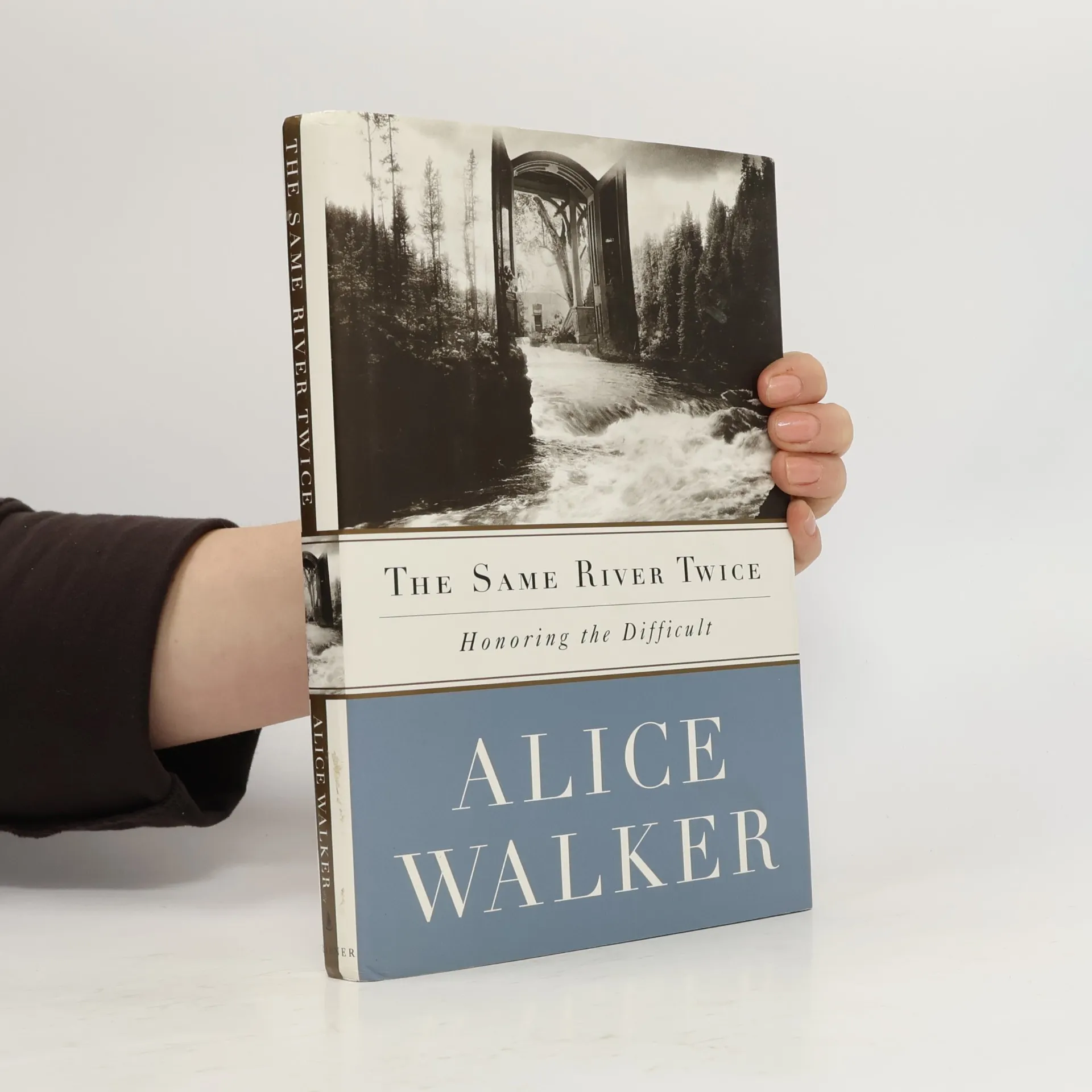
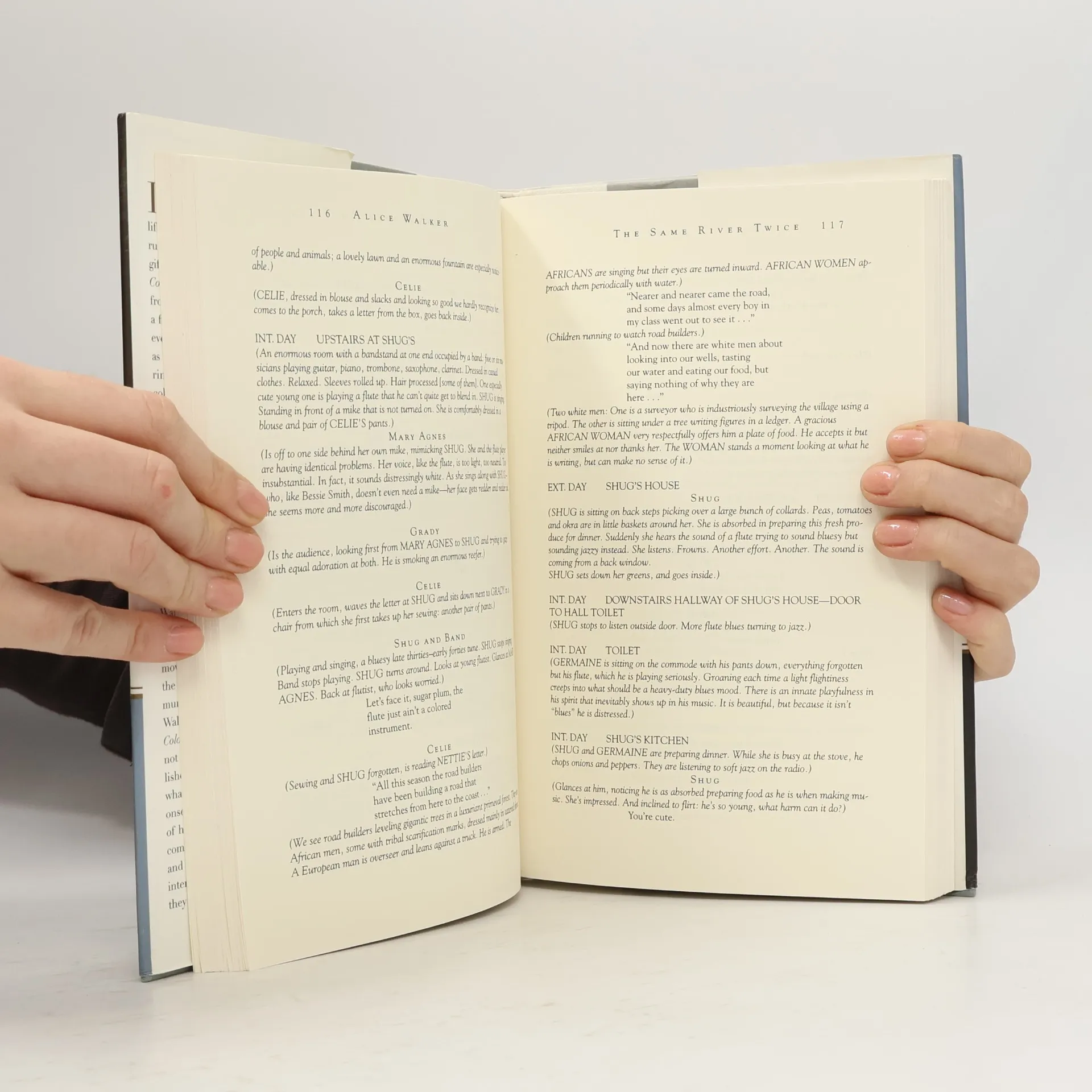
In the early eighties, the peaceful, reclusive life of poet and writer Alice Walker was interrupted by the appearance of three extraordinary gifts: a widely praised best-selling novel (<i>The Color Purple</i>), the Pulitzer Prize, and an offer from Steven Spielberg to make her novel into a film that would become a major international event. This last gift, which Walker identifies as 'the knock at the door,' led her into the labyrinth of a never-before-experienced creative collaboration, principally with Spielberg and Quincy Jones, and the 'magic' and perils of moviemaking. <i>The Same River Twice: Honoring the Difficult</i> chronicles that period of transition, from recluse to public figure, and invites us to contemplate, along with her, the true significance of extraordinary gifts—especially when they are coupled, as in Walker's case, with the most severe criticism, overt hostility, and public censure from one's community of choice. The book is composed of entries from Walker's journals, correspondence—including letters to Spielberg, Jones, and Danny Glover, who played the much reviled Mister in the movie—and essays and articles that document the controversy in the African-American community upon the film's release. It also contains Walker's original screenplay for the film <i>The Color Purple,</i> a screenplay that ultimately was not used by Spielberg and has never been published. In three new essays, Walker looks back at what was taking place in her life at that time: the onset of a debilitating illness, the failing health of her adored mother, and the betrayal by her companion of thirteen years. How do the private and the public mesh, she asks, during periods of intense creativity and stress? In what ways do they support or weaken each other?
Compra de libros
The Same River Twice, Alice Walker
- Idioma

- Publicado en
- 1996
- Encuadernación
- (Tapa dura),
- Estado del libro
- Dañado
- Precio
- 4,49 €
Métodos de pago
Nadie lo ha calificado todavía.
- Título
- The Same River Twice
- Subtítulo
- Honoring the Difficult
- Idioma
- Inglés
- Autores
- Alice Walker
- Editorial
- Scribner
- Publicado en
- 1996
- Formato
- Tapa dura
- Páginas
- 302
- ISBN10
- 0684814196
- ISBN13
- 9780684814193
- Serie
- Categorías
- Etiquetas
- Mujeres, EE.UU., Siglo XX, Crítica literaria, Adaptada al cine
- Descripción
- In the early eighties, the peaceful, reclusive life of poet and writer Alice Walker was interrupted by the appearance of three extraordinary gifts: a widely praised best-selling novel (<i>The Color Purple</i>), the Pulitzer Prize, and an offer from Steven Spielberg to make her novel into a film that would become a major international event. This last gift, which Walker identifies as 'the knock at the door,' led her into the labyrinth of a never-before-experienced creative collaboration, principally with Spielberg and Quincy Jones, and the 'magic' and perils of moviemaking. <i>The Same River Twice: Honoring the Difficult</i> chronicles that period of transition, from recluse to public figure, and invites us to contemplate, along with her, the true significance of extraordinary gifts—especially when they are coupled, as in Walker's case, with the most severe criticism, overt hostility, and public censure from one's community of choice. The book is composed of entries from Walker's journals, correspondence—including letters to Spielberg, Jones, and Danny Glover, who played the much reviled Mister in the movie—and essays and articles that document the controversy in the African-American community upon the film's release. It also contains Walker's original screenplay for the film <i>The Color Purple,</i> a screenplay that ultimately was not used by Spielberg and has never been published. In three new essays, Walker looks back at what was taking place in her life at that time: the onset of a debilitating illness, the failing health of her adored mother, and the betrayal by her companion of thirteen years. How do the private and the public mesh, she asks, during periods of intense creativity and stress? In what ways do they support or weaken each other?