

Parámetros
- 352 páginas
- 13 horas de lectura
Más información sobre el libro
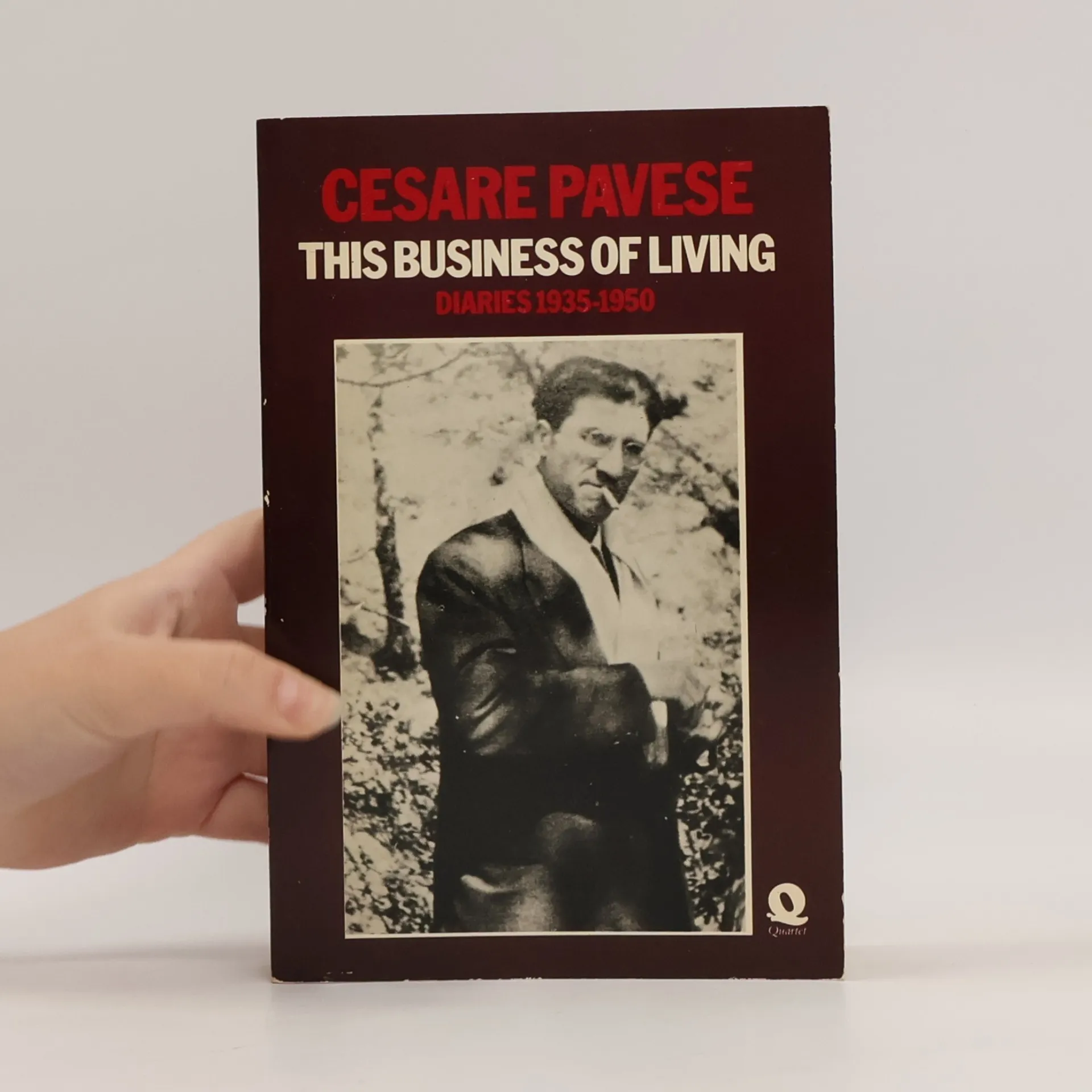
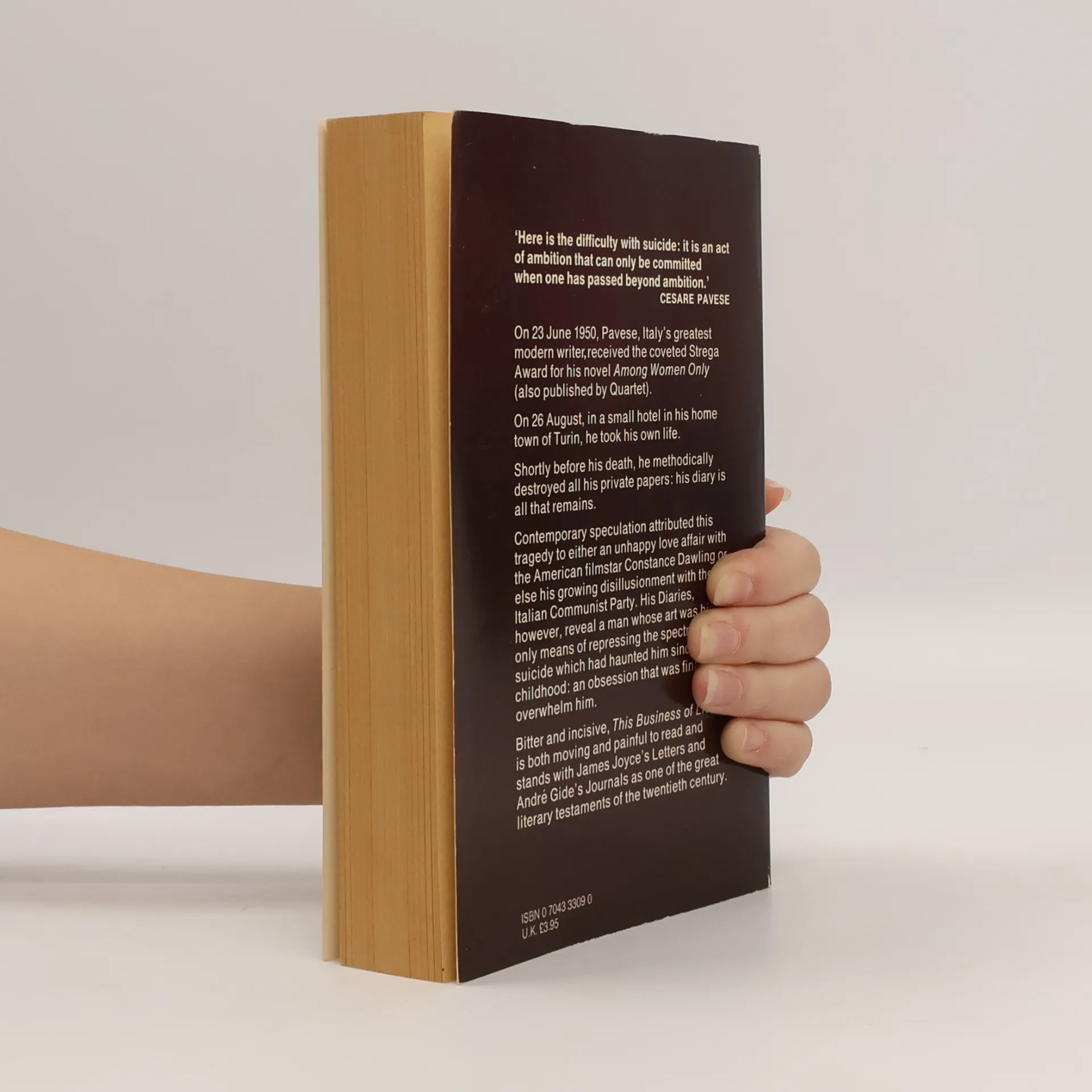
On June 23rd, 1950, Cesare Pavese, Italy’s greatest modern writer received the coveted Strega Award for his novel 'Among Women Only'. On August 26th, in a small hotel in his home town of Turin, he took his own life. Shortly before his death, Pavese methodically destroyed all his private papers. His diary is all that remains. And for this, the contemporary reader can be grateful. Contemporary speculation attributed this tragedy to either an unhappy love affair with the American film star Constance Dawling or his growing disillusionment with the Italian Communist Party. His Diaries, however, reveal a man whose art was his only means of repressing the specter of suicide which had haunted him since childhood: an obsession that finally overwhelmed him. Bitter and incisive, This Business of Living is both moving and painful to read and stands with James Joyce’s Letters and Andre Gide’s Journals as one of the great literary testaments of the twentieth century.
Compra de libros
This Business of Living, Cesare Pavese
- Idioma

- Publicado en
- 1980
- Encuadernación
- (Tapa blanda),
- Estado del libro
- Muy Bueno
- Precio
- 19,89 €
Métodos de pago
Nadie lo ha calificado todavía.
- Título
- This Business of Living
- Subtítulo
- Diaries, 1935-1950
- Idioma
- Inglés
- Autores
- Cesare Pavese
- Editorial
- Quartet Books
- Publicado en
- 1980
- Formato
- Tapa blanda
- Páginas
- 352
- ISBN10
- 0704333090
- ISBN13
- 9780704333093
- Serie
- Categorías
- Etiquetas
- Italia, Literatura Italiana
- Descripción
- On June 23rd, 1950, Cesare Pavese, Italy’s greatest modern writer received the coveted Strega Award for his novel 'Among Women Only'. On August 26th, in a small hotel in his home town of Turin, he took his own life. Shortly before his death, Pavese methodically destroyed all his private papers. His diary is all that remains. And for this, the contemporary reader can be grateful. Contemporary speculation attributed this tragedy to either an unhappy love affair with the American film star Constance Dawling or his growing disillusionment with the Italian Communist Party. His Diaries, however, reveal a man whose art was his only means of repressing the specter of suicide which had haunted him since childhood: an obsession that finally overwhelmed him. Bitter and incisive, This Business of Living is both moving and painful to read and stands with James Joyce’s Letters and Andre Gide’s Journals as one of the great literary testaments of the twentieth century.