

Más información sobre el libro
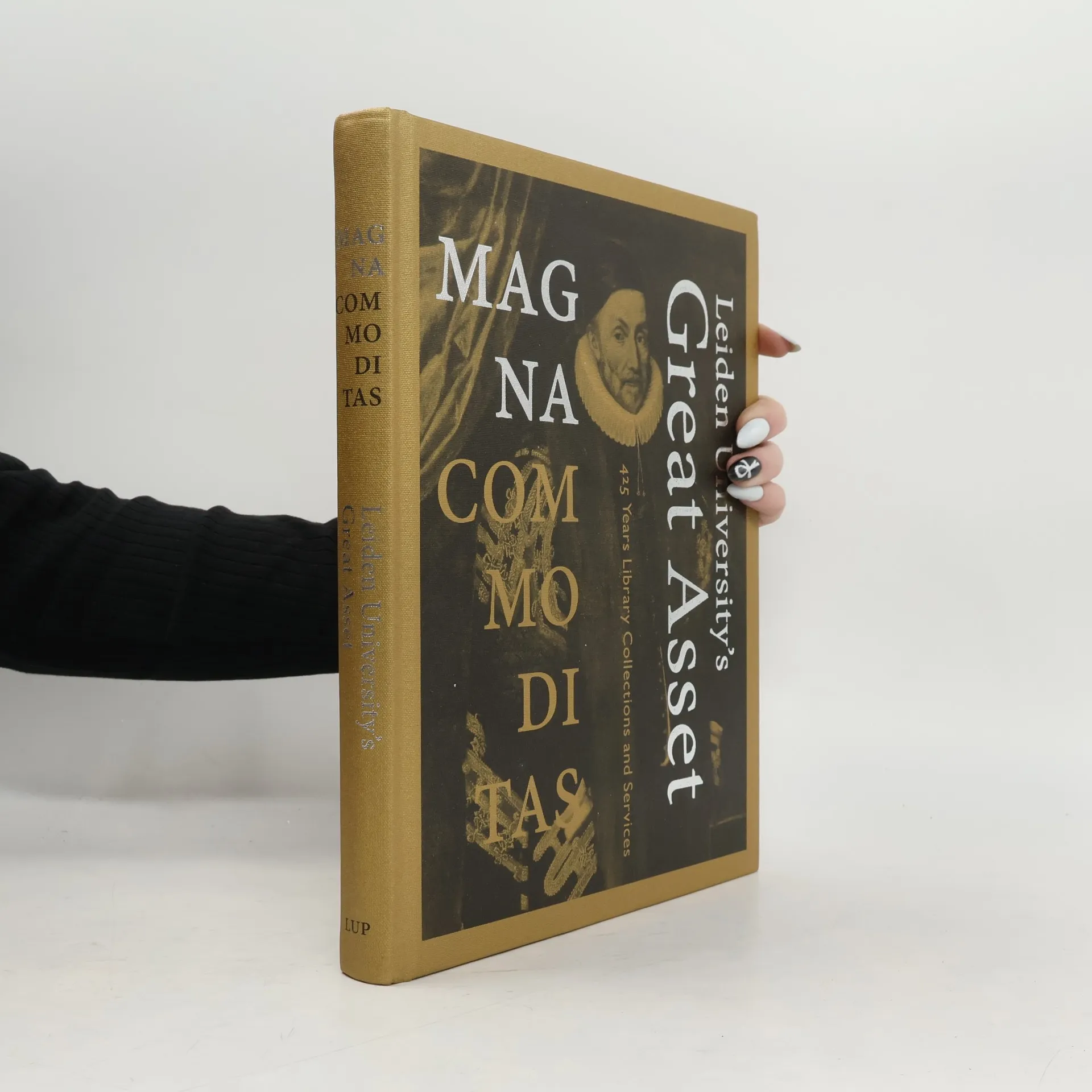
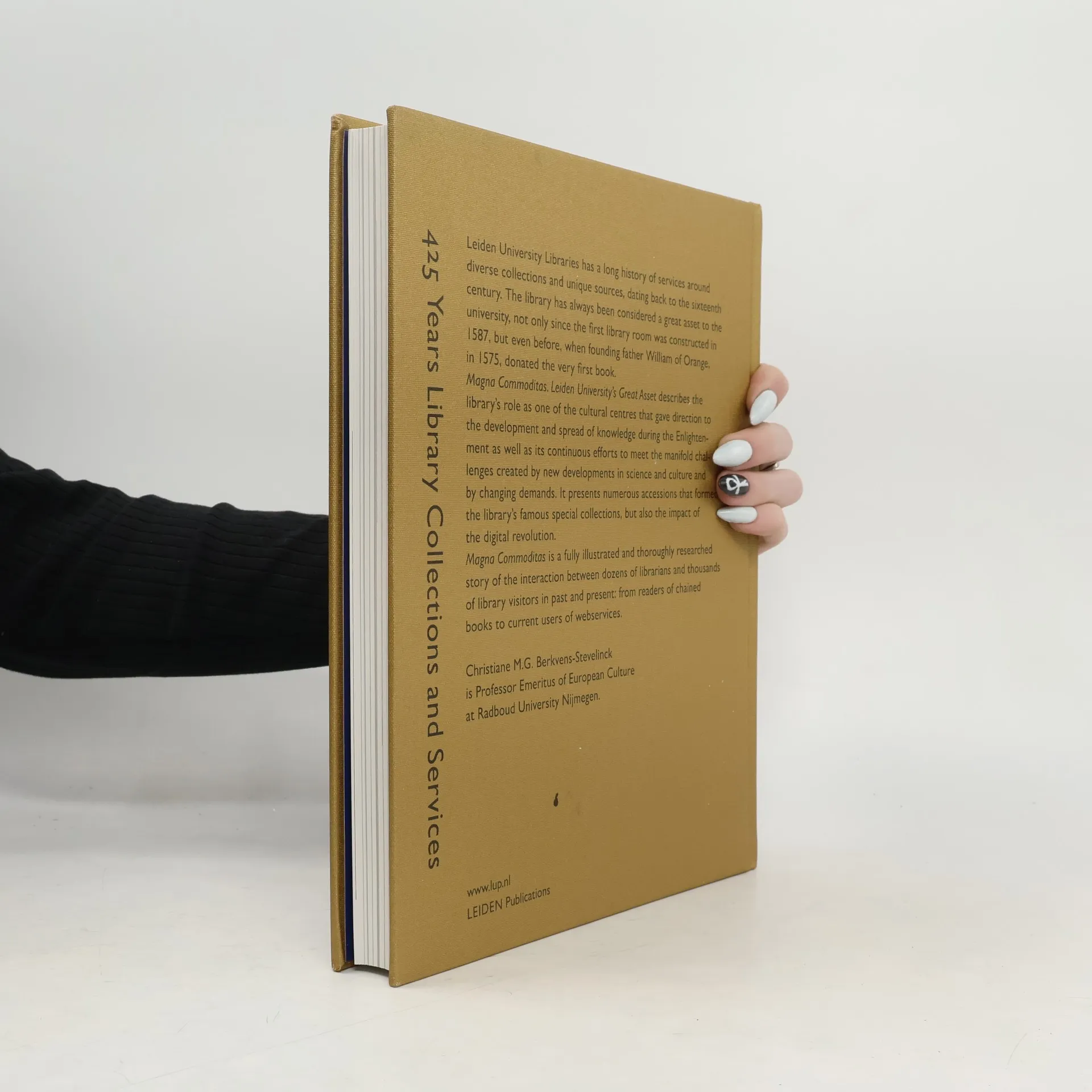
"Leiden University Library has a long history of services around versatile collections and unique sources, dating back to the sixteenth century. The library has always been considered a great asset to the university, not only since the first library room was constructed in 1587, but even before, when founding father William of Orange, in 1575, donated the very first book. 'Magna Commoditas' not only presents numerous accessions that formed its famous special collections, but also the impact of the digital revolution. It describes the role of the library as one of the cultural centres that gave direction to the development and spread of knowledge during the Enlightenment as well as the efforts of a library continuously trying to meet the manifold challenges created by new developments in science and culture and by changing demands. 'Magna Commoditas' is a thoroughly researched story of the interaction between dozens of librarians and thousands of library visitors in past and present: from readers of chained books to current users of webservices."--Provided by publisher.
Compra de libros
Magna Commoditas, Christiane Marie Georgette Berkvens-Stevelinck
- Idioma

- Publicado en
- 2012
- Encuadernación
- (Tapa dura),
- Estado del libro
- Muy Bueno
- Precio
- 13,39 €
Métodos de pago
Nadie lo ha calificado todavía.
- Título
- Magna Commoditas
- Subtítulo
- Leiden University's Great Asset
- Idioma
- Inglés
- Editorial
- Leiden University Press
- Publicado en
- 2012
- Formato
- Tapa dura
- Páginas
- 303
- ISBN10
- 908728165X
- ISBN13
- 9789087281656
- Serie
- Categorías
- Descripción
- "Leiden University Library has a long history of services around versatile collections and unique sources, dating back to the sixteenth century. The library has always been considered a great asset to the university, not only since the first library room was constructed in 1587, but even before, when founding father William of Orange, in 1575, donated the very first book. 'Magna Commoditas' not only presents numerous accessions that formed its famous special collections, but also the impact of the digital revolution. It describes the role of the library as one of the cultural centres that gave direction to the development and spread of knowledge during the Enlightenment as well as the efforts of a library continuously trying to meet the manifold challenges created by new developments in science and culture and by changing demands. 'Magna Commoditas' is a thoroughly researched story of the interaction between dozens of librarians and thousands of library visitors in past and present: from readers of chained books to current users of webservices."--Provided by publisher.