

Más información sobre el libro
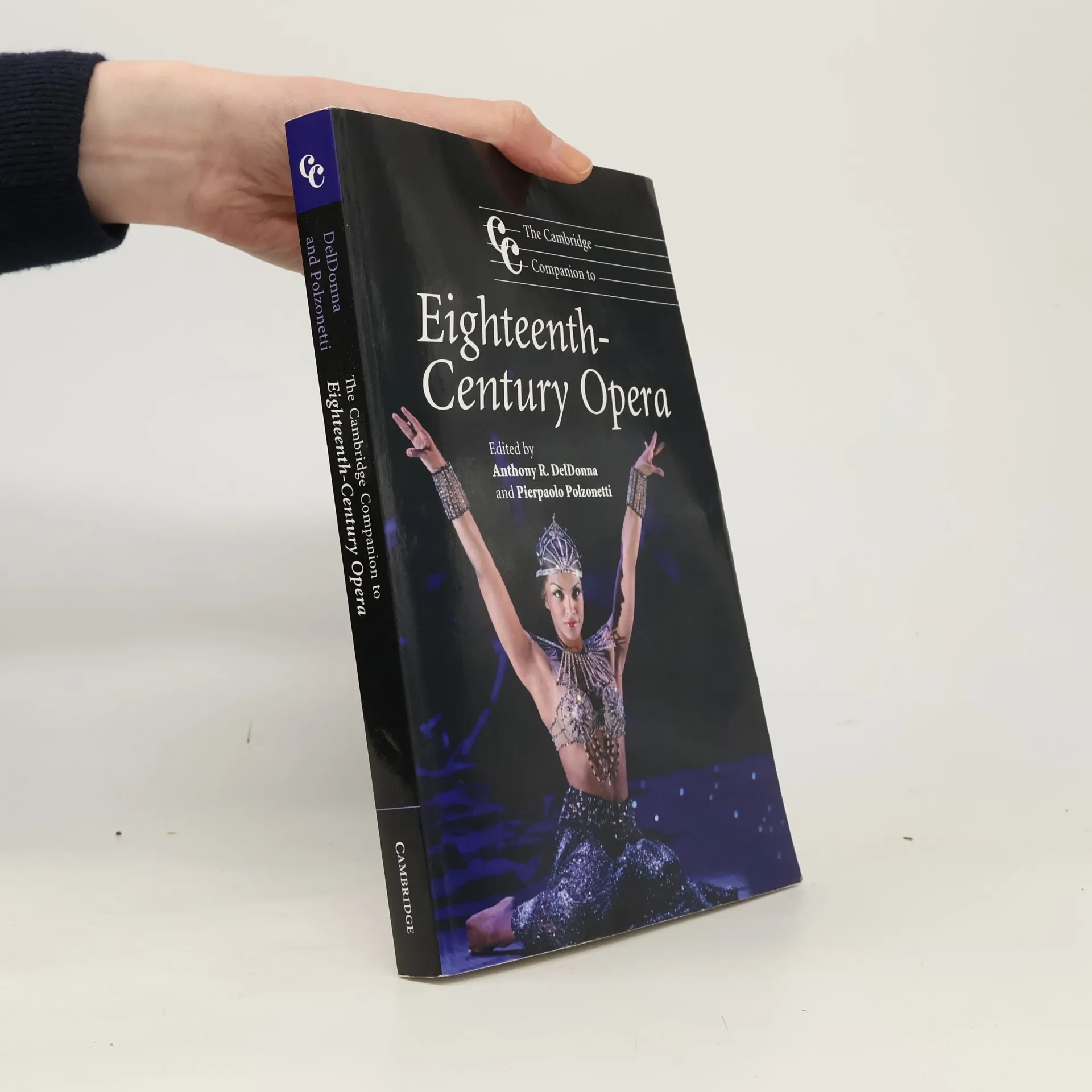
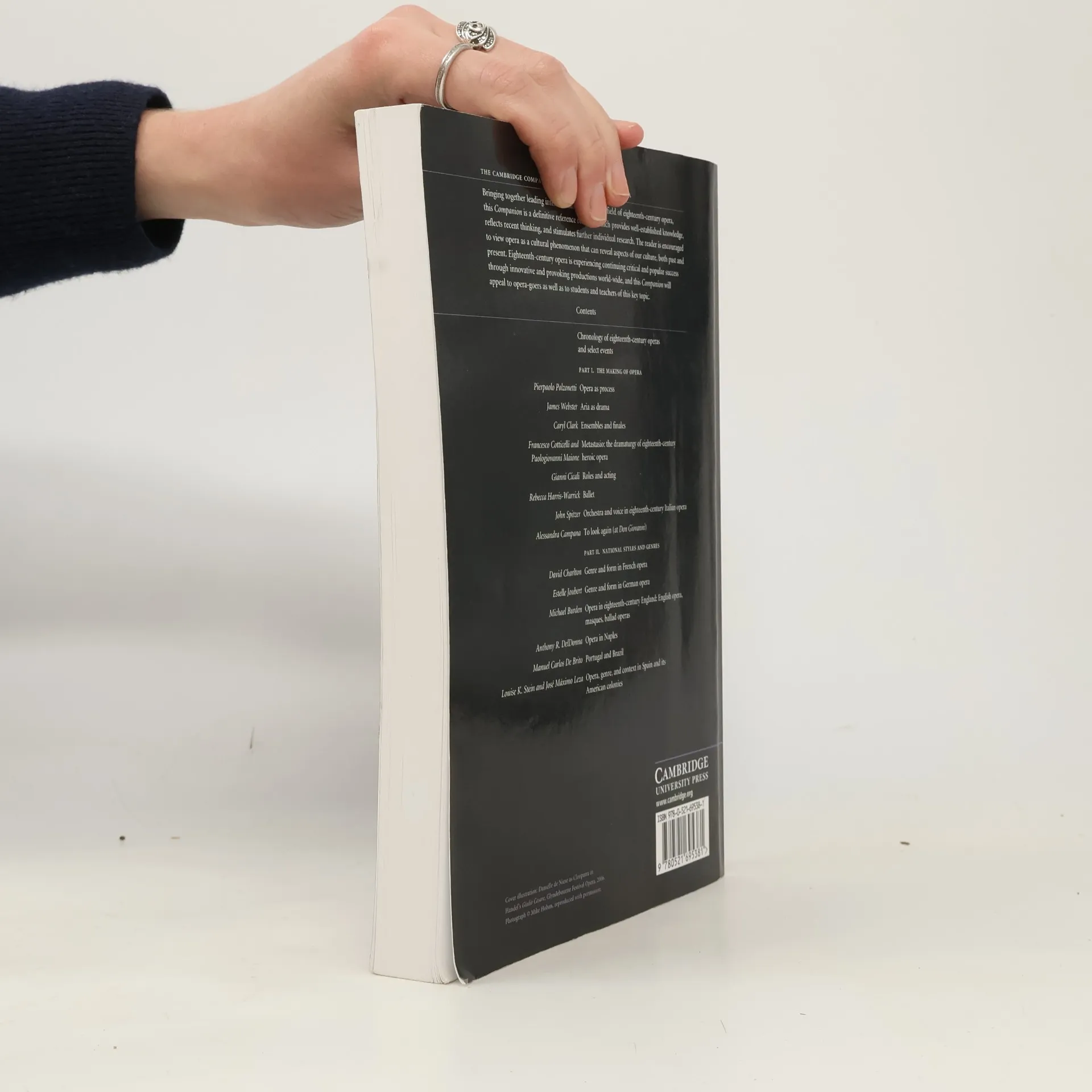
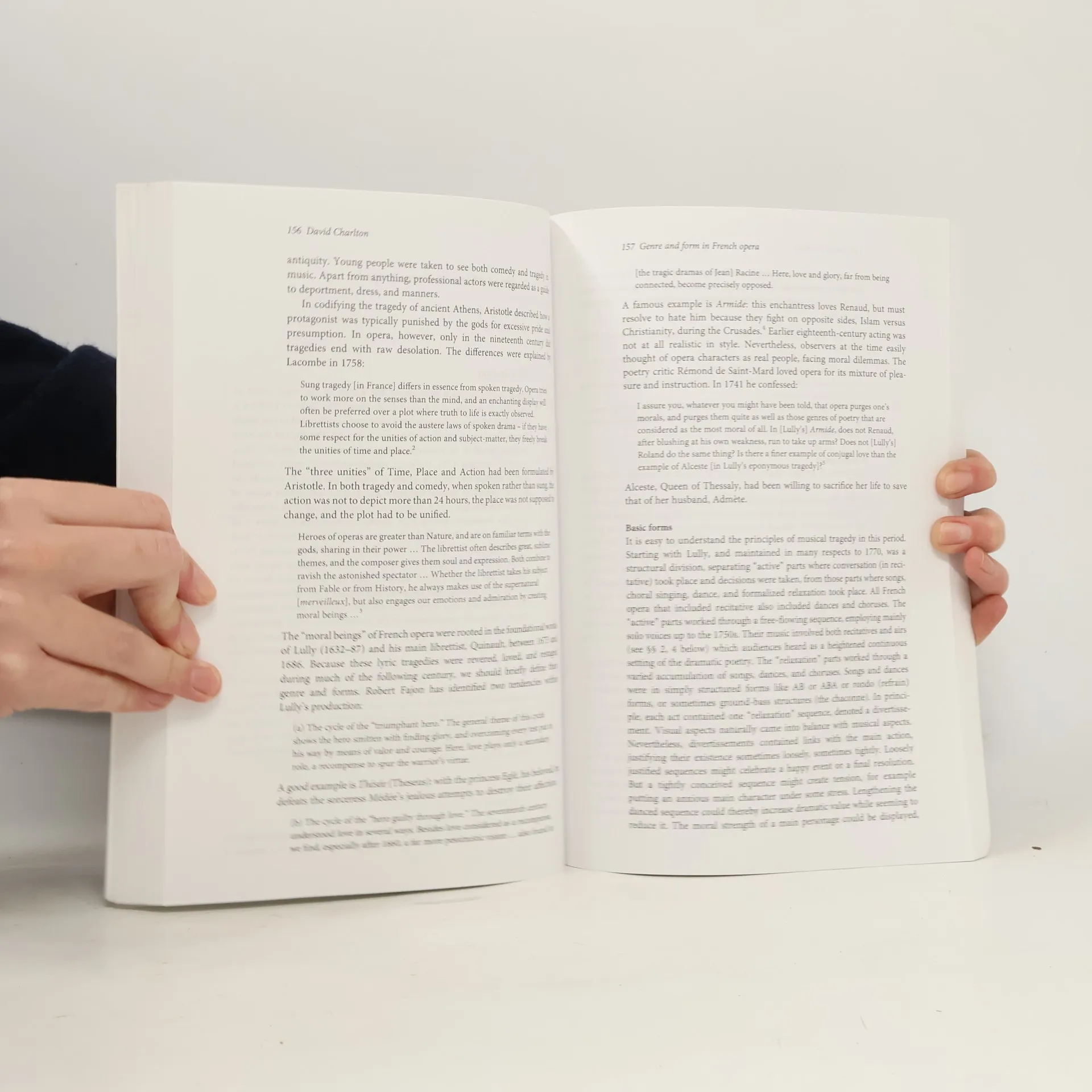
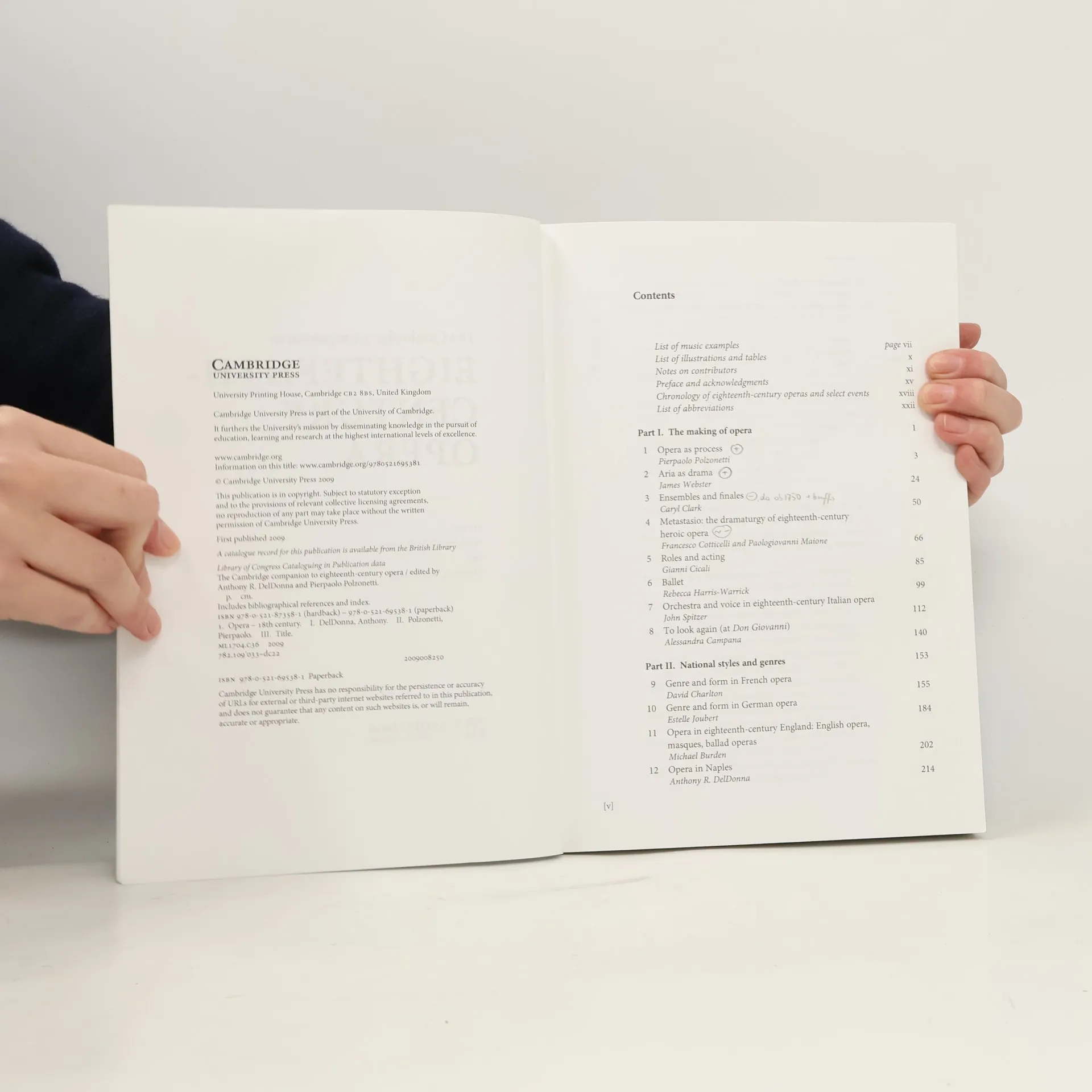
Reflecting a wide variety of approaches to eighteenth-century opera, this Companion brings together leading international experts in the field to provide a valuable reference source. Viewing opera as a complex and fascinating form of art and social ritual, rather than reducing it simply to music and text analysis, individual essays investigate aspects such as audiences, architecture of the theaters, marketing, acting style, and the politics and strategy of representing class and gender. Overall, the volume provides a synthesis of well established knowledge, reflects recent research on eighteenth-century opera, and stimulates further research. The reader is encouraged to view opera as a cultural phenomenon that can reveal aspects of our culture, both past and present. Eighteenth-century opera is experiencing continuing critical and popular success through innovative and provoking productions world-wide, and this Companion will appeal to opera goers as well as to students and teachers of this key topic.
Compra de libros
The Cambridge Companion to Eighteenth-Century Opera, Anthony R. DelDonna, Pierpaolo Polzonetti
- Idioma

- Publicado en
- 2009
- Encuadernación
- (Tapa blanda),
- Estado del libro
- Bueno
- Precio
- 29,49 €
Métodos de pago
Nadie lo ha calificado todavía.
- Título
- The Cambridge Companion to Eighteenth-Century Opera
- Idioma
- Inglés
- Editorial
- Cambridge University Press
- Publicado en
- 2009
- Formato
- Tapa blanda
- Páginas
- 344
- ISBN10
- 0521695384
- ISBN13
- 9780521695381
- Serie
- Categorías
- Descripción
- Reflecting a wide variety of approaches to eighteenth-century opera, this Companion brings together leading international experts in the field to provide a valuable reference source. Viewing opera as a complex and fascinating form of art and social ritual, rather than reducing it simply to music and text analysis, individual essays investigate aspects such as audiences, architecture of the theaters, marketing, acting style, and the politics and strategy of representing class and gender. Overall, the volume provides a synthesis of well established knowledge, reflects recent research on eighteenth-century opera, and stimulates further research. The reader is encouraged to view opera as a cultural phenomenon that can reveal aspects of our culture, both past and present. Eighteenth-century opera is experiencing continuing critical and popular success through innovative and provoking productions world-wide, and this Companion will appeal to opera goers as well as to students and teachers of this key topic.