


Más información sobre el libro
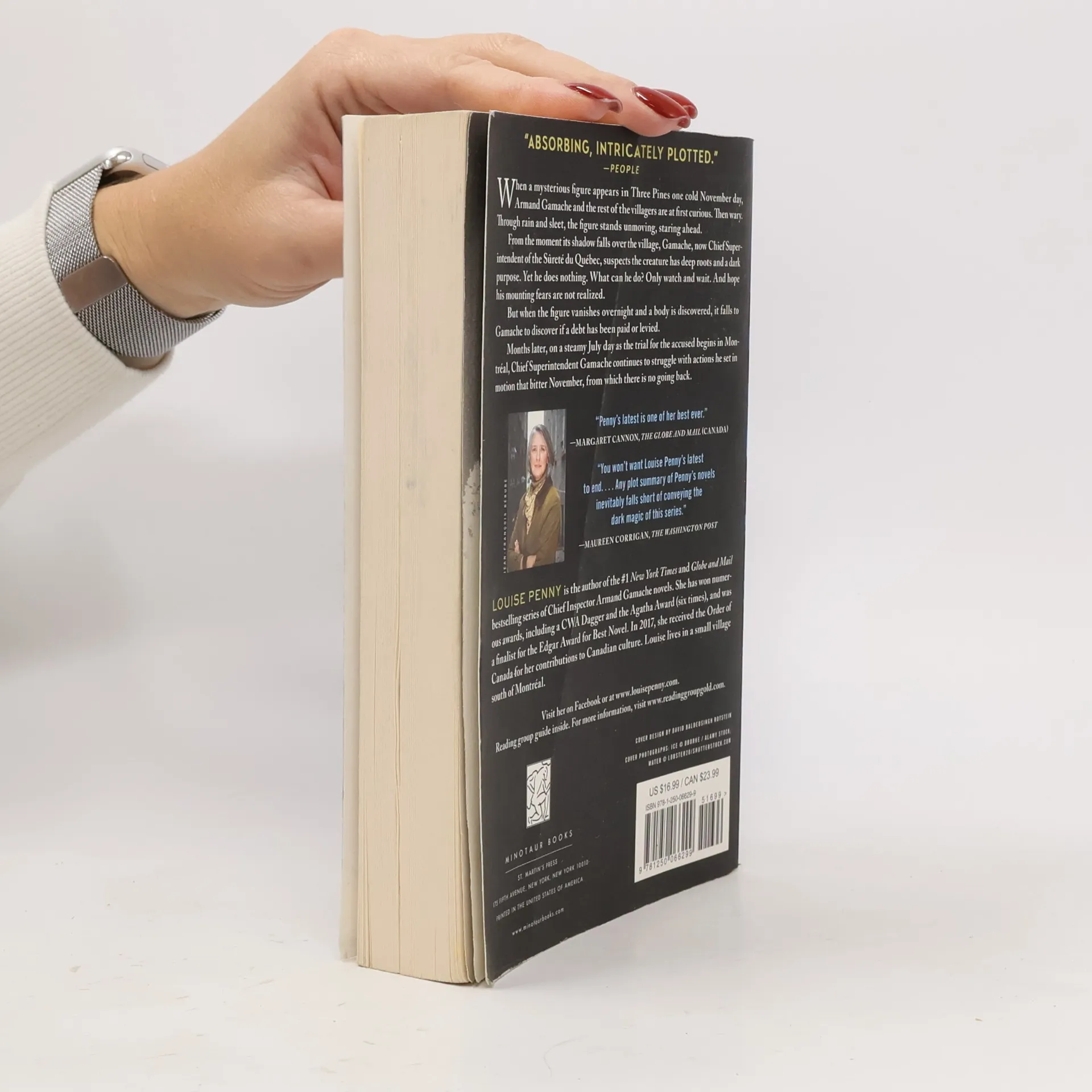
When a mysterious figure appears in Three Pines one cold November day, Armand Gamache and the rest of the villagers are at first curious. Then wary. Through rain and sleet, the figure stands unmoving, staring ahead. From the moment its shadow falls over the village, Gamache, now Chief Superintendent of the Surete du Quebec, suspects the creature has deep roots and a dark purpose. Yet he does nothing. What can he do? Only watch and wait. And hope his mounting fears are not realized. But when the figure vanishes overnight and a body is discovered, it falls to Gamache to discover if a debt has been paid or levied. Months later, on a steamy July day as the trial for the accused begins in Montreal, Chief Superintendent Gamache continues to struggle with actions he set in motion that bitter November, from which there is no going back. More than the accused is on trial. Gamache's own conscience is standing in judgment. In <i>Glass Houses, </i>her latest utterly gripping book, number-one <i>New York Times</i> bestselling author Louise Penny shatters the conventions of the crime novel to explore what Gandhi called the court of conscience. A court that supersedes all others.
Compra de libros
Chief Inspector Gamache - 13: Glass Houses, Louise Penny
- Idioma

- Publicado en
- 2018
- Encuadernación
- (Tapa blanda),
- Estado del libro
- Bueno
- Precio
- 10,99 €
Métodos de pago
Nadie lo ha calificado todavía.
- Título
- Chief Inspector Gamache - 13: Glass Houses
- Idioma
- Inglés
- Autores
- Louise Penny
- Editorial
- Minotaur Books
- Publicado en
- 2018
- Formato
- Tapa blanda
- Páginas
- 400
- ISBN10
- 1250066298
- ISBN13
- 9781250066299
- Serie
- Categorías
- Etiquetas
- Novelas de crimen, Ficción contemporánea, Suspense, Asesinatos, Serie, Detectives, Serie de crimen, Misterioso, Canadá, Policía, Investigación criminal, Criminalidad, Literatura cosy, Pueblo pequeño, Literatura Canadiense
- Descripción
- When a mysterious figure appears in Three Pines one cold November day, Armand Gamache and the rest of the villagers are at first curious. Then wary. Through rain and sleet, the figure stands unmoving, staring ahead. From the moment its shadow falls over the village, Gamache, now Chief Superintendent of the Surete du Quebec, suspects the creature has deep roots and a dark purpose. Yet he does nothing. What can he do? Only watch and wait. And hope his mounting fears are not realized. But when the figure vanishes overnight and a body is discovered, it falls to Gamache to discover if a debt has been paid or levied. Months later, on a steamy July day as the trial for the accused begins in Montreal, Chief Superintendent Gamache continues to struggle with actions he set in motion that bitter November, from which there is no going back. More than the accused is on trial. Gamache's own conscience is standing in judgment. In <i>Glass Houses, </i>her latest utterly gripping book, number-one <i>New York Times</i> bestselling author Louise Penny shatters the conventions of the crime novel to explore what Gandhi called the court of conscience. A court that supersedes all others.