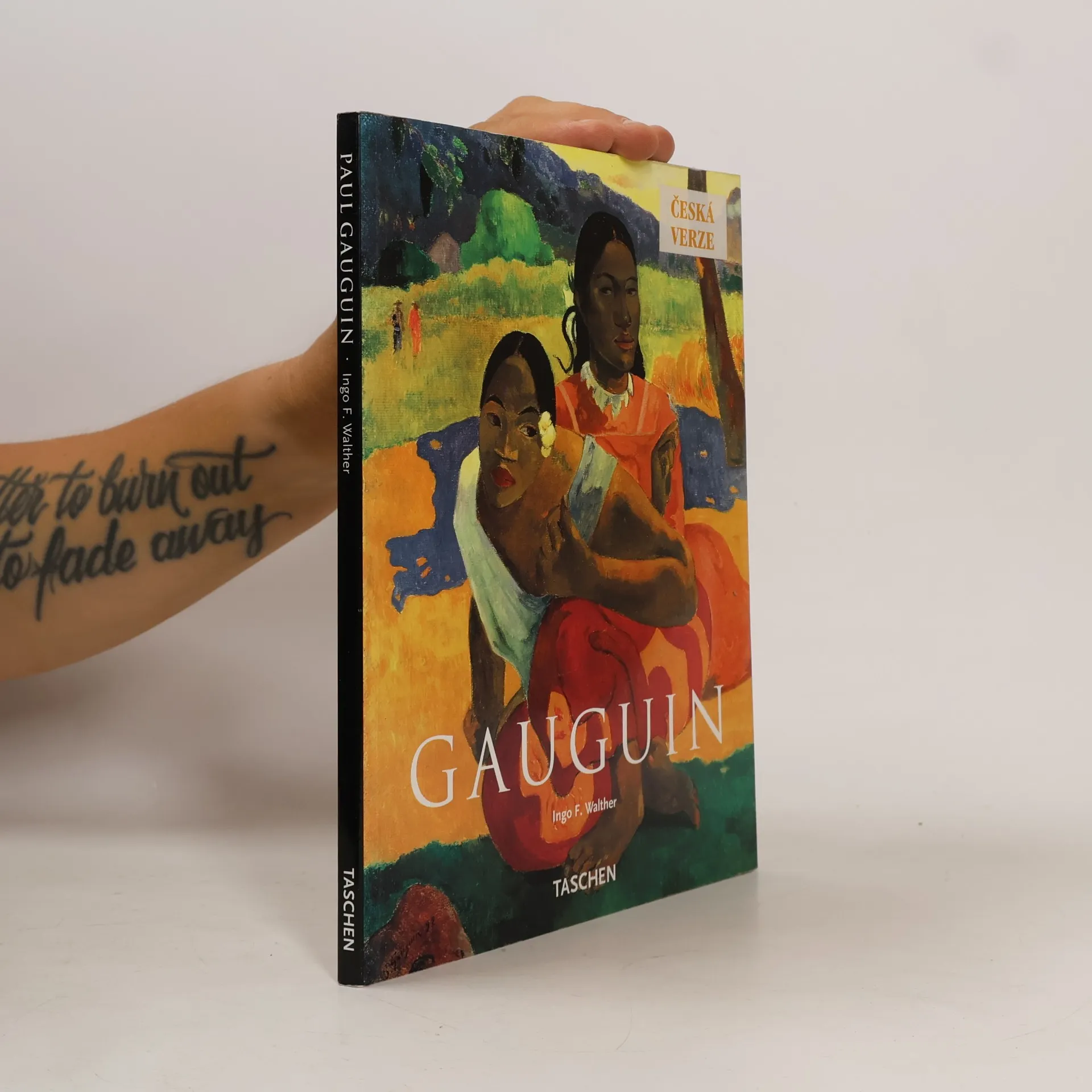
Česká verze. Začínal ve skupině impresionistů, ale jeho neposedná duše ho poháněla k jiným zkušenostem a pohledům. Nevydržel déle najednom místě a vyhledával nové bohem zapomenuté krajiny pro svou inspiraci. Proto je jeho styl nezaměnitelný, nedotknutý salonním stylem.
Los Genios del Arte Serie
Esta serie guía a los lectores a través del mundo del arte, centrándose en artistas clave y sus creaciones. Cada volumen presenta una visión general detallada de la vida y obra de un artista, contextualizada dentro de su importancia cultural e histórica más amplia. Con aproximadamente 100 ilustraciones a color y sus leyendas explicativas, junto con una biografía concisa, esta colección ofrece una introducción accesible a legados artísticos.



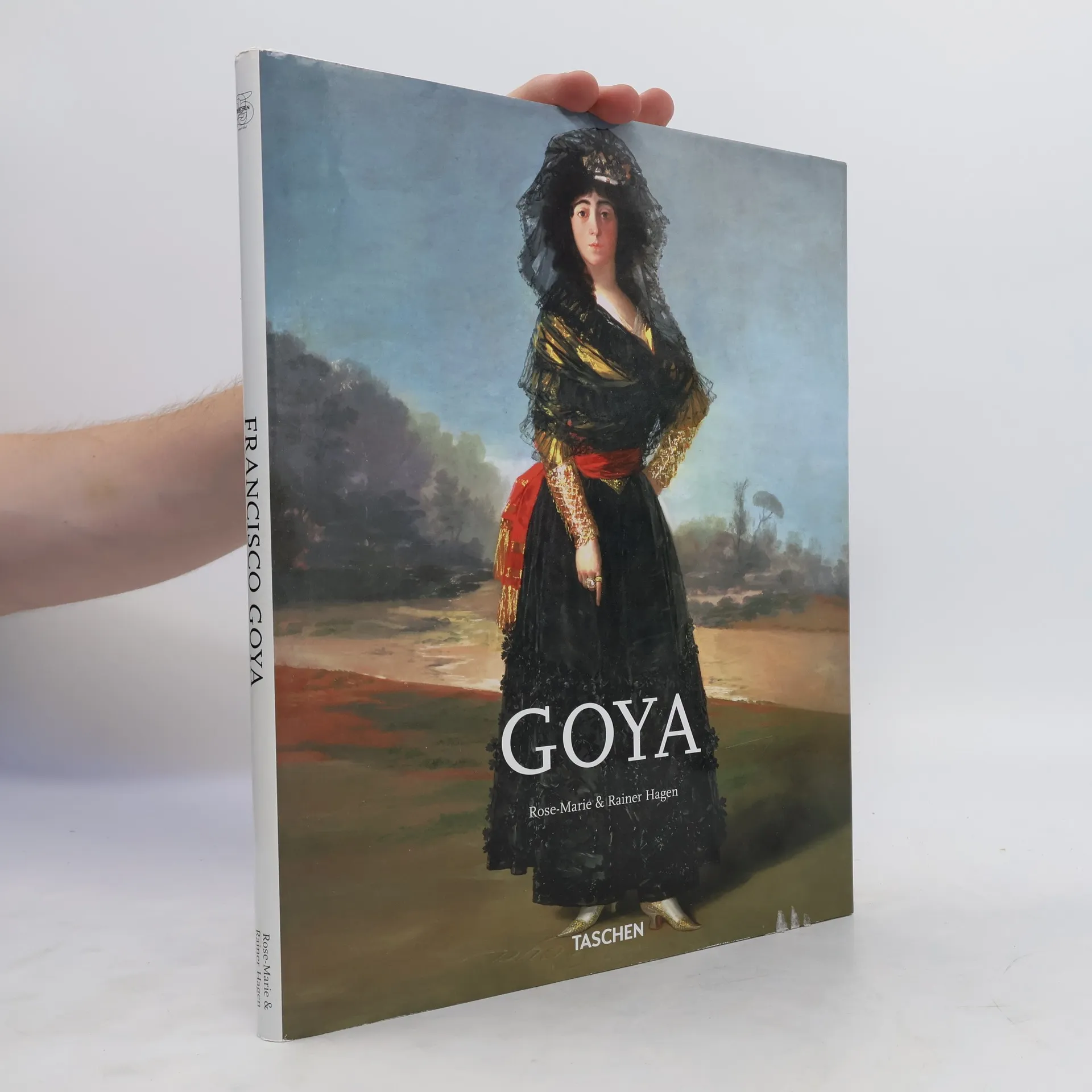
Goya
- 96 páginas
- 4 horas de lectura
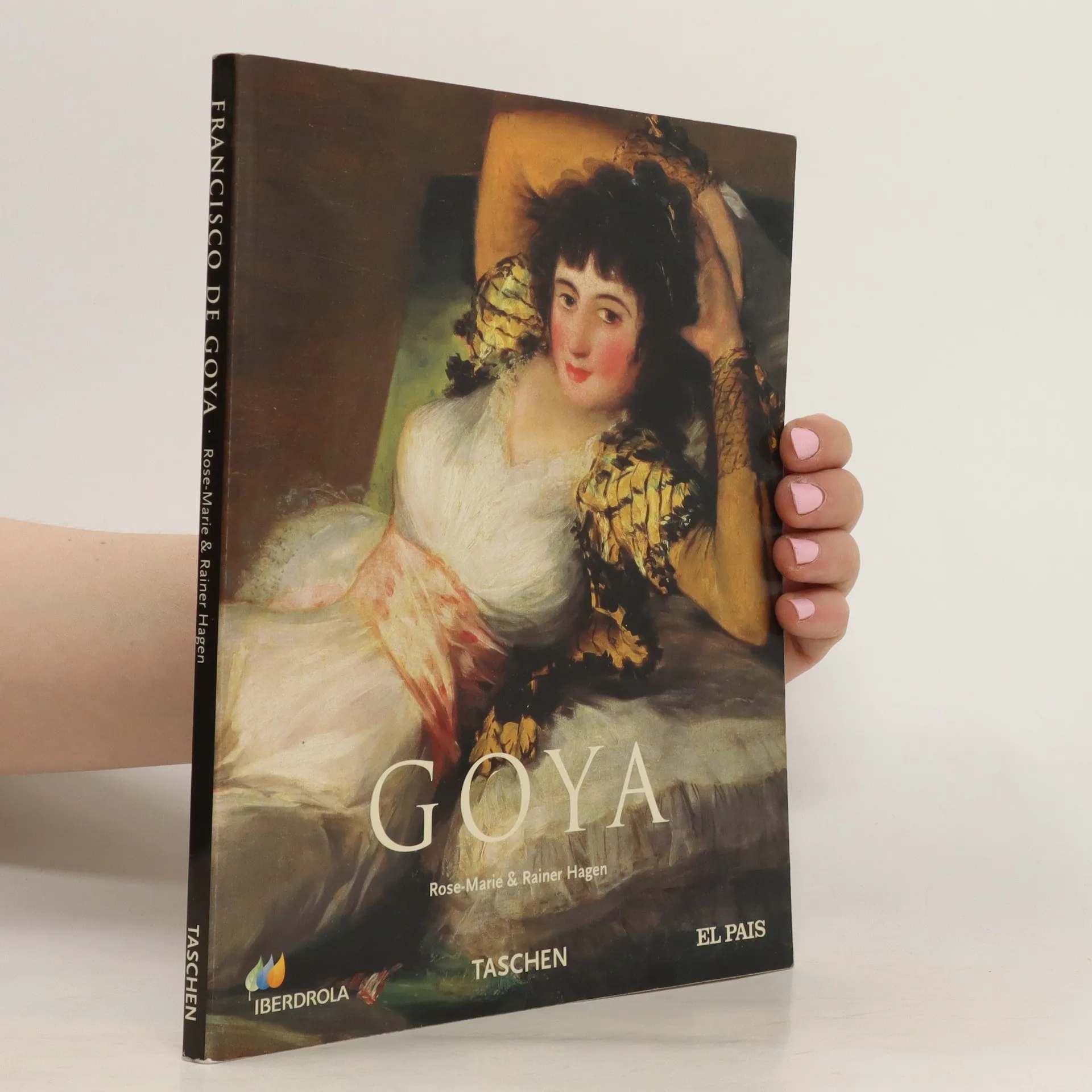
Retratos de nobles y reyes españoles, caricaturas críticas de la sociedad, una "Maja Desnuda" que lo llevó ante la Inquisición y representaciones de horribles atrocidades de guerra muestran la versatilidad de Francisco José de Goya y Lucientes (1746–1828). Como retratista en la corte de los ricos y poderosos, ganó una perspectiva más crítica del mundo tras una grave enfermedad, lo que le trajo tanto amigos como enemigos. Se dedicó a caricaturas críticas del clero y a oscuras grabados y dibujos, situados en un reino de pesadilla lleno de brujas y criaturas fantásticas. Sin embargo, Goya logró su efecto más duradero a través de sus escalofriantes imágenes de la guerra. Los Desastres de la Guerra, creados entre 1810 y 1820, documentan las atrocidades cometidas durante la lucha de los españoles contra las tropas de Napoleón y muestran el sadismo y la crueldad del ser humano en su forma más extrema. Este guía introductoria ilumina el recorrido de la notable carrera de Goya, desde elegante pintor de corte hasta observador frío del sufrimiento y las injusticias sociales.
Diego Rivera (1886-1957). Un espíritu revolucionario en el arte moderno
- 96 páginas
- 4 horas de lectura
Revolutionary and troublemaker Diego Rivera (1886-1957) pioneered public art - particularly with his magnificent murals - that was both highly advanced and profoundly accessible. His tumultuous career is surveyed in this richly illustrated Spanish-language entry in the Basic Art series celebrating major artists. This enticing collection shows both the wide range of his art and its influence on other painters and artistic movements.
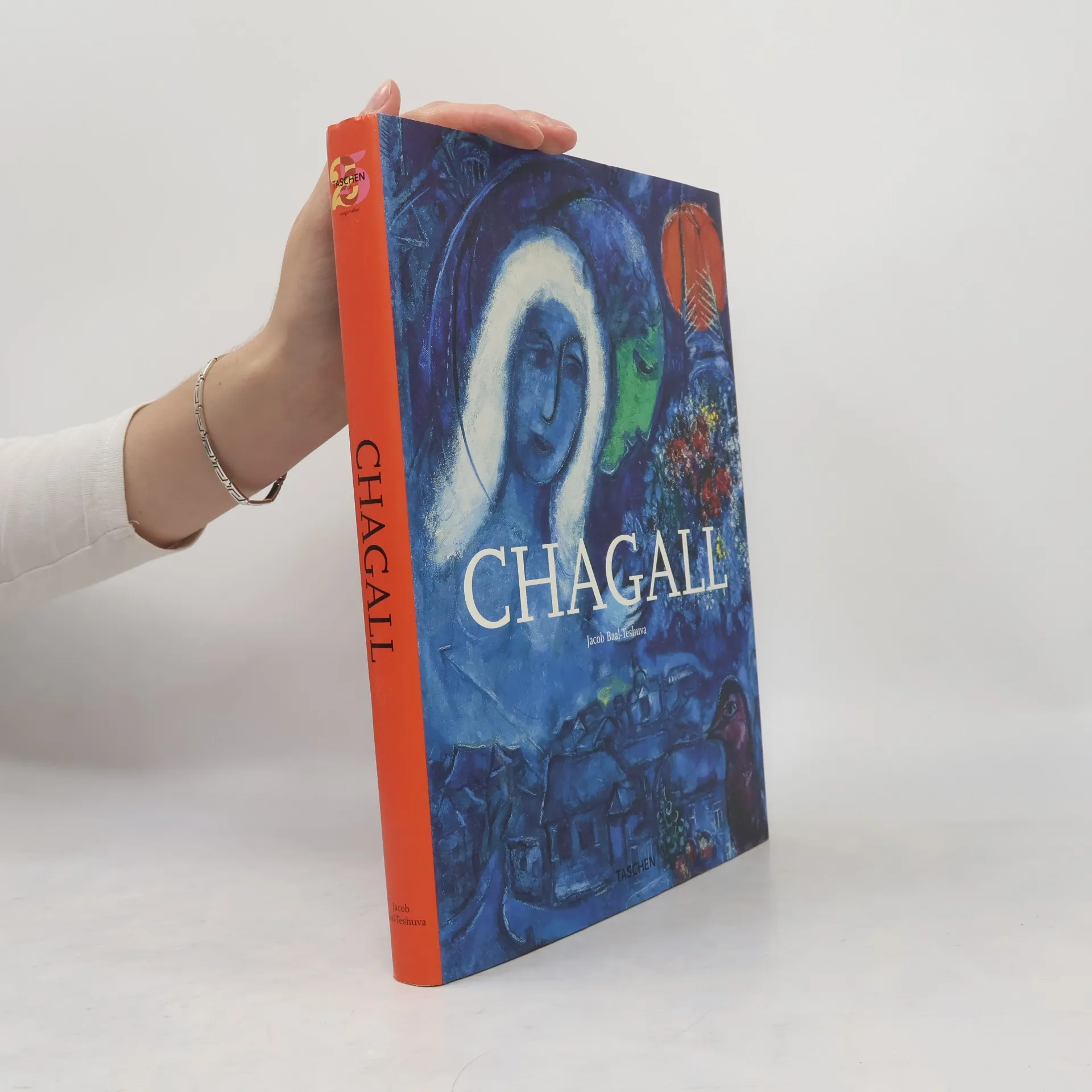
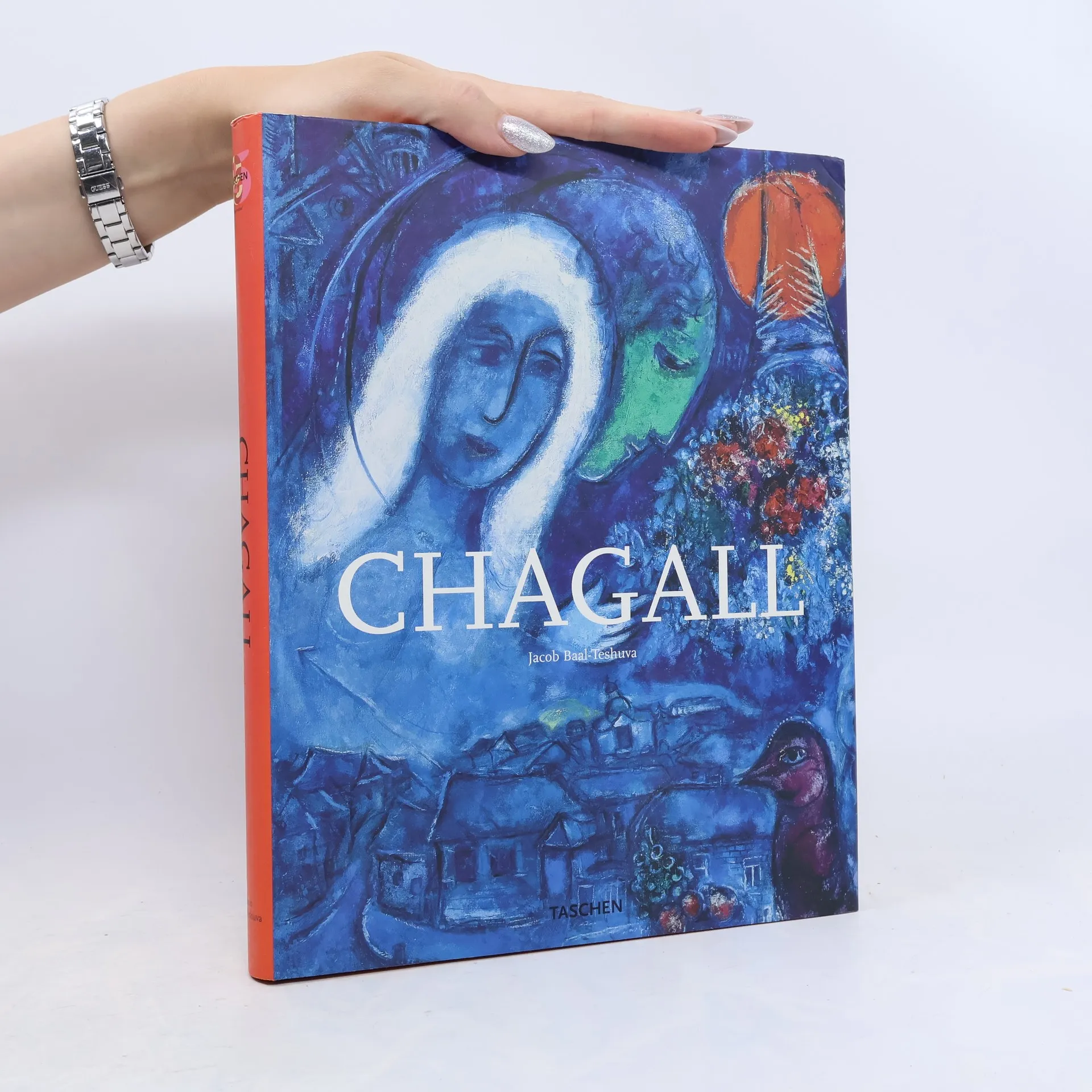
A thorough record of the life and art of Marc Chagall, a Russo-French Jewish artist associated with several major artistic styles and one of the most successful artists of the 20th century. This work, written by a longtime friend of Chagall's, spans his early work in Russia and the monumental pieces of his later life. An early modernist, he created works in virtually every artistic medium, including painting, book illustrations, stained glass, stage sets, ceramic, tapestries and fine art prints. This work contains reproductions that capture his use of intense, glowing colors and the unique world he created, full of magic, enchantment, and fantasy
International Klein blue
- 95 páginas
- 4 horas de lectura
Yves Klein (1928-1962) eroberte die Welt der Kunst und erklärte, dass 'eine neue Welt einen neuen Menschen verlangt'. In einem kurzen, aber intensiven Schaffenszeitraum von nur sieben Jahren malte Klein über tausend Bilder, die zu den Klassikern der modernen Kunst gehören. Dieses Buch bietet eine Auswahl seiner Werke.
Marcel Duchamp
- 96 páginas
- 4 horas de lectura
Puede que otro inventase la rueda, pero Marcel Duchamp (1887-1968) inventó el ready-made. Puede que un secador de botellas no sea más que un secador de botellas pero, firmado por Duchamp, es además una de las obras más importantes del arte del siglo XX. Duchamp ha sido un enigma para los historiadores del arte y una gran fuente de inspiración para otros artistas. Este estudio aborda el mito y revela el convincente carisma de Marcel Duchamp. Sobre la serie: Cada libro de la serie menor arte de TASCHEN incluye: Un detallado sumario cronológico de la vida y obra del artista, cubriendo su importancia histórica y cultural. Aproximadamente 100 ilustraciones en color con comentarios explicativos. Una concisa biografía.
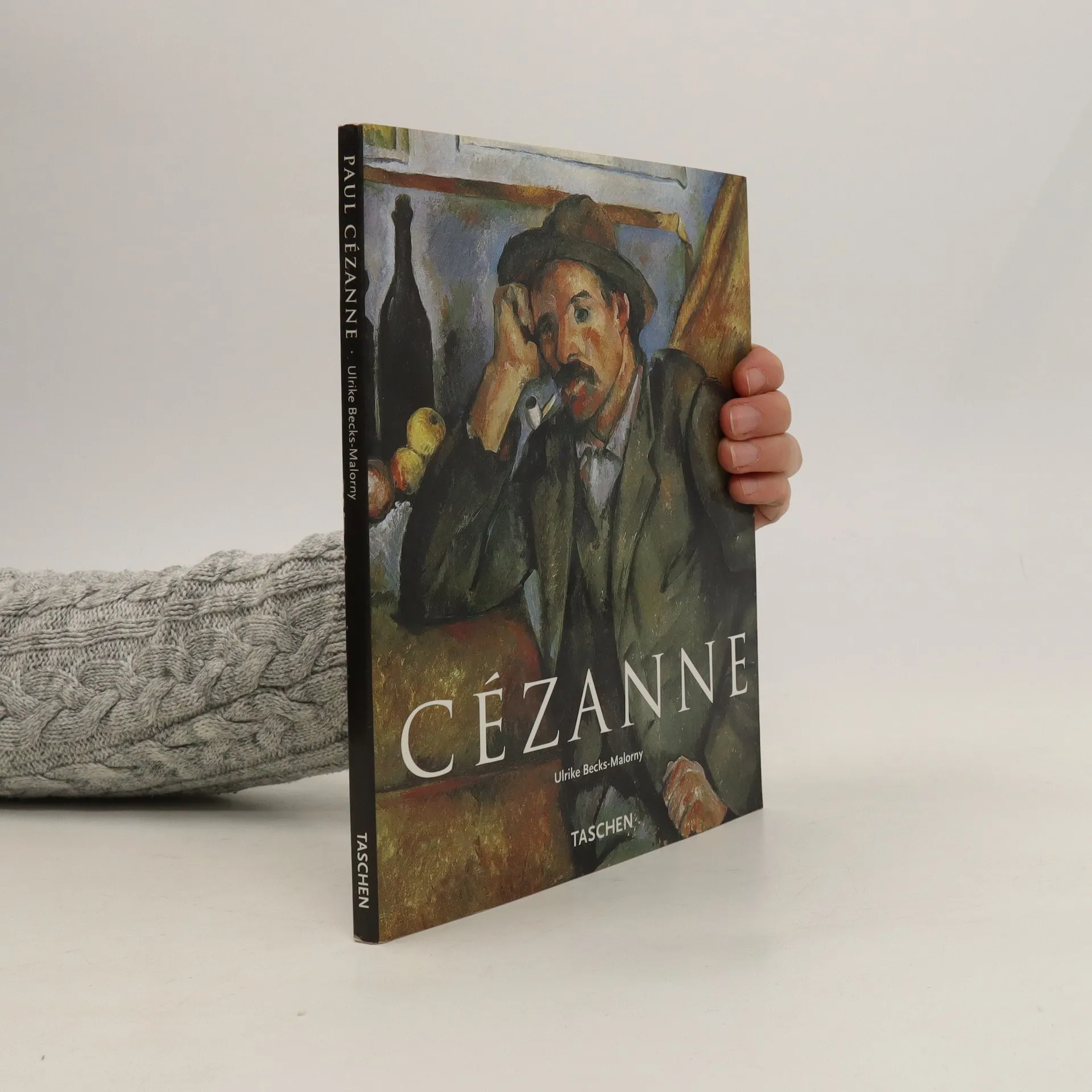
Liberación de la ilusión perspectiva, abstracción de la naturaleza en manchas de color, tematización de la superficie pictórica, el color como principal medio de composición, el juego con formas geométricas y la reducción de objetos a formas básicas como cubo, cilindro y círculo: Paul Cézanne, inicialmente influenciado por el romanticismo francés y el realismo temprano, avanzó rápidamente a través del siglo XIX. Mientras los impresionistas, con quienes simpatizaba, aún parpadeaban ante la luz del sol, él ya se dirigía hacia la modernidad. El color se convierte en su principal herramienta de composición. No es el dibujo ni el juego de luces y sombras lo que crea la estructura de la imagen, sino un sistema de marcas de color contrastantes que él denominó "modulación". Los bodegones y paisajes que Cézanne (1839–1906) creó en la segunda mitad del siglo XIX, principalmente en las exuberantes colinas de Aix-en-Provence, se convirtieron en obras centrales del arte moderno. Esta monografía del artista examina, a través de obras clave de su variado legado, cómo Cézanne, atormentado por dudas sobre sí mismo y destruyendo muchas de sus obras, desarrolló un tratamiento del color y un lenguaje de formas que tendrían un impacto decisivo en el arte moderno.
Ensor
- 96 páginas
- 4 horas de lectura
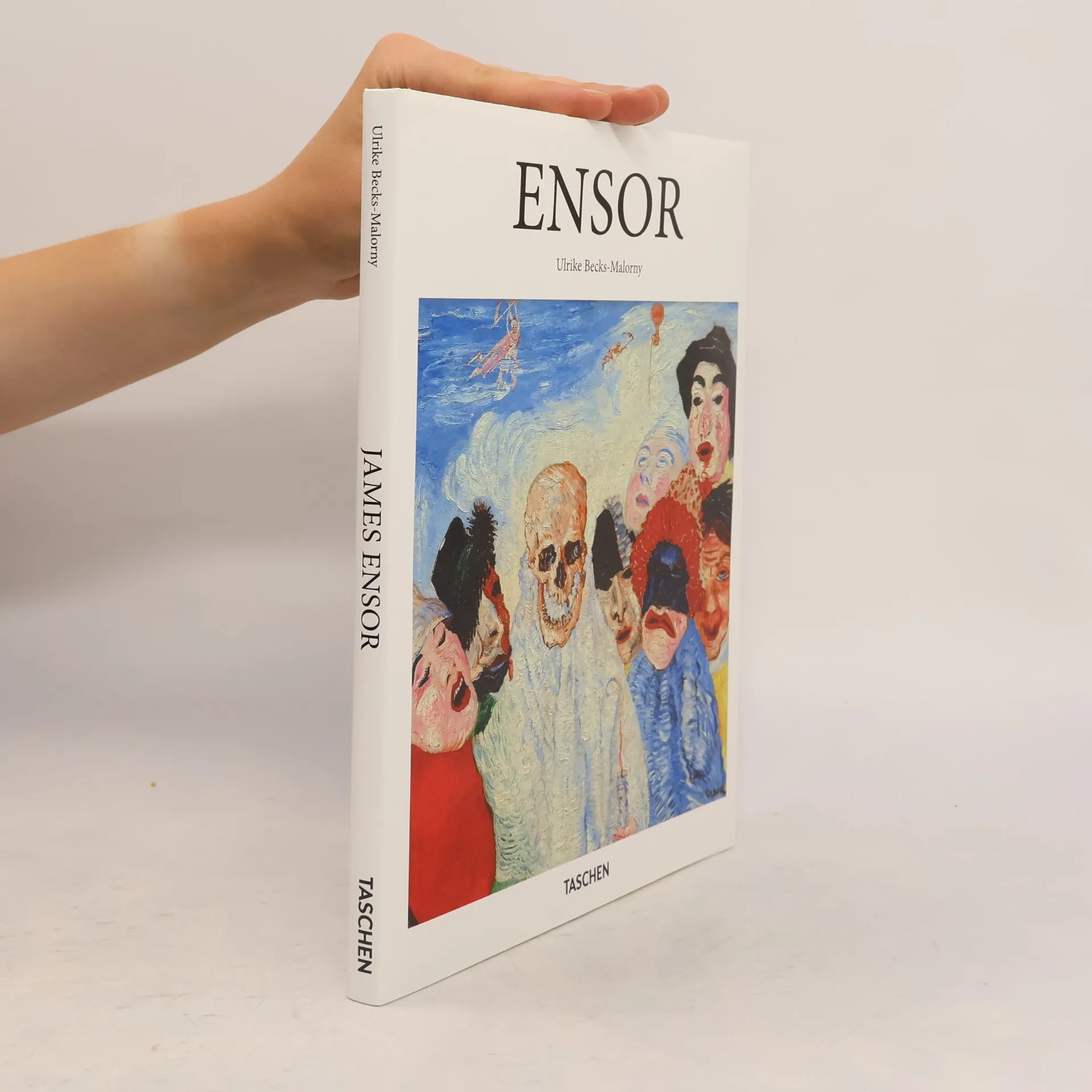
Enter the ominous and enigmatic world of masks, the macabre, and mockery as we explore Belgian maverick James Ensor's unique repertoire of ghoulish scenes and gallows humor. An Expressionist before the term was even coined, Ensor continues to influence generations of artists through his distinctively dark satire, which drew on a rich stylistic...
Lucio Fontana
- 96 páginas
- 4 horas de lectura
El artista italiano Lucio Fontana rompió literalmente con el arte moderno establecido. Formado en principio como escultor, Fontana (1899-1968) desdibujó los límites entre pintura y escultura creando una obra que combina tanto forma como color en un contexto espacial, ejemplificada de manera memorable en sus lienzos rasgados de los años cincuenta y sesenta. La obra de Fontana fue verdaderamente conceptual, en el sentido de que las ideas que quería expresar eran más importantes que la propia obra. Con títulos como Concetto Spaziale (Concepto Espacial) y Scultura Spaziale (Escultura Espacial), sus trabajos sirvieron como explicaciones visuales de sus ideas. Este libro recoge toda la trayectoria del artista abstracto pionero de Italia, desde sus primeras creaciones en colaboración con arquitectos, pasando por sus años en Buenos Aires (donde, a mediados de los años cuarenta, publicó entre otros los célebres "Manifiesto Blanco" y "Manifiesto técnico del Espacialismo"), hasta sus experimentales instalaciones de luz de principios de los años cincuenta y sus experimentos posteriores con medios diversos.
Gustave Courbet
- 96 páginas
- 4 horas de lectura
El estilo de Courbet fue revolucionario, con colores oscuros y pinceladas pesadas, y la elección de temas que representaban la vida de la gente de a pie tratada de un modo nada sentimental, práctico. Su influencia en vida fue enorme; en 1872 se le ofreció la cruz de la Legión de Honor pero la rechazó. Siempre enfrentado con la autoridad, ya fuese artística o política, Courbet llegó a ser miembro de la Comuna de París, estuvo en prisión durante un corto periodo de tiempo y se vio obligado a huir a Suiza en los últimos años de su vida.
Bruegel
- 96 páginas
- 4 horas de lectura
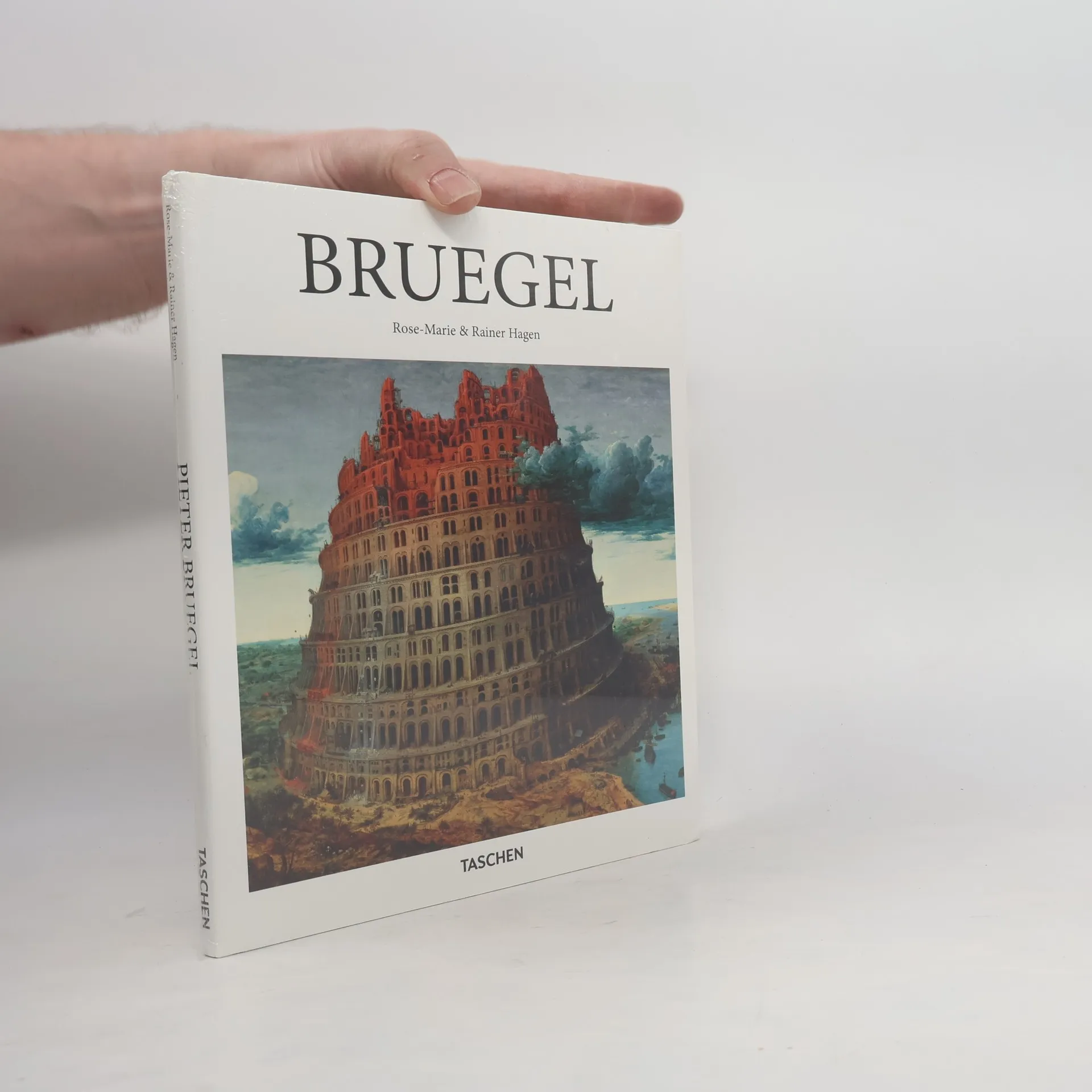
With an acute sense of observation and subjects ranging from the biblical tower of Babel to the small-town festivals of peasant life, the master draftsman Pieter Bruegel the Elder provides a unique witness to both the religious mores and the close-knit folk culture of his time.
Alexander Calder, 1898 - 1976
- 96 páginas
- 4 horas de lectura
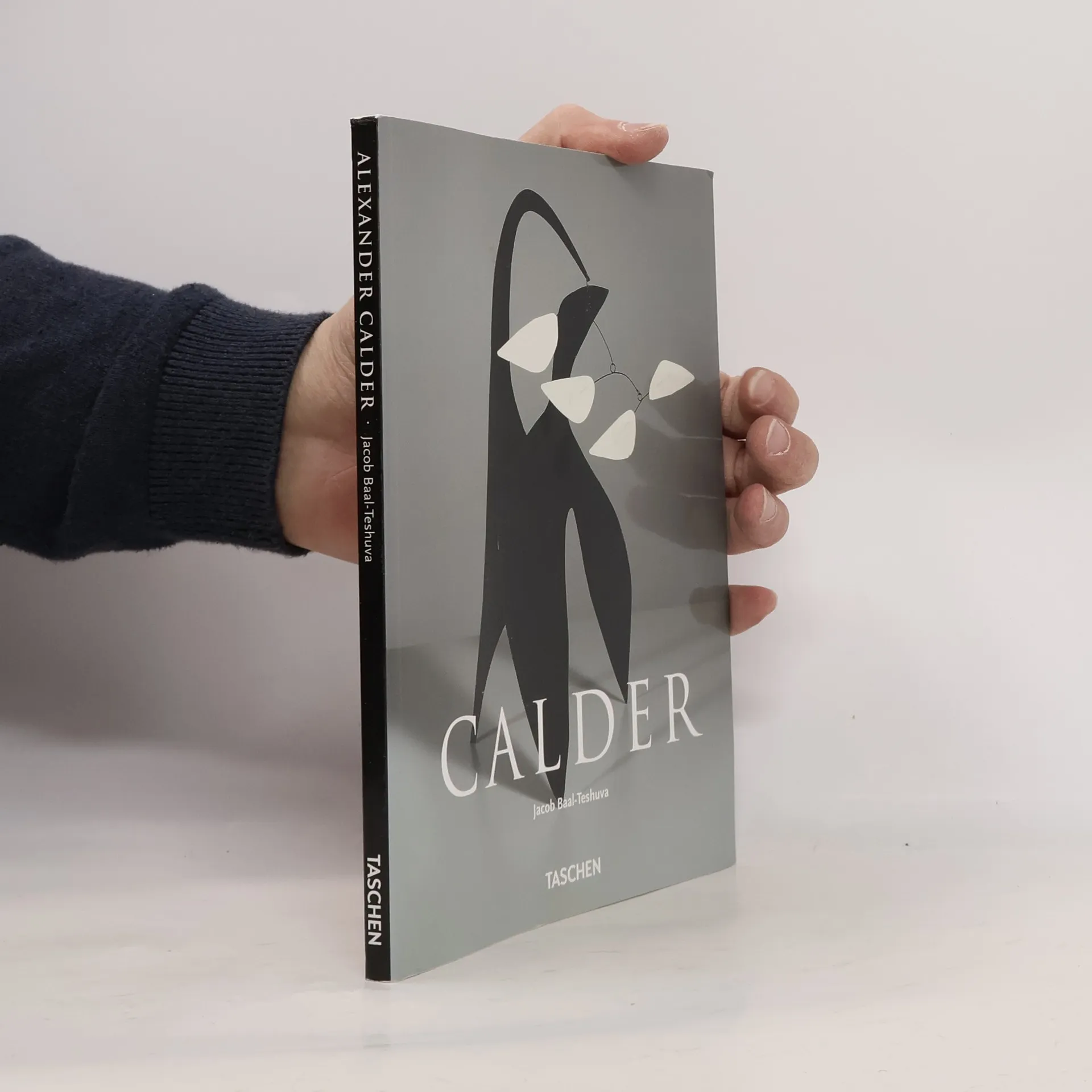
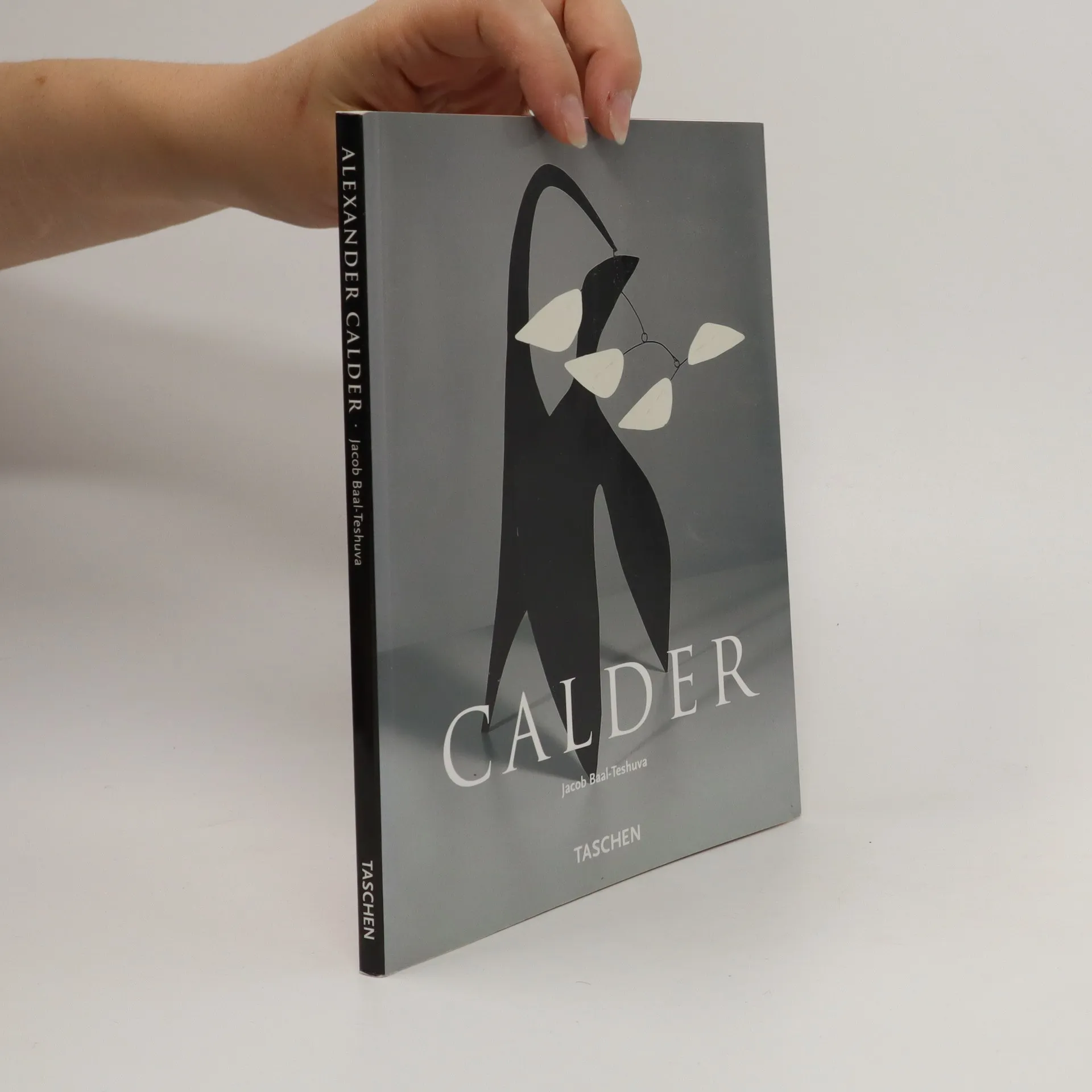
¿Por qué el arte debe ser estático? La próxima etapa es la escultura en movimiento. ALEXANDER CALDER 1898-1976 rompe las reglas de las artes plásticas, inventando el móvil suspendido en el techo, que se anima con el más mínimo corriente de aire. Sus "stabiles", monumentales y erigidos en plazas públicas de numerosas ciudades alrededor del mundo, son casi tan conocidos. Esta obra presenta además esculturas de alambre, pinturas, gouaches, tapices y joyas, e incluso coches y aviones pintados.
Yves Klein
- 96 páginas
- 4 horas de lectura
En la década de 1950, Yves Klein revolucionó el arte con su estilo único y carisma. Produjo más de 1000 obras en siete años, destacándose por sus grandes lienzos monocromáticos en un azul patentado. Klein exploró la materialidad y la infinitud, utilizando técnicas innovadoras como "pinceles vivos" en sus performances.
Mark Chagall
- 279 páginas
- 10 horas de lectura
Henry Miller beschrieb Marc Chagall einmal als einen "Dichter mit den Flügeln eines Malers." Die Seiten von Chagall sind gefüllt mit Bildern, die die Worte des Schriftstellers wahr machen. Obwohl Chagall hauptsächlich als Maler in Erinnerung bleibt, drückte sich seine künstlerische Vision in vielen anderen Formen aus, darunter Skulpturen, Mosaiken und die Glasfenster, die das Art Institute of Chicago sowie Synagogen und Kirchen in Europa und den Vereinigten Staaten schmücken. Der Band gewährt den Lesern Einblicke in sein umfangreiches Werk und die Möglichkeit, Chagall auf seinem Weg von seinen frühen Jahren in Russland nach Paris, in die Vereinigten Staaten und zurück nach Frankreich zu begleiten. In dieser Zeit flirtete seine Malerei mit den verschiedenen Kunstbewegungen um ihn herum – insbesondere dem Surrealismus und dem Fauvismus – aber seine dominierenden Themen blieben über die sieben Jahrzehnte, in denen er Kunst schuf, konstant. Chagalls Mystik, sein tiefes religiöses Empfinden und seine Verspieltheit werden in den hunderten von farbigen Bildern, die in diesem Band üppig reproduziert sind, offenbart. Der Kommentar des Chagall-Experten und Freundes Jacob Baal-Teshuva führt die Leser geschickt durch die verschiedenen Stimmungen und Medien des Künstlers und unterstreicht die Leidenschaft des Glaubens und der Gefühle, die all seine Kunstwerke prägten.
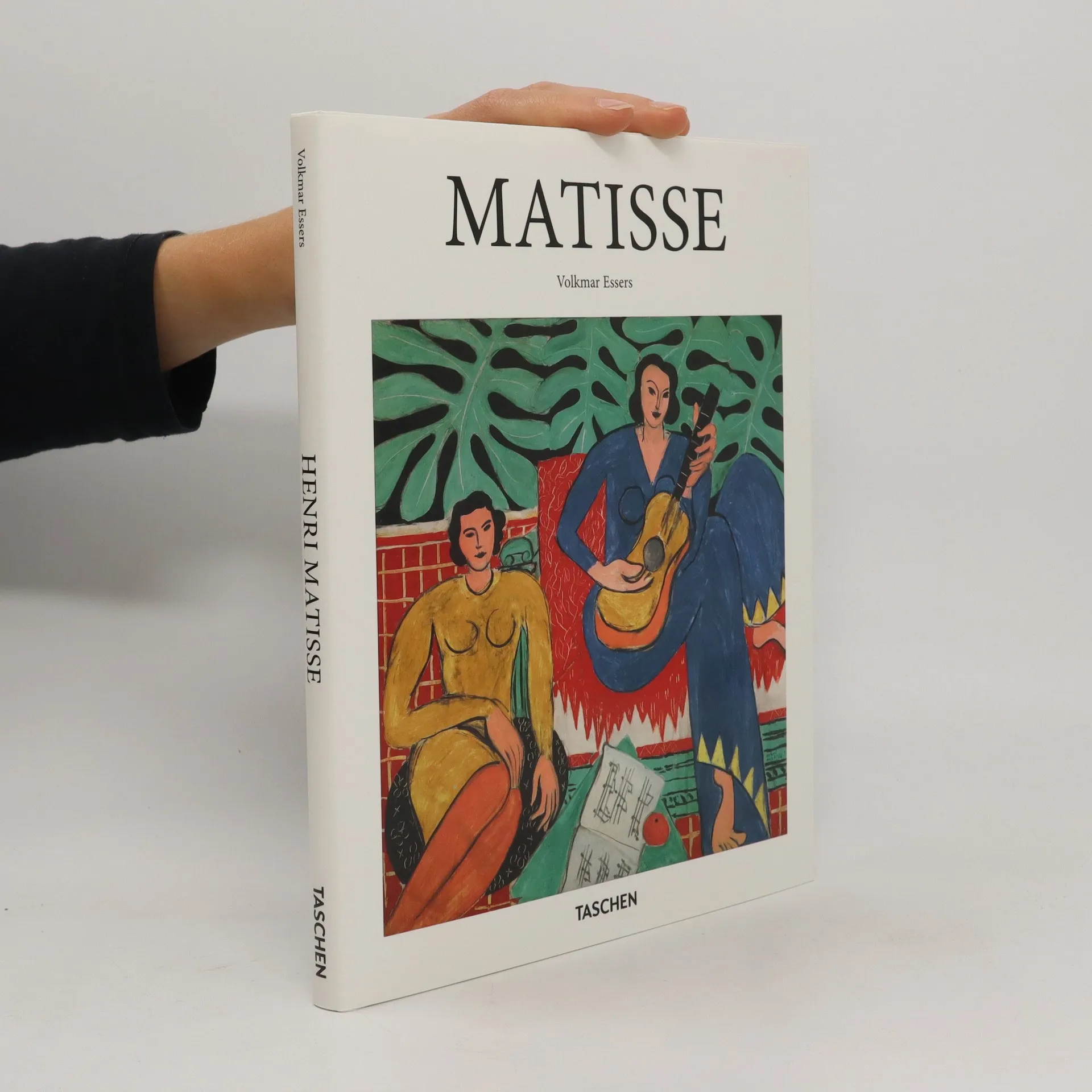
Henri Matisse, 1869-1954 : master of colour
- 96 páginas
- 4 horas de lectura
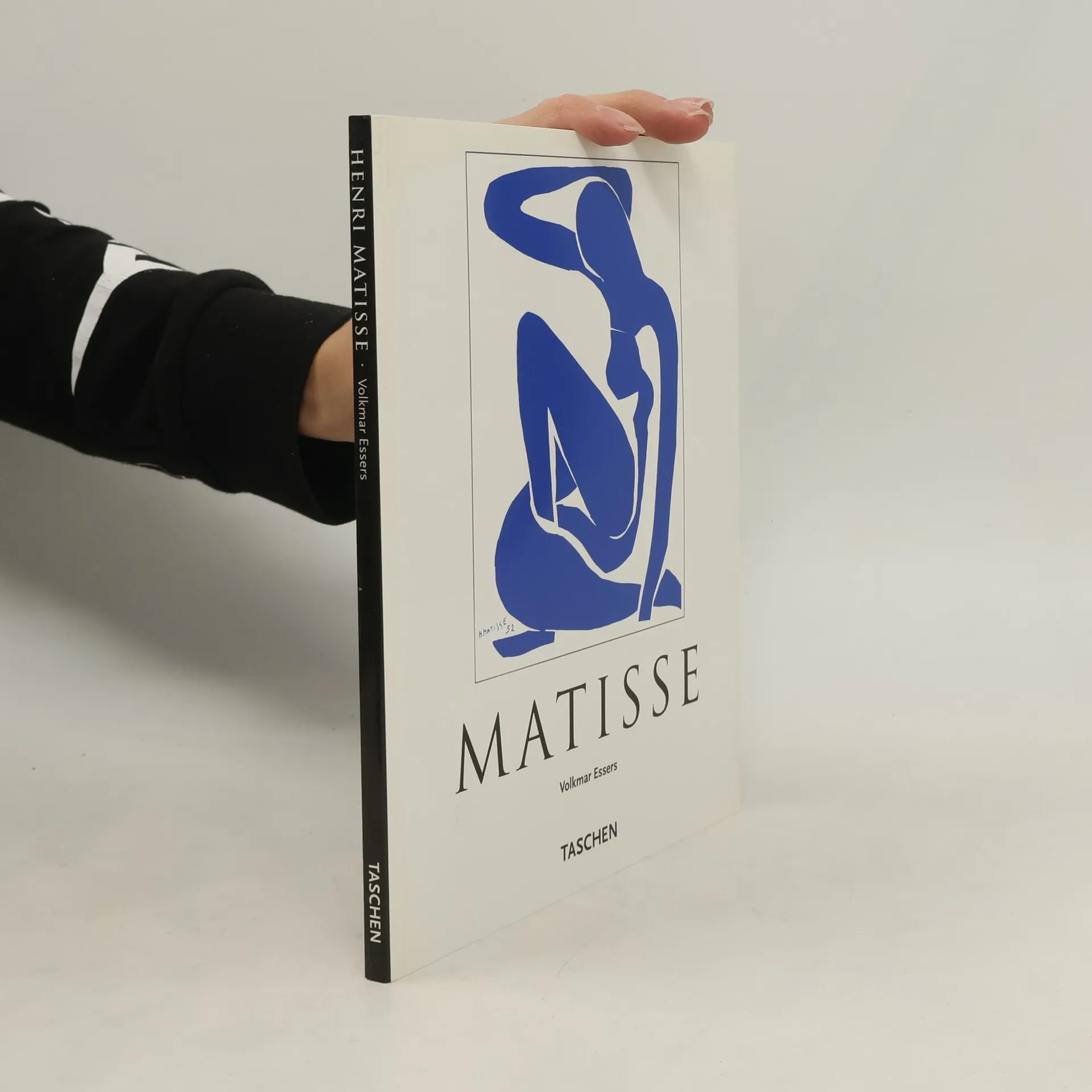
Henri Matisse (1869–1954), zentrale Figur des Fauvismus, war ein Einzelgänger, der zeitlebens nach dekorativer Formvereinfachung und der perfekten Synthese von Linie und Farbe strebte. Nach seiner fauvistischen Phase experimentierte er mit Kubismus und primitiver Kunst. Seine Reisen in den Orient und nach Polynesien bereicherten seine Arbeiten, die über die flache Leinwand hinausgingen: Er gestaltete Glasfenster, Wandgemälde, Bühnenbilder, Kostüme, Buchillustrationen sowie Skulpturen aus Bronze, Keramik und Ton. Durch den flächig-dekorativen und ornamentalen Einsatz von Farbe verlieh er ihr ein eigenständiges Dasein und wurde zum Vorbild für Künstler, die neue Wege jenseits der Abbildhaftigkeit suchten. Ein Höhepunkt seiner Kunst war der Scherenschnitt, den er im Alter aufgrund von Krankheit entdeckte. Hier entstanden farbenfrohe Collagen aus mit Gouachefarben bestrichenem Papier, die rhythmische Improvisationen darstellten. 20 dieser Werke wurden 1947 unter dem Titel Jazz als Künstlerbuch veröffentlicht, ein bedeutendes Werk des 20. Jahrhunderts und eine Krönung seiner kreativen Reise. Dieser Band verfolgt seinen künstlerischen Werdegang von Neoimpressionismus und Fauvismus bis hin zur reinen Farbfeldmalerei und lädt dazu ein, sich intensiver mit einem Künstler auseinanderzusetzen, dessen Einfluss auf die Moderne enorm ist.
Alexander Calder. 1898-1976
- 95 páginas
- 4 horas de lectura
When the final tally of key movers in the plastic arts of this century is compiled, there is no doubt that maestro of movement Alexander Calder (1898-1976), the man who put the swing into sculpture, will be near numero uno. Calder took it off the plinth, gave it to the wind, and left us kinetic playgrounds of the spirit. He operated at the point where Modernity and nature Fused, developing an environmental art that changed the medium Forever. Visiting his Paris atelier in 1932, Duchamp coined the term "Mobiles" For Calder's delicate wire and disc pieces, constructions that would soon become immensely popular. But he didn't rest on his innovations. Friends with Miro, Mondrian and Leger, Calder also turned his hand to painting, drawing, gouaches, toys, textiles and utensil design. A graphic master who sketched as much in air as in ink, the Sixties and Seventies saw Calder take on the monumental, translating the dynamics of cities into both his Mobiles and "Stabiles". At a time when sculpture was perceived to be the antithesis of movement, Calder unmade gravity and freed the elements in a body of work that is still sending a wind of change through the art world today.
Matisse
- 96 páginas
- 4 horas de lectura
Henri Matisse (1869–1954) es considerado una figura central del Fauvismo, aunque fue un solitario que a lo largo de su vida buscó la simplificación decorativa de la forma y la perfecta síntesis de línea y color. Tras su fase fauvista, experimentó con influencias del Cubismo y el arte primitivo. Sus viajes al Oriente y a Polinesia influyeron en sus obras, que trascendieron el lienzo: creó vitrales, murales, escenografías, trajes, ilustraciones de libros y esculturas de bronce, cerámica y arcilla. A través de su uso decorativo y ornamental del color, otorgó a este una existencia propia y se convirtió en un modelo para artistas que buscaban nuevos caminos más allá de la representación. Un punto culminante de su arte fue su transición al corte de papel, cuando, debido a una enfermedad, ya no pudo pintar. Surgieron coloridas collages de gouache que se publicaron en 1947 bajo el título Jazz, considerado uno de los libros de artista más importantes del siglo XX. Este volumen sigue la trayectoria artística de Matisse desde el Neoimpresionismo y el Fauvismo hasta la pintura de campo de color puro, invitando a una reflexión más profunda sobre un artista cuyo impacto en la modernidad es inmenso.
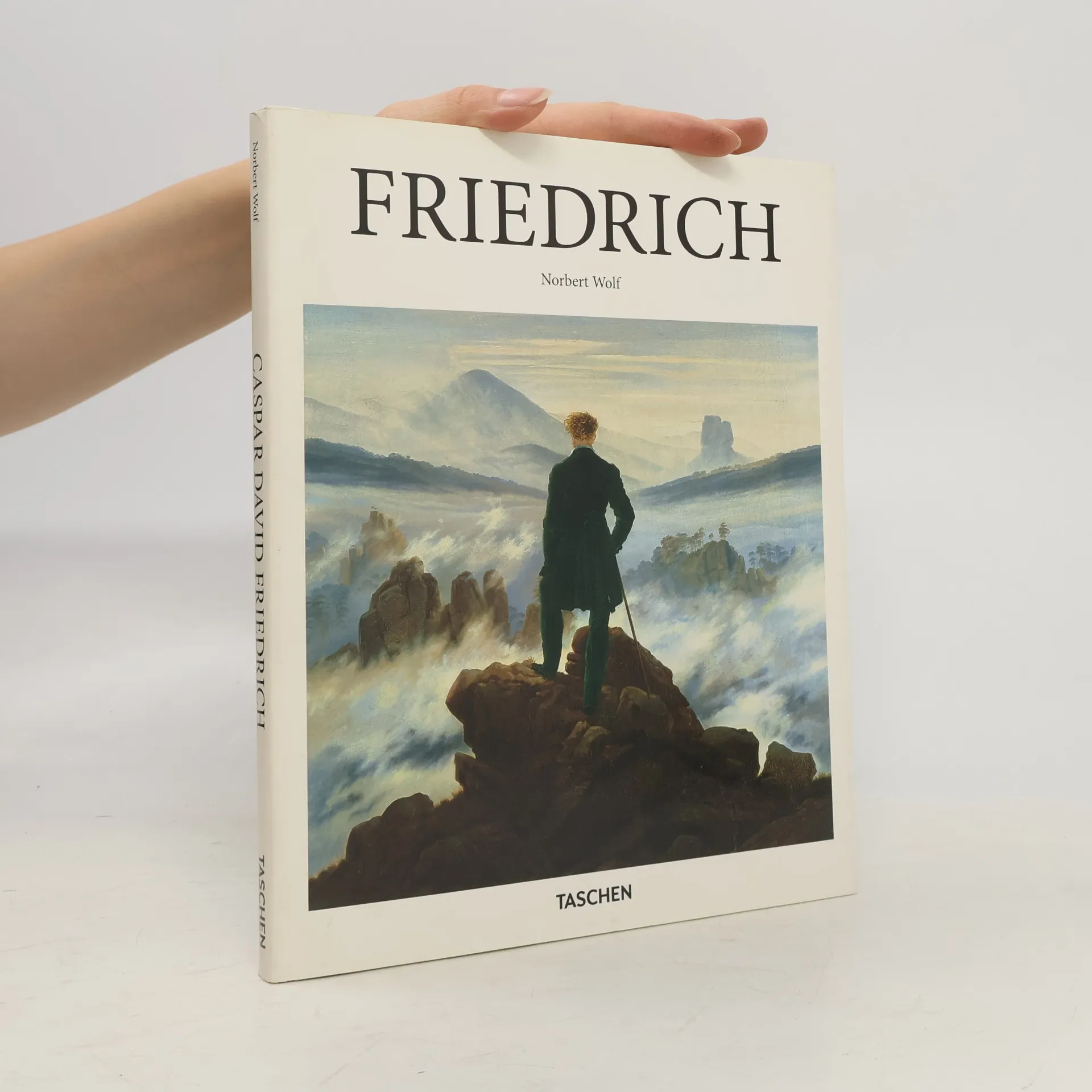
Caspar David Friedrich
- 96 páginas
- 4 horas de lectura
From night skies to morning mists to the much-cited Wanderer above a Sea of Fog, Caspar David Friedrich mastered the emotional and metaphysical experience of nature. This introductory book presents his most important and celebrated works to explore an oeuvre of sublime and haunting impact and a trailblazer of Romantic aesthetics.
Giuseppe Arcimboldo
- 80 páginas
- 3 horas de lectura
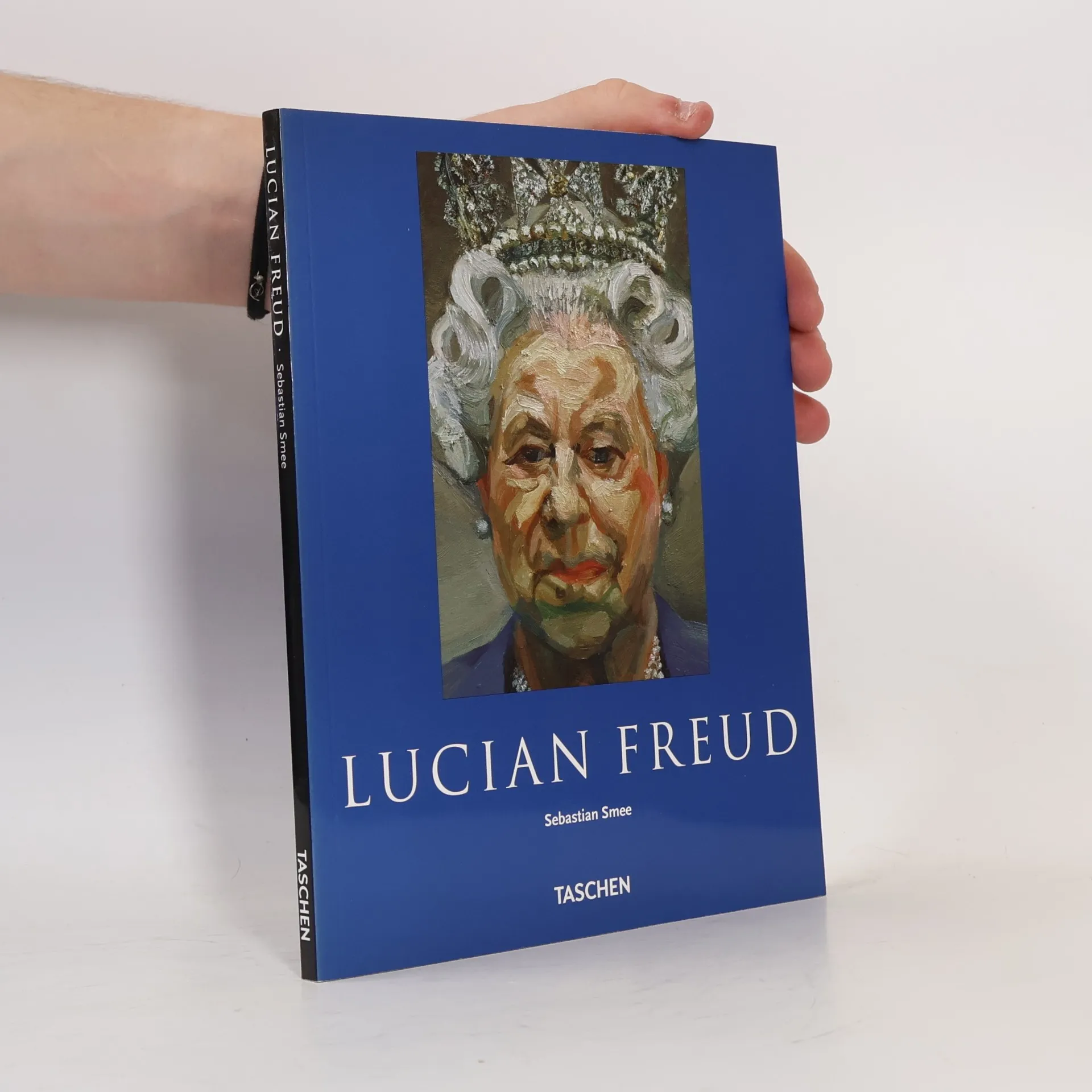
Unflinching truth British artist Lucian Freud (1922–2011) was widely considered the most important figurative painter of his generation. Master portraitist and specialist in nudes, Freud used impasto to create depth and intensity while restraining his color palate to mostly muted hues. His portraits may be physically unflattering to their subjects, but they are honest, frank, and unapologetic. "I paint people," Freud said, "not because of what they are like, not exactly in spite of what they are like, but how they happen to be." About the Each book in TASCHEN’s Basic Art series
Edgar Degas
- 96 páginas
- 4 horas de lectura
Libro ilustrado sobre la vida y obra del pintor francés Edgar Degas (1834-1917). A través de una cuidadosa selección de imágenes y textos, se exploran las diversas facetas de su carrera artística, desde sus inicios hasta su legado. Degas es conocido por su innovador enfoque en la representación del movimiento y la captura de la vida cotidiana, especialmente en sus célebres obras sobre bailarinas y escenas de la vida urbana. Este volumen ofrece una visión profunda de su técnica, estilo y la evolución de su arte, así como el contexto histórico y cultural en el que trabajó. La obra invita al lector a apreciar no solo la belleza de sus pinturas, sino también la complejidad de su proceso creativo y su influencia en el desarrollo del arte moderno.
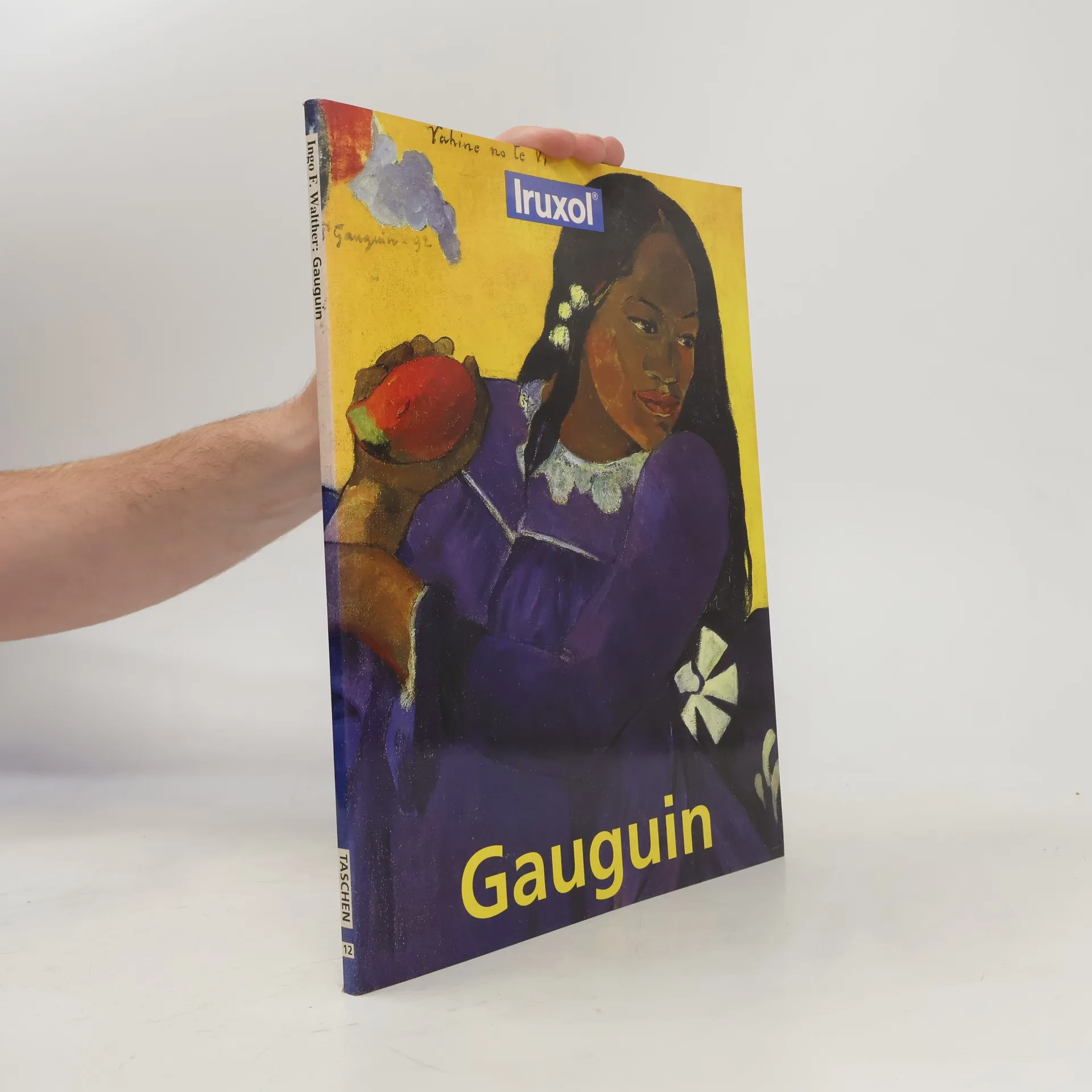
Traces the career of the post-Impressionist whose principles of color & composition strongly influenced modern paintin~~g, from his earliest works to his signature South Seas paintings of island life. Chronology. 9" x 11 3/4". Full-color plates & b&w illus.
Francisco Jose de Goya y Lucientes (1746-1828), one of Spain's most revered and controversial painters, is known for his intense, chilling, and sometimes grotesque paintings depicting the injustice of society with brutal sincerity. This book features a detailed chronological summary of the artist's life and work.