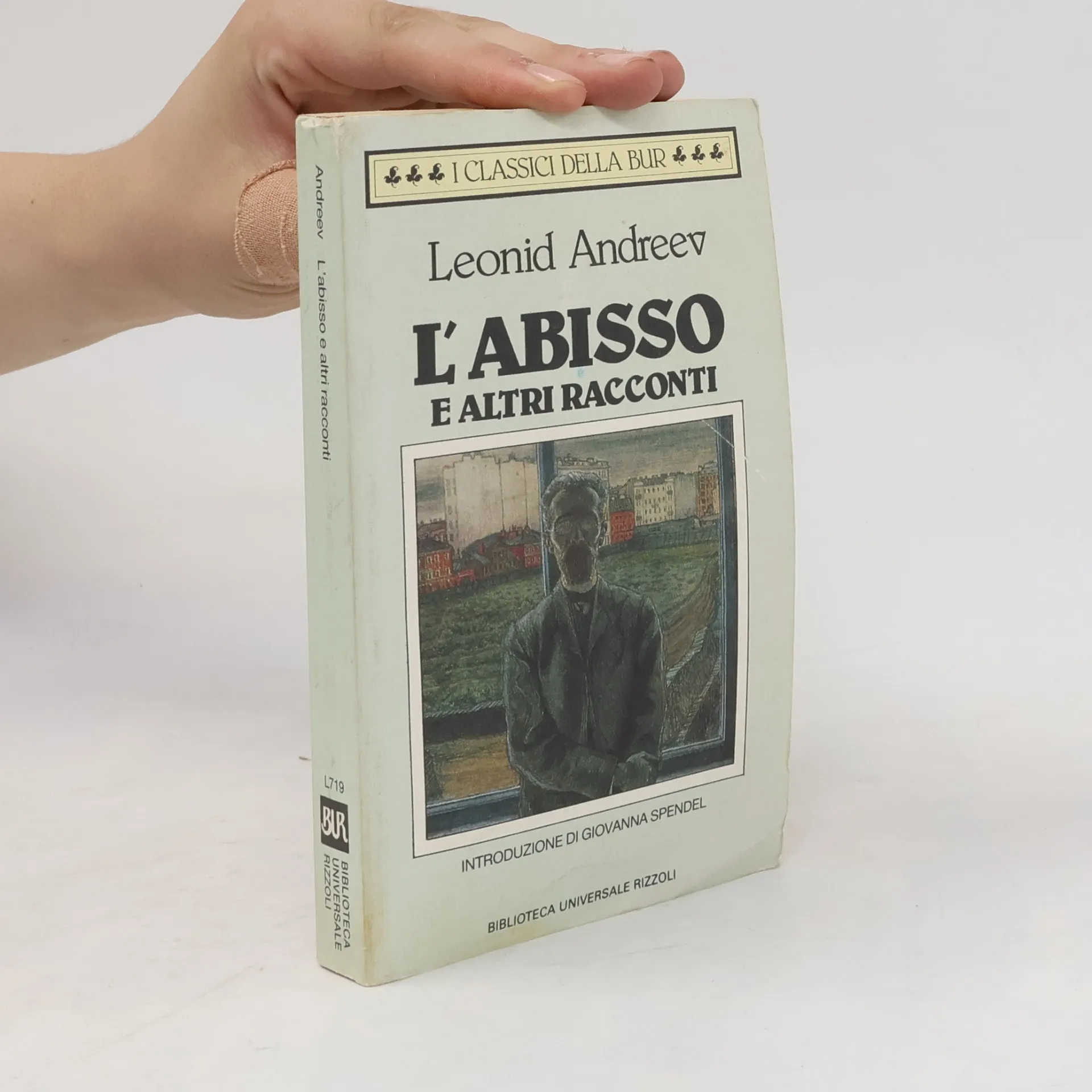
Leonid Andreev (1871-1919) appartiene agli autori più noti e più controversi della letteratura russa, ai suoi tempo confortato da un successo di pubblico che può essere paragonato a quello di un Tolstoj o di un Cechov... Contiene: I sette impiccati L'abisso Giuda Iscariota Lazzaro I cristiani Dies irae Così fu
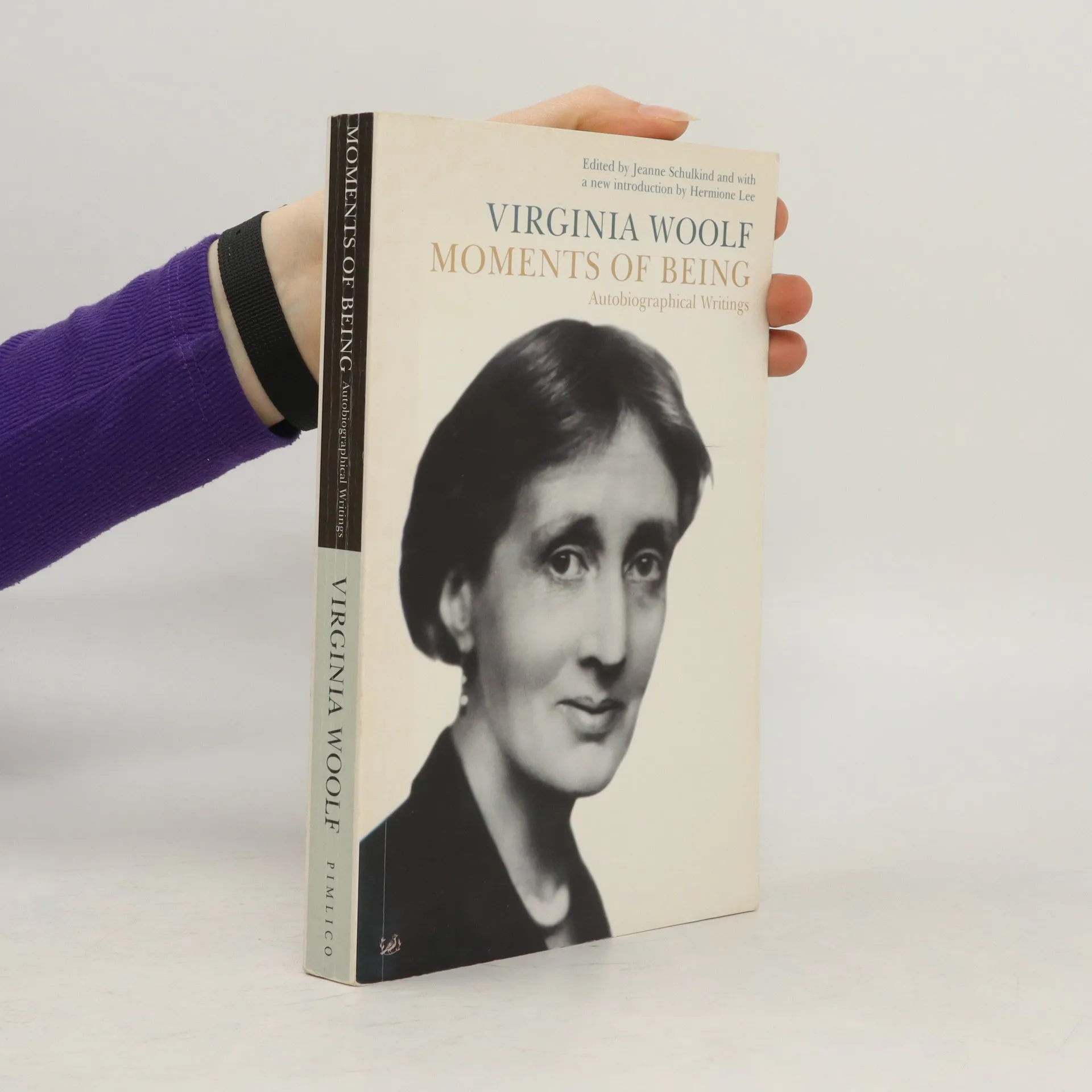
Virginia Woolf's only autobiographical writing is to be found in this
collection of five unpublished pieces. Readers will be struck by the extent to
which she drew on these early experiences for her novels, as she tells how she
exorcised the obsessive presence of her mother by writing To the Lighthouse.
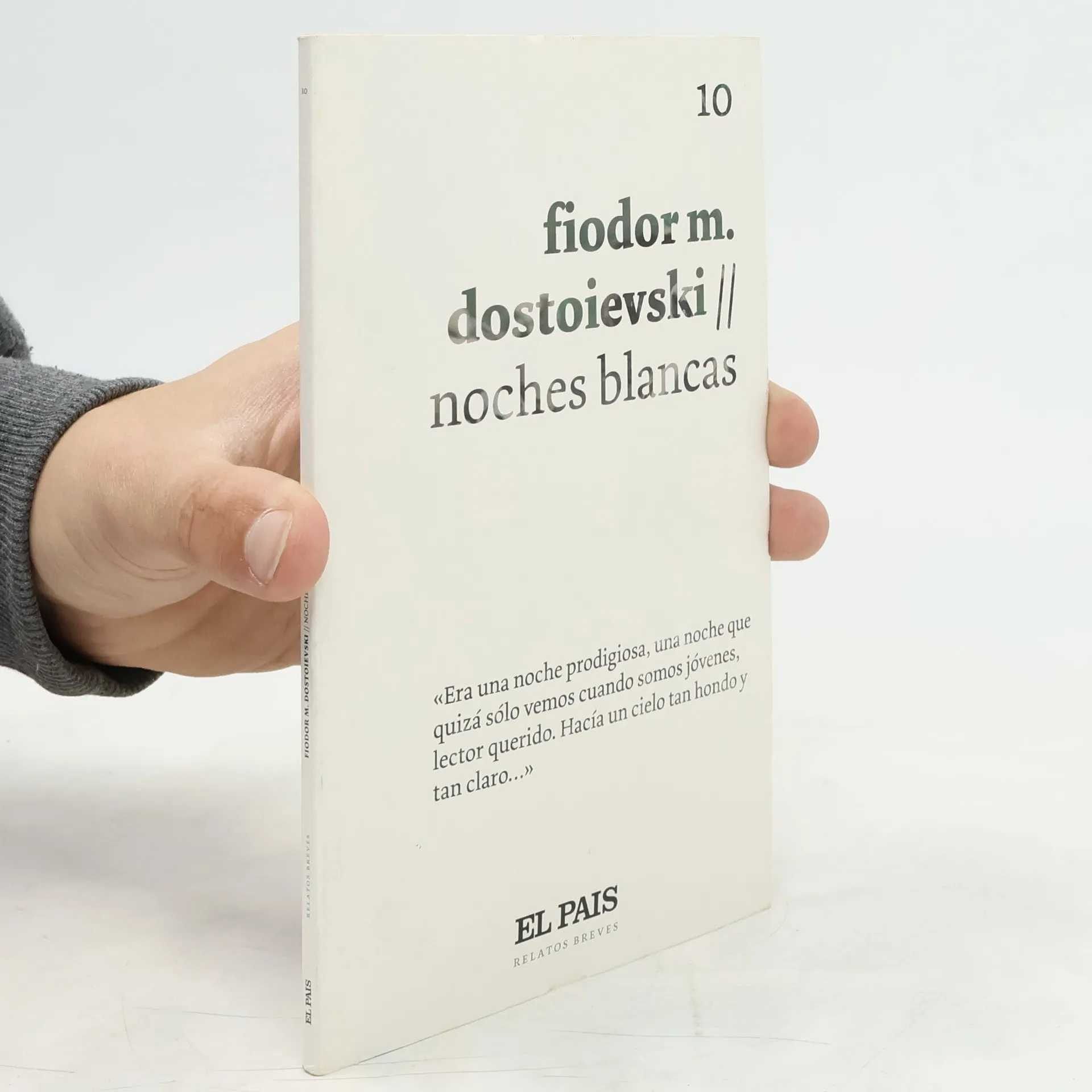
Fiodor M. Dostoievski (Moscú, 1821-San Petersburgo, 1881), autor de magistrales novelas como Crimen y castigo o Los hermanos Karamazov, es considerado uno de los más grandes escritores de la literatura rusa. Su prosa, apasionada y dramática, fue precursora del existencialismo y del expresionismo. Noches blancas, que fue llevada al cine en 1957 por Luchino Visconti, es una melancólica novela de misterio y desamor.
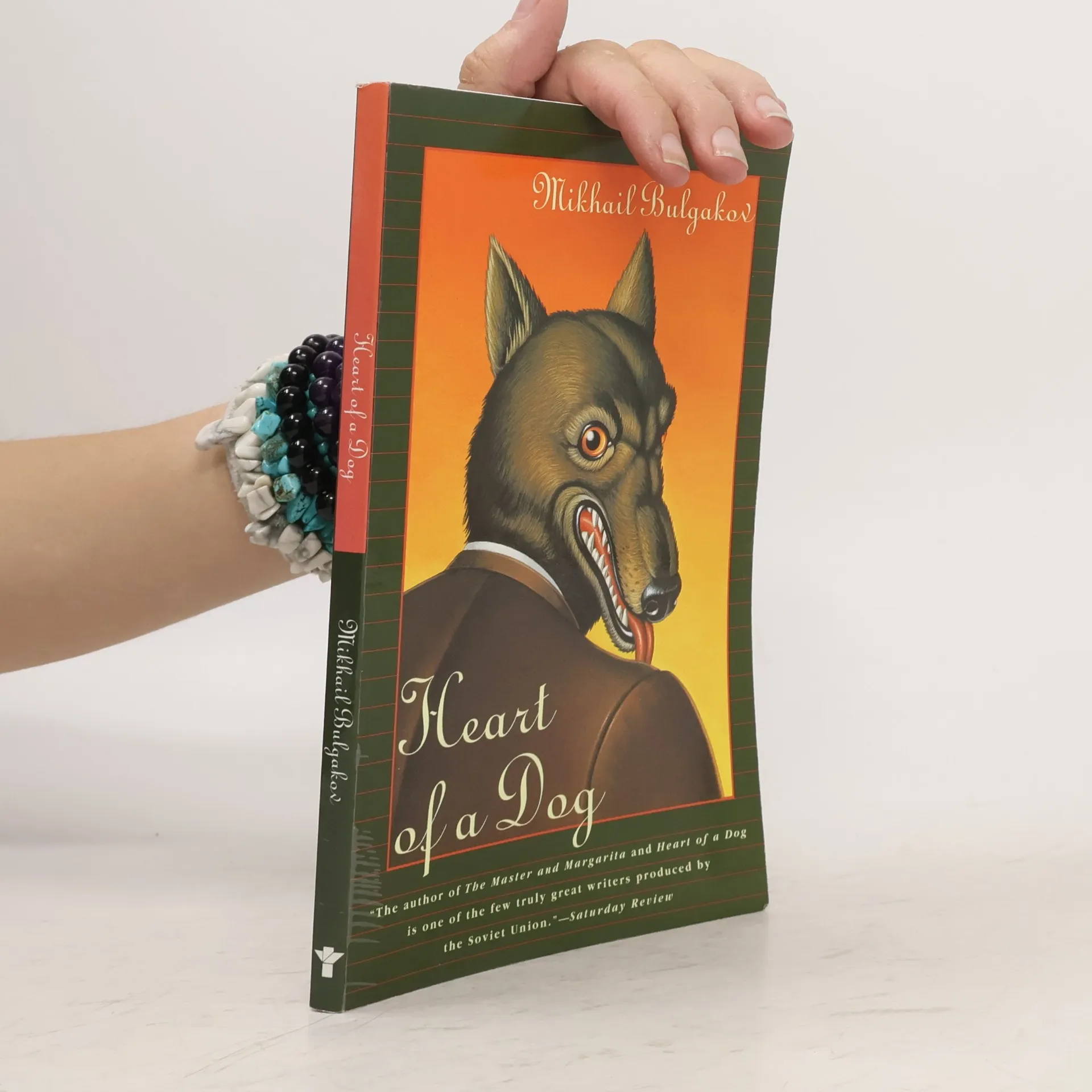
Mikhail Bulgakov's absurdist parable of the Russian Revolution. A world-famous Moscow professor -- rich, successful, and violently envied by his neighbors -- befriends a stray dog and resolves to achieve a daring scientific first by transplanting into it the testicles and pituitary gland of a dead man. But the results are wholly unexpected: a distinctly and worryingly human animal is on the loose, and the professor's hitherto respectable life becomes a nightmare beyond endurance. As in The Master and Margarita , the masterpiece he completed shortly before his death, Mikhail Bulgakov's early novel, written in 1925, combines outrageously grotesque ideas with a narrative of deadpan naturalism. The Heart of a Dog can be read as an absurd and wonderfully comic story; it can also be seen as a fierce parable of the Russian Revolution.
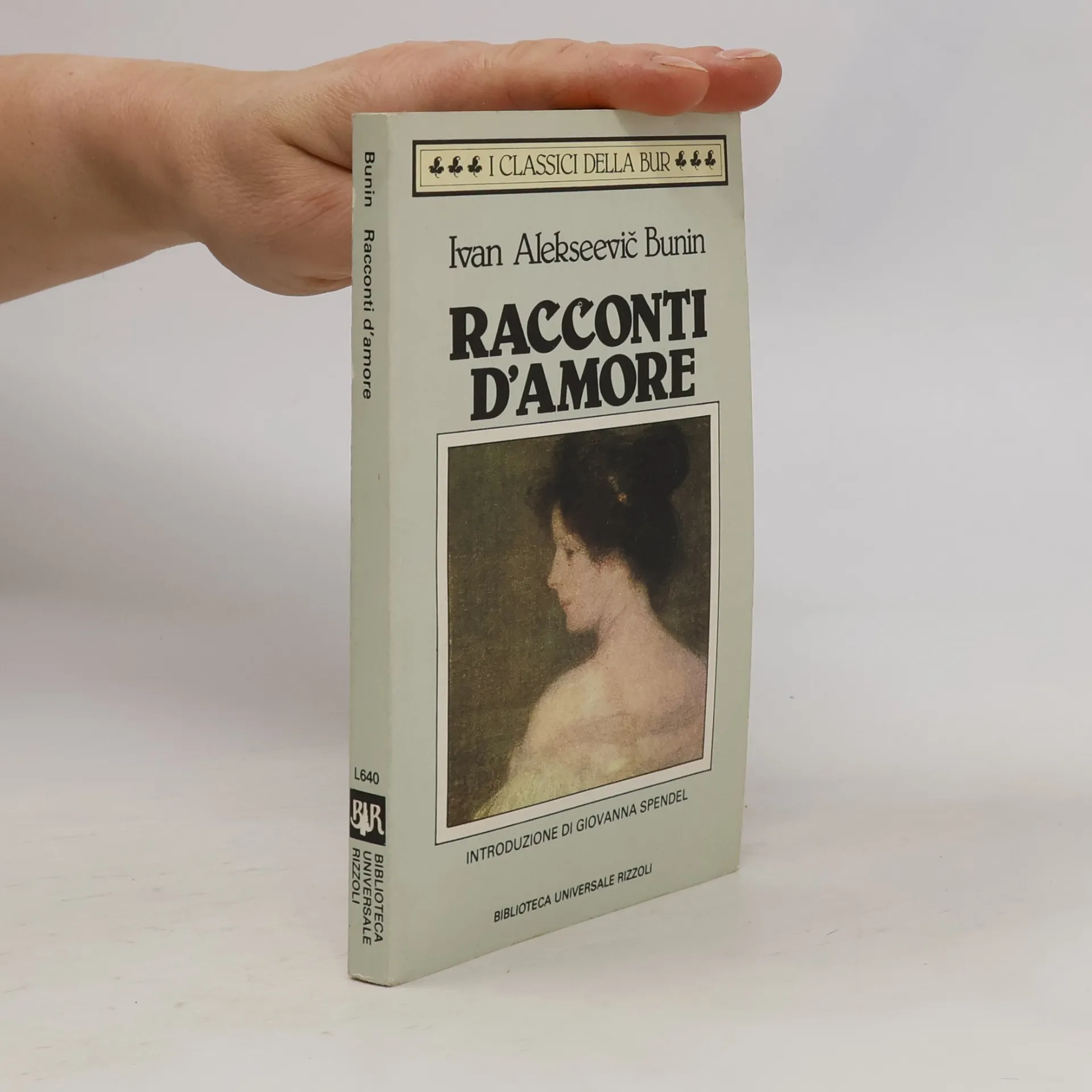
I Racconti qui riuniti furono quasi tutti, meno quattro, scritti tra il 1920 e il 1944, quando l'autore si trovava già lontano dal suo paese, emigrato politico in Francia: in questi racconti la tematica é l'amore. Poeta in prosa dell'eros, Bunin fu certamente uno dei primi scrittori russi a non esercitare una censura sull'amore.