Un pionero explorador polar de finales del siglo XIX, cuyas expediciones alteraron irrevocablemente nuestra comprensión de los polos de la Tierra. Sus audaces viajes y su inquebrantable determinación lo catapultaron a los anales de la historia como la primera persona en alcanzar tanto el Polo Norte como el Polo Sur, y en atravesar con éxito el Paso del Noroeste. La obra de este autor ofrece así una fascinante visión del duro pero magnífico mundo de las regiones polares, encarnando el espíritu de la inventiva y la perseverancia humanas.
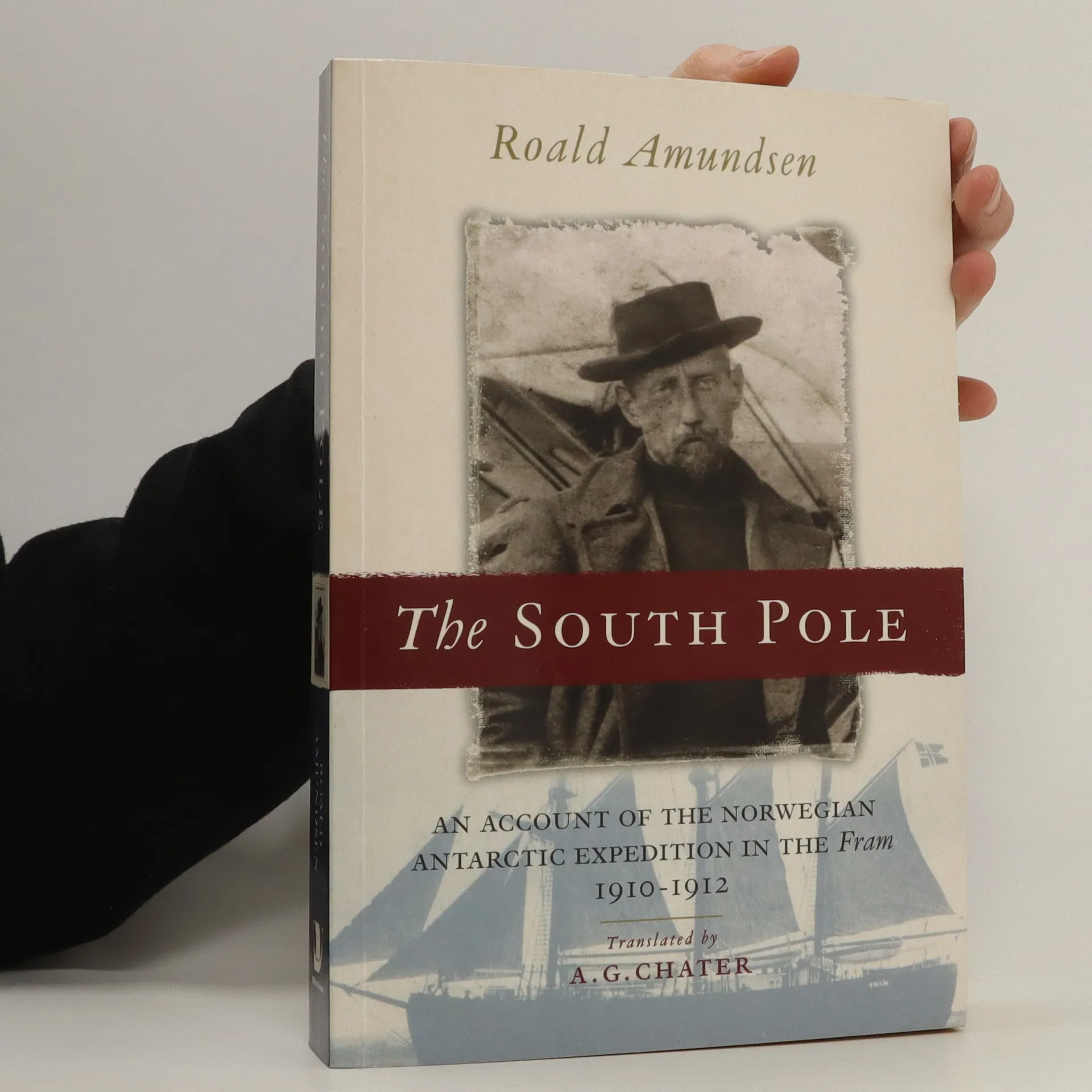
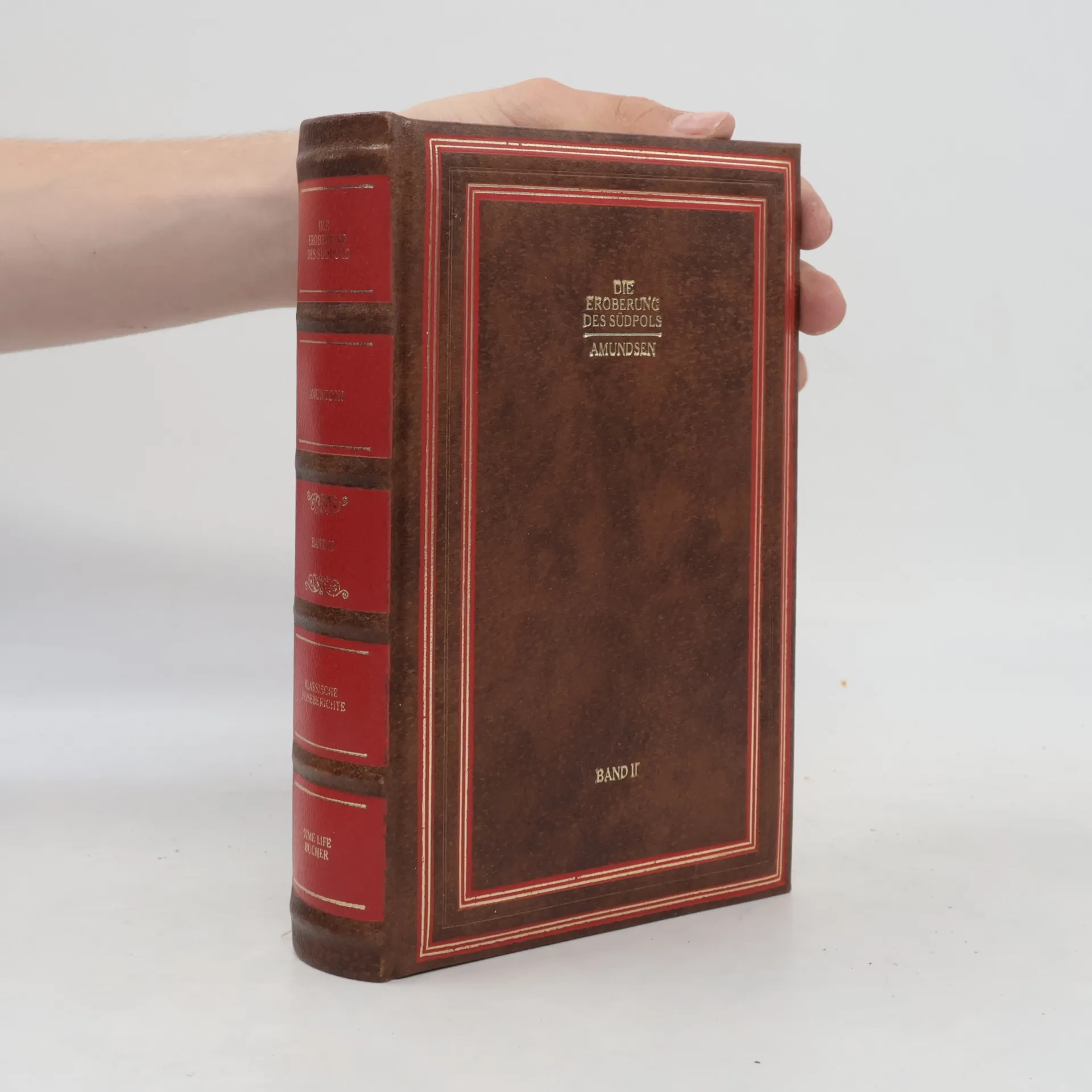
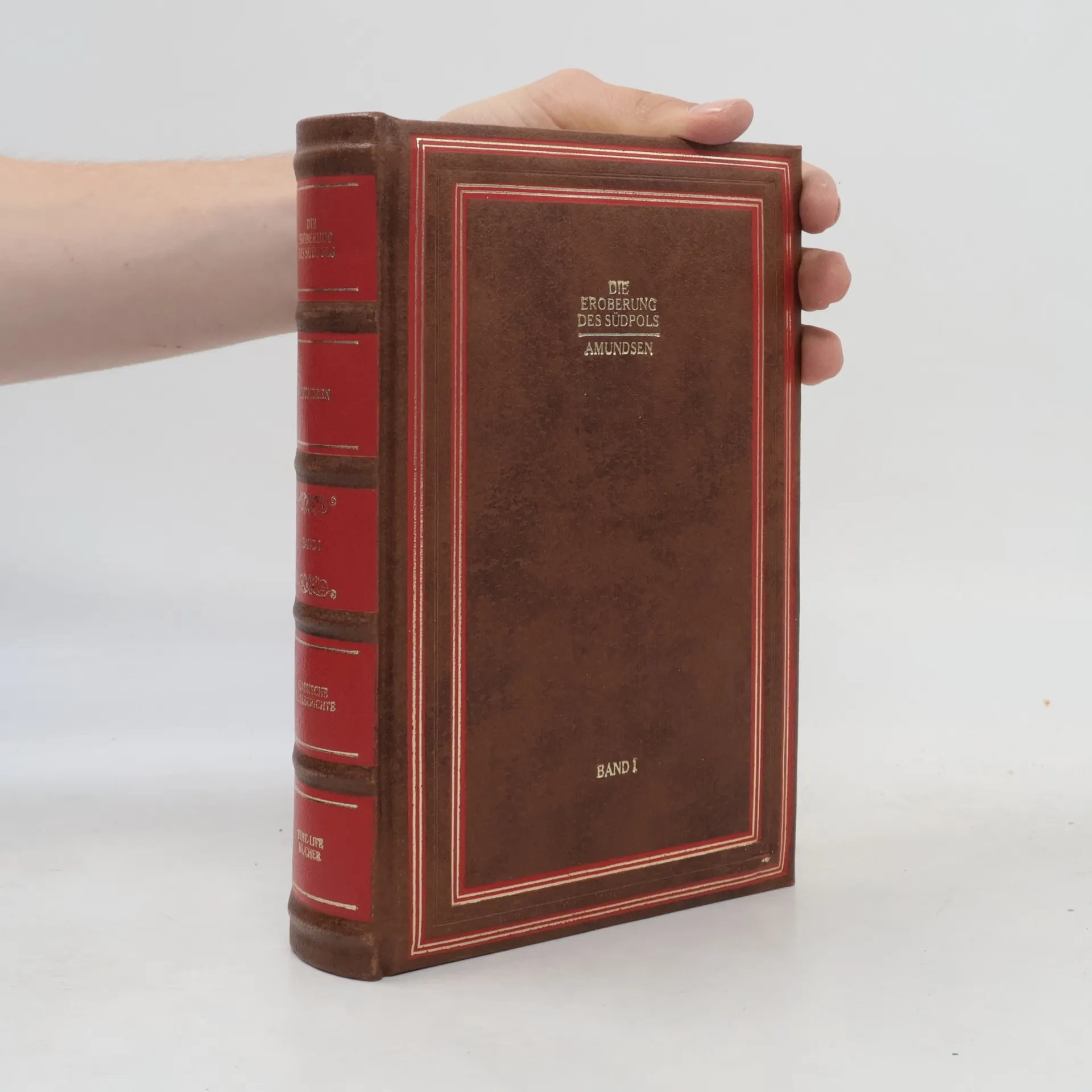
Focusing on the Norwegian Antarctic expedition aboard the "Fram" from 1910 to 1912, this classic account offers a detailed narrative of the challenges and discoveries faced during the journey to the South Pole. Recognizing its historical significance, the book has been meticulously reformatted and retyped for clarity and readability, ensuring that its valuable insights remain accessible to contemporary and future readers.
Focusing on the Norwegian Antarctic expedition aboard the "Fram" from 1910 to 1912, this classic account offers a detailed narrative of exploration and adventure in one of the most challenging environments on Earth. The republished Volume II has been meticulously reformatted and retyped to ensure clarity and readability, preserving its historical significance for contemporary and future readers. The effort to maintain this work highlights its importance in the annals of human exploration.
At last we got away, on October 19. The weather for the past few days had not been altogether reliable; now windy, now calm - now snowing, now clear: regular spring weather, in other words... With this matter of fact sentence begins one of the most famous journeys in all exploration - Amundsen's conquest of the South Pole. The details of the tragic race with Scott are well known, but often forgotten is the sheer professionalism and courage which drove the Norwegian expedition on. Unlike the driven and tortured egos which bedeviled the British expeditions, the Norwegians worked purposefully as a team using the latest technology, and Amundsen acknowledges this openly when the Pole was finally achieved. I had determined that the act of planting it [the flag] - the historic event - should be equally divided among us all. It was not for one man to do this; it was for all who had staked their lives in the struggle, and held together through thick and thin. This was the only way in which I could show my gratitude to my comrades in this desolate spot... Five weather-beaten, frostbitten fists they were that grasped the pole, raised the waving flag in the air, and planted it as the first at
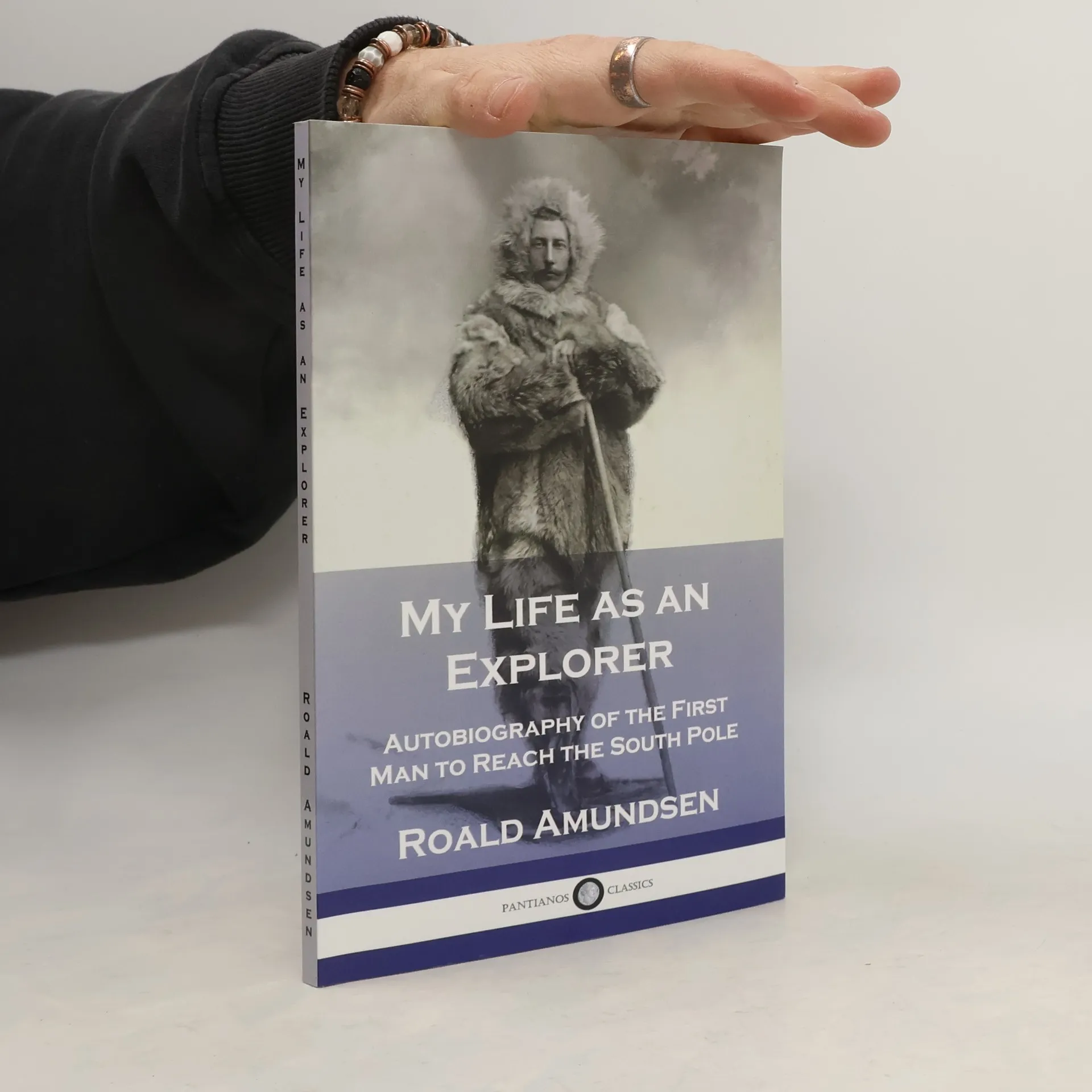
My life as an Explorer is a classic of Polar literature, written by the one man to do more to further the exploration of both Polar regions than any other person. First sailing to the Antarctic in the 1899 Belgian expedition, Amundsen never lost his passion for exploring, following this trip with a journey around the top of Canada to prove the existence of the North West Passage between 1903 and 1906. Setting sail for the Antarctic a full month or so after Scott, Amundsen still managed to beat the British team to the Pole by a full month. Making a lot of money out of shipping during the First World War, Amundsen followed his epic journeys by being only the second man to travel around d the to of Siberia from Atlantic to Pacific oceans, then flying over the North Pole by airship. He died in 1928.
This collection focuses on republishing classic works from the early 1900s and earlier, which have become rare and costly. The editions are designed to be affordable while maintaining high quality, featuring the original text and artwork, making these timeless pieces accessible to a new generation of readers.
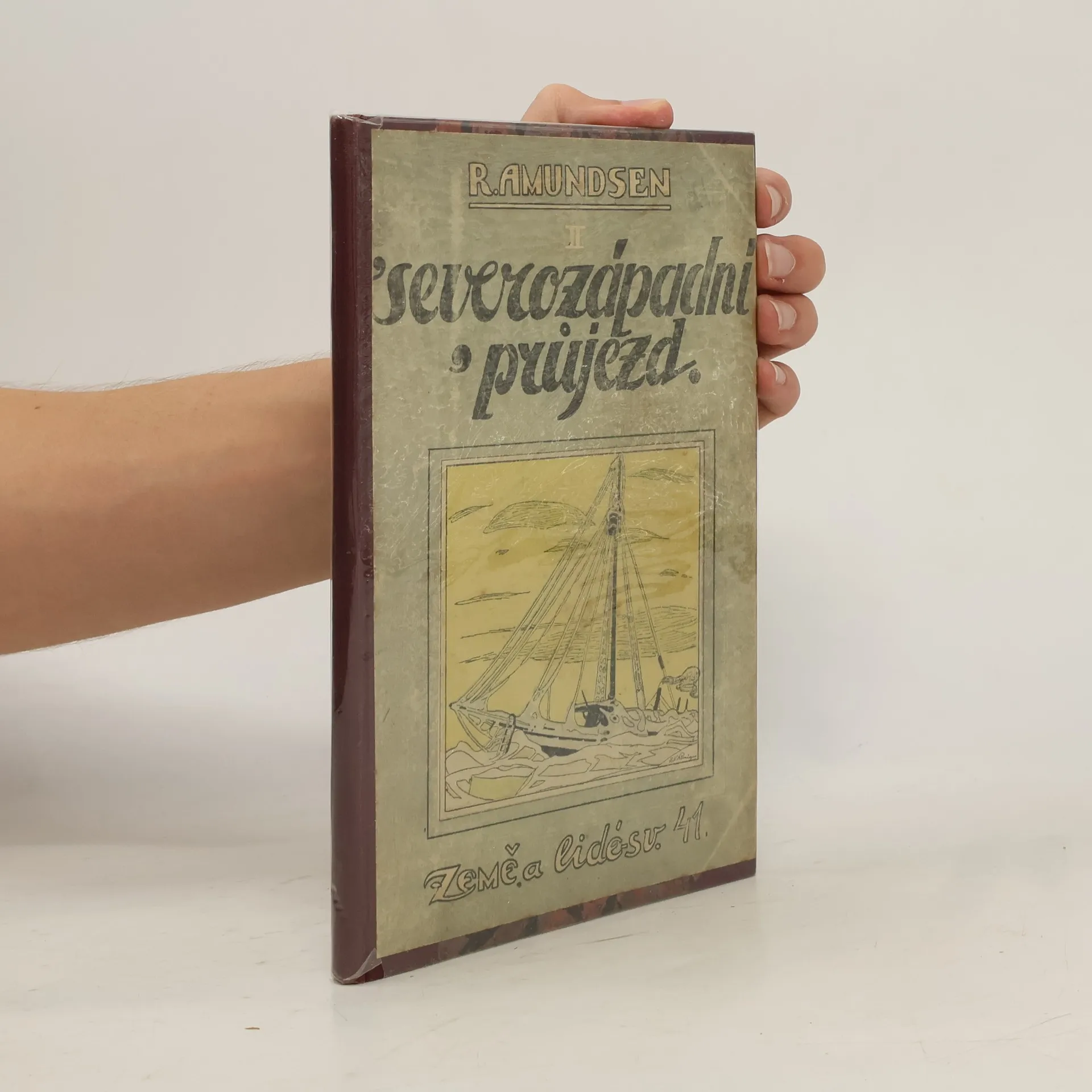
Being The Record Of A Voyage Of Exploration Of The Ship "Gjoa" 1903-1907 (Volume Ii)
412 páginas
15 horas de lectura
The exploration of the North West Passage aboard the ship "Gjoa" from 1903 to 1907 is captured in this significant work by Roald Amundsen. This volume is essential for scholars and enthusiasts, preserving the original format and annotations to maintain its historical integrity. It serves as a valuable resource for future generations, reflecting the challenges and triumphs of early 20th-century exploration.
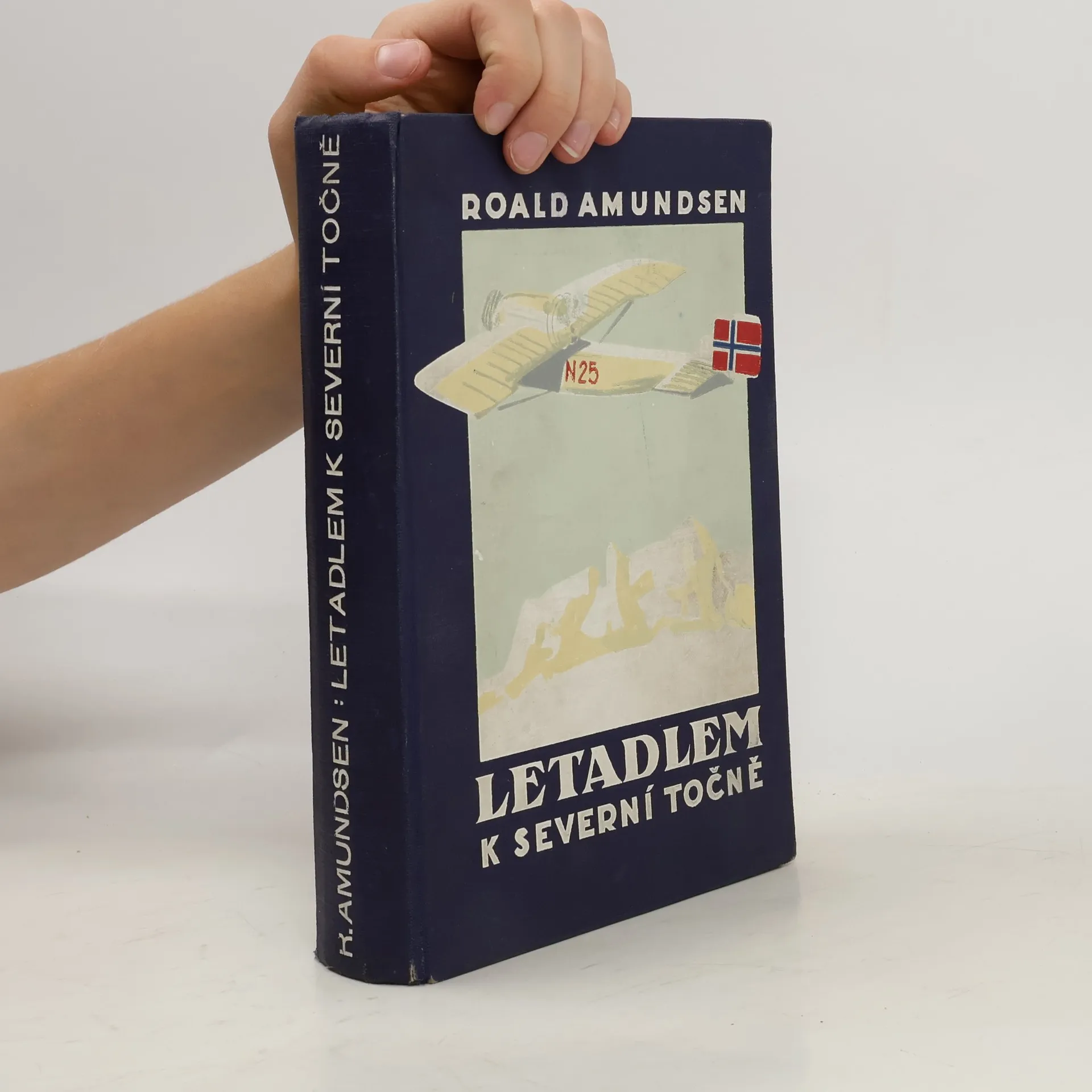
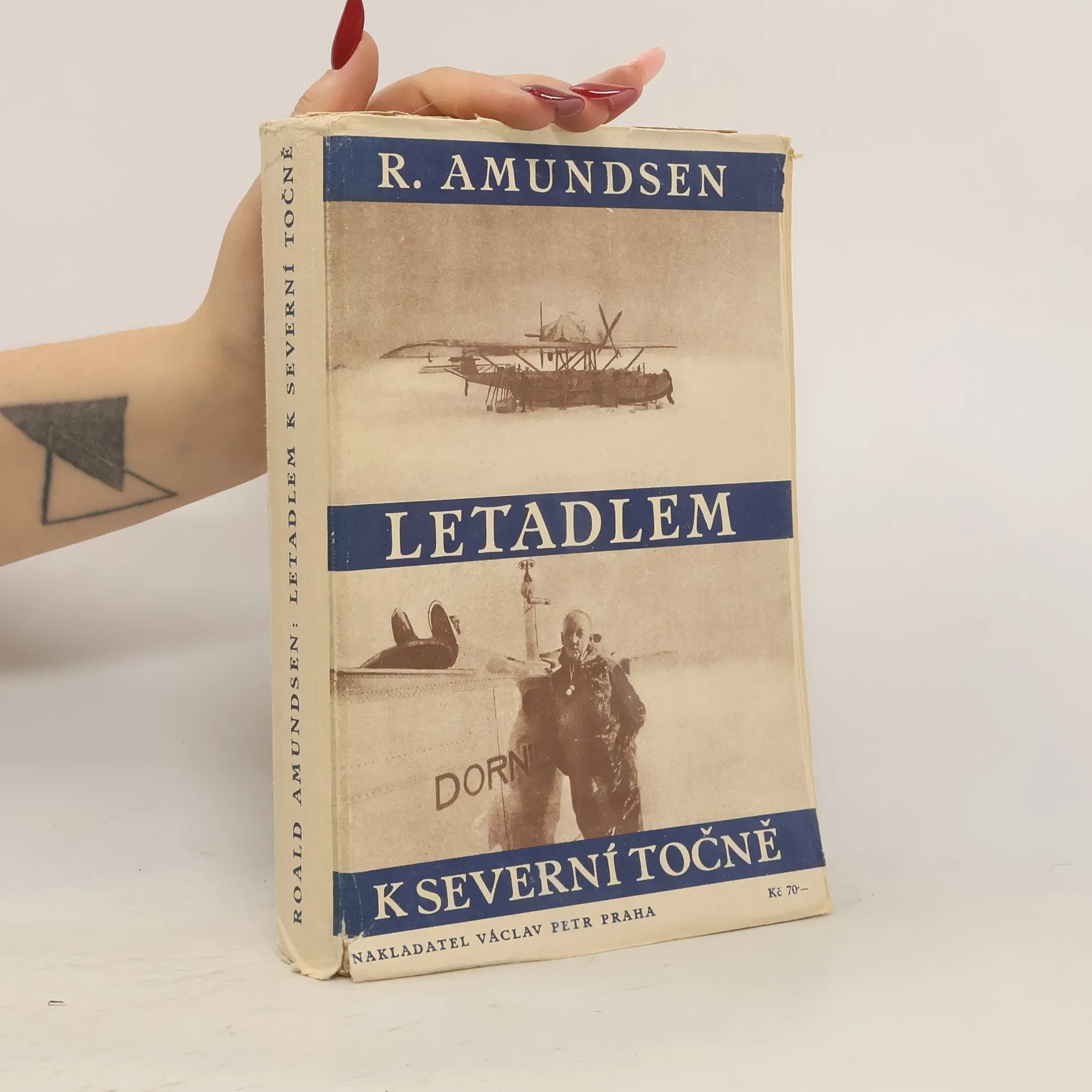
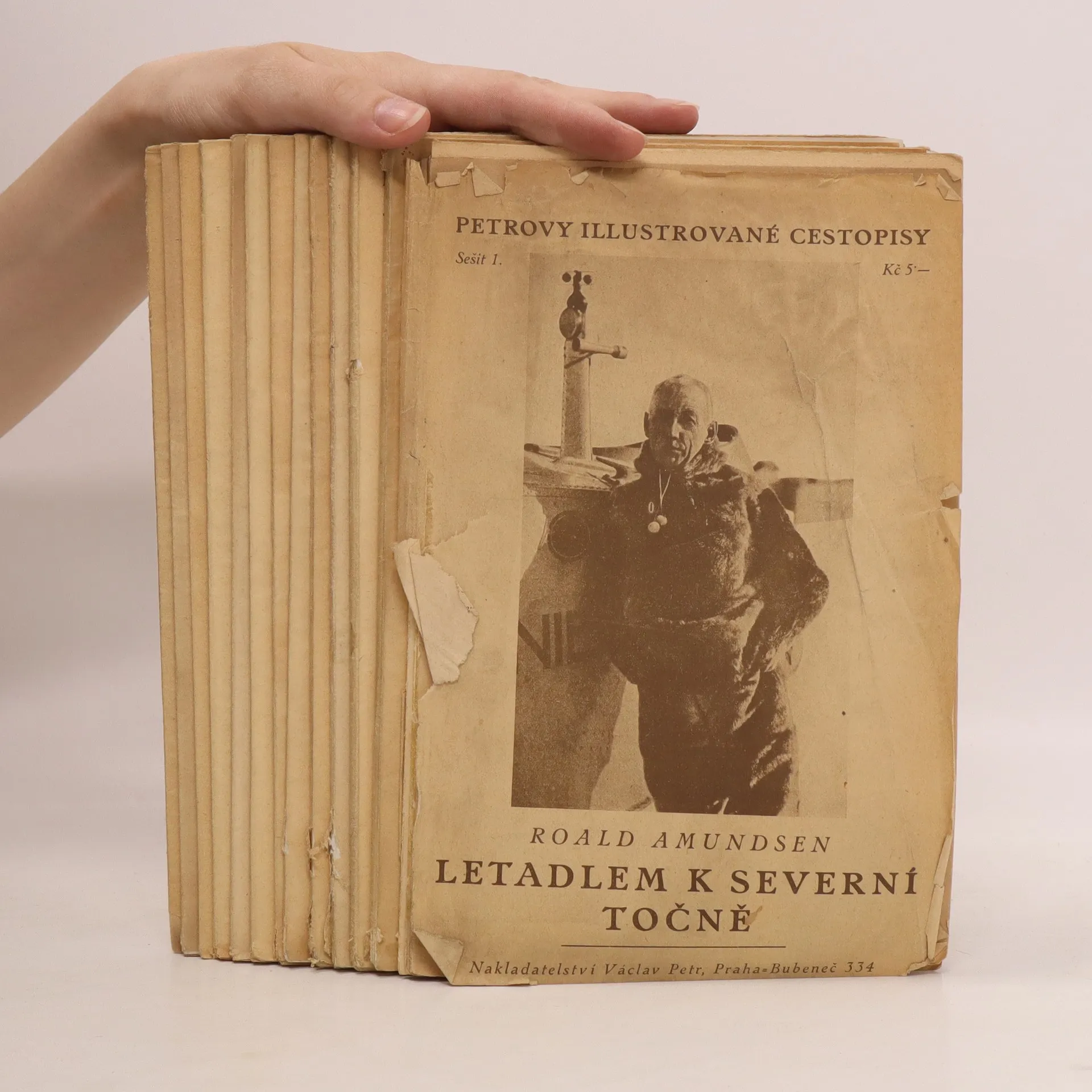
„Napsali účastníci polární výpravy v roce 1925: Roald Amundsen, Hj. Riiser-Larsen, Leif Dietrichson, Lincoln Ellsworth, Frederik Ramm, Jakob Bjerknes.“ Autorisované vydání přeložila z norštiny Milada Krausová-Lesná; kapitolu Ellsworthovo líčení přeložil z angličtiny St. V. Klíma. 68s. obr. příl.
„Napsali účastníci polární výpravy v roce 1925: Roald Amundsen, Hj. Riiser-Larsen, Leif Dietrichson, Lincoln Ellsworth, Frederik Ramm, Jakob Bjerknes.“ Autorisované vydání přeložila z norštiny Milada Krausová-Lesná; kapitolu Ellsworthovo líčení přeložil z angličtiny St. V. Klíma. 68s. obr. příl.
Die Bezwingung der Nordwestpassage mit dem Fischkutter durch das ewige Eis war die Reise, die Amundsens Ruhm begründete. 1847 kam der Arktisforscher Sir John Franklin beim Versuch, die legendäre Nordwestpassage nördlich von Kanada zu durchqueren, ums Leben. 1903 machte sich der Norweger Roald Amundsen auf, einen Weg durchs arktische Eis vom Atlantik in den Pazifik zu finden. Diese Reise wurde sein erster großer Triumph, bevor er Jahre später im Wettlauf mit Scott den Südpol eroberte und damit unsterblich wurde. Amundsen, geboren 1872, sollte ursprünglich Mediziner werden, wandte sich jedoch schnell der Polarforschung zu. Er sammelte Erfahrungen als Seefahrer, nahm an der ersten Überwinterung in der Antarktis teil und erwarb das Kapitänspatent. Es folgten ruhmreiche Expeditionen, darunter die Bezwingung der Nordwestpassage und der Wettlauf zum Südpol. Tragisch endete sein Leben, als er versuchte, einen Konkurrenten aus Seenot zu retten und im Eis verschwand. Detlef Brennecke, Jahrgang 1944, war Filmschauspieler und lehrte als Professor für Skandinavistik. Fasziniert vom Leben der Entdecker, hat er zahlreiche Biografien über Amundsen, Hedin und Nansen verfasst. Die Reise begann unter regnerischem Himmel, doch trotz der Umstände war die Stimmung auf der Gjöa heiter, während die Mannschaft sich von der Heimat verabschiedete.
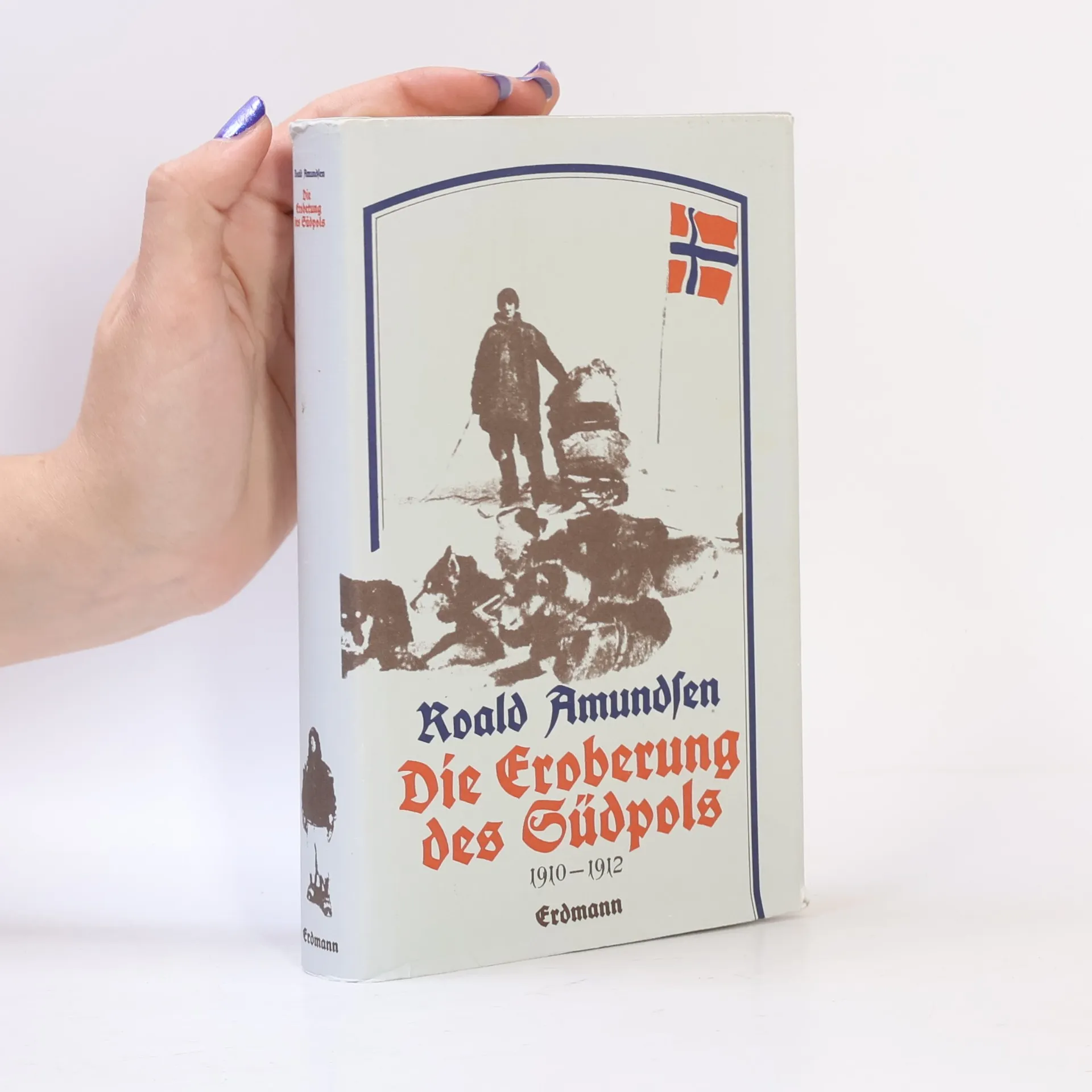
Wer sich ernsthaft mit den Aufzeichnungen großer Entdeckungsreisender befasst, kommt an Roald Amundsen nicht vorbei. Als erster Mensch in der Geschichte betrat der Norweger am 14. Dezember 1911 den Südpol. "Der Glorreiche" - so die altnordische Bedeutung von Roald - ist der mit Abstand erfolgreichste Polarforscher der Arktis und Antarktis und einer der ruhmvollsten Abenteurer überhaupt. Ihm gelang, was dem bekannten britischen Polarforscher John Franklin versagt blieb: die Erstdurchquerung der Nordwestpassage. Dieser Pioniertat folgten zahlreiche weitere ruhmreiche Entdeckungen, mit denen der Norweger die unberührten Weiten von Arktis und Antarktis kartierte und die ihren Höhepunkt in der Ersterreichung des Südpols fanden. Amundsens Expeditionsbericht über Die Eroberung des Südpols ist nicht nur ein Logbuch, das die einzelnen Etappen dieser Reise dokumentiert. Es ist vor allem ein spannendes und eindringliches Zeugnis der zahlreichen Entbehrungen und Ängste, aber auch des unbeschreiblichen Triumphgefühls von einem der bedeutendsten Entdecker der Weltgeschichte.
Roald Amundsen, der norwegische Polarforscher, unternahm 1903 eine bedeutende Expedition mit seinem Schiff Gjöa, um die Nordwest-Passage zu erkunden. Seine Reise gilt als eine der entscheidenden Unternehmungen in der Geschichte der Polarforschung und zeigt den Mut und die Entschlossenheit eines Pioniers, der sich den extremen Bedingungen der Arktis stellte. Amundsens Abenteuer ist nicht nur eine Geschichte von Entdeckung, sondern auch von Herausforderungen und der Suche nach neuen Handelsrouten.
Roald Engelbregt Gravning Amundsen war ein bedeutender norwegischer Seemann und Polarforscher, der von 1872 bis 1928 lebte. Er ist bekannt für seine bahnbrechenden Expeditionen in die Polarregionen und spielte eine Schlüsselrolle in der Erforschung der Arktis und Antarktis. Amundsen setzte neue Maßstäbe in der Polarforschung und seine Abenteuer sind geprägt von Mut, Entschlossenheit und innovativen Techniken, die das Verständnis der extremen Klimazonen erweiterten. Seine Reisen hinterließen einen bleibenden Eindruck in der Geschichte der Entdeckung.
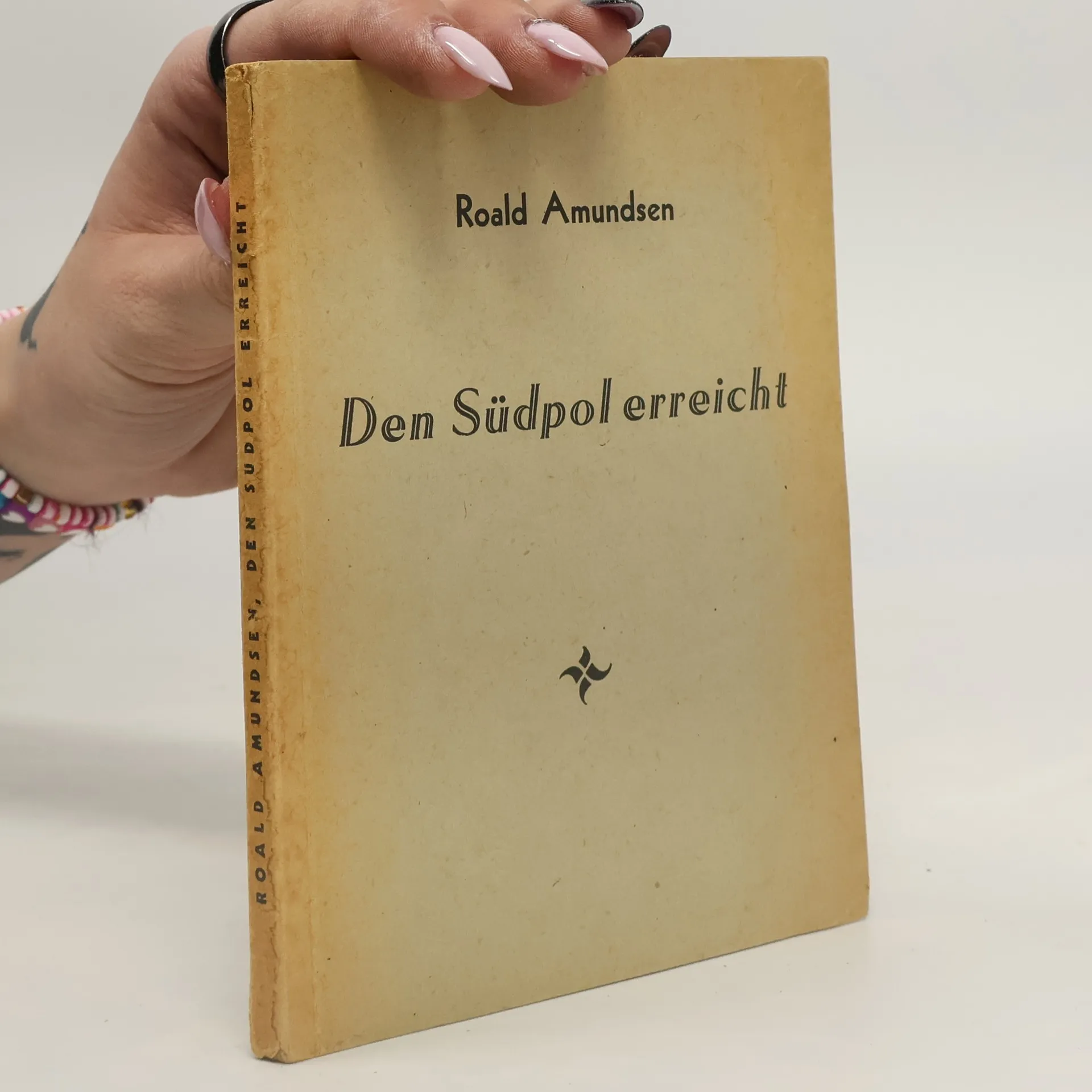
Der Tatsachenbericht über die Entdeckung des Südpöls durch Roald Amundsen und seine Kameraden, sowie detaillierte Berichte über Meteorologie, Ozeanografie, Astronomie und Geologie.
532 páginas
19 horas de lectura
Die Geschichte vermittelt auf sanfte Weise die Botschaft, dass wir die Natur und unsere Umgebung achtsam behandeln sollten. Sie ermutigt dazu, auf die uns gegebenen Zeichen zu achten und unser Handeln so zu gestalten, dass wir später mit gutem Gewissen zurückblicken können. Verfasst im Jahr 1912, verzichtet das Buch auf moralische Belehrungen und schafft eine entspannte Atmosphäre. Angesichts der gegenwärtigen Klimaentwicklung bietet es wertvolle Einsichten zur kritischen Betrachtung des Begriffs "Fortschritt".
Die Suche nach der Nordwestpassage stellte eine immense Herausforderung dar, die viele Abenteurer wie Cabot und Hudson scheitern ließ. Roald Amundsen, der später den Südpol erreichte, unternahm 1903 eine Expedition mit dem Fischkutter Gjöa und fand schließlich nach Jahren im Eis den Zugang zur Passage, was einen historischen Moment markierte.
Die Eroberung des Südpol: Wer würde als erstes dieses Ziel erreichen? Robert Falcon Scott oder Roald Amundsen? Das war die Frage in den Jahren 1911 und 1912. Diese beiden Polarforscher lieferten sich ein Wettlauf in der Antarktis. Eigentlich plante Roald Amundsen seit längerer Zeit eine Expedition in die Arktis. Er wollte mit dem Schiff Fram ins Nordpolarbecken fahren, sich dort im Eis einschließen lassen und sich innerhalb von vier bis fünf Jahren zum damals noch unentdeckten Nordpol treiben lassen. Doch Anfang September des Jahres 1909 verkündeten Frederick Cook und Robert Edwin Peary, dass sie den Nordpol bereits erreicht hätten. Amundsen änderte deshalb seinen Plan - wenn er schon nicht als Erster den Nordpol erreichen konnte, wollte er zumindest der erste Mensch am Südpol sein. Akribisch bereitete Roald Amundsen seine Expedition vor, legte zahlreiche Nahrungsmittel- und Ausrüstungsdepots an und erkundete die Umgebung. Dabei verließ er sich auf die Methode, die er für die flexibelste und für die Bedingungen in der Antarktis am besten geeigneteste hielt: Mit Schlitten, ähnlich denen der Ureinwohner der Arktis, und insgesamt 116 Hunden wollte er sich zum Pol begeben. Dieser Band enthält den ersten Teil des Reisebericht Amundsens der erstmals im Jahr 1912 herausgegeben wurde. Die ausführliche Schilderung wurden durch über 150 Fotografien, Bilder und Zeichnungen ergänzt und illustriert.
Roald Amundsen, der Entdecker des Südpols hat die Möglichkeiten der Technik nach dem 1. Weltkrieg sehr schnell erkannt und genutzt, um in die noch unbekannten Teile der Welt vorzudringen. In diesem Buch berichten Roald Amundsen ebenso wie auch seine Helfer sehr spannend und detailliert über Ihren Versuch, den Nordpol zum ersten Mal mit einem Flugzeug zu erreichen. Aus heutiger Sicht ein mehr als mutiges Unterfangen. Sehr interessant sind auch die Beschreibungen der technischen Möglichkeiten und Herausforderungen der damaligen Zeit.