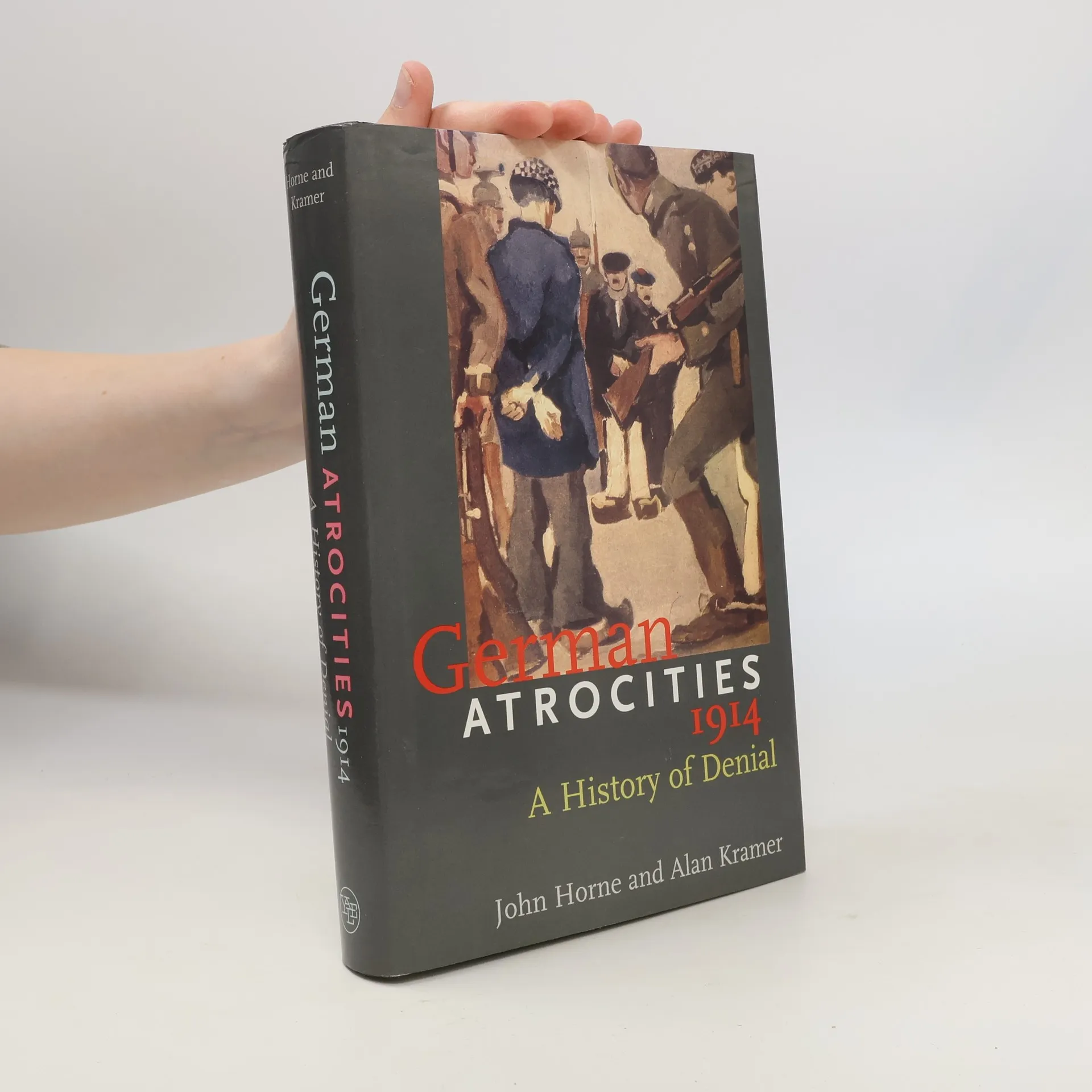
Is it true that the German army, invading Belgium and France in August 1914, perpetrated brutal atrocities? Or are accounts of the deaths of thousands of unarmed civilians mere fabrications constructed by fanatically anti-German Allied propagandists? Based on research in the archives of Belgium, Britain, France, Germany, and Italy, this pathbreaking book uncovers the truth of the events of autumn 1914 and explains how the politics of propaganda and memory have shaped radically different versions of that truth. John Horne and Alan Kramer mine military reports, official and private records, witness evidence, and war diaries to document the crimes that scholars have long a campaign of brutality that led to the deaths of some 6500 Belgian and French civilians. Contemporary German accounts insisted that the civilians were guerrillas, executed for illegal resistance. In reality this claim originated in a vast collective delusion on the part of German soldiers. The authors establish how this myth originated and operated, and how opposed Allied and German views of events were used in the propaganda war. They trace the memory and forgetting of the atrocities on both sides up to and beyond World War II. Meticulously researched and convincingly argued, this book reopens a painful chapter in European history while contributing to broader debates about myth, propaganda, memory, war crimes, and the nature of the First World War.
John Horne Libros
5 de febrero de 1949