


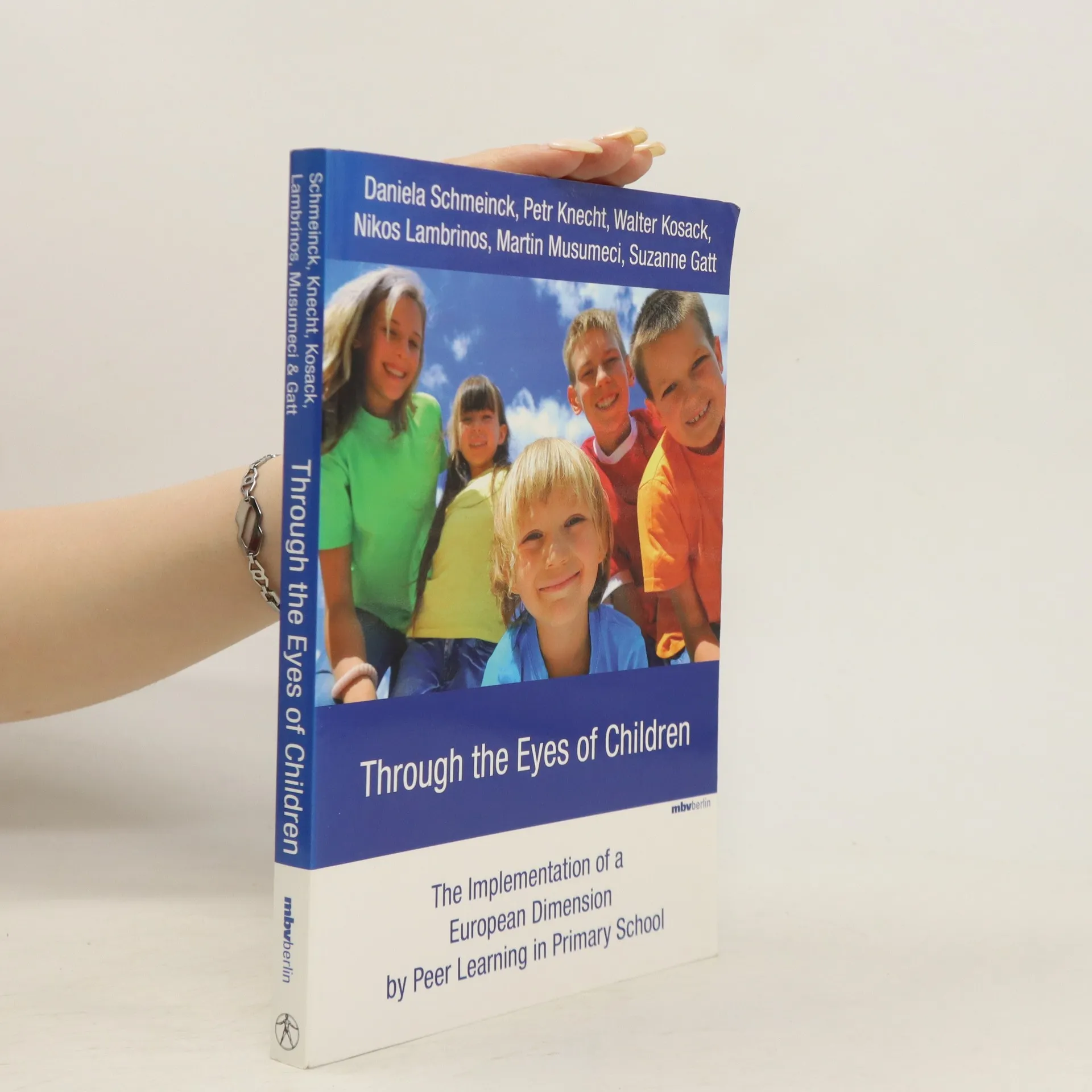
Through the eyes of children
- 236 páginas
- 9 horas de lectura
The ‘European dimension’ in education has become integral to the school curriculum across EU countries, yet variations exist in how it is taught and delivered. The integration of information and communication technologies (ICT) into this educational area is progressing at different rates among member states. The E-PLIPS project aims to enhance European education by employing innovative intercultural teaching methods to establish effective pedagogies for imparting the ‘European dimension’ for life. Utilizing intercultural group learning and peer assessment, the project fosters a cooperative learning environment for both teachers and students. It develops materials designed to equip children and educators with tools to enhance lifelong learning skills and encourage active participation in European life. These resources are suitable for classroom learning and in-service training for teachers seeking to incorporate a ‘European dimension’ into their curricula. This work presents fresh ideas for implementing the ‘European dimension’ in education, emphasizing peer learning. It offers strategies for motivating students to explore the customs and daily lives of peers in diverse European nations, along with examples of how educators can promote this dimension.