Nikolaus Pevsner Libros
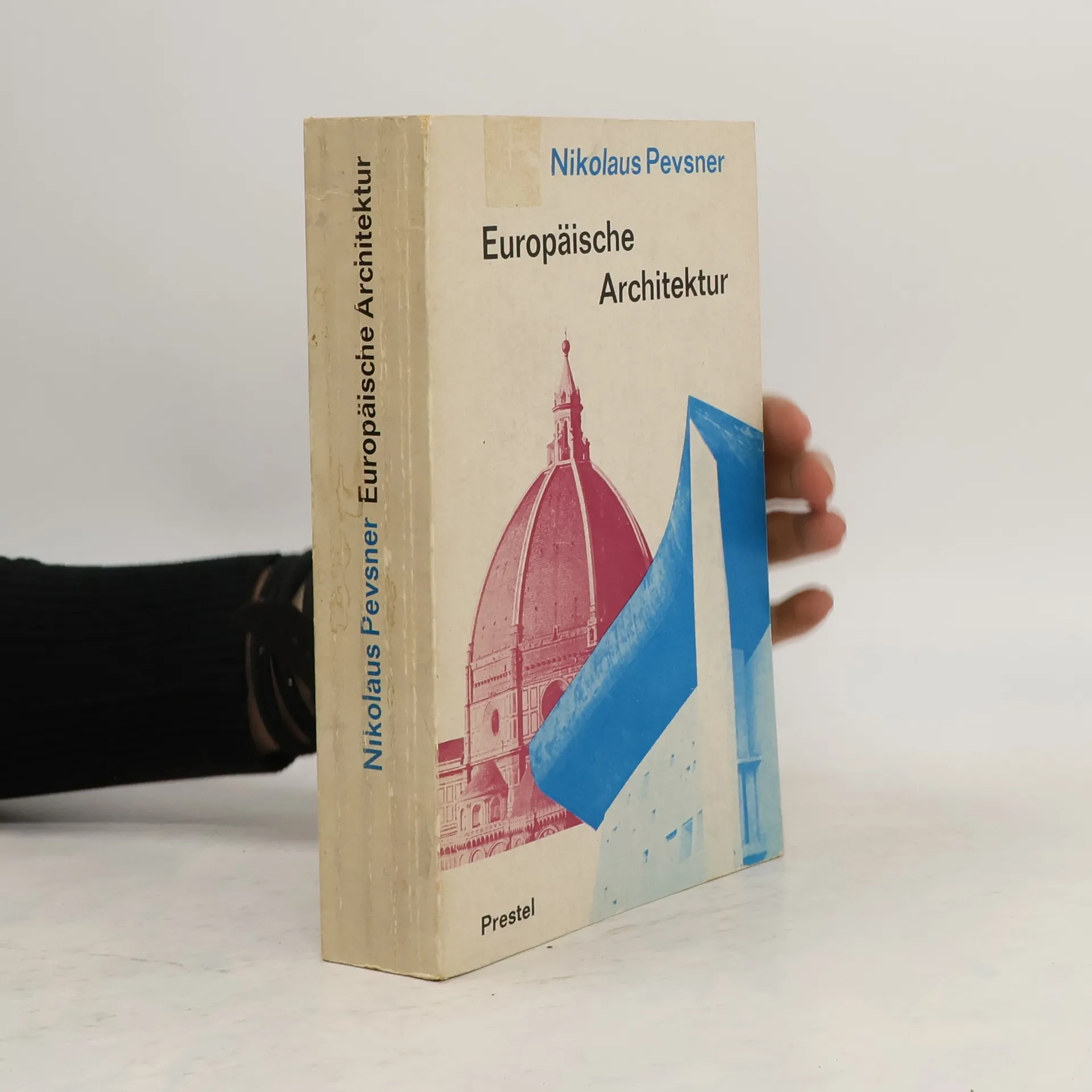
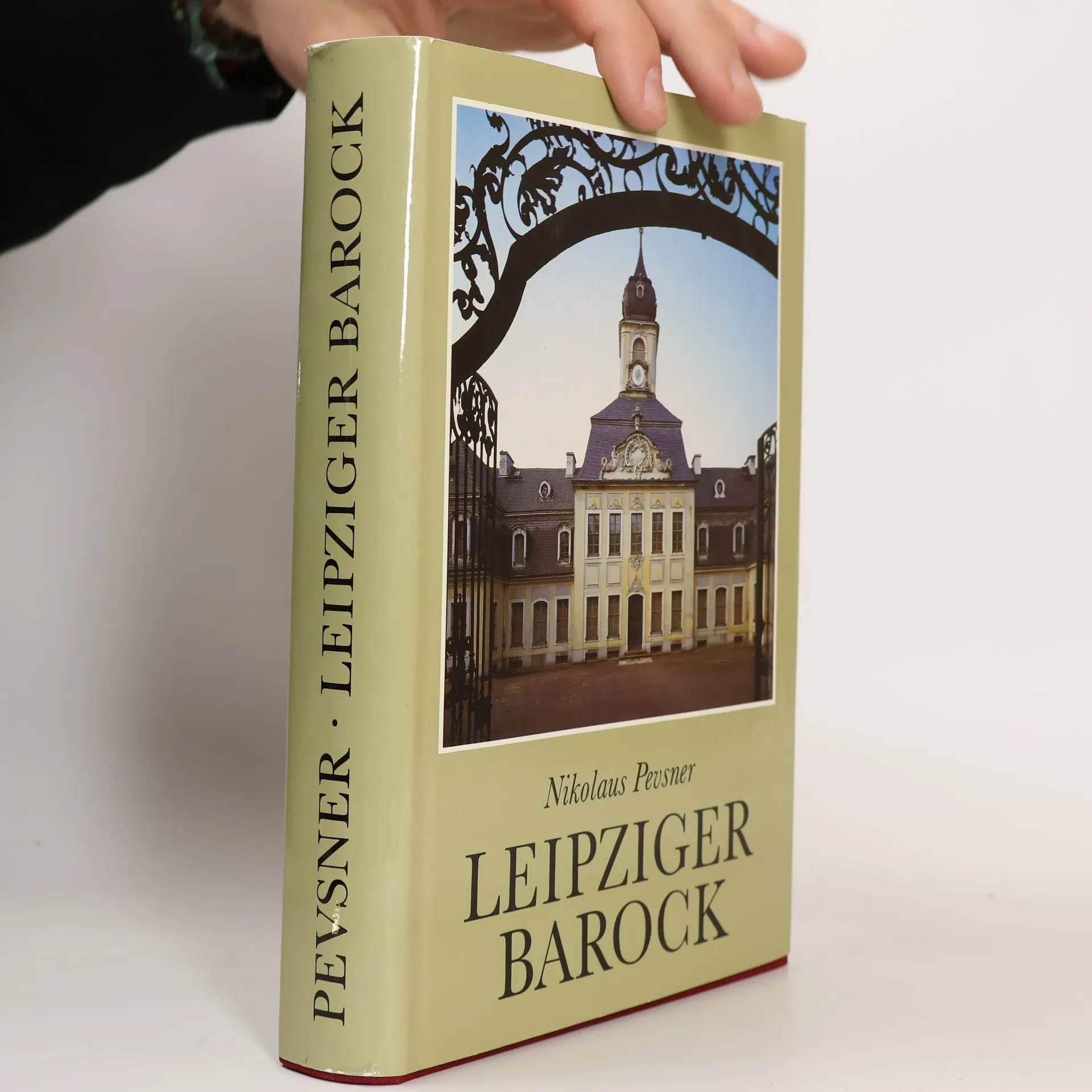
Sir Nikolaus Pevsner fue uno de los escritores más eruditos y estimulantes sobre arte y arquitectura del siglo XX. Forjó su reputación con obras tempranas significativas, aunque quizás sea más conocido por su celebrada serie de guías, un logro monumental en el campo académico. Pevsner también fue el editor fundador de una publicación emblemática de historia del arte, reconocida como la más completa y erudita de su tipo jamás publicada en inglés.


County Durham
- 964 páginas
- 34 horas de lectura
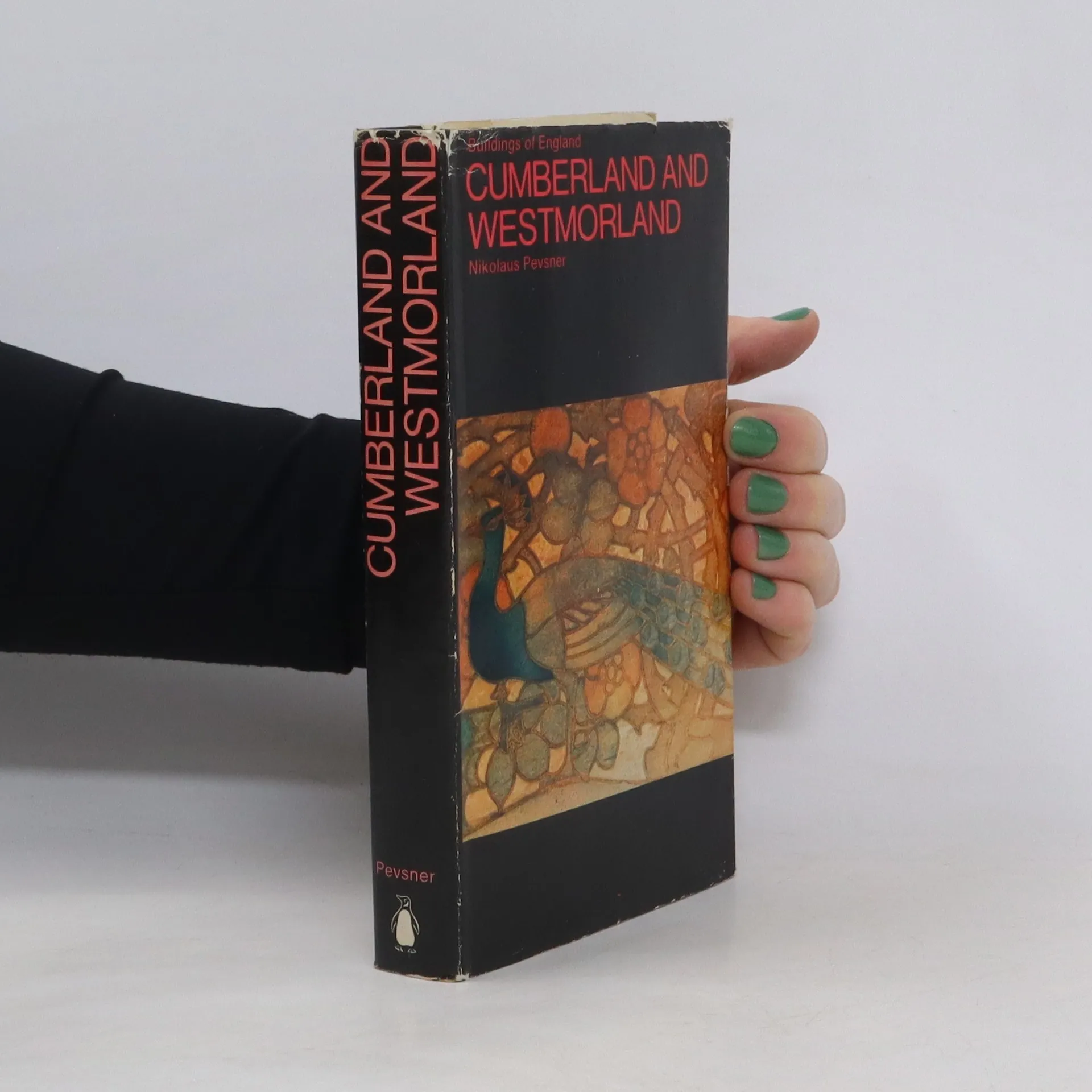
The book serves as a thorough exploration of County Durham, highlighting its rich architectural diversity and captivating history. It delves into the unique aspects of the region, showcasing its landmarks, cultural significance, and notable sites. Readers can expect detailed insights into the county's heritage, making it an essential resource for anyone interested in Northern England's architectural landscape.
The Making of the English Urban Landscape tells the story of our towns and cities and how they came into being over the last two millennia.
Publication of this book, one of six devoted to the buildings of London, marks the completion of the long-awaited revision of the original Pevsner guides and brings the account of the capital’s buildings entirely up to date.This fascinating volume provides a historical introduction to a uniquely diverse area as well as a detailed gazetteer of individual buildings. Along the Thames, relics of a powerful industrial and maritime past remain, and in the East End, Hawksmoor’s Baroque churches still tower over Georgian houses. The contributions of generations of immigrants are reflected in places of worship and cultural centers, while a century of social housing has produced architecture now of historic interest. Further out, medieval churches and country mansions stand among the suburban streets and proud civic buildings.
Lancashire: North
- 800 páginas
- 28 horas de lectura
The book explores the diverse landscapes and architectural heritage of a region that spans from Morecambe Bay to the Pennine mill towns. It highlights historic sites like Lancaster's Georgian buildings, Blackpool's seaside architecture, and notable rural landmarks such as Stonyhurst Jesuit school and Scarisbrick Hall. Each location is detailed in a gazetteer, complemented by a historical overview, maps, over a hundred color photographs, and an illustrated glossary, making it a comprehensive reference and guide for enthusiasts of architecture and local history.
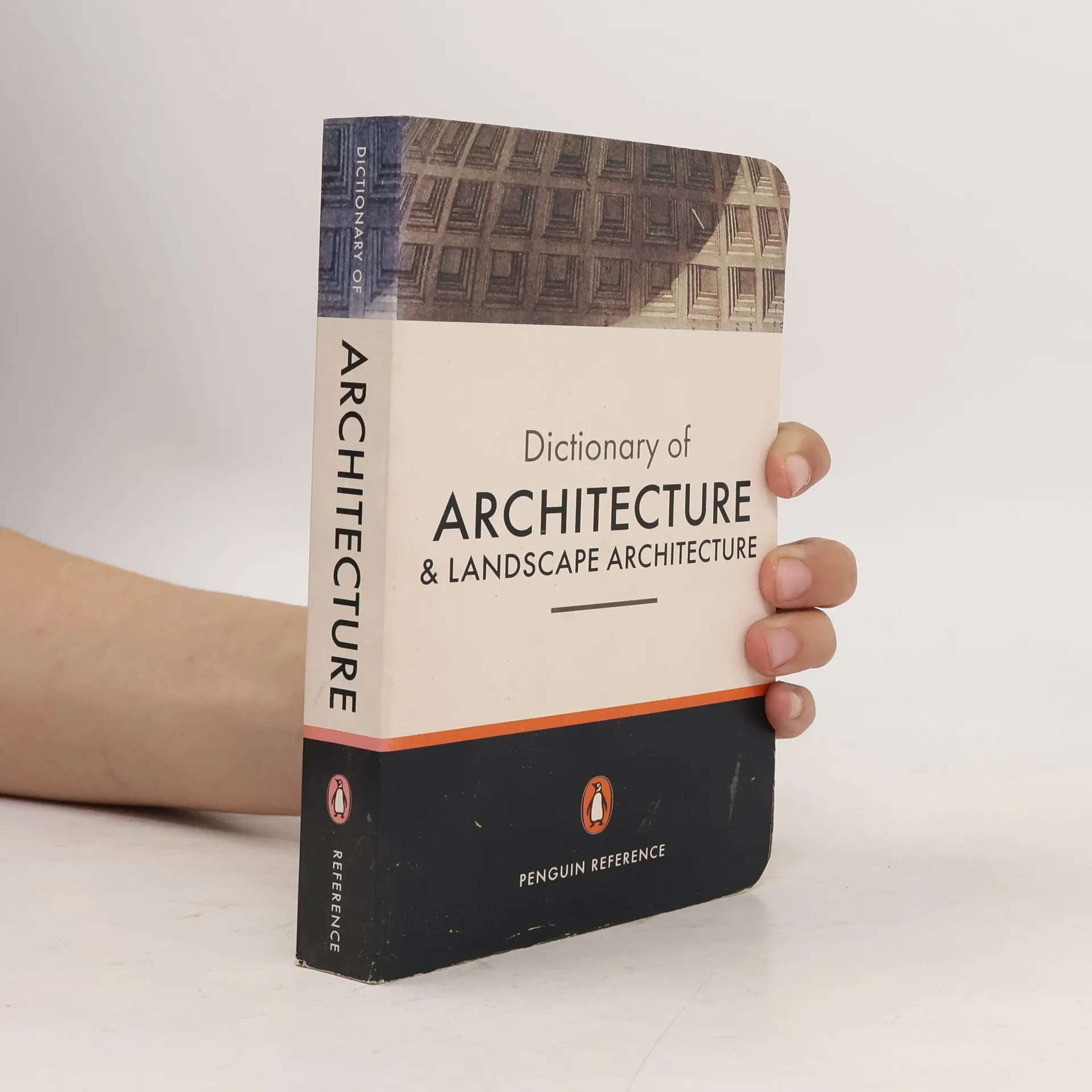
The Penguin Dictionary of Architecture
- 256 páginas
- 9 horas de lectura
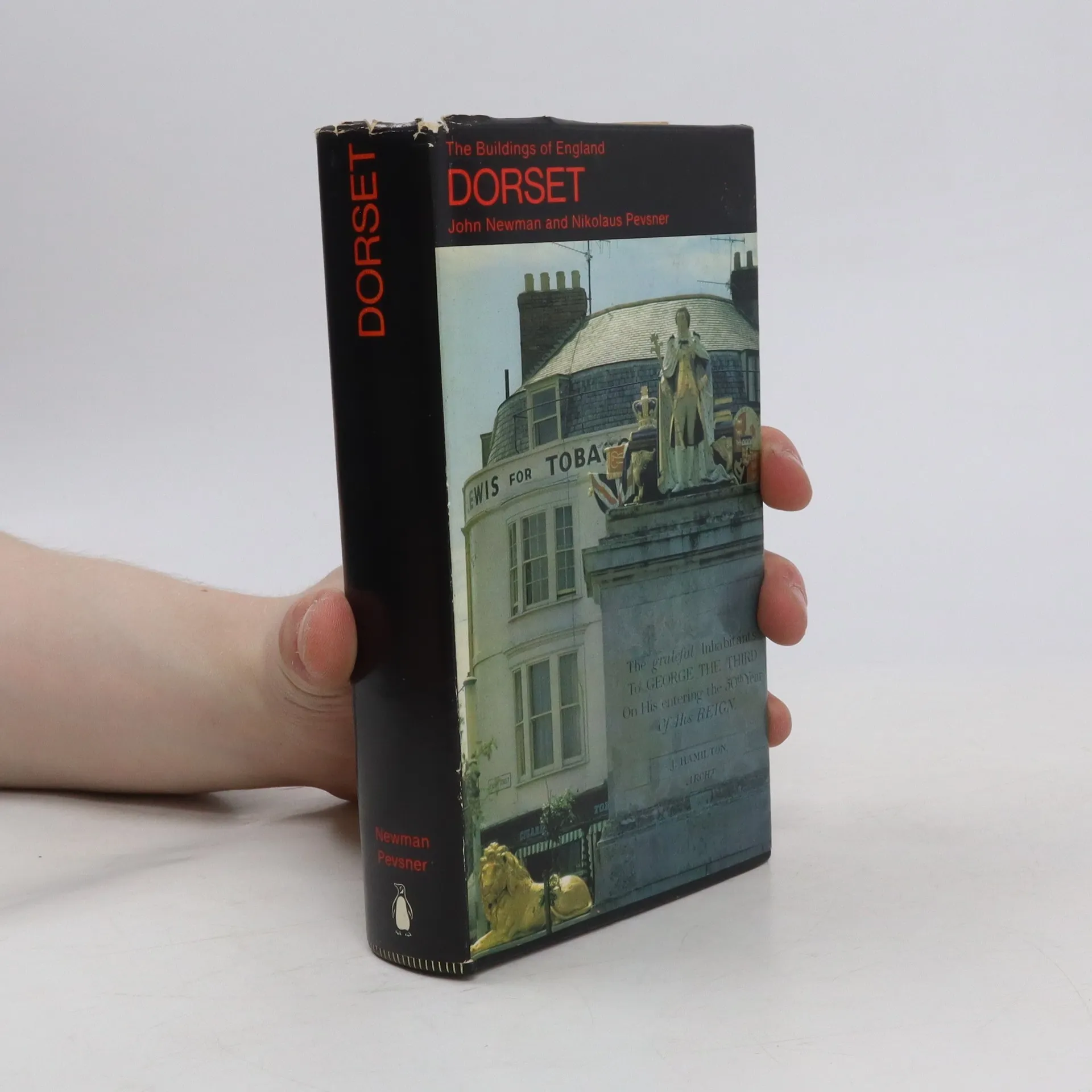
Dorset
- 64 páginas
- 3 horas de lectura
"Everybody tells you Dorset is a house or mansion county, not a church county...Yet when one sets down all one has seen of Dorset churches,..one suddenly realizes how much one has enjoyed", wrote Pevsner at the conclusion of his journey. The county provides many unexpected pleasures in ecclesiastical buildings, from the Norman arches of Wimborne Minster, the Early English solemnity of Milton Abbey, to the splendour of Sherborne and the monuments and furnishings of numerous smaller buildings. Of castles, mansions and houses, Dorset boasts the evocative ruins of Corfe; the splendid Kingston Lacy; mighty Milton Abbey House and a wealth of more modest homes. But the county also possesses fine towns and villages, from the Georgian elegance of Weymouth and Lyme Regis, to the the model estate village of Milton Abbas.
Lincolnshire
- 768 páginas
- 27 horas de lectura
Lincolnshire is rich in medieval churches from Saxon times onwards, many of them still little known. Lincoln Cathedral is justly famous, and second only to Durham in the grandeur of its setting. Monuments to industry include the maltings of Sleaford and the dock tower of Grimsby.
Nottinghamshire
- 448 páginas
- 16 horas de lectura
Full of memorable and surprising buildings, Nottinghamshire is a county that rewards close investigation. Country houses such as Wollaton Hall, Bunny Hall and Newstead Abbey are explored, as are the great medieval churches.
Hertfordshire
- 460 páginas
- 17 horas de lectura
Although so close to London this is still a rural area, with quiet country churches with fine monuments, timber-framed farmhouses, and some splendid country houses, of which the most celebrated is Cecil's Jacobean Hatfield House. Also included are St Albans, Hertford, and Hitchin.