Compra 10 libros por 10 € aquí!
Bookbot

Philip Nelson

    Physical Models of Living Systems
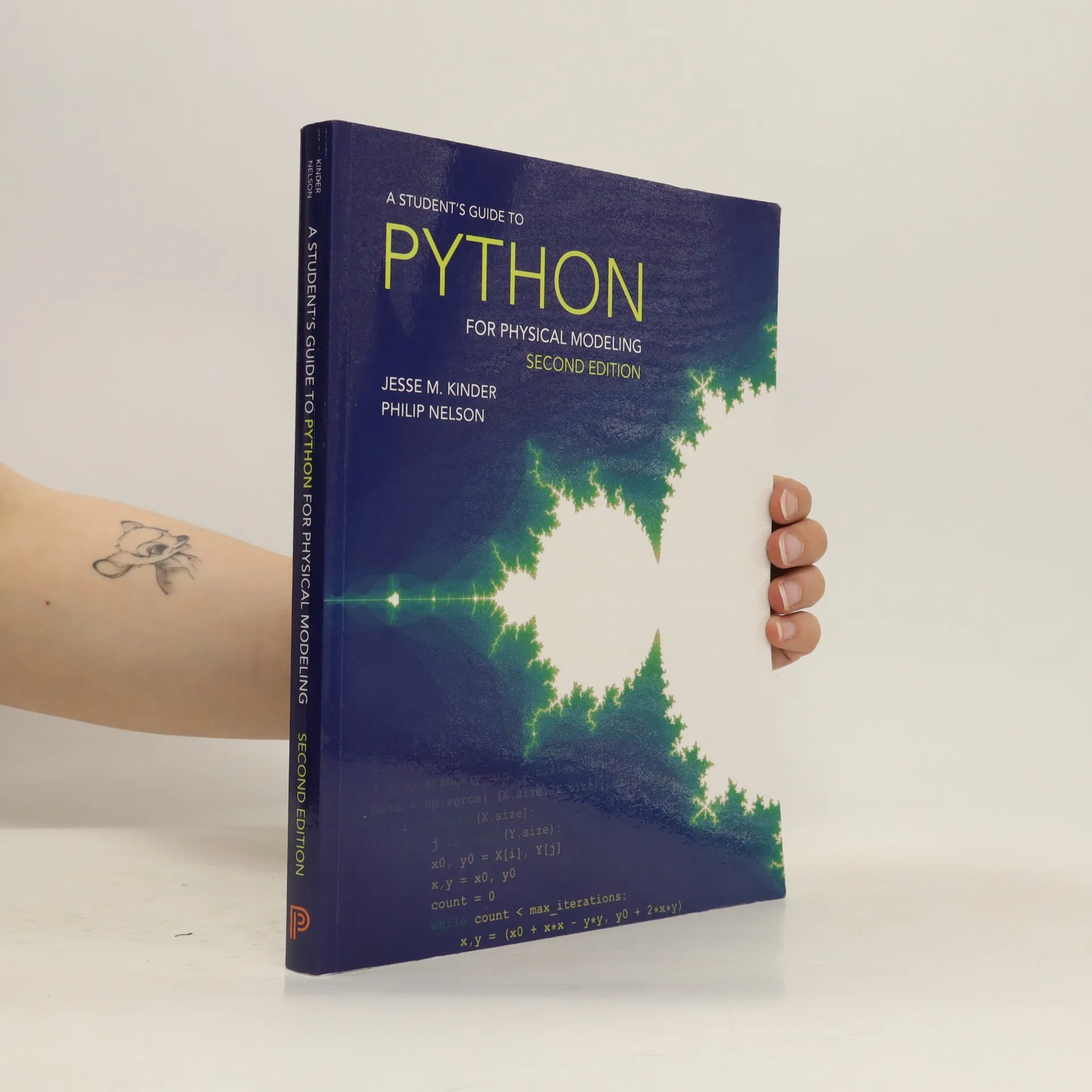
    A student's Guide to Python for Physical Modeling
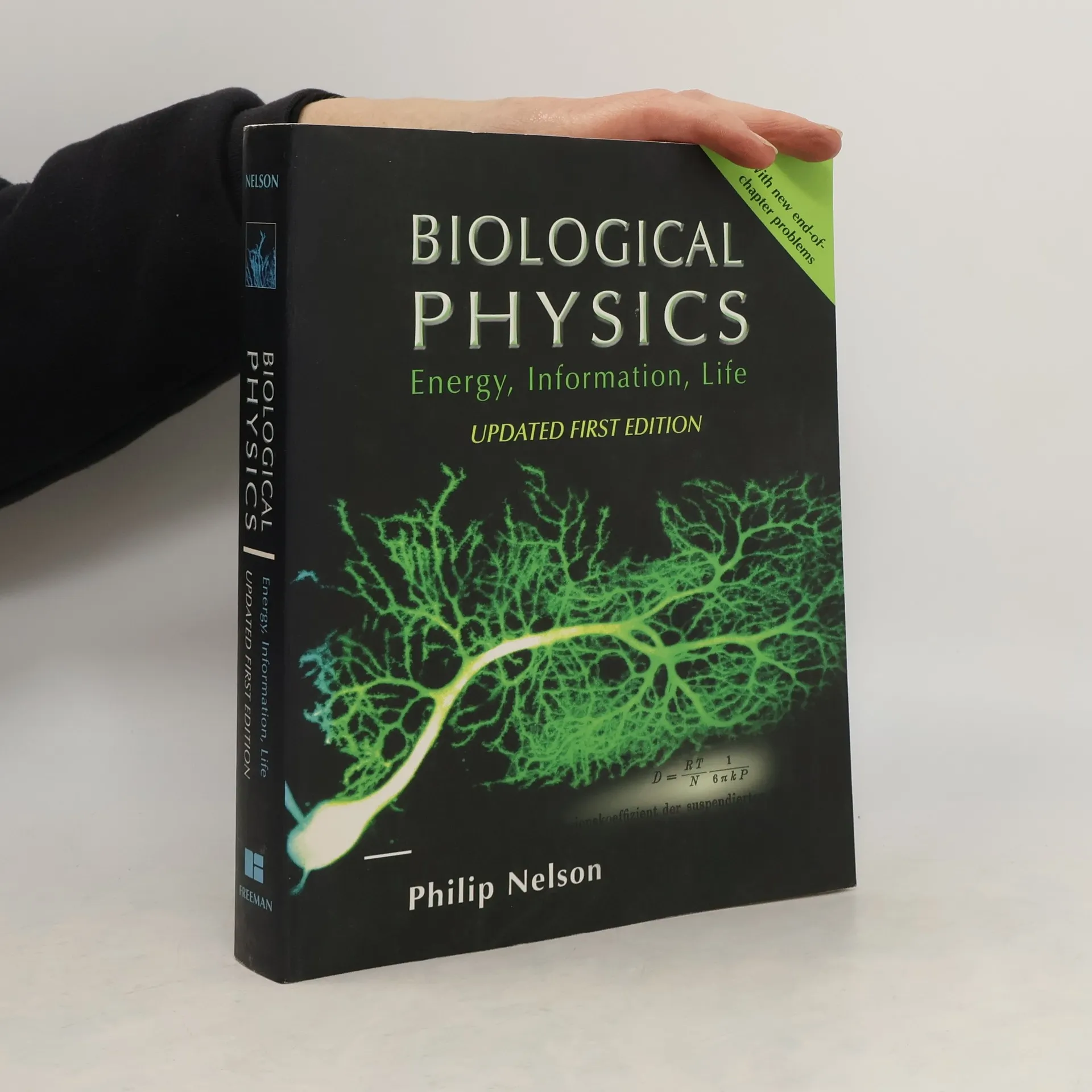
    Biological Physics Student Edition
    • Biological Physics Student Edition

      • 584 páginas
      • 21 horas de lectura

      Part I. Mysteries, metaphors, models. Chapter 1. What the ancients knew -- Chapter 2. What's inside cells -- Part II. Diffusion, dissipation, drive. Chapter 3. The molecular dance -- Chapter 4. Random walks, friction, and diffusion -- Chapter 5. Life in the slow lane : The low Reynolds-number world -- Chapter 6. Entropy, temperature, and free energy -- Chapter 7. Entropic forces at work -- Chapter 8. Chemical forces and self-assembly -- Part III. Molecules, machines, mechanisms. Chapter 9. Cooperative transitions in macromolecules -- Chapter 10. Enzymes and molecular machines -- Chapter 11. Machines in membranes -- Chapter 12. Nerve impulses -- Epilogue -- Appendix A. Global list of symbols and units -- Appendix B. Numerical values

      Biological Physics Student Edition
    • "Python is a computer programming language that is rapidly gaining popularity throughout the sciences. A Student's Guide to Python for Physical Modeling aims to help you, the student, teach yourself enough of the Python programming language to get started with physical modeling. You will learn how to install an open-source Python programming environment and use it to accomplish many common scientific computing tasks: importing, exporting, and visualizing data; numerical analysis; and simulation. No prior programming experience is assumed."--

      A student's Guide to Python for Physical Modeling
    • Physical Models of Living Systems

      Probability, Simulation, Dynamics

      • 492 páginas
      • 18 horas de lectura

      Focusing on the intersection of systems and synthetic biology with various scientific disciplines, this university textbook offers an engaging exploration of topics like epidemic modeling and imaging. It emphasizes discovery through reflective questions, encouraging readers to understand the gradual unraveling of complex biological mechanisms. By integrating classic results from fields such as statistical inference and neuroscience, it equips students with the skills to create stochastic simulations and fosters an appreciation for scientific advancement and future inquiry.

      Physical Models of Living Systems