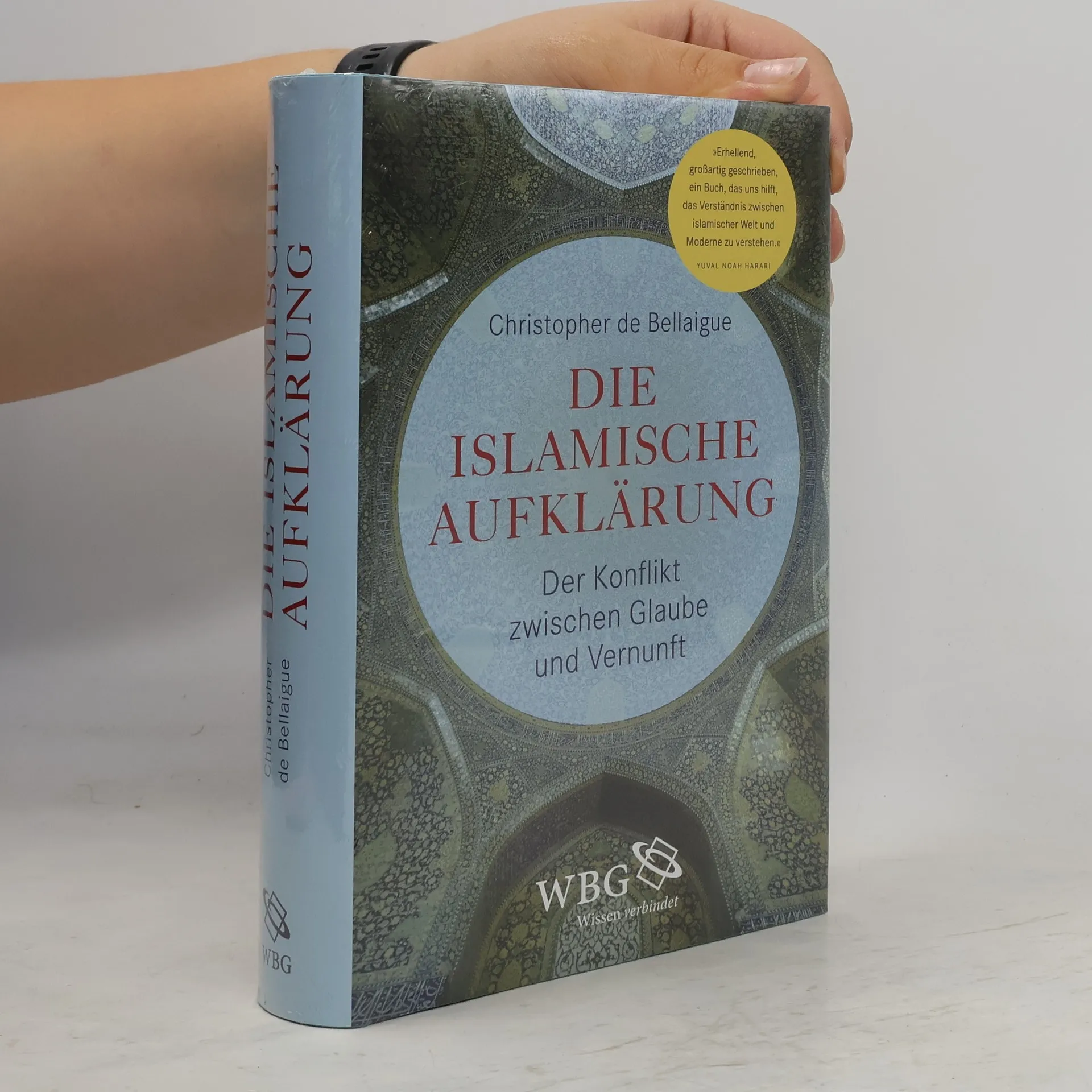
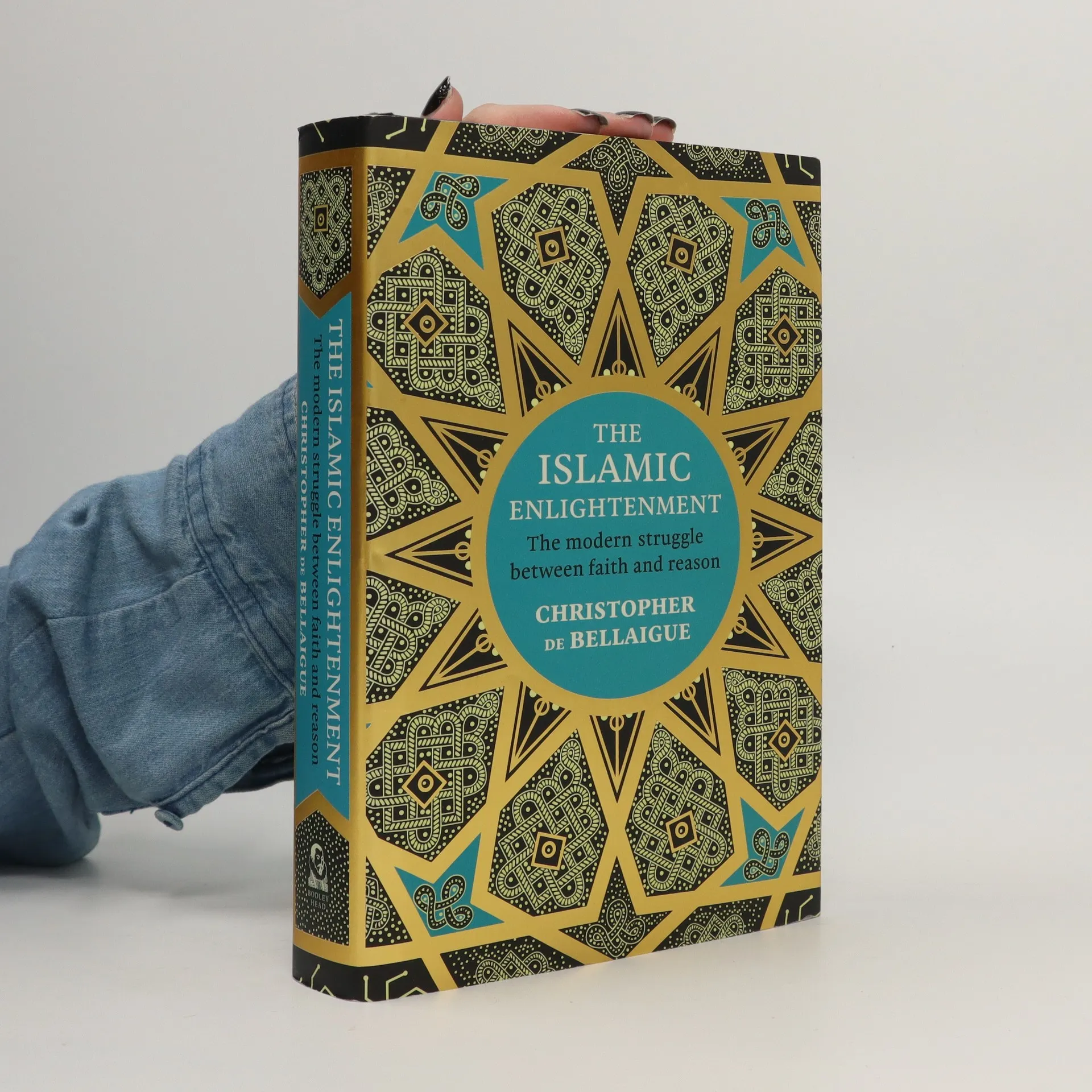
The Islamic Enlightenment: a contradiction in terms? The Muslim world has often been accused of a failure to modernise, reform and adapt. Beginning with the collision of East and West following Napoleon's arrival in Egypt, and taking us through 200 years of Middle Eastern history, this book tells the forgotten story of the Islamic Enlightenment.
Christopher De Bellaigue Libros
Christopher de Bellaigue es un distinguido autor y periodista cuyo trabajo se centra principalmente en Oriente Medio y el sur de Asia. Sus escritos profundizan en los complejos paisajes políticos y culturales de estas regiones, ofreciendo perspectivas perspicaces. A través de su periodismo y sus libros, se propone iluminar eventos históricos y sus consecuencias duraderas. Su prosa es reconocida por su aguda observación y su reflexivo análisis.
The Lion House
- 304 páginas
- 11 horas de lectura
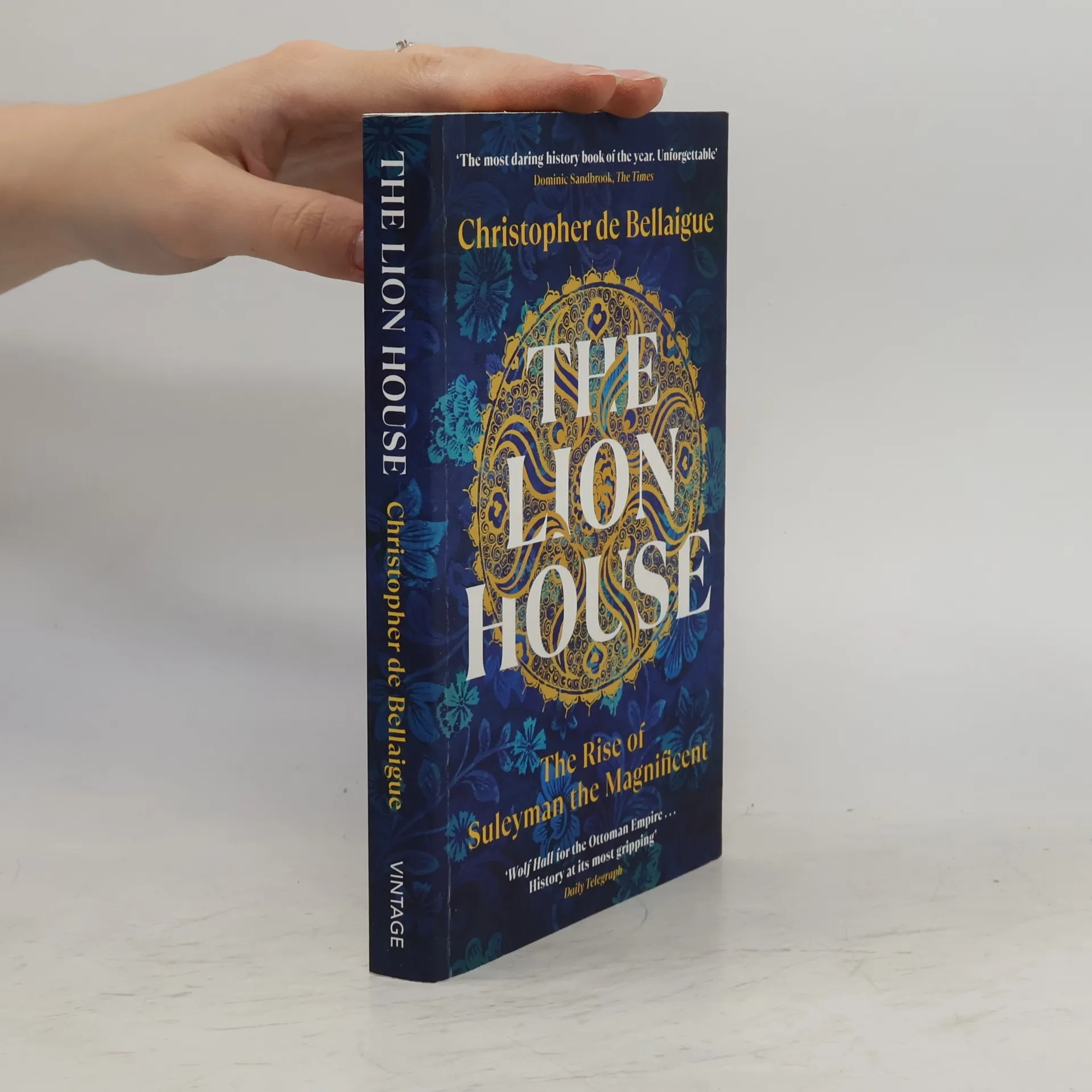
An immersive reconstruction of the life of the most feared and powerful man of the sixteenth century. 'Wolf Hall for the Ottoman Empire ... History at its most gripping' Telegraph 'A formidable book ... incredible' Rory Stewart Venice, 1522. Intelligence arrives from the east confirming Europe's greatest fear: the vastly rich Ottoman Sultan has all he needs to wage total war - and his sights are set on Rome. With Christendom divided, Suleyman the Magnificent has his hand on its throat. From the palaces of Istanbul to the blood-soaked fields of central Europe and the scorched coasts of north Africa, The Lion House tells the true story of two civilisations in an existential duel and the rise of the most feared man of the sixteenth century. It is a tale of the timeless pull of power, dangerous to live with, deadly to live without. 'The most daring history book of the year. Unforgettable' Dominic Sandbrook, Sunday Times 'An urgent, immersive, present-tense gallop ... behind the bejewelled descriptive prose a thumping pulse of action tugs us through' Financial Times 'Luminous ... gripping ... truly magnificent' Spectator
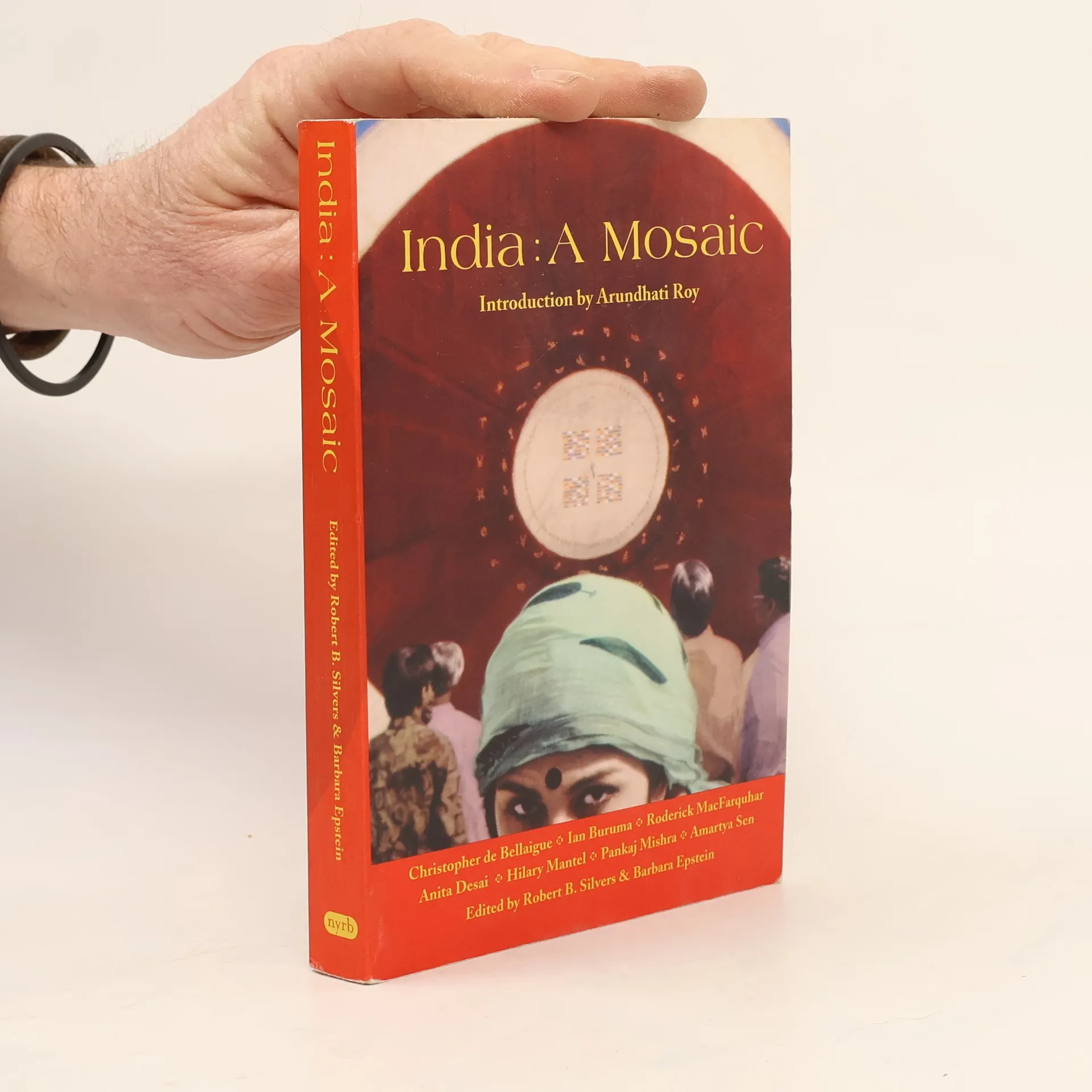
How can we understand India today, fifty years after Independence and only months after its nuclear tests outraged the world? The novelist Arundhati Roy has written, specially for this collection, a fierce denunciation of the Indian nuclear program, which serves as an introduction to nine essays on India, all originally published in The New York Review of Books . In this volume, seven distinguished writers offer penetrating insights into the complexities of the subcontinent. Roderick MacFarquhar reflects on the legacy of Empire and Partition, Ian Buruma considers secularism and Indian democracy, Pankaj Mishra remembers life in Benares, and Christopher de Bellaigue writes on a violent Bombay. But the volatile intersections of history, politics, and culture on which they focus haunt Indian literature too, as shown in essays by Nobel Prize-winner Amartya Sen on Rabindranath Tagore, Hilary Mantel on Rohinton Mistry, and Anita Desai on Indian women's writing.
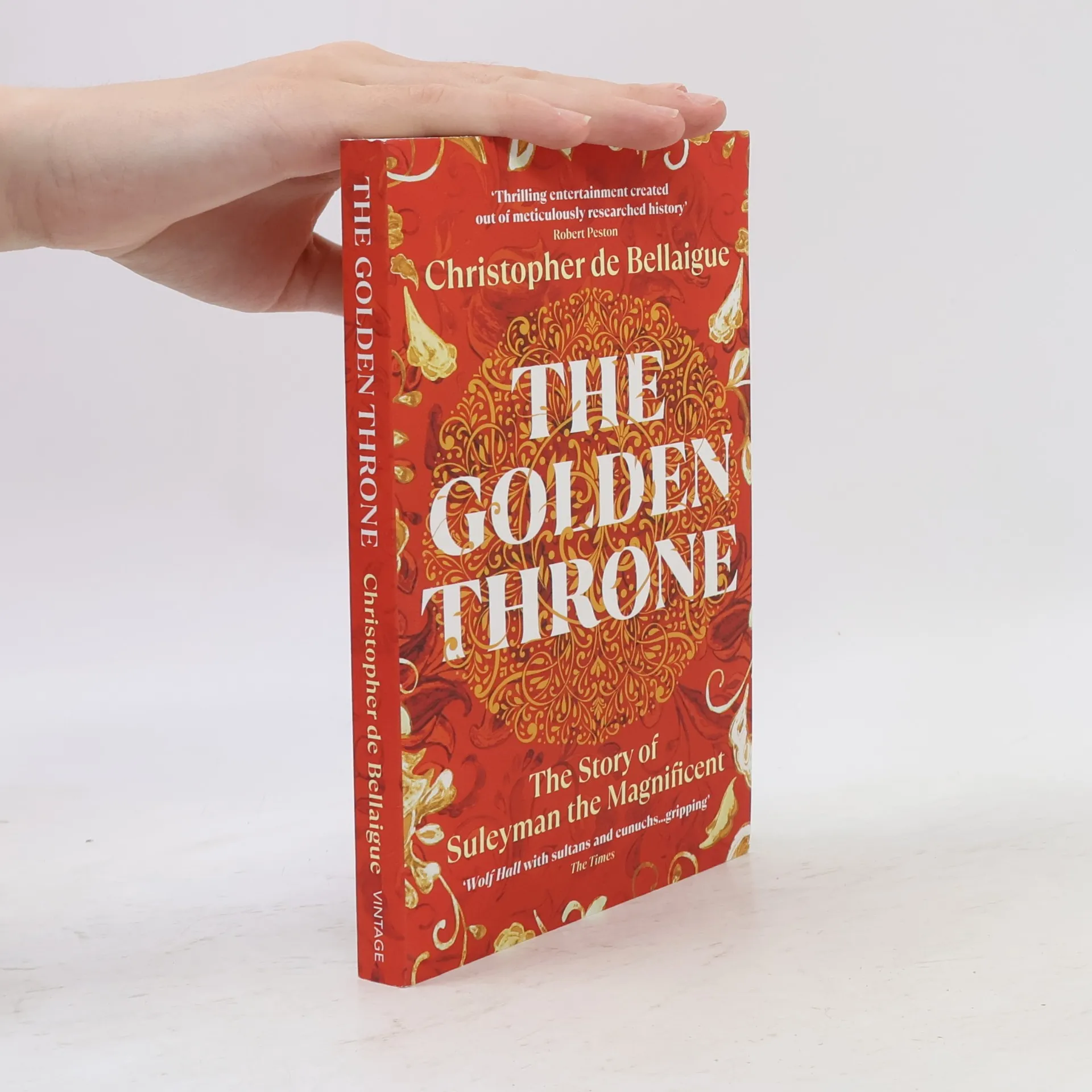
The Golden Throne: The Story of Suleyman the Magnificent
- 272 páginas
- 10 horas de lectura
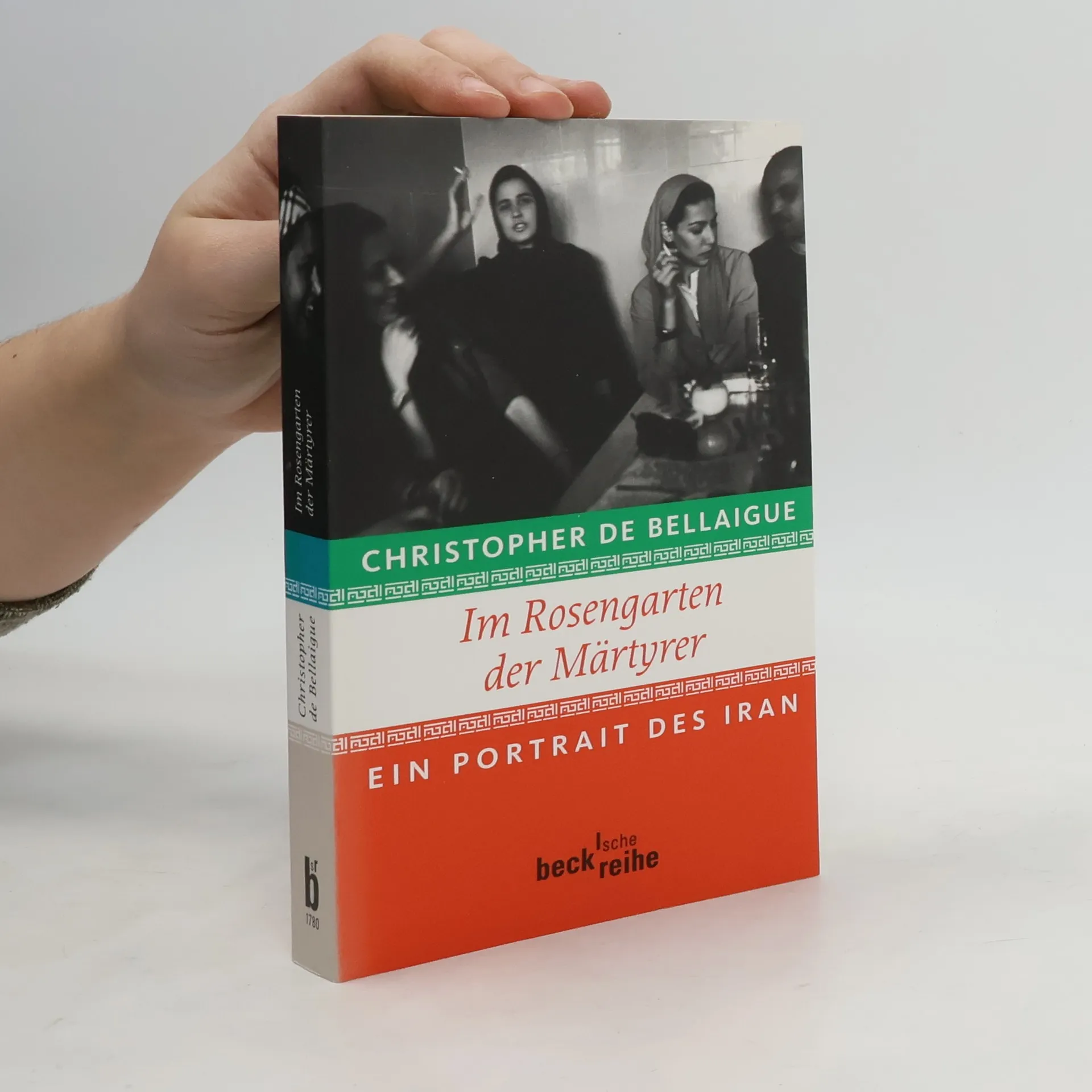
Im Rosengarten der Märtyrer
- 340 páginas
- 12 horas de lectura
Nahe der Autobahn im Süden Teherans erhebt sich die Nekropole des Ayatollah Khomeini, ein Symbol für die einstige Energie der Islamischen Revolution, die jedoch heute stagniert. Die unvollendeten Bauwerke und leeren Gebetshallen spiegeln den Zustand des Landes wider, in dem die einst so kraftvollen Geiselnehmer und heiligen Krieger, die den Schah stürzten und gegen Saddam Hussein kämpften, verschwunden sind. Christopher de Bellaigue unternimmt eine temporeiche Reise durch den heutigen Iran und beleuchtet die historischen, religiösen und kulturellen Grundlagen der Gesellschaft. Er gibt den Menschen des Landes, darunter Mullahs, Revolutionäre, Intellektuelle und Künstler, eine Stimme. Im Gegensatz zu anderen Autoren, die ähnliche Themen mit Geringschätzung behandeln, zeigt de Bellaigue Sympathie und Offenheit für seine Gesprächspartner. Als fließend Farsi sprechender Journalist, der mit einer Iranerin verheiratet ist, bietet er erhellende Einblicke in eine der geheimnisvollsten Gesellschaften der Welt. Wer die Schlüsselrolle Irans in den aktuellen weltpolitischen Konflikten besser verstehen möchte, sollte dieses eindrucksvolle Porträt des mächtigsten islamischen Landes lesen.
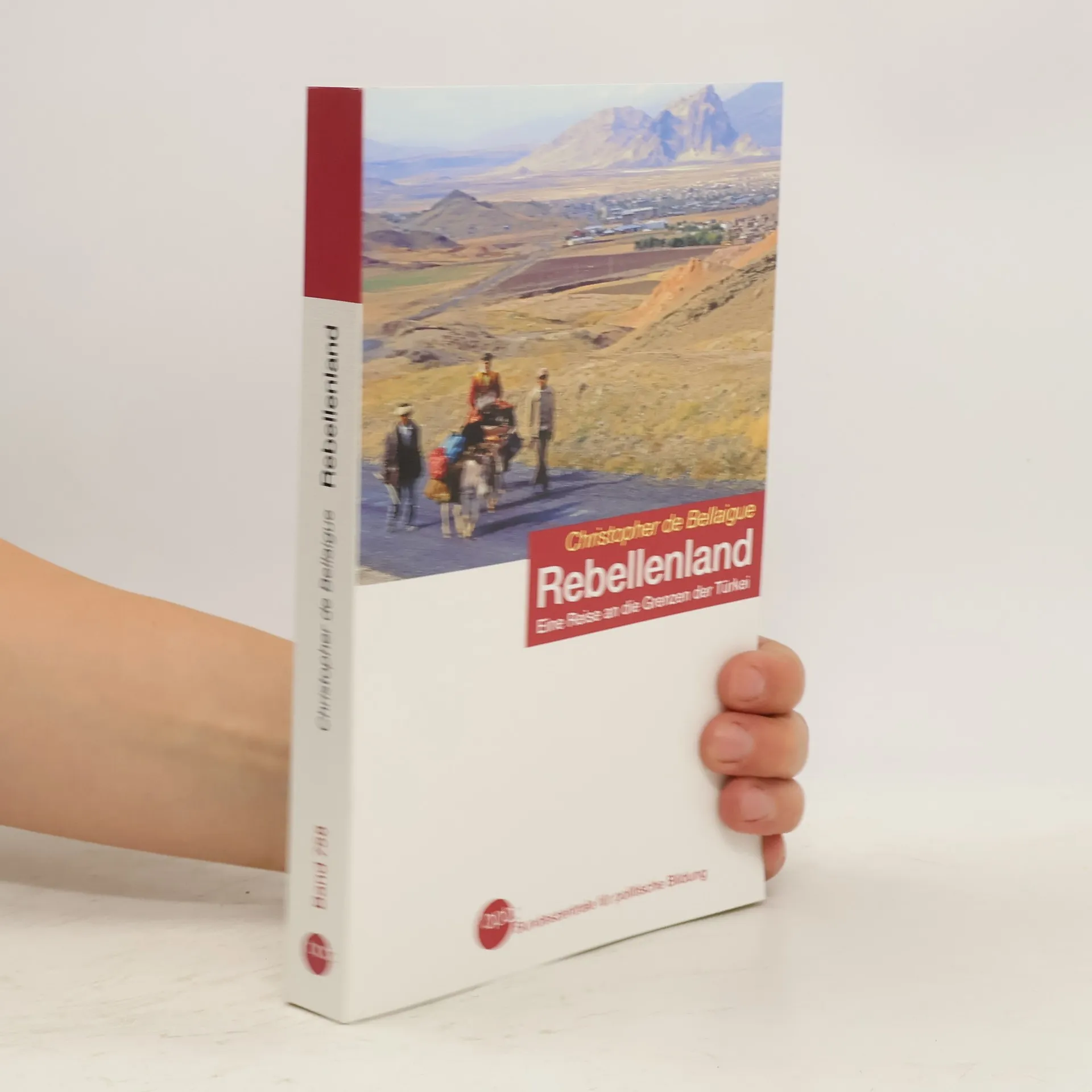
Rebellenland
- 343 páginas
- 13 horas de lectura
Die Islamische Aufklärung
Der Konflikt zwischen Glaube und Vernunft : 1798 bis heute