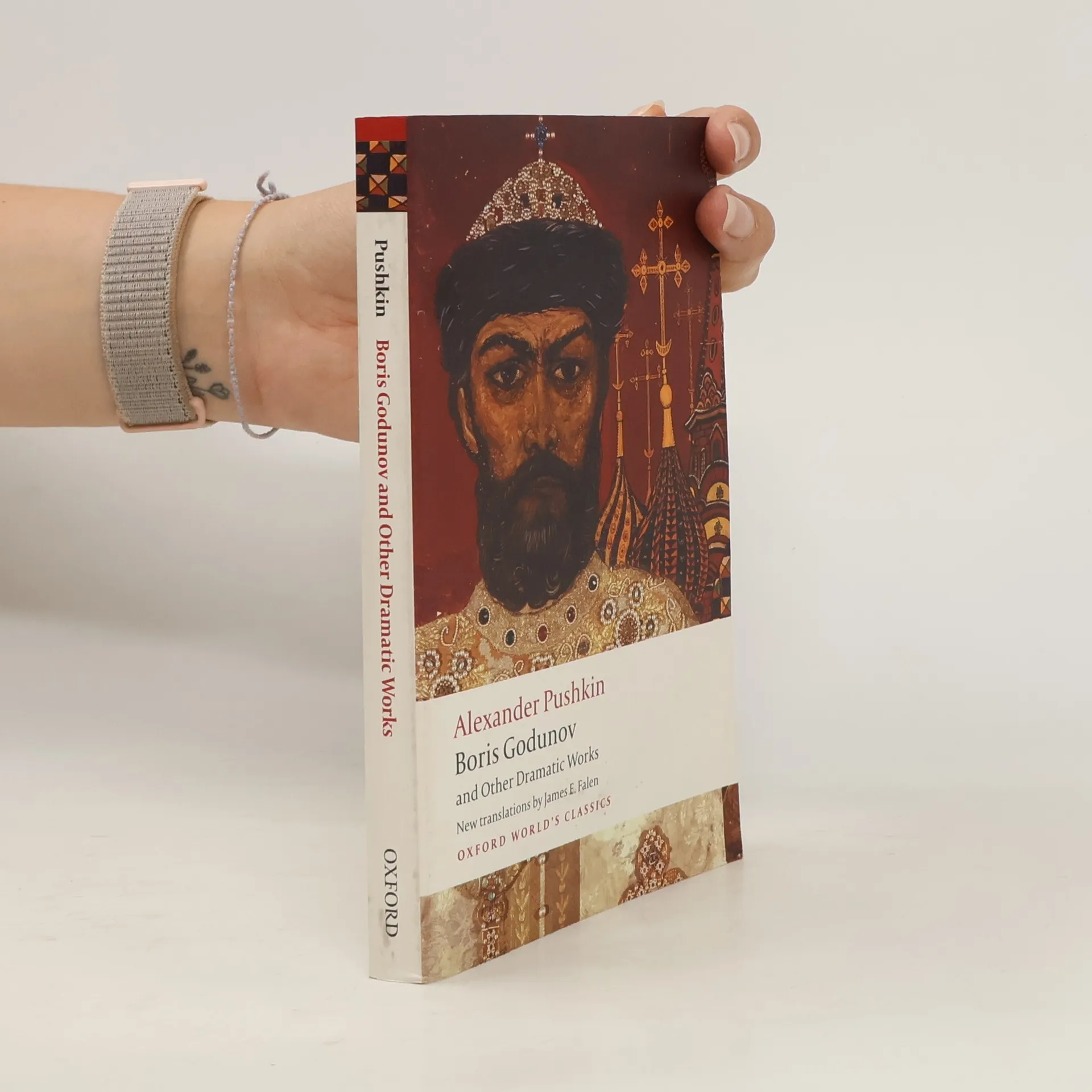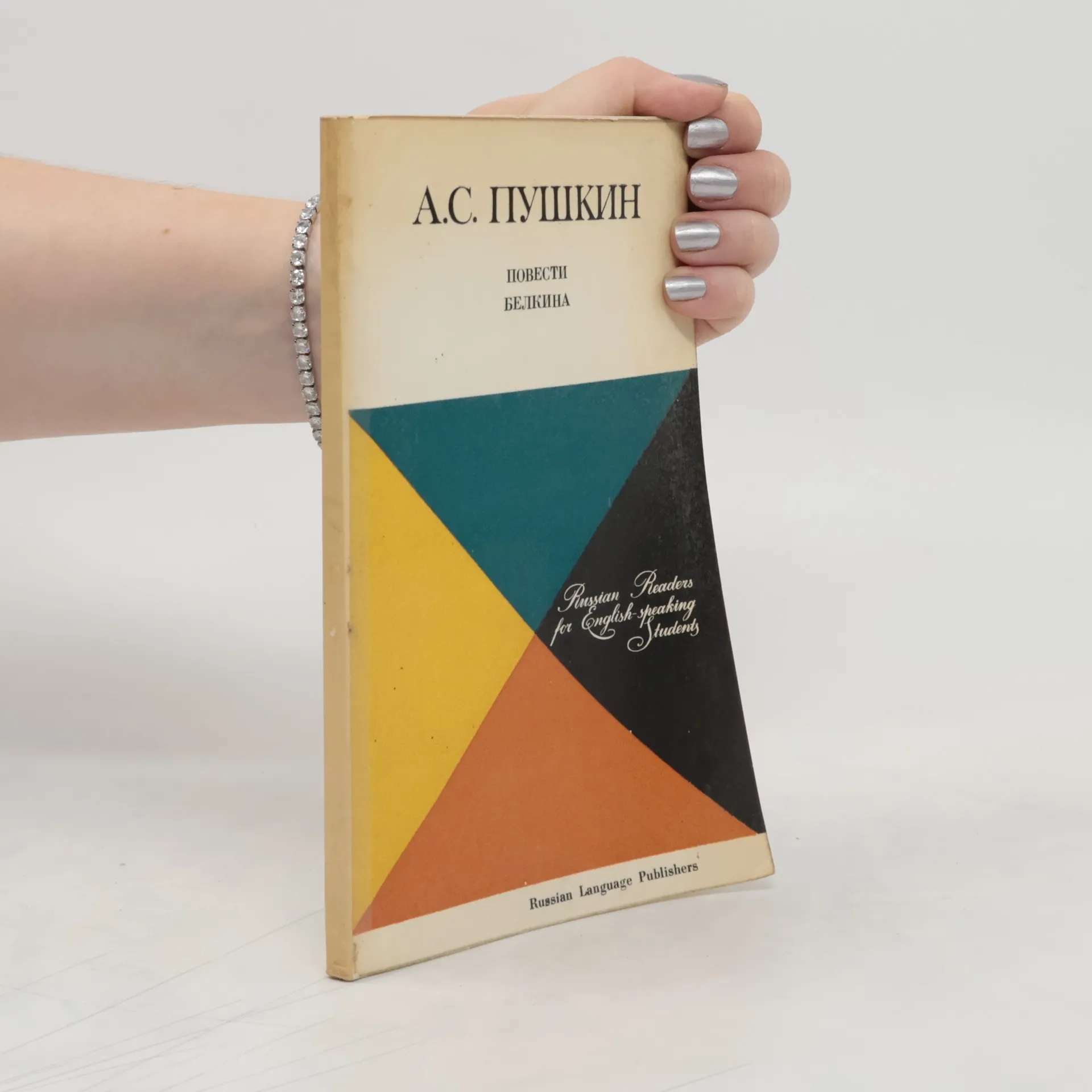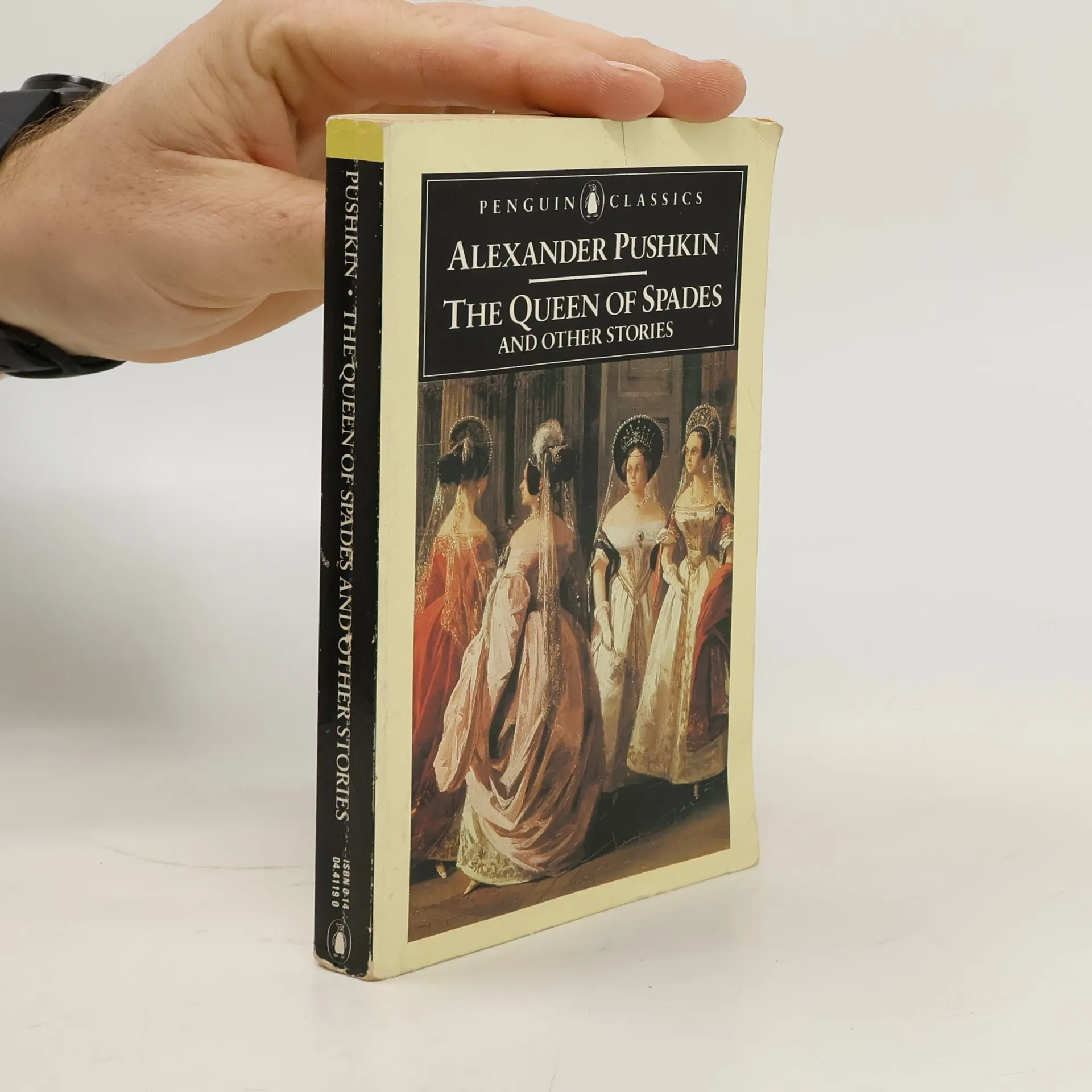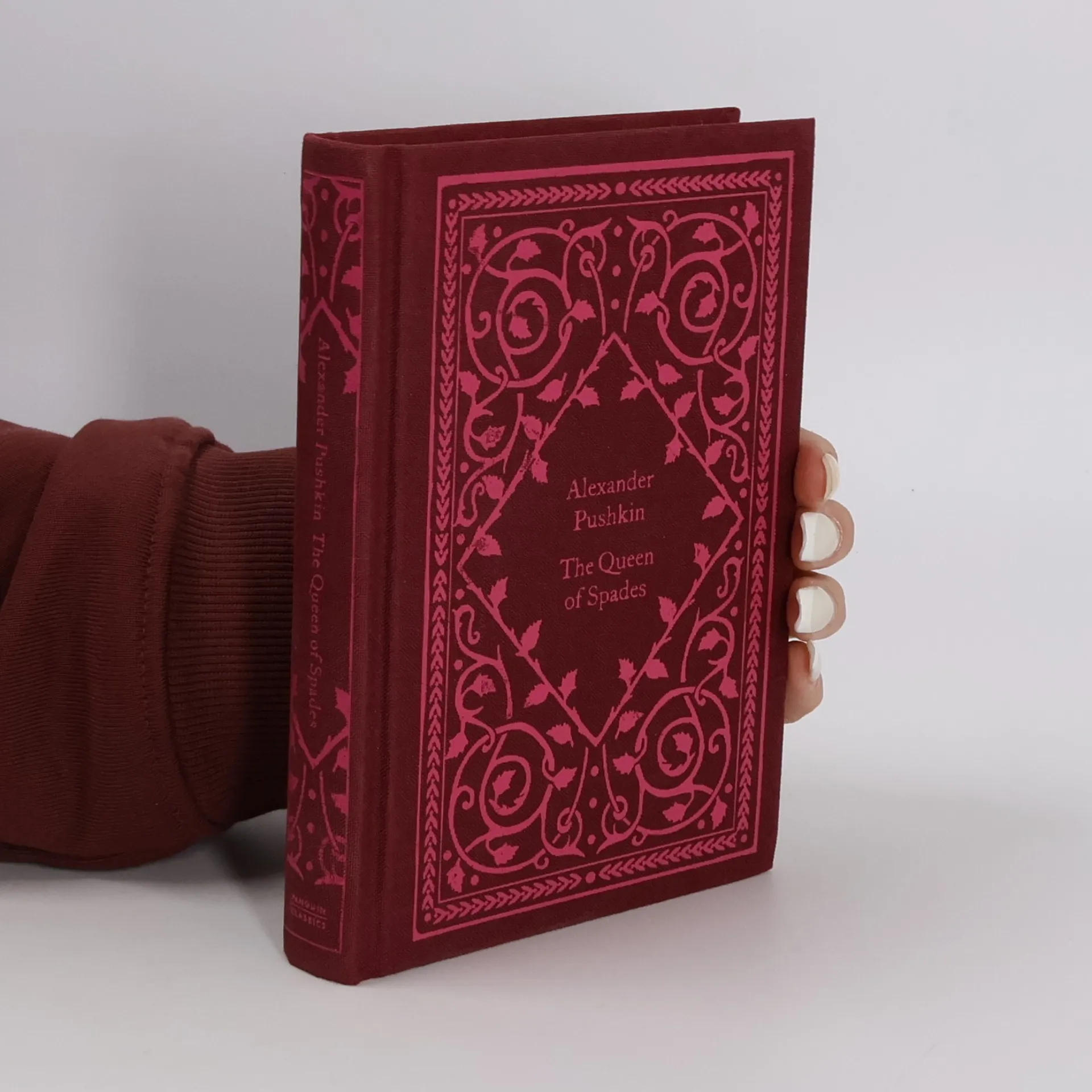
Bookbot

Aleksandr Sergejevič Puškin

  • Александр НКШП
  • А. Б.
  • P., Ст. Арз. (Старый Арзамасец)
  • Феофилакт Косичкин
  • Иван Петрович Белкин
26 de mayo de 1799 – 29 de enero de 1837
Aleksandr Sergejevič Puškin
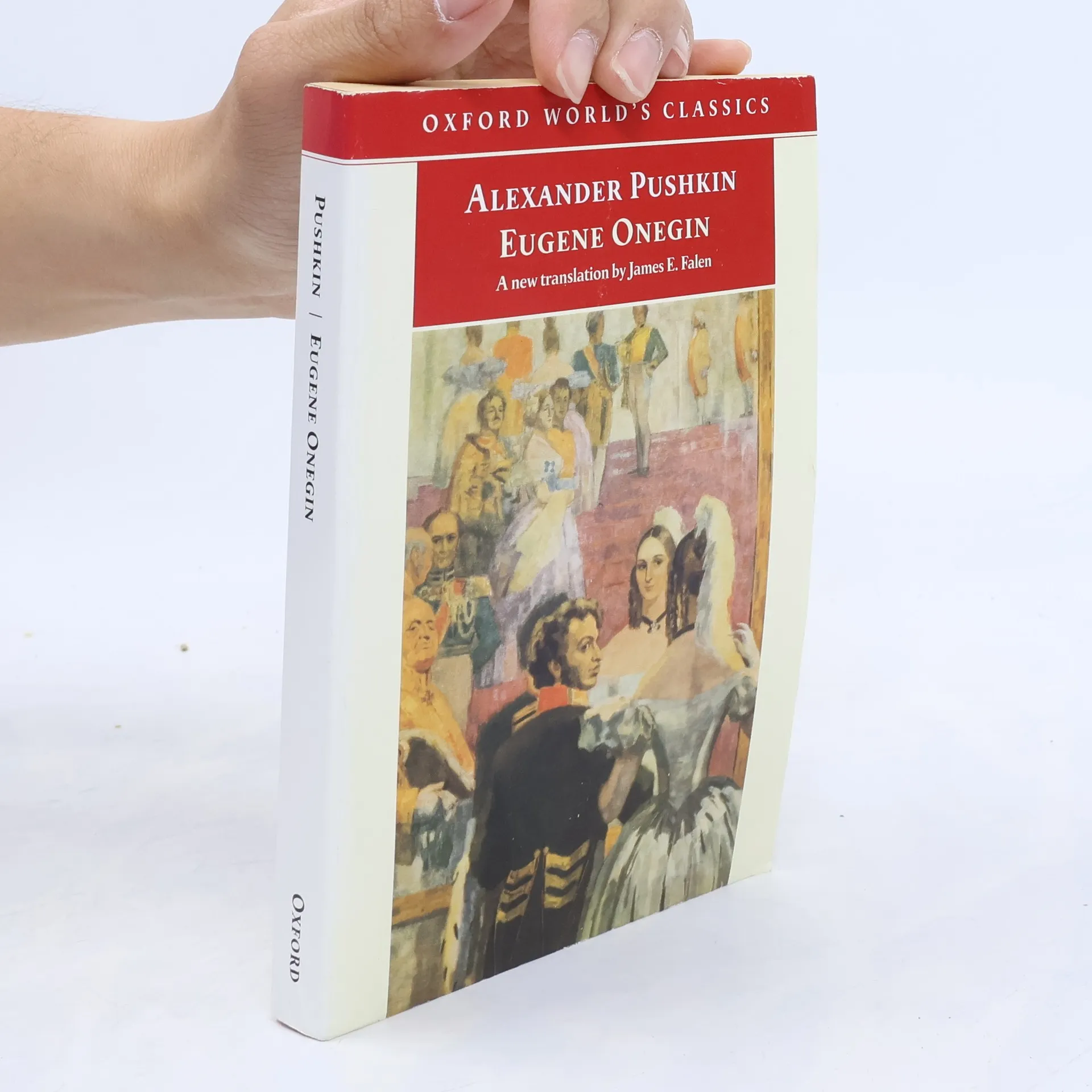
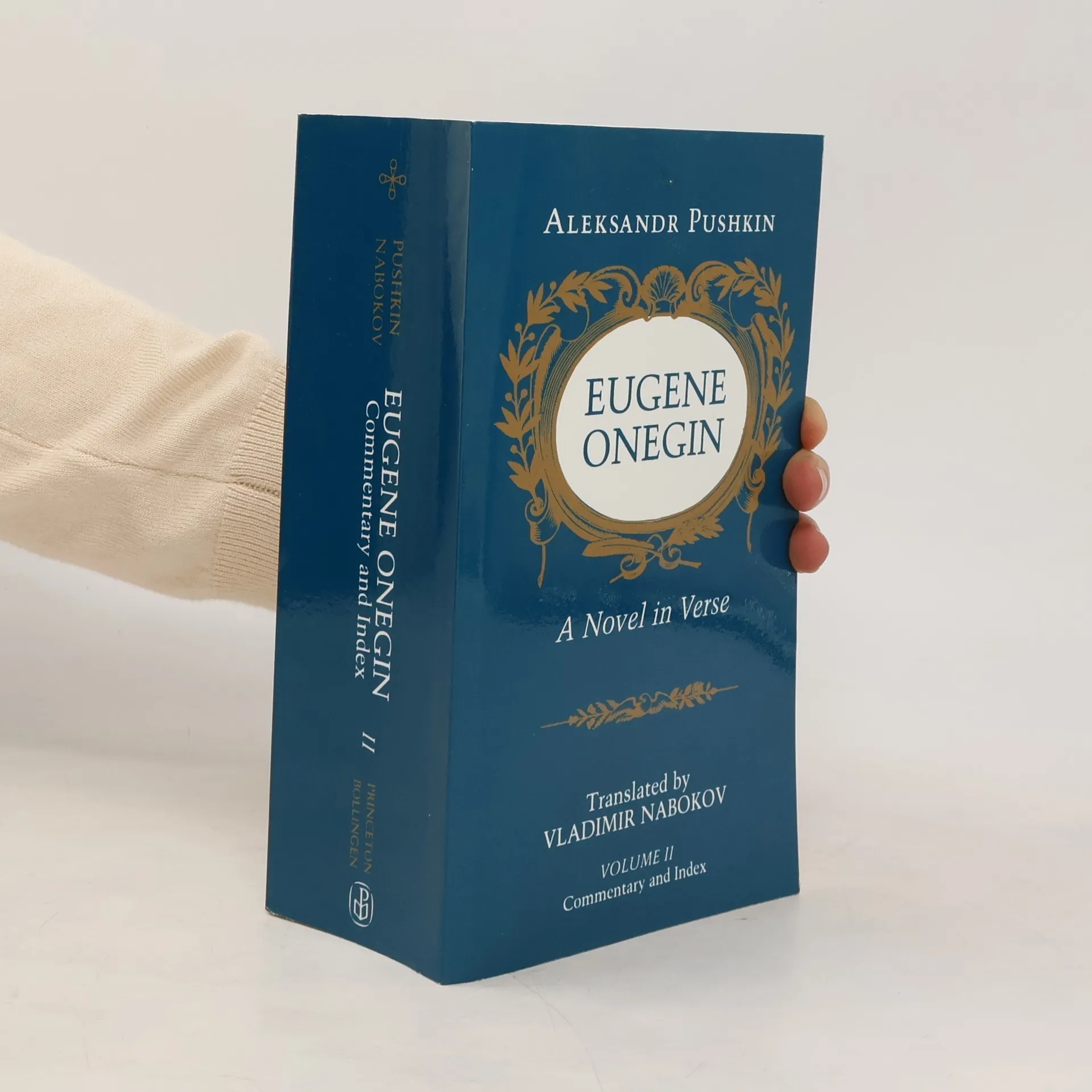
Eugene Onegin: (Translated by Henry Spalding)
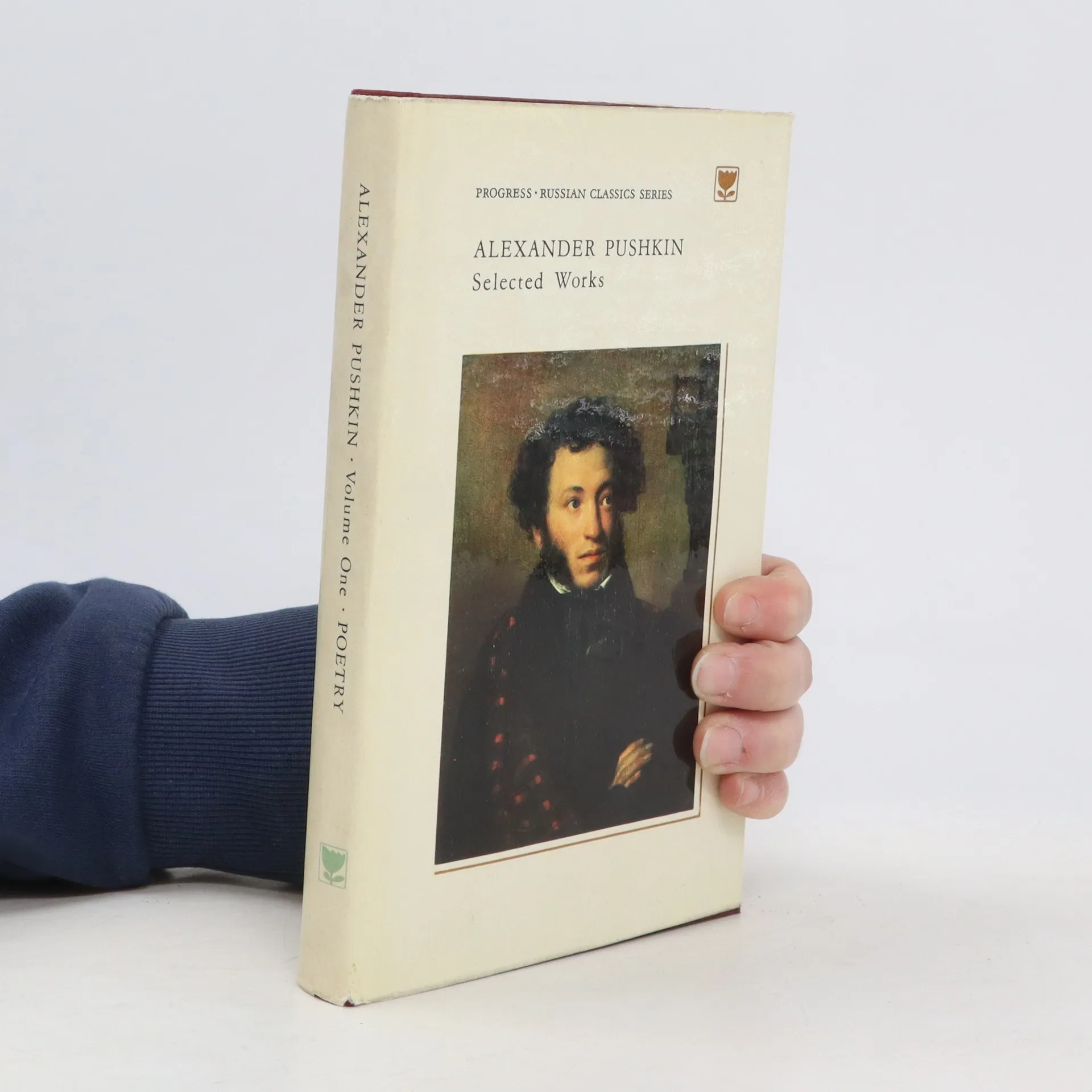
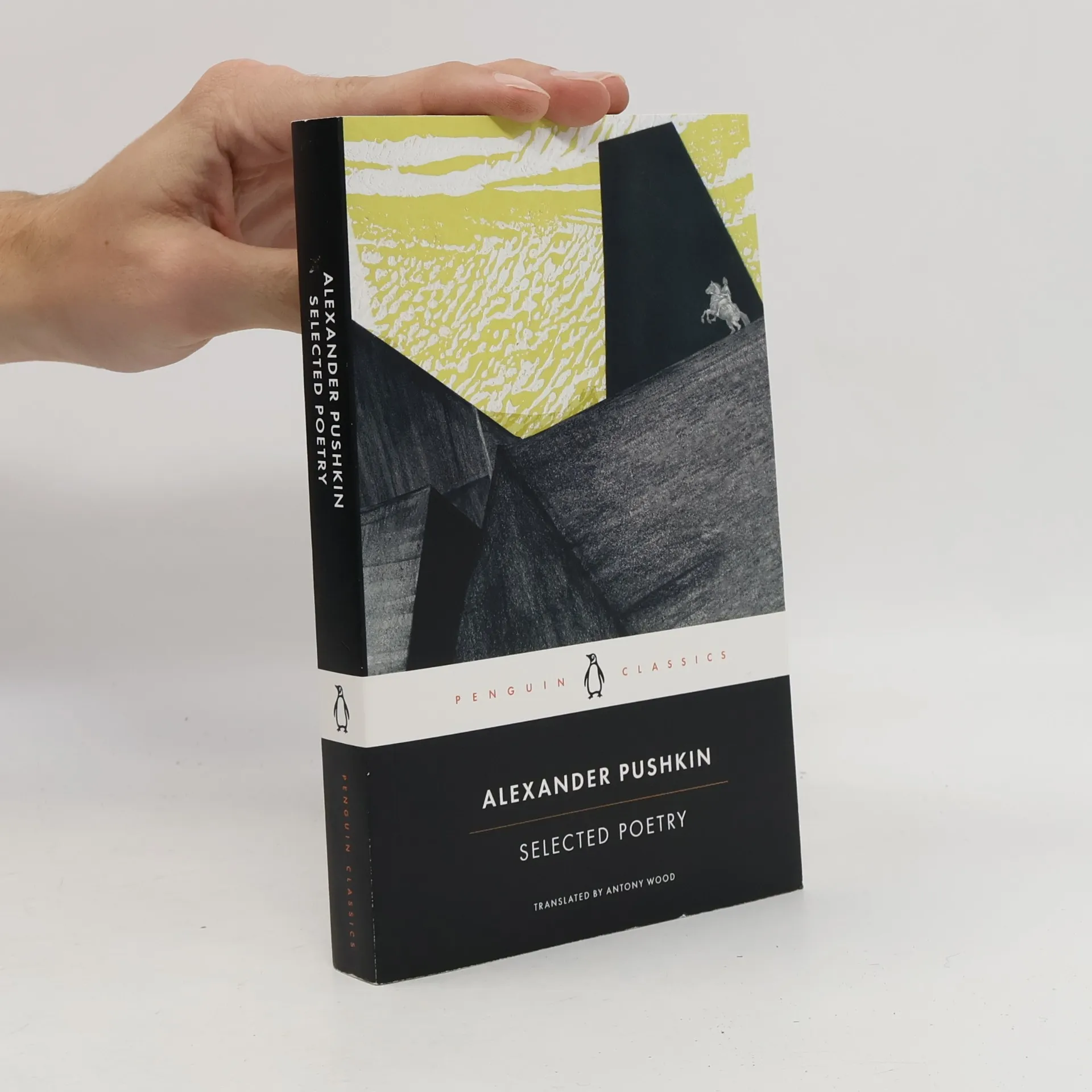
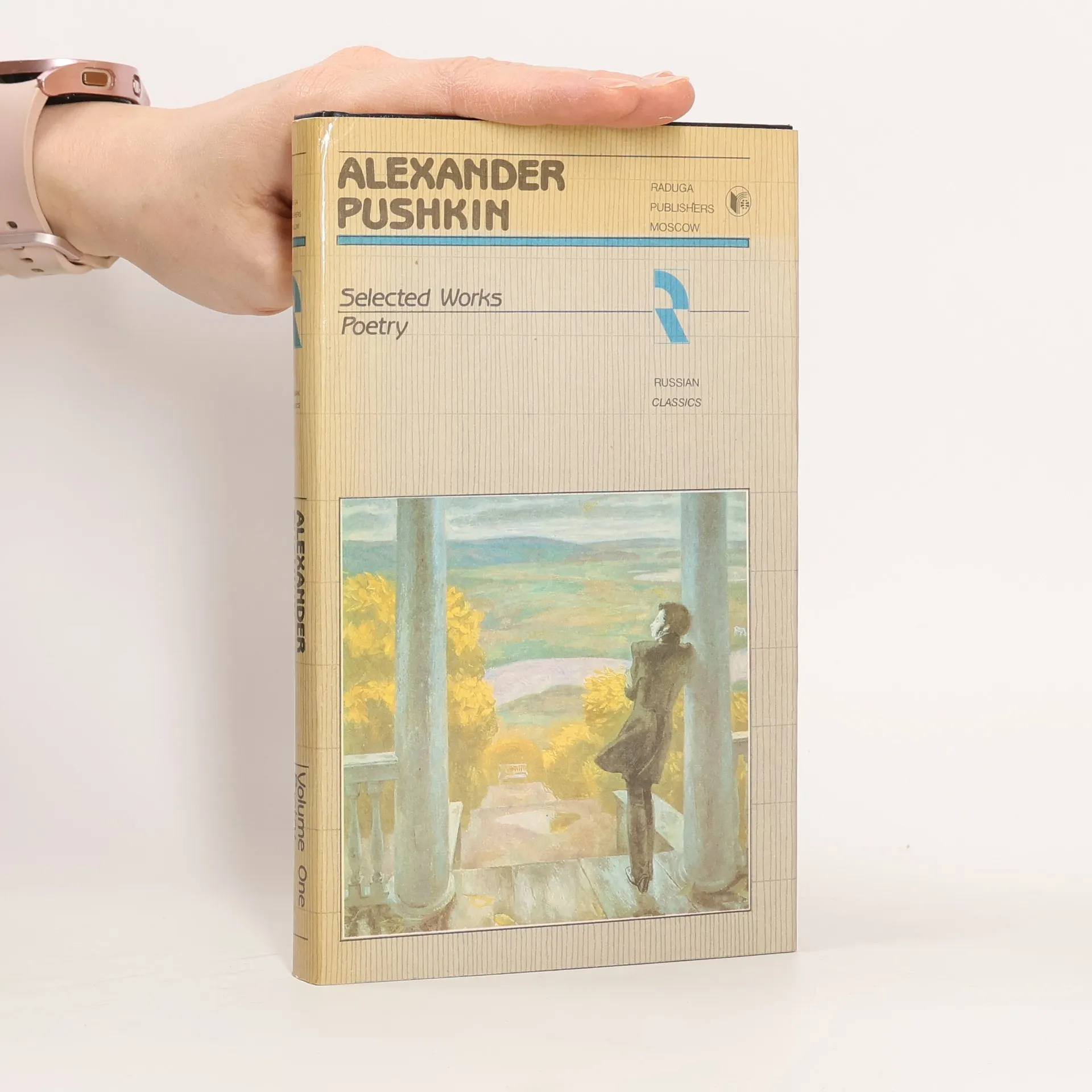
Selected Works. Poetry
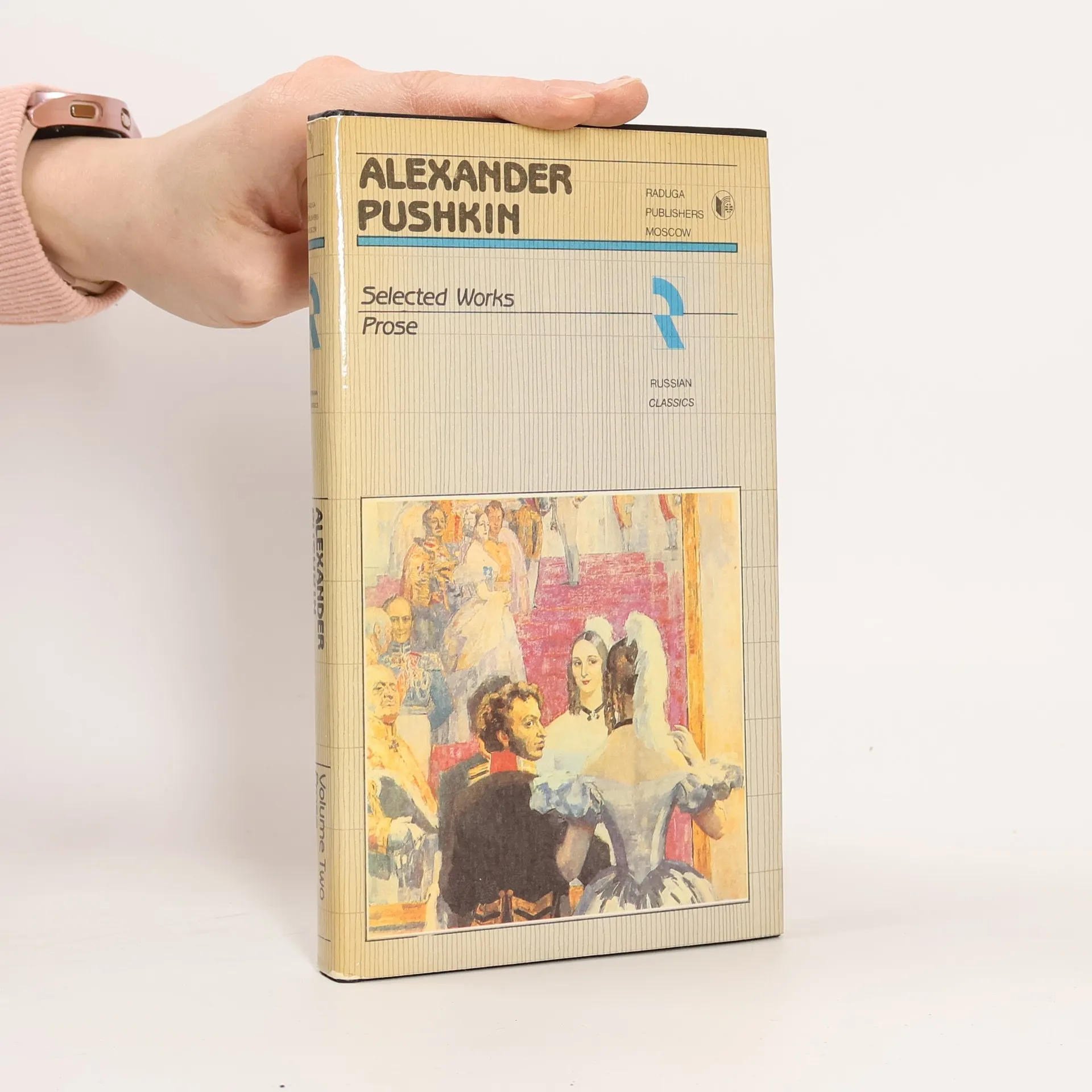
Selected Works. Prose
Lyrics: Volume 4 (1829-37)
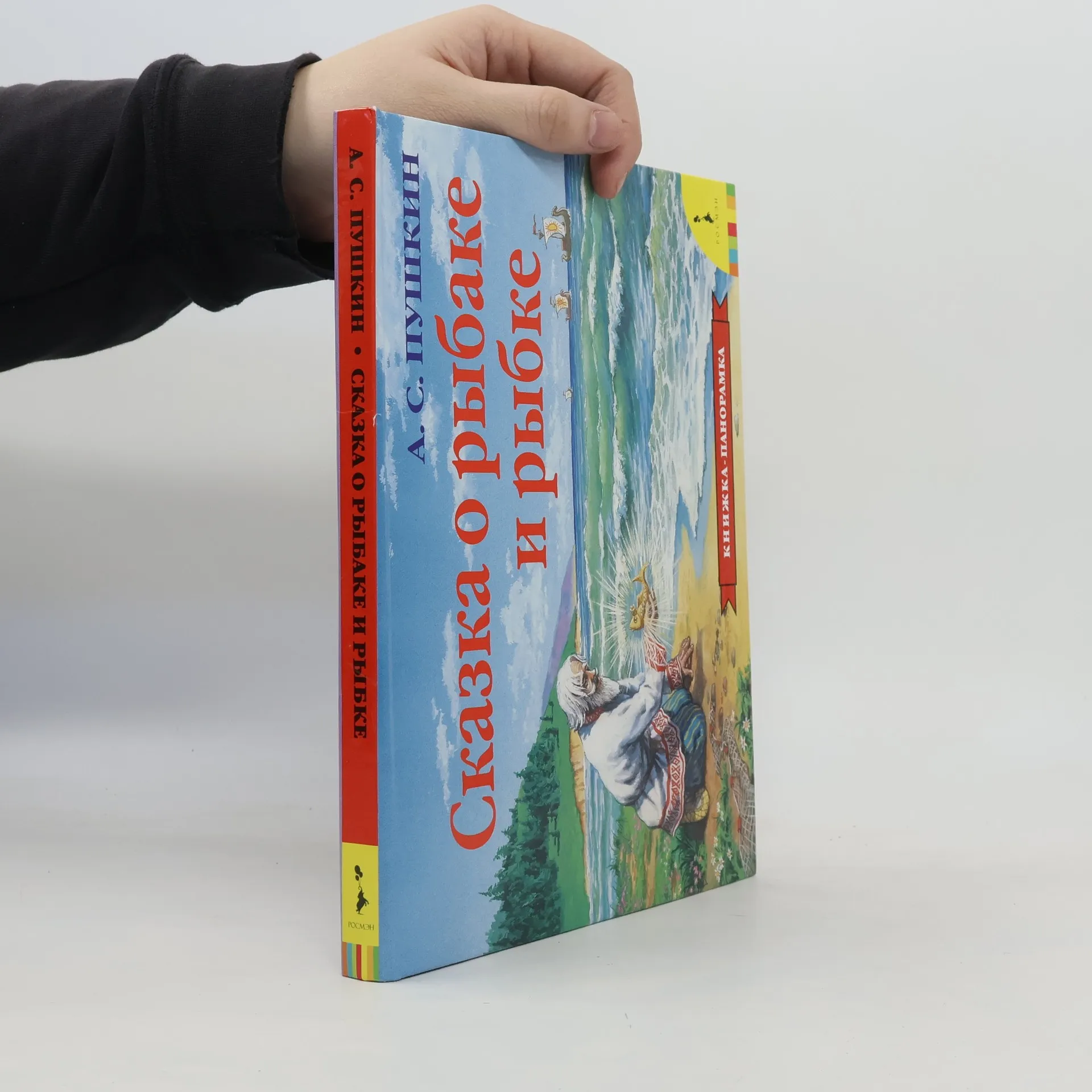
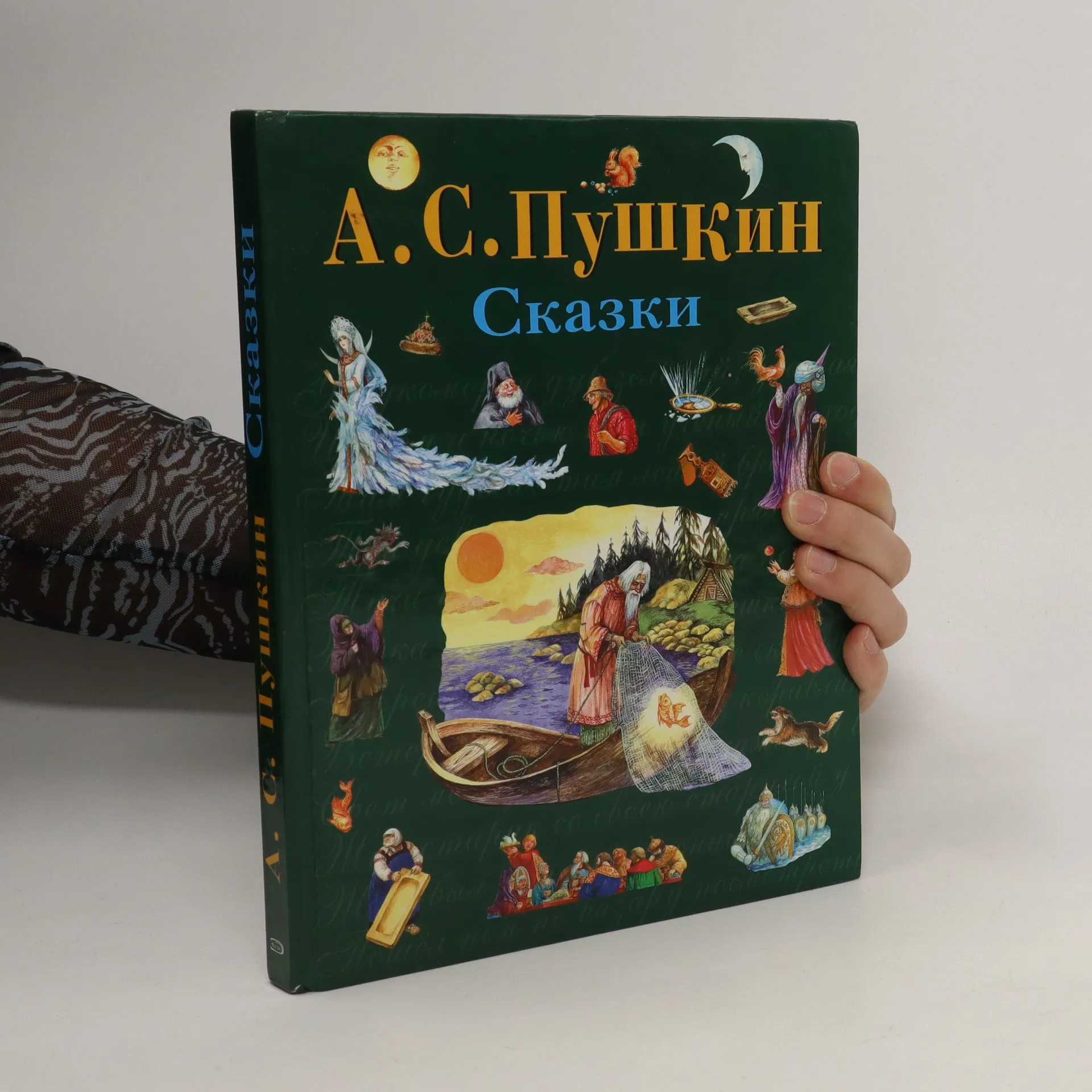
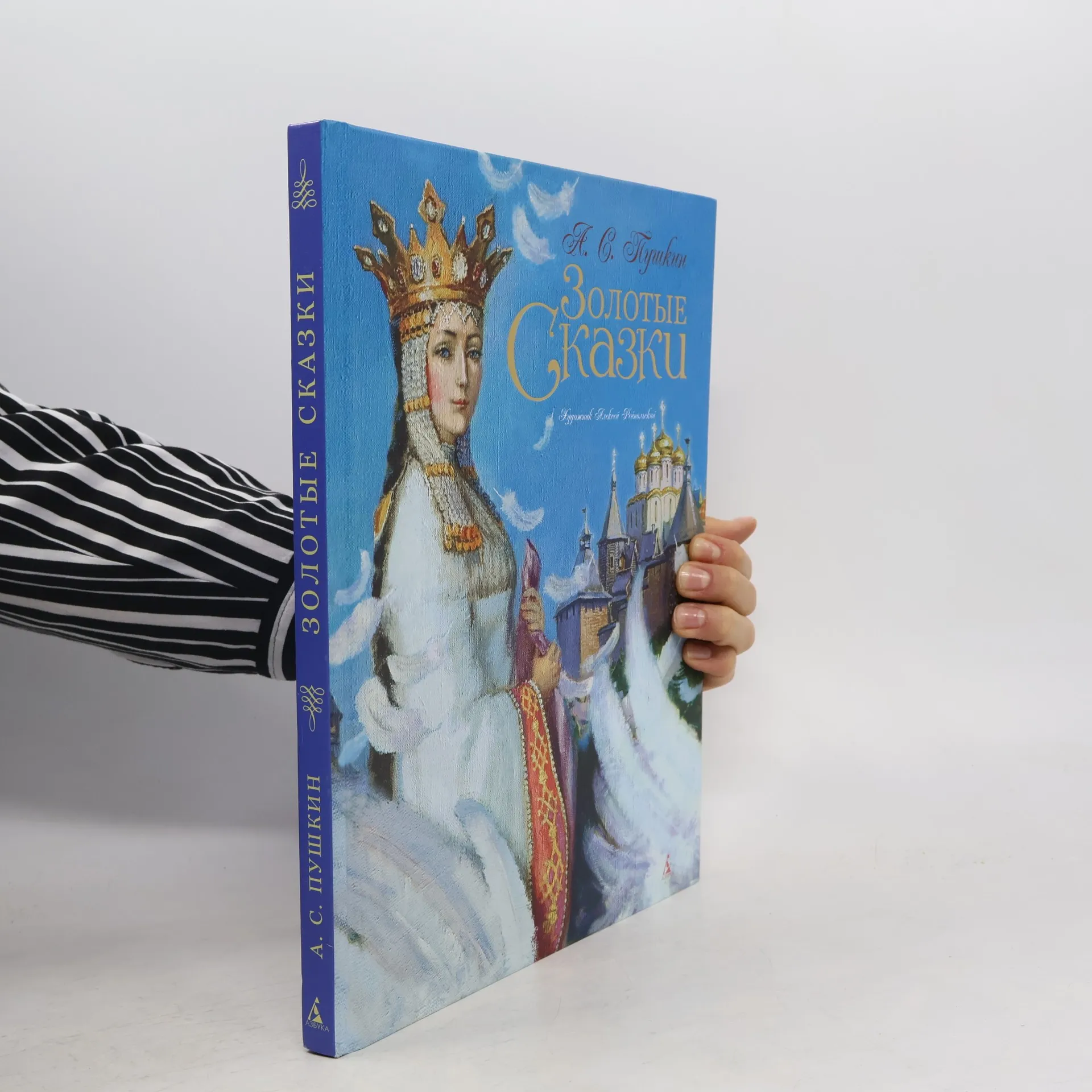
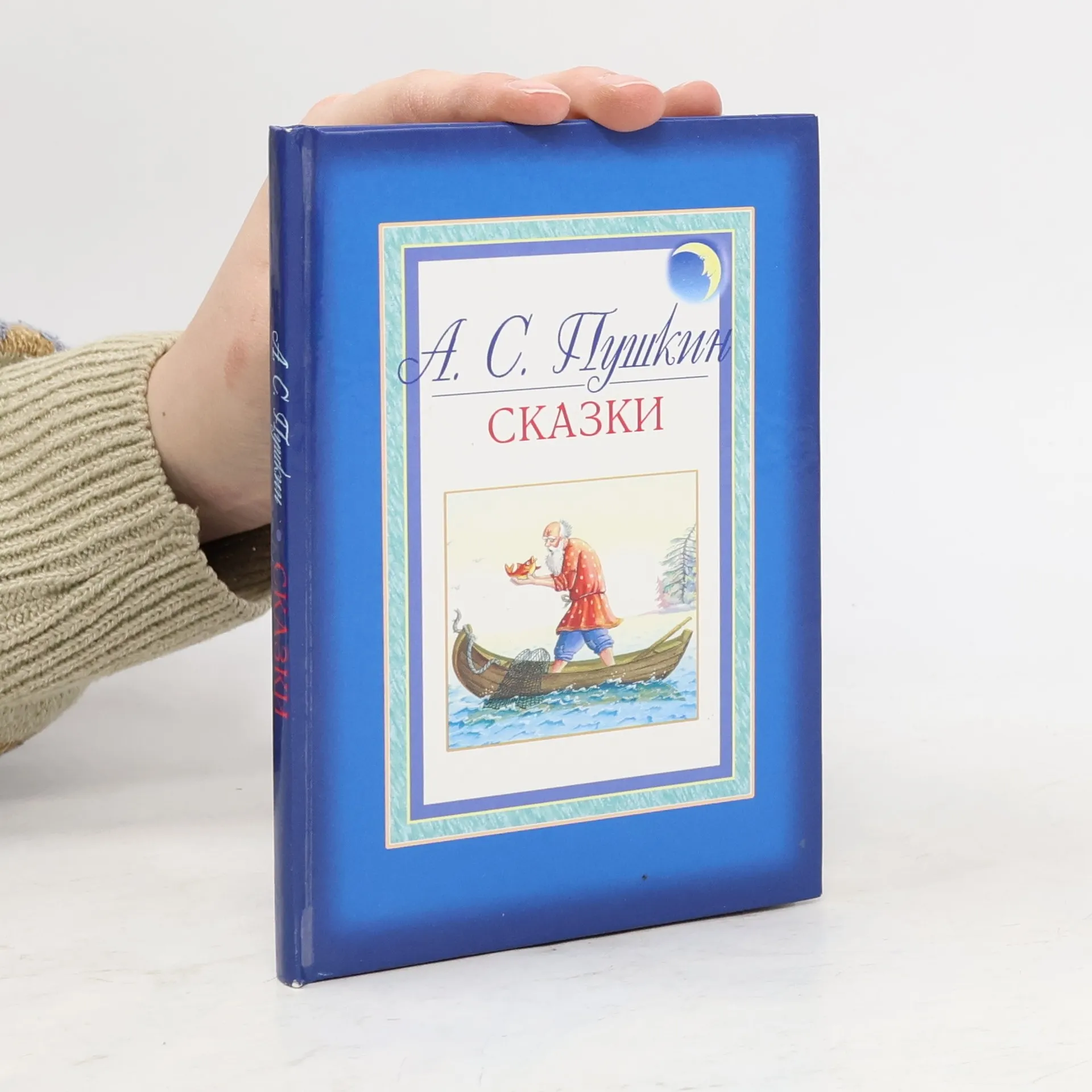
Сказки
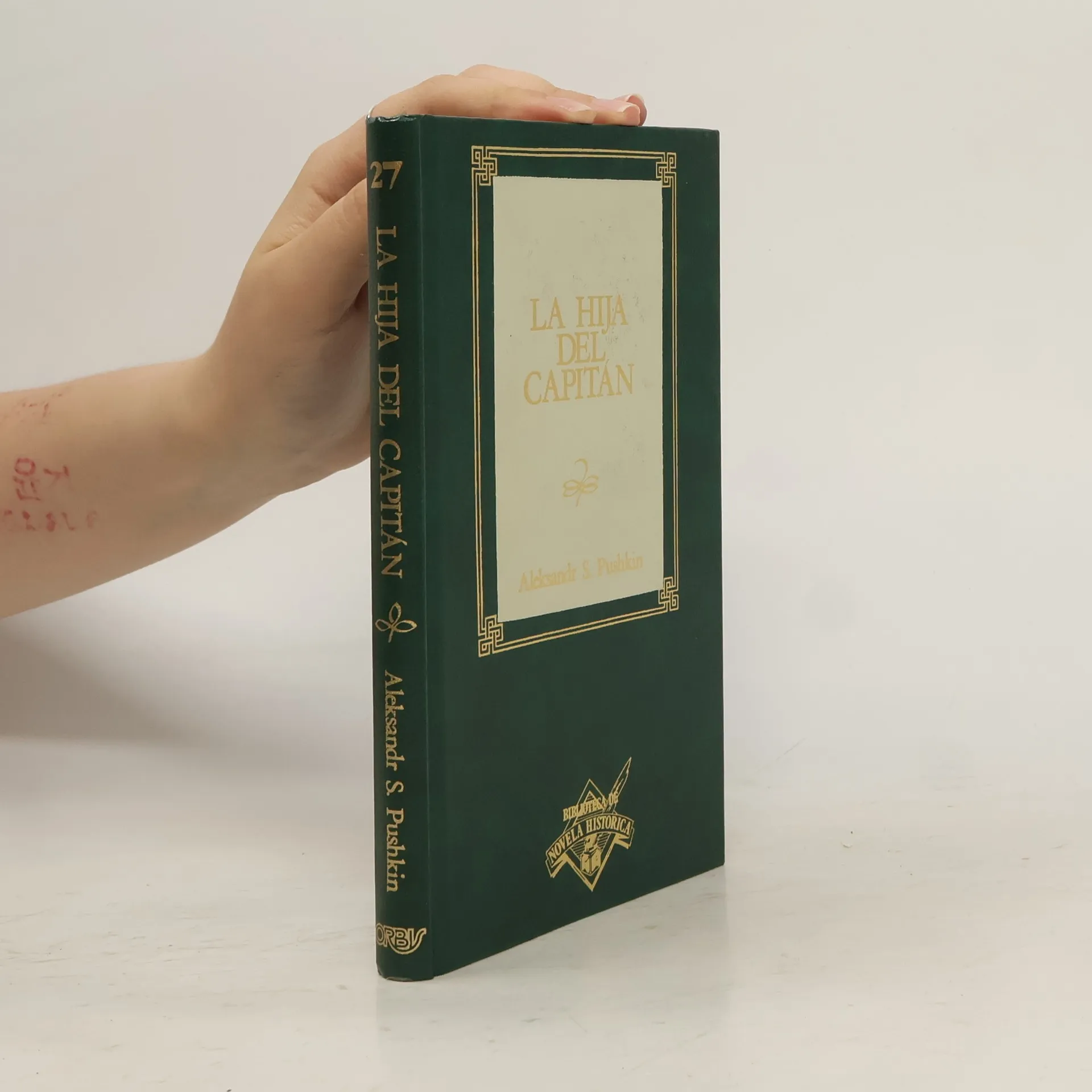
La Hija del capitán
  • La Hija del capitán

    • 118 páginas
    • 5 horas de lectura

    La obra de ALEKSANDR PUSHKIN (1799-1837) -reconocido unánimemente como uno de los principales forjadores de la literatura moderna rusa- sirvió de crisol donde se fundieron la precisión de la lengua escrita con la fértil fantasía de la lengua hablada. En LA HIJA DEL CAPITÁN (1836), bajo la influencia de Walter Scott, Pushkin, con una sinceridad alejada de la exagerada afectación romántica, se sirve de un hecho histórico -la sublevación del caudillo cosaco Yemelián Pugachov- para explorar literariamente uno de los temas constantes en la historia de la sociedad rusa: el conflicto entre un sistema despótico e injusto y un pueblo sometido y humillado, proclive a utilizar la figura de falsos mesías para defender su honor y liberar su ira contra el poder opresor.

    La Hija del capitán
    4,1
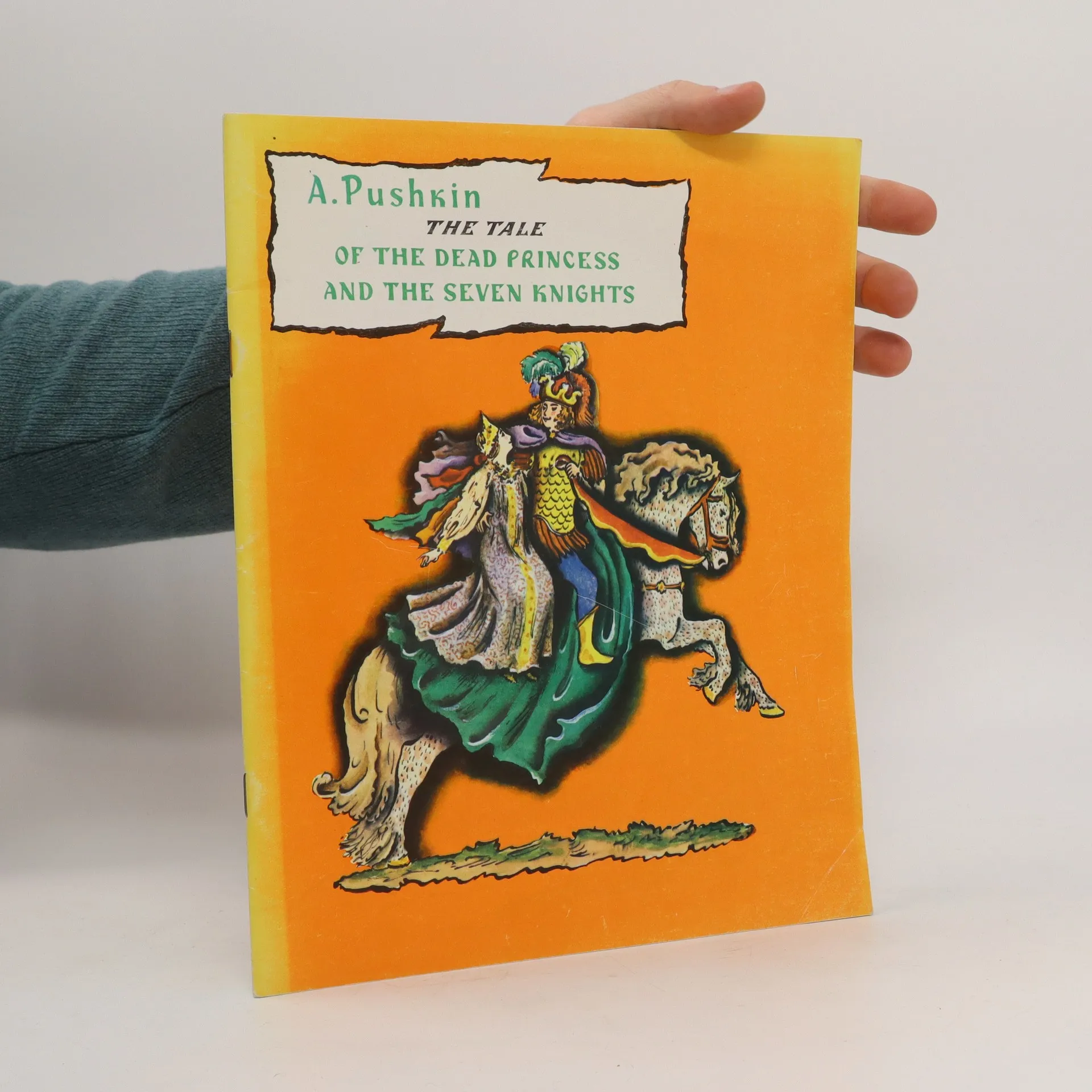
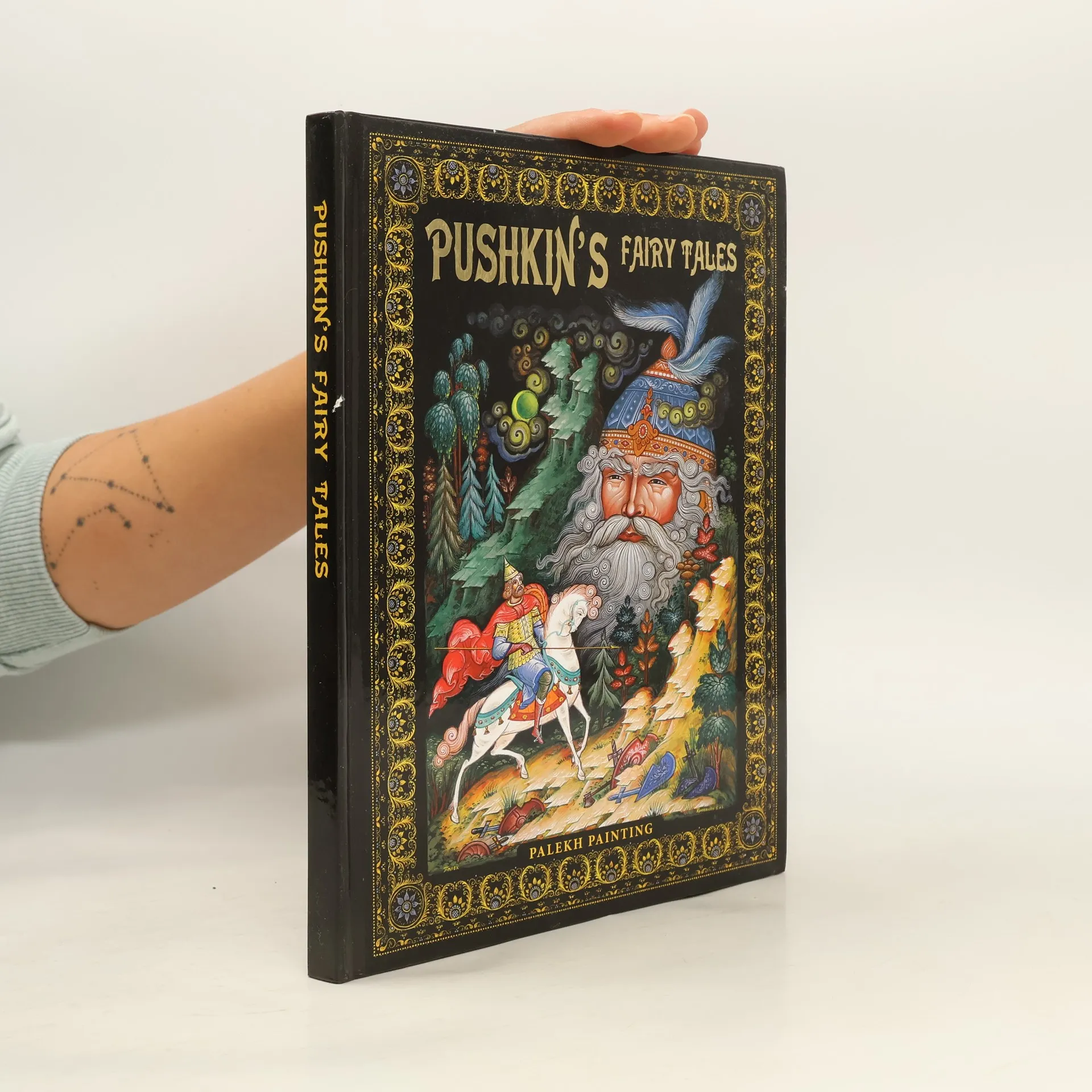
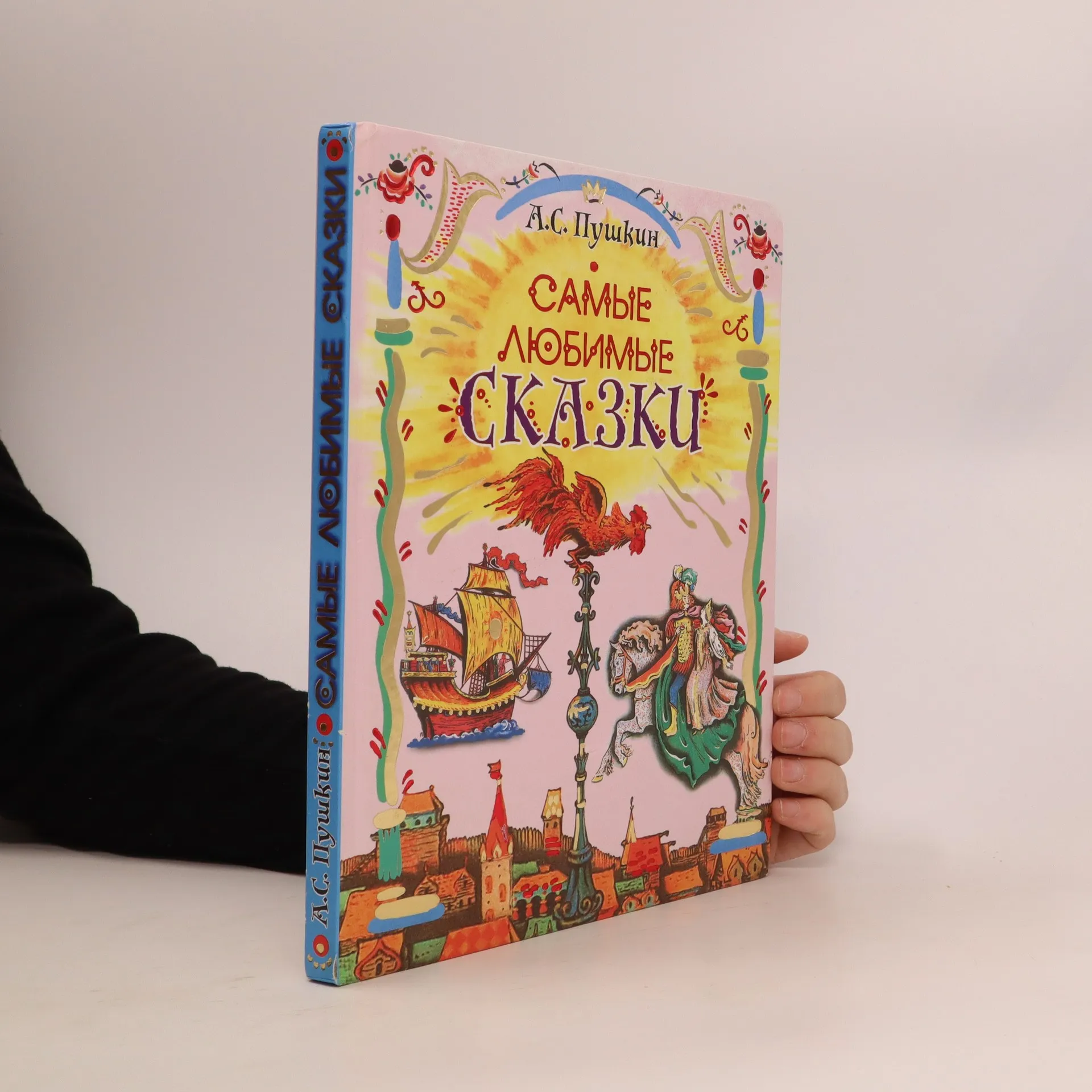
  • Collection of Pushkin's fairy tales in verse for adults to read to young children.
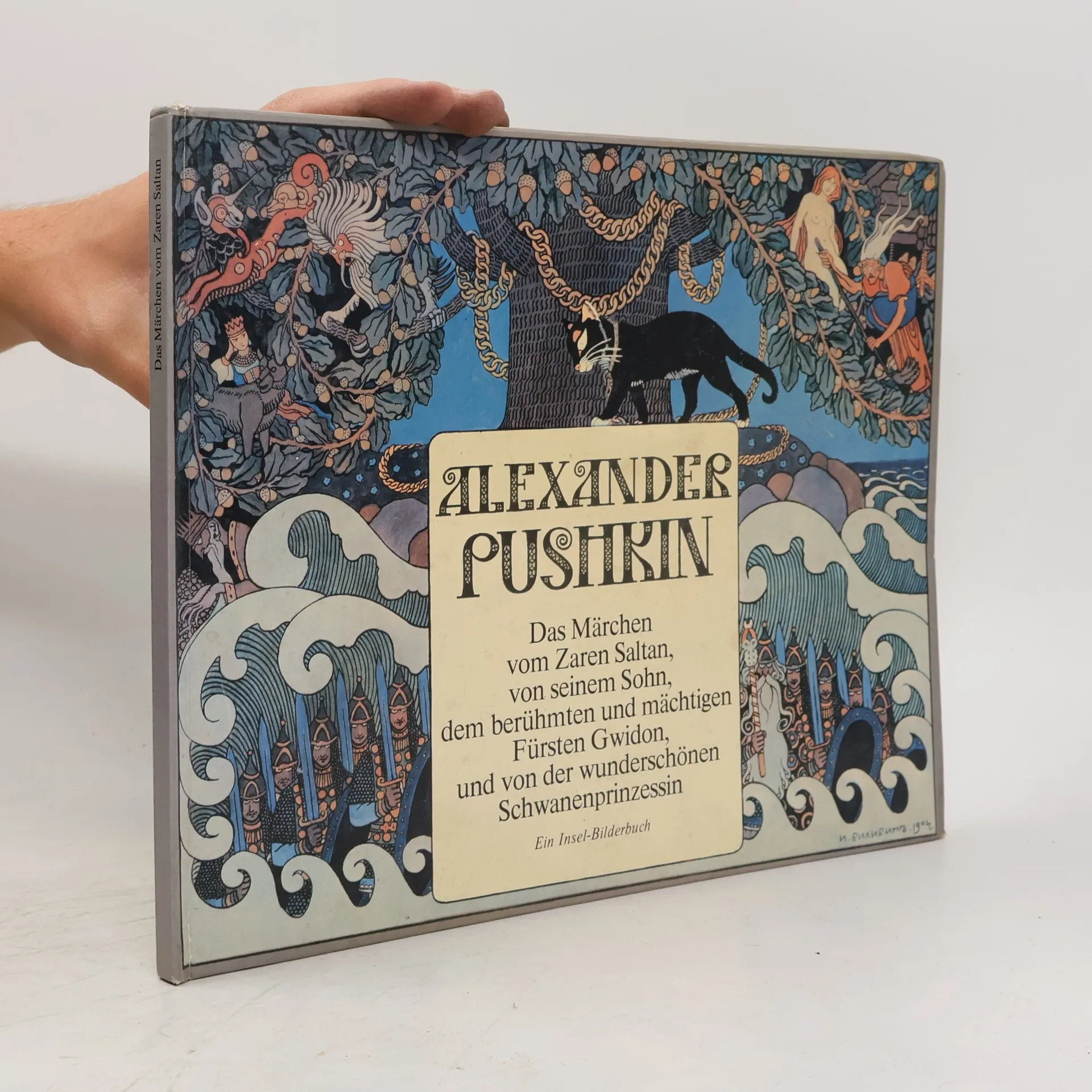
    Сказки
    4,7
  • Lyrics: Volume 4 (1829-37)

    • 448 páginas
    • 16 horas de lectura

    Presented in a verse translation opposite the original Russian text and enriched with notes, pictures and an appendix on Pushkin's life and works, this collection will be essential reading for anyone wishing to delve deeper into the Russian bard's genius.

    Lyrics: Volume 4 (1829-37)
    5,0
  • Eugene Onegin: (Translated by Henry Spalding)

    • 174 páginas
    • 7 horas de lectura

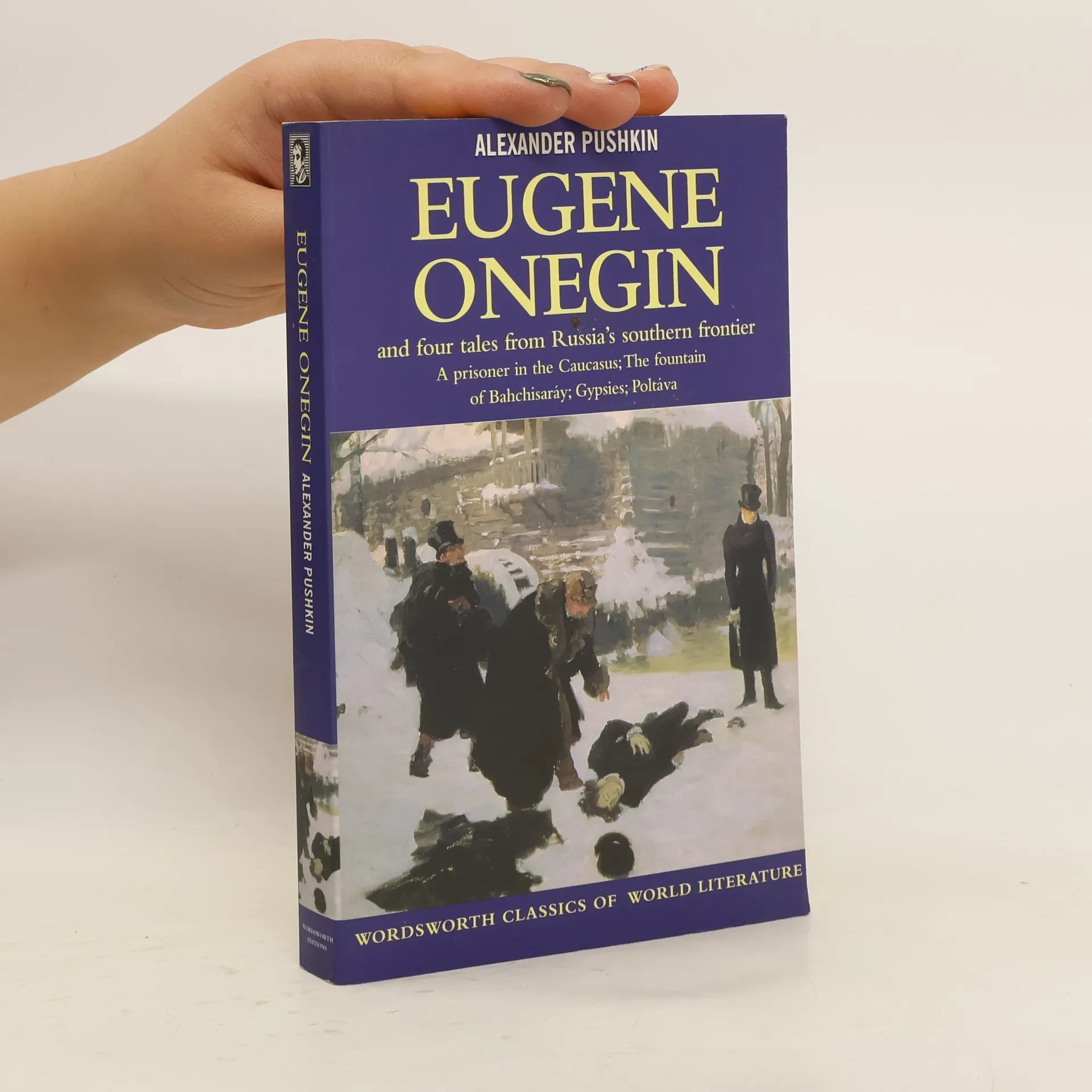
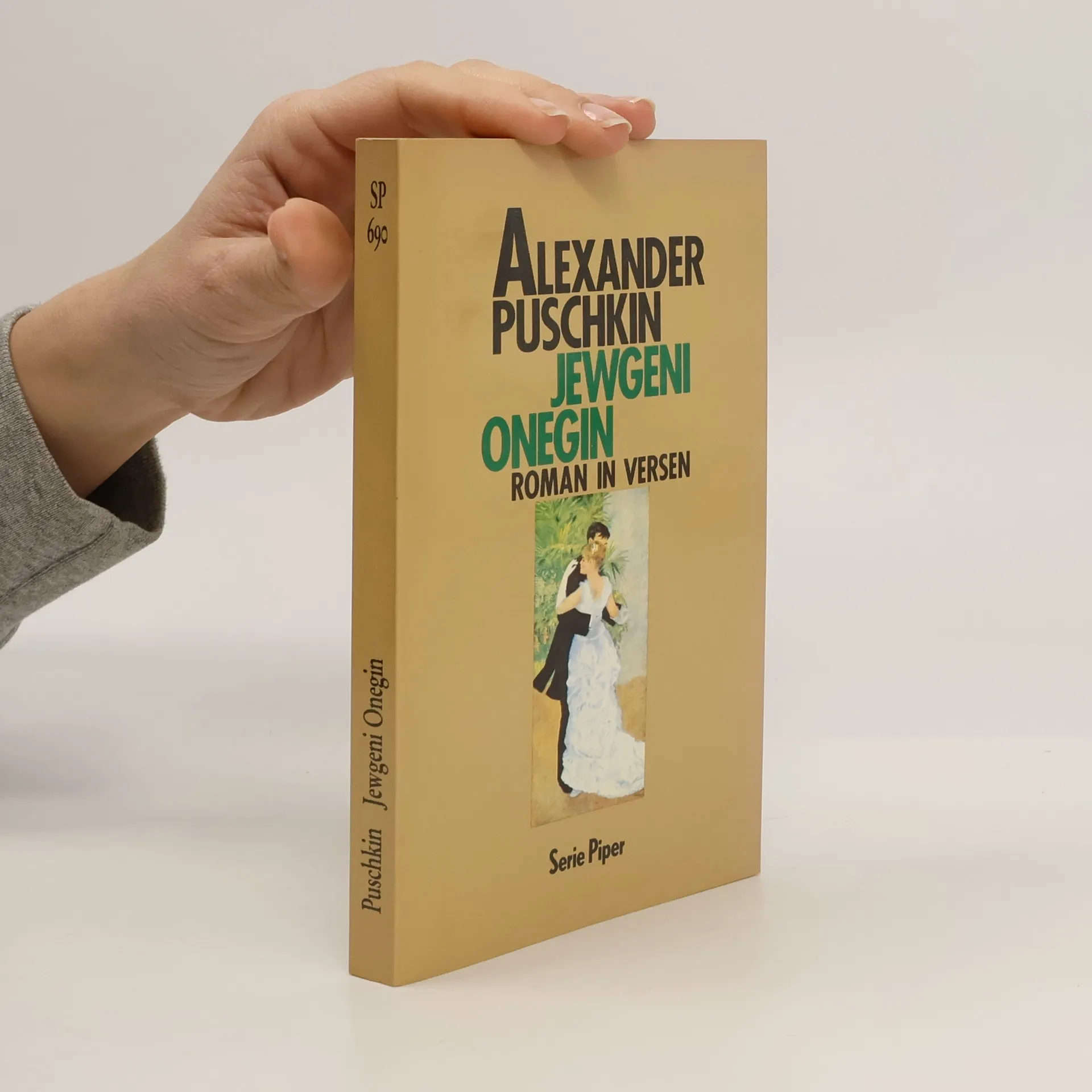
    Set in 18th-century imperialist Russia, the novel follows Eugene Onegin, a disenchanted dandy who inherits a fortune and moves to the countryside. There, he befriends the idealistic poet Vladimir Lensky and meets Tatyana, who falls for him. Eugene's rejection of her love leads to regret and tragedy, highlighting themes of love, social ennui, and the consequences of choices. Celebrated as Alexander Pushkin's masterpiece, this verse novel combines lively narrative with deep emotional insights, making it a classic of Russian literature.

    Eugene Onegin: (Translated by Henry Spalding)
    4,6
  • Complete Prose Tales

    • 544 páginas
    • 20 horas de lectura

    Beyond his perfect expression of Russian mood, Pushkin's universality of vision has made him a permanent place in the history of world literature. This translation contains his prose fiction, including some tales which remained unfinished when Pushkin was tragically killed in a duel at the age of thirty- seven.

    Complete Prose Tales
    4,4
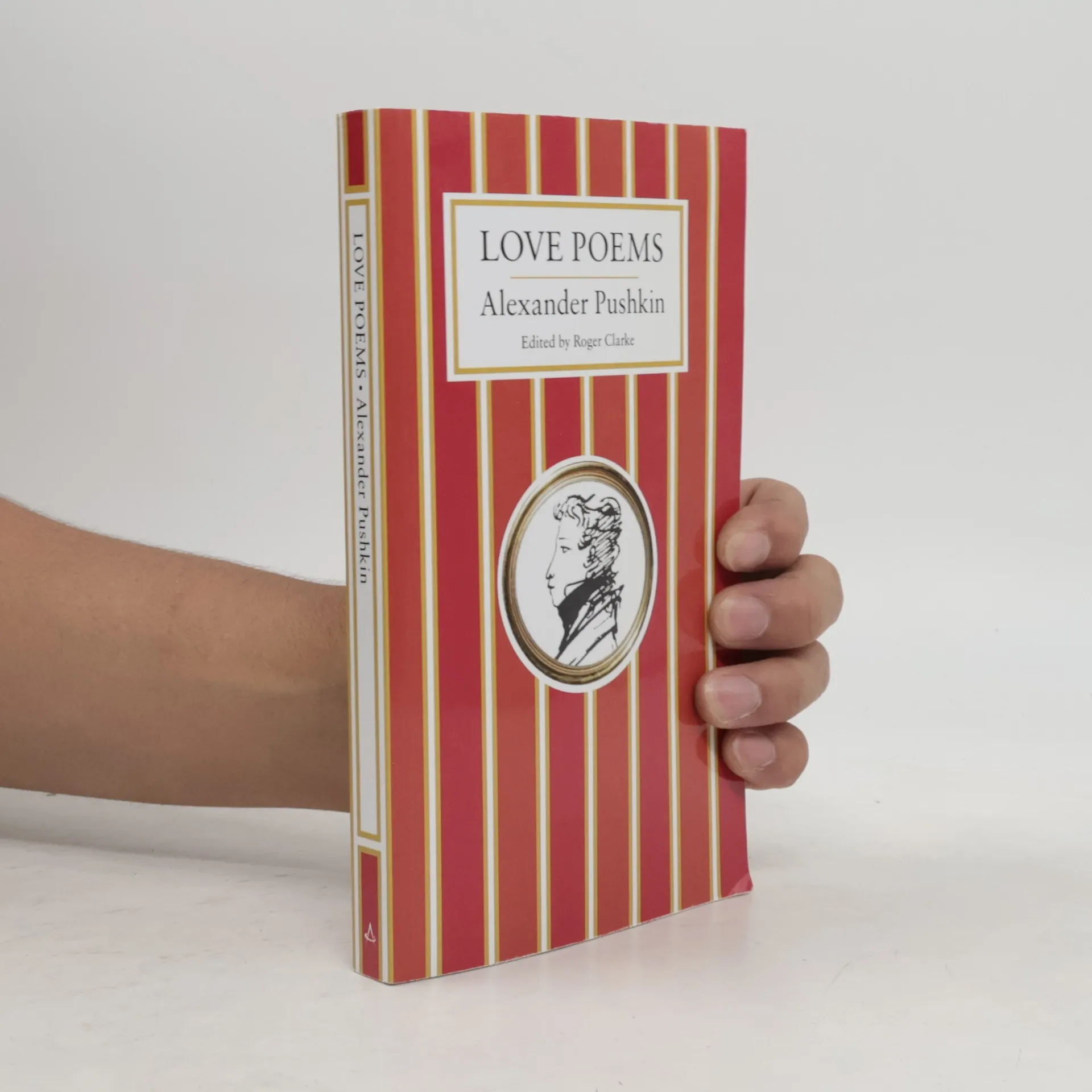
  • Love Poems

    • 224 páginas
    • 8 horas de lectura

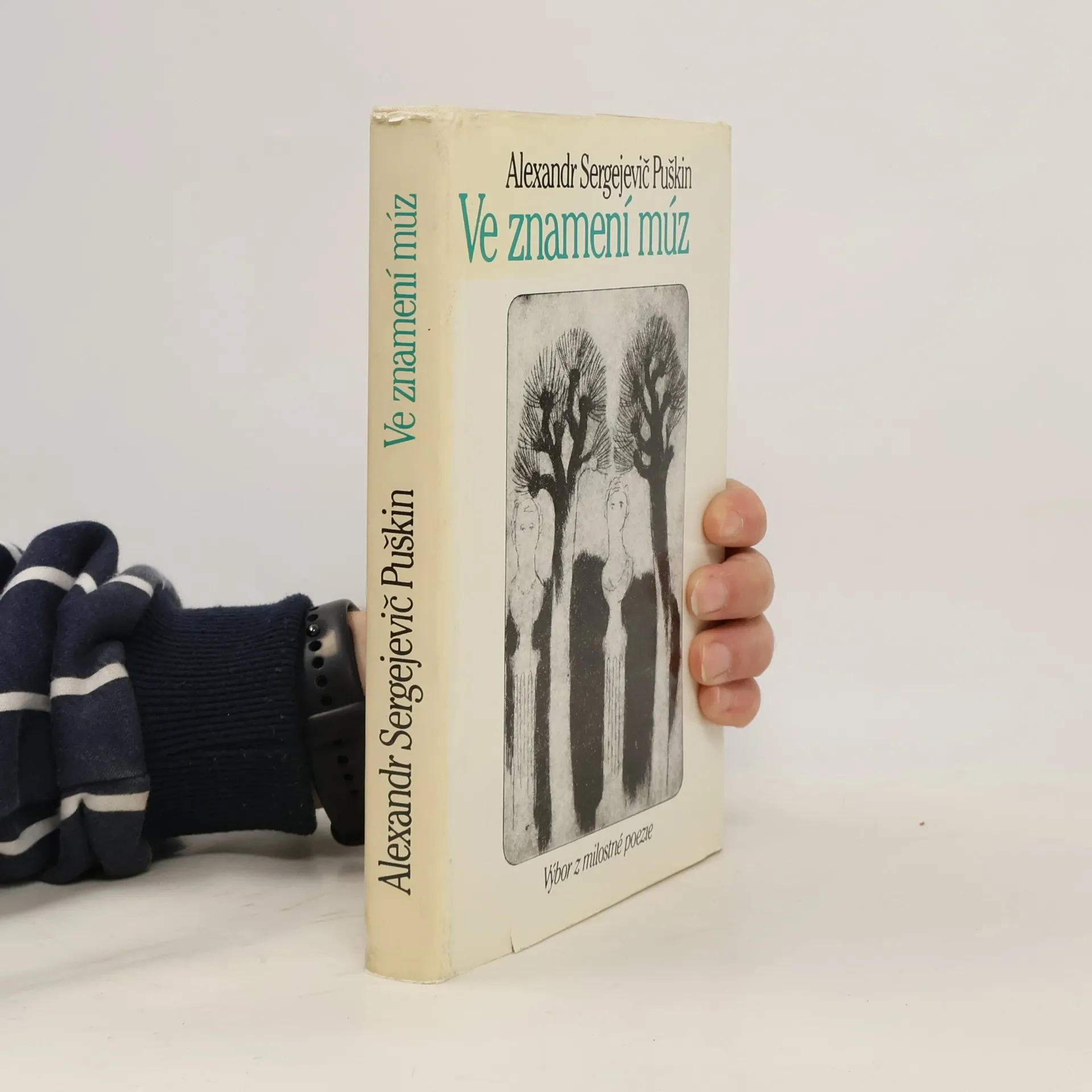
    One of the many aspects of Alexander Pushkin's immense contribution to Russian language and literature, and perhaps the one he is most popular for, is his mastery of the love poem, a genre which he perfected like few others before or after him. This volume contains a selection of his most famous and enduring verse explorations of love, such as 'I Loved You', 'Night' and 'I Well Recall a Wondrous Meeting', pieces which are crowning achievements of the European canon and still have the same timeless emotional resonance today.

    Love Poems
    4,5
  • The story follows a disenchanted St. Petersburg dandy who, after inheriting wealth and an estate, relocates to the countryside. There, he forms a friendship with his neighbor, leading to a deeper exploration of relationships and the emptiness of his previous lifestyle filled with superficial social engagements. This transition sets the stage for personal growth and the complexities of love and friendship.

    Eugene Onegin (Royal Collector's Edition) (Annotated) (Case Laminate Hardcover with Jacket)
    5,0
  • Lyrics: Volume 3 (1824-29)

    • 448 páginas
    • 16 horas de lectura

    This edition is presented in a verse translation opposite the original Russian text. Enriched with notes, pictures and an appendix on Pushkin's life and works, this will be essential reading for anyone wishing to delve deeper into the Russian bard's genius

    Lyrics: Volume 3 (1824-29)
    4,5