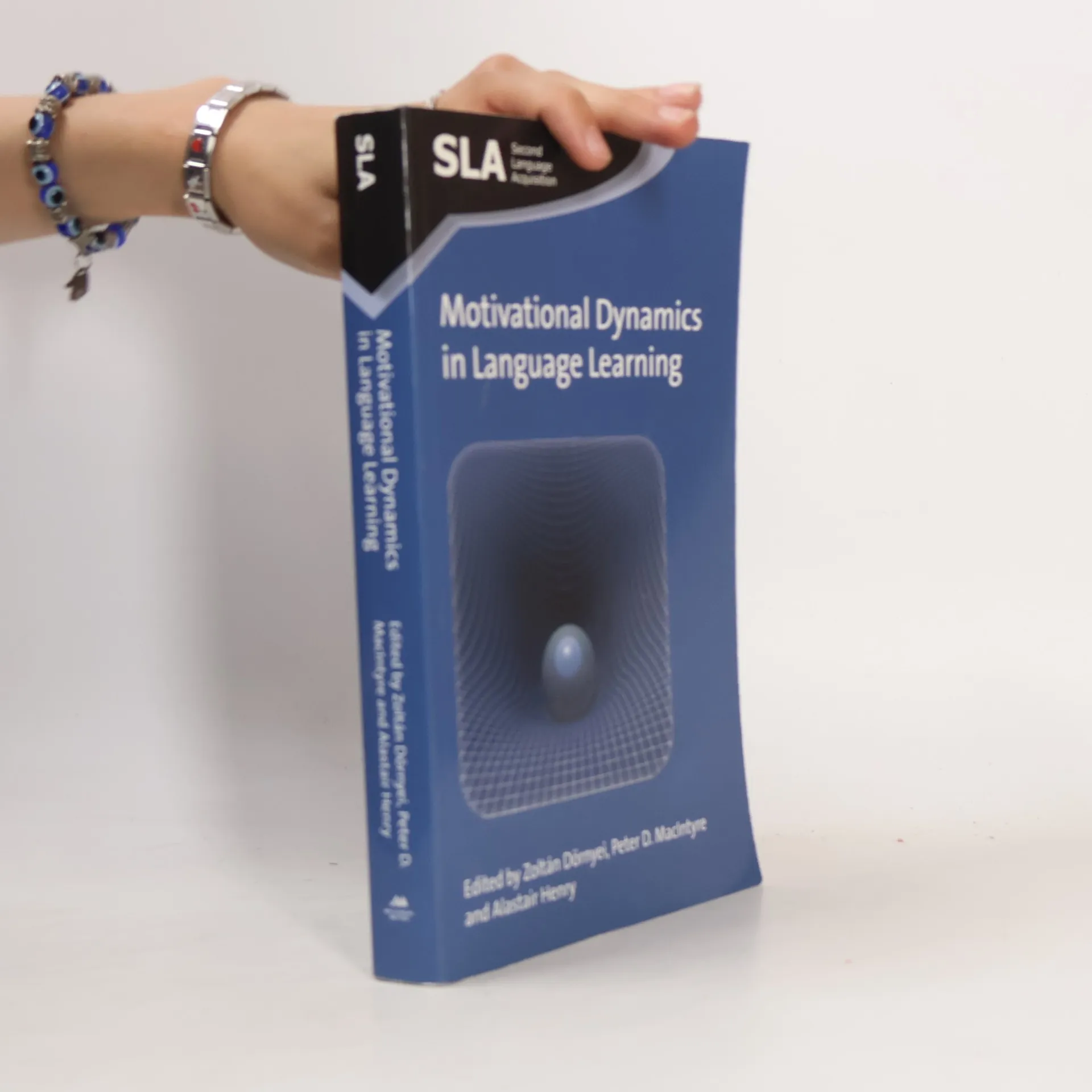
Engaging Language Learners in Contemporary Classrooms
- 208 páginas
- 8 horas de lectura
This very accessible book focuses on the area of learner engagement, which can be seen as 'motivation in action'.


Zoltán Dörnyei es una figura destacada en el campo de la psicolingüística de segundas lenguas. Su extensa obra profundiza en los aspectos cruciales de la adquisición de idiomas extranjeros, con un enfoque particular en la motivación y la dinámica de grupo. El enfoque de Dörnyei investiga los factores psicológicos y sociales que influyen en el proceso de aprendizaje de idiomas, ofreciendo valiosas perspectivas tanto para educadores como para estudiantes. Sus contribuciones son fundamentales para comprender los complejos mecanismos que subyacen a la competencia exitosa en una segunda lengua.

This very accessible book focuses on the area of learner engagement, which can be seen as 'motivation in action'.
Over the past decade, the focus of inquiry into the psychology of SLA has shifted from the analysis of various characteristics within individuals towards a greater consideration of individuals’ dynamic interactions with diverse contexts. This revisit of the bestselling The Psychology of the Language Learner reflects on these developments by challenging some of the assumptions upon which the original text was based, maintaining the familiar structure of the original, while situating the discussion within a very different theoretical framework. Written in a lively, accessible style, the book considers how the field has evolved and maintains a keen eye on the future, suggesting exciting new directions for the psychology of SLA. The Psychology of the Language Learner Revisited will appeal to students and researchers in a wide range of disciplines, including applied linguistics, second language acquisition, modern languages, and psychology.
Frameworks for Focused Interventions
The book presents a novel concept of motivation known as Directed Motivational Currents (DMCs), expanding on Dörnyei's foundational research in learner motivation. It clearly defines DMCs, distinguishing them from other motivational constructs, and explores their connection to language learning. With an engaging writing style, the text includes numerous illustrations and practical strategies, encouraging readers to rethink their understanding of motivation and fostering sustained learning experiences.
This collection of conceptual papers and data-based research studies investigate the dynamics of language learning motivation from a complex dynamic systems perspective. The chapters seek to answer the question of how we can understand motivation if we perceive it as a continuously changing and evolving entity rather than a fixed learner trait.
Building Vision In The Language Classroom
Provides tools to enable teachers to improve their own motivation, and thereby that of their students. A new approach to motivation, focusing on the concept of 'vision'. Drawing on visualisation research in sports, psychology and education, the authors describe powerful ways by which imagining future scenarios can promote motivation to learn a language. The book offers a rich selection of motivational strategies to help students 'see' themselves as competent language users, to experience the value of knowing a foreign language and, ultimately, to invest effort into learning it. It also explores how to re-ignite language teacher enthusiasm, how to re-kindle it when it may be waning and how to guard it when it is under threat.
Individual Differences in Second Language Acquisition
Examining individual differences is crucial for understanding and enhancing second language acquisition. This book delves into the various factors that influence language learning, such as personality, motivation, and cognitive styles. By exploring these elements, it aims to provide insights for educators and researchers to better support learners in achieving their language goals. The focus on applied linguistics highlights the importance of tailoring teaching methods to accommodate diverse learner profiles.
The study of 'group dynamics' is a vibrant academic field, overlapping diverse disciplines. It is also highly relevant to language education because the success of classroom learning is very much dependent on how students relate to each other, what the classroom climate is like, what roles the teacher and the learners play and, more generally, how well students can co-operate and communicate with each other. This innovative book addresses these issues and offers practical advice on how to manage language learner groups in a way that they develop into cohesive and productive teams.
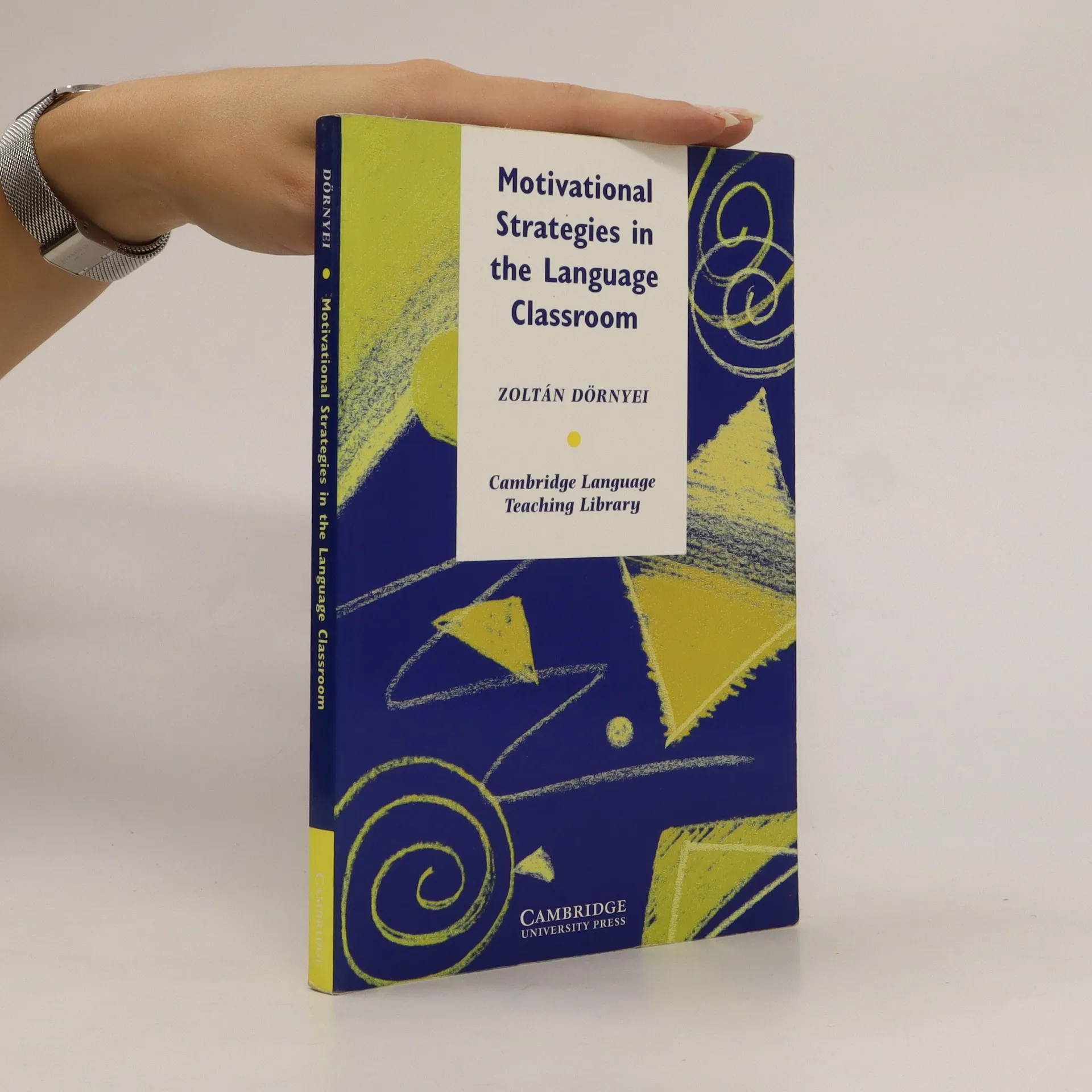
This volume gives an overview of the theory of motivation and applies it to practical skills and strategies, providing new insights into the field of motivational studies and its implications for second-language pedagogy.
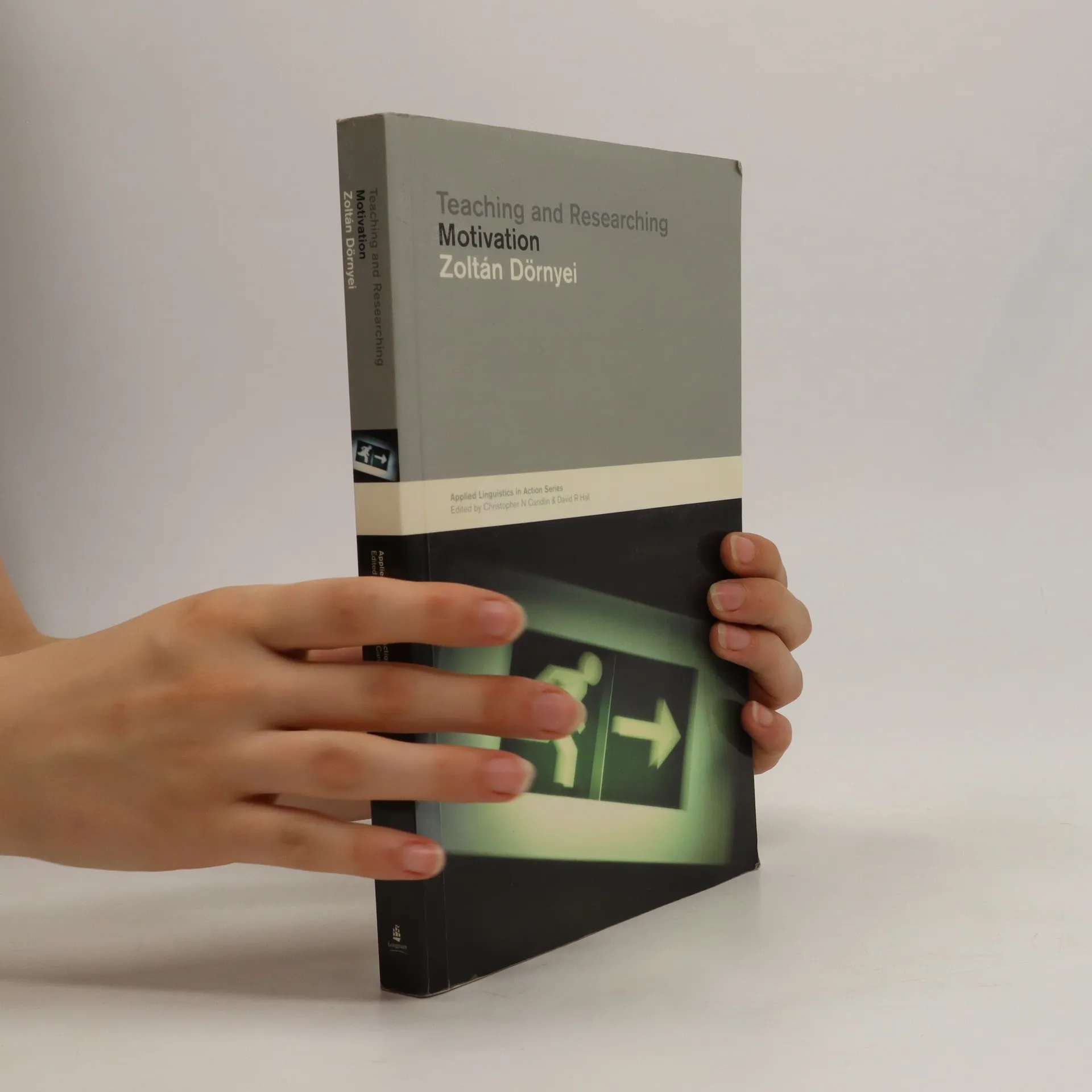
Success in learning a language largely depends on motivation. But what is motivation? How can it be increased? How can it be assessed? This text summarises the various facets of motivation and examines how theory can help teachers in practice.