

Jay Rosenberg's penetrating and persuasively argued analysis of the central metaphysical and moral questions pertaining to death has been updated and revised to expand and deepen several of its key arguments and to address conceptual developments of the past fifteen years. Among the topics discussed are: Life After Death; The Limits of Theorizing; The Limits of Imagination; Death and Personhood; Values and Rights; Mercy Killing; Prolonging Life; Rational Suicide; and One's Own Death. Rosenberg's prose is lucid, lively, thoroughly absorbing, and accessible to introductory-level readers. Essential reading for anyone interested in reflecting on this engaging topic.
Jay F. Rosenberg Orden de los libros (cronológico)
Jay F. Rosenberg fue autor de numerosos libros, artículos y manuales de filosofía, centrando su obra académica en la ética y la epistemología, al tiempo que exploraba conceptos filosóficos más amplios. Fue reconocido por su estilo de escritura claro y accesible, que desmitificó eficazmente las complejas ideas filosóficas para una audiencia más amplia. Las contribuciones de Rosenberg residen en su presentación lúcida y sistemática del pensamiento filosófico, haciendo tangibles los conceptos abstractos. Su prosa invita a los lectores a reflexionar sobre las preguntas fundamentales de la existencia y el conocimiento.
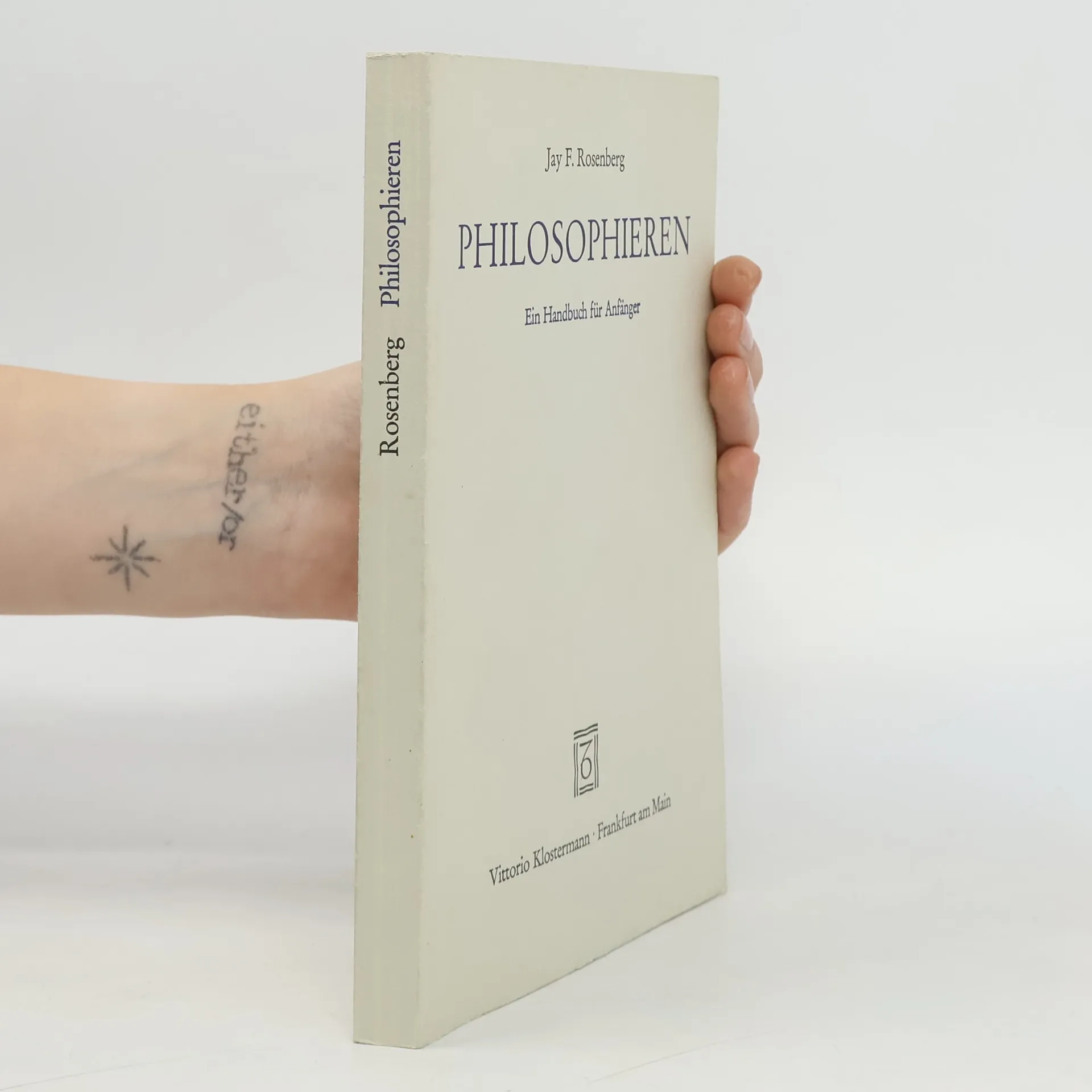
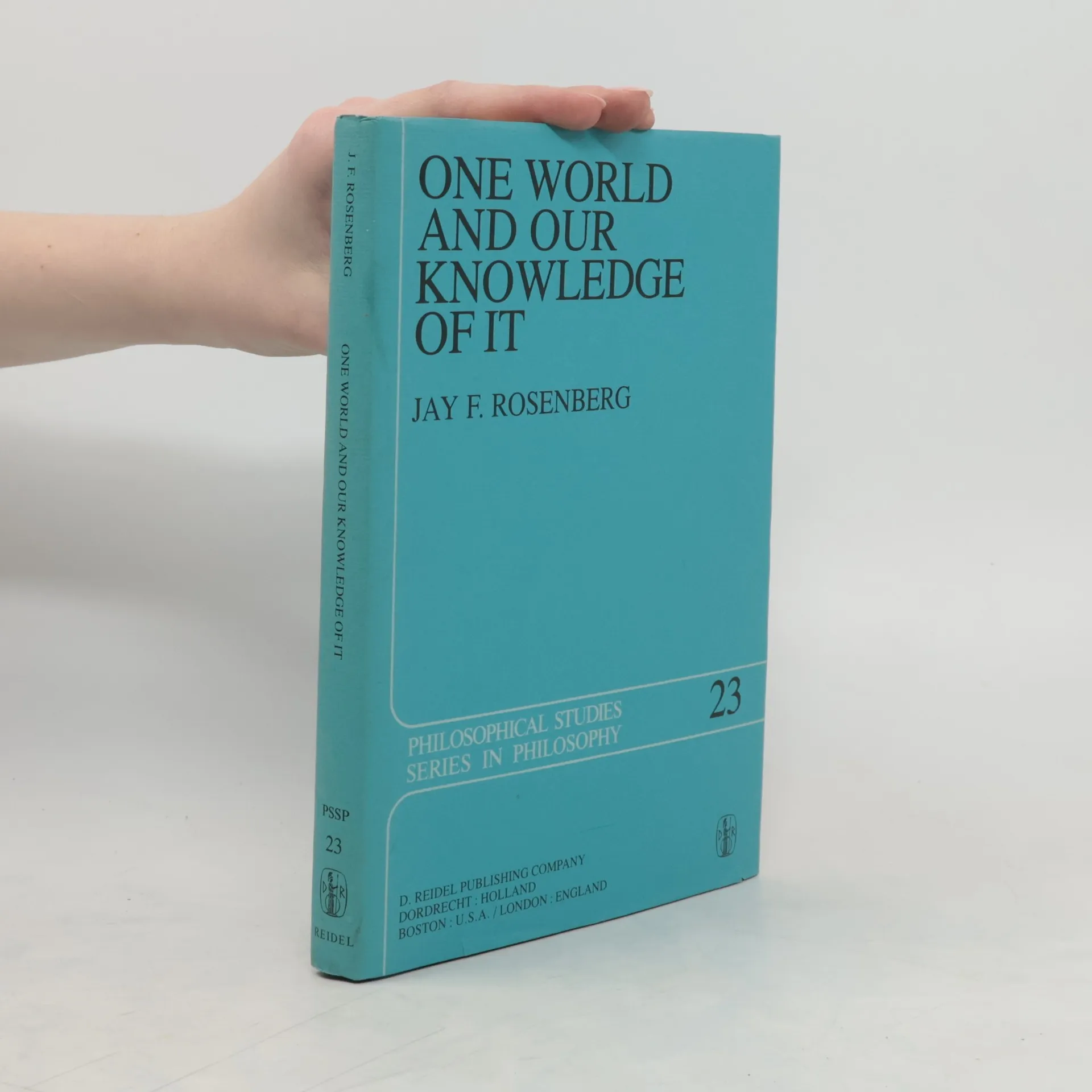

Mit dem Beginn der Auseinandersetzung mit der Philosophie wird man schnell mit ihren Themen vertraut. Schwieriger ist es jedoch, spezifisch philosophische Argumente zu erkennen und zwischen guten und schlechten Argumenten zu unterscheiden. Oft vergeht viel Zeit, bevor man versteht, was philosophisches Argumentieren ausmacht, da dies in der Regel nicht vermittelt wird. Jay Rosenberg beleuchtet in seinem Werk die Praxis des Philosophierens und beschreibt, was dabei geschieht. Leser lernen, Argumente sowohl in ihrer Form als auch ihrem Inhalt zu bewerten. Ein zentraler Aspekt des Buches ist die Diskussion und Kritik philosophischer Themen, die über die Grundlagen der Logik hinausgeht. Rosenberg bietet sowohl Anfängern als auch Fortgeschrittenen wertvolle Hilfestellungen, die oft fehlen. Er behandelt ausführlich, wie man eigene philosophische Essays verfasst, einen literarischen Disput analysiert und bewertet, ein Problem formuliert und löst sowie eine eigene, neue These entwickelt und verteidigt. Diese Konzepte werden durch zahlreiche Beispiele veranschaulicht. Das Buch richtet sich nicht nur an Philosophiestudenten und Dozenten, sondern auch an alle, die ein Interesse an dieser Disziplin haben.
Philosophy, Aristotle is well known to have said, begins in wonder. So, of course, does everything else. Astronomy begins in wonder at the moving lights in the sky; biology, in wonder at the living creatures of the earth; psychology, in wonder at the intricacies and eccentricities of our distinctively human form of life. So, at best, wonder is only a necessary condition for philosophy. What. is peculiar about philosophers is what we are inclined to wonder about. We wonder about everything. In particular, we wonder about astron omy and biology and psychology (and about philosophy) - about whether and how such disciplines are possible and, crucially, about whether and how such disciplines fit together. We don't just wonder about everything. We wonder about everything all at once. Philosophers are general practitioners. Things stand ill with our disciplme today. There was quite recently at large in America an occasional publication under the title Jobs in Philosophy. The title rested upon a confusion, and the publication furthered the confusion upon which it rested. For it did not, in fact, list jobs in philosophy. It couldn't.